

Home backup power feels much easier to sort out once you separate whole-house muscle from lighter emergency support. Some setups need a transfer switch and a 30A RV-ready outlet, while others only need enough output for a fridge, lights, or a few devices through an outage. This roundup keeps those use cases apart so you can match the machine to your home, your space, and how often you expect to move it.
You’ll also see a clear split between gas generators and battery-based power stations. That matters because runtime, noise, startup convenience, and storage all shape day-to-day ownership just as much as wattage does.
Quick Look At The Shortlist
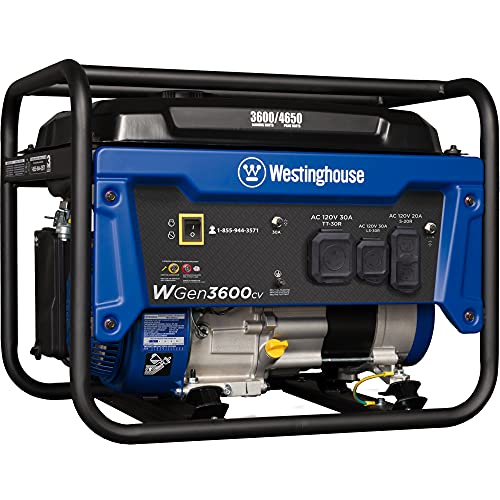
Westinghouse 4650 Peak Watt Portable Generator

Oxseryn Power Equipment 4400 Watts Inverter Generator

AIVOLT 1600W Super Quiet Inverter Generator 28lbs

Oxseryn 4400-Watts Inverter Generator

Westinghouse 6600 Watt Home Backup Portable Generator

DaranEner Portable Power Station 192Wh LiFePO4

DuroStar DS13000MX 13,000-Watt 500cc Dual Fuel Portable Generator

Jackery HomePower 3600 Plus Portable Power Station
More Details On Our Top Picks
Westinghouse’s 4,650-peak-watt unit sits in the middle of the pack with enough headroom for common outage tasks, without pushing you into the bulkier, higher-output tier. The RV-ready 30A outlet matters most for portable use around a trailer or for cleaner hookup planning at home, and the CO sensor adds a quiet layer of caution around exhaust exposure.
For a garage, shed, or patio setup, this is the kind of generator that feels easier to live with than the bigger 6,600- or 13,000-watt options. The trade-off is simple, you give up the heavy whole-home range of the larger Westinghouse and DuroStar units, but you also keep the package more manageable for occasional moving and storage.
What We Like
- 4,650 peak watts gives you a sensible cushion for basic backup tasks.
- The 30A RV-ready outlet broadens where and how you can connect it.
- Gas power keeps refill planning familiar for long outages.
- The CO sensor adds a valuable layer of practical caution.
Points To Note
- It sits below the stronger home-backup picks in raw output.
- Gas units need fuel storage and periodic upkeep, which matters during storm season.
- The size is still substantial, so moving it around a cramped garage can be awkward.
Feature Snapshot
Who It Suits Best
Homeowners who want a practical midrange gas generator for essential outage coverage will get the most from this one.
A Better Fit Elsewhere
Westinghouse 6600 Watt Home Backup Portable Generator suits you better when you need more home coverage and remote starting.
This Oxseryn lands in a useful middle zone, since it blends inverter-style output with an open-frame layout. That gives you a more flexible shape for home backup than a tiny power station, while still sounding less intimidating than a huge whole-home unit in the yard.
The ECO mode is the practical detail here, because it usually matters most during lighter loads such as a fridge cycle, phone charging, or a few room circuits. The compromise is that an open-frame build takes up more visual and physical space than a compact box-style inverter, so it suits a garage or utility area more than a tight apartment storage closet.
Bright Spots
- 4,400 watts gives you a workable middle ground for backup use.
- Inverter design is friendlier for sensitive electronics than plain basic output.
- ECO mode can help the machine run more efficiently under lighter demand.
- RV readiness adds flexibility for travel or secondary use.
Minor Gripes
- The open-frame format is less compact than a closed inverter shell.
- Gas upkeep still applies, including storage planning and periodic checks.
- It sits below the bigger Westinghouse and DuroStar models for whole-home range.
Details At A Glance
Right Fit For
You’ll get the most from this pick in a garage, RV setup, or home backup plan that values practical output over compactness.
Swap It Out When
AIVOLT 1600W Super Quiet Inverter Generator suits you better for lighter emergency loads and quieter neighborhood use.
The AIVOLT is the lightest-feeling option in this lineup, and that makes the 28-pound design worth a closer look. For camping, tailgating, or a backup kit that moves from shed to porch, the smaller frame matters as much as the wattage math.
You also get a clean list of quiet-use traits, including a 57 dBA noise rating, pure sine wave output, and CO auto-shutoff. Pure sine wave means the generator aims to deliver smoother electrical output, which matters most for gear that dislikes rougher power, though the trade-off is obvious, it simply doesn’t have the reserve of the bigger home-backup machines.
Highlights
- 28-pound weight makes carrying and storing it much easier.
- 57 dBA is a strong fit for quieter campsites and close neighbors.
- Pure sine wave output is friendlier for sensitive electronics.
- CO auto-shutoff adds a practical layer of caution.
- ECO mode is helpful for stretching runtime during modest loads.
Softer Spots
- Its running power sits well below the larger home-backup choices.
- Smaller fuel capacity expectations usually mean more careful planning during outages.
- You may outgrow it fast once whole-room backup becomes the goal.
Core Details
Built With In Mind
Travelers, campers, and homeowners who want a lighter backup machine for smaller loads will appreciate how portable this one feels.
Another Choice May Suit
Westinghouse 6600 Watt Home Backup Portable Generator fits better for you when the goal is stronger household coverage, not portability first.
This Oxseryn is easy to place mentally, because it covers the same 4,400-watt range as item 2 while leaning into emergency home backup and RV readiness. The similarity matters, yet the open-frame format usually makes it feel more like a garage-ready utility machine than a compact carry-anywhere inverter.
In practical terms, that means it suits a home owner who wants a second-line backup plan for outages, tool charging, or campsite duty without jumping into the heavier 6,600- or 13,000-watt class. The honest read is that its value comes from usefulness, not flash, and that’s often enough for a lot of households.
Reasons To Buy
- 4,400 watts gives you useful coverage for common backup needs.
- The inverter design is a better match for modern electronics.
- RV readiness adds flexibility beyond plain home use.
- Open-frame access can make maintenance feel less cramped.
Room For Improvement
- The open-frame shape takes up more room than a closed inverter shell.
- It still depends on fuel storage and routine care.
- You may find the larger home-backup models more reassuring for extended outages.
Feature Rundown
Whose Shelf It Belongs On
You’re the right match for this one if you want a capable backup generator that doesn’t jump all the way to heavy-duty territory.
Where A Sibling Pick Shines
Oxseryn Power Equipment 4400 Watts Inverter Generator suits you better when ECO mode and a more rounded feature set matter more than this model’s straightforward backup focus.
The jump from the 4,650-watt Westinghouse to this 6,600-watt version is big enough to matter during a real outage. Remote electric start and auto choke make startup feel less fiddly, which is welcome when the weather is rough and you’d rather not wrestle with repeated pulls.
Transfer-switch readiness gives this model its strongest home-backup identity, because it fits the kind of setup where you want the generator to support selected household circuits. The trade-off is size and fuel planning, so this is a better fit for a prepared garage than for quick hand-carry use.
What We Like
- 6,600 watts gives you more breathing room than the midrange picks.
- Remote electric start makes startup easier from a practical standpoint.
- Auto choke helps simplify cold-start behavior.
- Transfer-switch readiness makes it easier to plan around home circuits.
- RV readiness adds another useful use case.
Areas To Watch
- It is less portable than the smaller generators in this list.
- Gas storage and upkeep are part of owning a unit this size.
- It makes the most sense in homes already set up for transfer-switch use.
Technical Sheet
The Right Fit
This belongs with homeowners who already think in terms of circuit-level backup rather than just a few plug-in appliances.
Look Elsewhere When
DaranEner Portable Power Station 192Wh LiFePO4 is the calmer pick for small indoor loads, simple charging, and lighter storage needs.
Compared with the gas models above, this DaranEner power station feels built for quieter, smaller-scale backup rather than whole-house coverage. The 192Wh battery capacity and two AC outlets make sense for a phone stack, a router, a lamp, or short-run electronics during a brief outage.
The LiFePO4 battery chemistry is the notable detail here, since that battery type is commonly chosen for steadier long-term storage behavior than older lithium styles. You also get USB-C PD 60W fast charging, which is handy for modern laptops and tablets, though the 300W outlet limit means you need realistic expectations about what it can run.
Upsides
- Battery-based operation avoids gasoline handling.
- Two AC outlets cover a few small essentials at once.
- USB-C PD 60W fast charging suits modern portable devices.
- LiFePO4 chemistry is a useful long-life signal for storage-minded ownership.
Small Caveats
- The 192Wh capacity is modest beside the gas generators here.
- 300W output per outlet keeps this in the light-duty lane.
- You’ll want to plan carefully around larger appliances and longer outages.
Key Specs
Made For
You’ll appreciate this most in an apartment, dorm-like setup, campsite, or as a light indoor backup kit.
Where Shoppers Go Wrong
Westinghouse 6600 Watt Home Backup Portable Generator is the better route once you need circuit-level support instead of device charging.
This DuroStar moves into the serious backup class right away, with a 13,000-watt rating and dual-fuel support. Dual fuel means it can run on gas or propane, which gives you more flexibility in how you stock for long outages or seasonal preparedness.
The remote electric start keeps the machine friendlier to use than you might expect from a unit this large, and transfer-switch readiness reinforces its whole-home intent. The trade-off is scale, because this is the sort of generator that belongs in a prepared storage spot rather than near a narrow side gate or small patio.
Standout Traits
- 13,000 watts gives you serious headroom for home backup.
- Dual-fuel support adds useful fuel flexibility.
- Remote electric start reduces startup hassle.
- Transfer-switch readiness fits larger backup plans.
- RV and emergency readiness broadens its practical reach.
Honest Caveats
- Its size puts it far outside light portable territory.
- Fuel and storage planning matter more with a machine this large.
- The weight and footprint make casual movement unrealistic for most homes.
Core Details
Best Suited To
You’re looking at this model for large homes, extended outages, or a backup plan that needs a lot more cushion.
Reach For A Different Pick When
Westinghouse 6600 Watt Home Backup Portable Generator makes more sense for smaller homes that still want transfer-switch support without the full jump in scale.
Jackery takes the battery-backup idea much farther than the smaller DaranEner unit, both in output and stored energy. With 3,600W AC output and 3,584Wh of LFP capacity, this is aimed at serious home use, emergency readiness, and RV support without turning to gas.
The expandable design is the real differentiator, because scaling to as much as 21kWh can change how you think about longer interruptions. That kind of system is a little like carrying a reserve tank instead of a water bottle, though the trade-off is cost and complexity that make sense only for homes that will actually use the headroom.
Best Bits
- 3,600W AC output gives you far more backup reach than compact stations.
- 3,584Wh capacity supports longer use than small battery packs.
- Expandable storage opens the door to a much larger reserve.
- LFP chemistry is a strong match for storage-minded ownership.
- Solar-panel support keeps the system flexible for off-grid charging plans.
Worth Noting
- The bigger system makes more sense for prepared homes than casual carry.
- Expandable setups can add planning steps beyond a simple gas generator.
- Solar panel support is optional, so charging strategy still needs thought.
At A Glance
Whom Should Grab It
You’re a strong match for this model if you want battery backup with real household reach and room to scale later.
Skip It When
DaranEner Portable Power Station 192Wh LiFePO4 makes more sense for lighter storage, simpler charging, and a much smaller footprint.
How To Choose The Right Portable Generators For Home Backup
Start With The Loads You Actually Need
Backup shopping gets easier once you name the essentials. A fridge, a furnace fan, and a handful of lights call for very different output than a transfer-switch setup that can carry multiple circuits, and that’s why the 4,400 to 6,600-watt gas models sit in a different lane from the battery stations.
Think in terms of startup surge as well as running power. Motors often need more power at the moment they start, which is why a generator that looks adequate on paper can still feel tight in a real outage.
Decide Between Gas and Battery First
Gas generators make sense when you need longer runtime and higher output. They ask more of you in return, because fuel storage, upkeep, and outdoor placement all become part of ownership.
Battery power stations fit a cleaner, quieter routine. They are easier for indoor-friendly device charging and short backup sessions, but they cannot replace the larger gas units for whole-house reach.
Check The Features That Change Daily Use
Remote electric start, auto choke, ECO mode, and RV readiness sound small until you’re using the machine in bad weather or in a crowded garage. Those details affect comfort, speed, and how much friction the generator adds to an already stressful outage.
Safety features matter too, especially CO sensors and auto-shutoff on smaller units. They do not change output, but they do shape how confidently you can place the machine and manage the space around it.
Match Size To Storage And Movement
A 28-pound inverter and a 13,000-watt dual-fuel generator live very different lives. One gets lifted, tucked away, and carried often, while the other belongs near a stable storage spot with enough room for fuel and access.
That’s why physical footprint matters as much as wattage. A practical backup setup feels easy to reach, easy to start, and easy to put away after the storm passes.
Things Worth Knowing First
Common Shopping Slip Ups
Many people focus on output alone and skip the connection side. A transfer-switch-ready home may need a very different machine than a campsite-style inverter, even when the wattage figures look close.
Another frequent miss is forgetting fuel and storage reality. Gas models ask for safe fuel handling and upkeep, while battery stations ask you to think about recharge timing and outlet count.
What The Higher Tier Buys
Higher-tier models usually pay for larger alternators, stronger engines, remote start systems, and broader connection options. You also tend to get more usable headroom, which matters when a refrigerator, sump pump, and lighting all come on together.
That upgrade makes the most sense in homes that see real outages or already have a transfer-switch plan. For lighter use, the extra scale can become more burden than benefit.
Frequently Asked Questions
How much wattage do you need for home backup?
Light backup for charging and a few devices can work in the lower hundreds of watts. A fridge, lights, and more of the house usually push you into the midrange gas generator class.
Are inverter generators better for electronics?
Inverter generators are designed to provide smoother power than basic open-frame units. That makes them a sensible match for electronics that prefer steadier output.
Is a battery power station enough for outages?
It can be enough for phones, routers, lamps, and similar small loads. It won’t replace a larger gas generator for longer or heavier household needs.
What does transfer-switch ready mean?
It means the generator is set up to work with a home backup connection path that feeds selected circuits. That matters most for houses that already plan around a panel-based setup.
Why does CO sensing matter?
CO sensing helps the machine react to dangerous exhaust buildup around the generator. It’s a practical feature for extra caution near outdoor backup setups.
Closing Thoughts
The right backup setup depends less on raw wattage and more on how you live during an outage. Smaller battery stations help with quiet, simple support, while the midrange and heavy-duty gas generators make more sense for full household planning. Westinghouse, Oxseryn, DuroStar, DaranEner, and Jackery each solve a different version of the same problem. Choose the size that fits your space and your habits, and the rest gets much easier.
