

Setting up solar at home or in a van used to mean wading through spec sheets and guessing which panel would actually survive a real roof. I get the hesitation: most people want something that charges batteries reliably, fits the space, and doesn’t become a maintenance headache within a season. That’s exactly the niche I dug into here. The list below mixes rigid panels, flexible ones, bifacial designs, and even a connector kit so anyone from a weekend DIYer to a full-time vanlifer can find a sensible starting point.
A Fast Comparison Of The Options

Renogy 5FT 12AWG Solar Extension Cables

Renogy ShadowFlux Solar Panel 200W N-Type

Renogy 100W Solar Panel N-Type 16BB

Renogy Flexible Solar Panel 200W Bendable
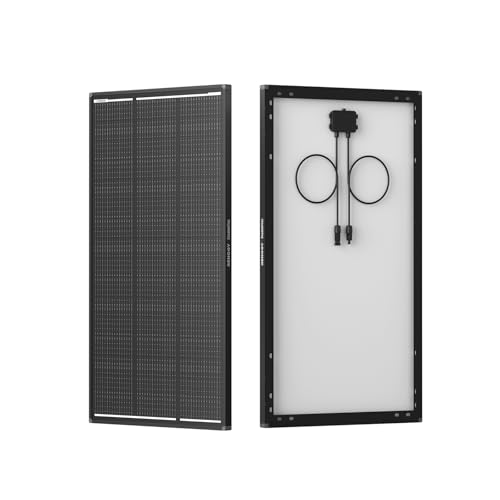
Renogy ShadowFlux Solar Panel 120W N-Type

Renogy 100W Solar Panels 2-Pack N-Type

Renogy 200W Solar Panel N-Type Compact

Renogy 400W Solar Panel N-Type 16BB

Renogy Bifacial Solar Panel 200W N-Type
The Strengths Of Each Pick
Every photovoltaic setup needs the unglamorous bits, and this Renogy extension pair is one of those. It bridges the gap between a rooftop panel and a charge controller mounted lower down. The 5-foot length suits most small off-grid arrays where the panel and the controller live a short distance apart.
I see this kind of kit saving a real headache for first-time installers who realized after unboxing that the stock panel lead isn’t long enough to reach the controller. The hard plastic connectors at each end click together with a satisfying fit, and the red-and-black color coding keeps polarity obvious during wiring. For anyone upgrading from a single panel to a small bank later, having one of these on hand tends to come in handy again.
Useful Strengths
- Plug-and-play male and female connectors match standard Renogy solar leads
- 12AWG wire thickness handles typical off-grid panel outputs without major voltage drop over 5 feet
- Red and black insulation reduces wiring mistakes during install
- Compact pair stows easily in a toolbox or kit bag
Things To Consider
- Only 5 feet long, so longer roof-to-controller runs will need a different cable
- Hard plastic connectors can crack if stepped on or yanked sideways during routing
Made For
First-time installers wiring a single panel to a close-by charge controller in a shed, cabin, or small van setup.
Skip It When
The Renogy ShadowFlux Solar Panel 200W N-Type is a better starting point if the cabling question is secondary and the real priority is the panel itself.
Shade is the silent killer of solar output, and Renogy built this 200W panel to push back against it. The ShadowFlux anti-shading design keeps power generation steadier when a chimney, tree branch, or rooftop vent partially blocks cells. For a homeowner with one tricky shadow line on the roof, that difference alone can justify choosing this over a conventional rigid panel.
The N-type solar cells with 16BB busbar tech (that’s 16 thin conductive ribbons running across each cell to move electrons more efficiently) are a meaningful step up from older PERC designs. Compared to the cabling kit reviewed earlier, this is the actual energy-producing core of the system. For anyone planning a fixed rooftop array on a house or workshop, this is the kind of panel that rewards careful mounting with years of steady charge cycles.
Good Reasons To Consider
- ShadowFlux design keeps output steadier in partial shade than standard panels
- N-type cells with 16BB layout improve conversion efficiency over older PERC cells
- 200W rating suits a medium-sized home array or a substantial van setup
- Rigid aluminum frame handles rooftop mounting hardware cleanly
Worth Noting
- Larger physical footprint than a 100W panel, so roof space planning matters
- Rigid format can’t follow curved surfaces the way the flexible 200W pick can
Key Specs
Best Suited To
Homeowners with a partially shaded rooftop who want a rigid 200W panel that won’t collapse output the moment a tree branch moves overhead.
Reach For A Different Pick When
The Renogy Flexible Solar Panel 200W Bendable is the smarter buy for curved van or boat roofs where a rigid frame simply won’t sit flat.
100W is the sweet spot for a lot of people getting into solar for the first time, and this Renogy panel makes a strong case for that wattage tier. The N-type cells with 16BB layout deliver higher conversion efficiency than older PERC panels of identical size. For a small cabin, a shed, or a starter van system, one or two of these panels cover the basics without overwhelming the available roof real estate.
Compared to the larger ShadowFlux 200W panel above, this one trades raw output for easier handling during install. A single person can carry and position it without calling for help. Maintenance is also simpler: less surface area means less dust to wipe down, and a single panel failure doesn’t knock out the whole array. For most beginners planning their first photovoltaic setup, this is the panel I keep coming back to as a sane starting point.
A Few Highlights
- 100W output is easy to scale up by adding more panels in parallel later
- N-type 16BB cells improve efficiency over older designs
- Manageable size and weight for solo rooftop installation
- Pairs cleanly with common MPPT charge controllers in the 20A range
Trade Offs
- Single 100W panel won’t run heavy household loads alone
- Without the ShadowFlux tech of the larger panel, partial shade hits output harder
Spec Overview
Perfect Match For
Beginners building their first off-grid array for a cabin, shed, or compact van who want a manageable single panel to start with.
Look Elsewhere When
The Renogy 100W Solar Panels 2-Pack N-Type makes more sense for anyone who already knows they want two panels from day one.
Rigid panels are great until you try to mount one on a curved van roof or a sailboat cabin top. That’s where this 200W flexible panel earns its keep. It bends up to 240 degrees, which is generous enough to follow most vehicle contours without forcing the cells. Compared to the ShadowFlux 200W panel reviewed above, it sacrifices rigidity for fit, but it opens up installation locations the rigid panel simply cannot cover.
The all-black glare-free appearance is a small thing that matters to anyone who cares about their van or boat looking clean. At roughly half the weight of a comparable rigid panel, a single person can hoist it into place for adhesive mounting. For nomadic setups where the roof isn’t flat, this is the kind of panel that makes the whole project actually work.
Positive Takeaways
- Bends to 240 degrees to follow curved vehicle or boat surfaces
- About half the weight of a comparable rigid 200W panel
- All-black finish keeps the install looking clean on visible roofs
- Adhesive mounting eliminates the need for drilling in many cases
Minor Gripes
- Flexible panels tend to run hotter than rigid ones when mounted close to a roof surface
- Adhesive-only mounting can complicate removal for repair or replacement
Feature Rundown
Right Fit For
Van lifers, RV owners, and sailboaters who need a high-wattage panel that follows curved roofs where a rigid frame would sit awkwardly.
Consider Something Else When
The Renogy 200W Solar Panel N-Type Compact is a smarter call for camper van builds where a flatter, smaller-footprint rigid panel works fine.
Not every roof has room for a full 200W panel, and that’s where this 120W ShadowFlux fits in. It carries the same anti-shading tech as the larger 200W ShadowFlux panel above, just in a more compact body. For tight rooftop layouts with vents, fans, or AC units taking up space, the smaller footprint often makes the difference between fitting solar and not fitting it at all.
The N-type 16BB cells are unchanged from the bigger siblings, so efficiency stays high. For a teardrop trailer, a small van, or a workshop roof with limited square footage, this panel delivers a usable daily charge without forcing the installer into awkward compromises.
The Practical Payoff
- Compact size fits rooftops where a 200W panel won’t clear obstacles
- Same ShadowFlux anti-shading tech as larger Renogy offerings
- N-type 16BB cells deliver solid efficiency for the footprint
- Easier to position in arrays alongside other panels of mixed sizes
Honest Caveats
- 120W output alone won’t offset heavy daily loads
- Smaller panels tend to cost more per watt than larger ones
Whose Shelf It Belongs On
Anyone with a tight, obstacle-filled rooftop on a teardrop trailer, small van, or shed who still wants the ShadowFlux shading advantage.
Swap It Out When
The Renogy 100W Solar Panel N-Type 16BB is the better fit for shoppers who want a simpler entry-level panel without paying extra for the compact-form factor.
Buying solar panels one by one works, but anyone planning a multi-panel array saves real hassle by ordering a matched pair at once. This Renogy two-pack delivers two 100W N-type panels with 16BB cell tech, and they arrive ready to wire in parallel. Compared to the single 100W panel reviewed earlier, the same efficiency numbers apply, just doubled up and packaged together.
For a starter cabin system or a growing off-grid setup, two matched panels simplify expansion: no mixing old and new cells, no balancing panels with different efficiency ratings. The pair is also a sensible upgrade path for someone who started with the cabling kit reviewed at the top of this list and now wants the actual generating hardware.
The Helpful Details
- Two matched panels arrive together for clean, balanced array expansion
- N-type 16BB cells deliver high conversion efficiency in a compact form
- 100W per panel keeps individual handling manageable during install
- Wiring two panels in parallel doubles output without doubling system complexity
Points To Note
- Two rigid panels need more roof space than a single 200W unit
- Parallel wiring requires fusing or proper combiner setup for safety
Feature Card
Who Should Grab It
Anyone starting or expanding a small off-grid array who wants two matched 100W panels in one shipment instead of mixing brands over time.
A Better Fit Elsewhere
The Renogy ShadowFlux Solar Panel 200W N-Type is a smarter single-panel buy for shoppers who need the extra shade tolerance more than the second panel.
Class B vans punish bulky equipment. Renogy trimmed this 200W N-type panel down to be roughly 7.5 percent smaller and 11.7 percent lighter than the previous generation, while keeping the same power output. For anyone trying to cram solar onto a Sprinter or Transit roof with a fan vent, an AC shroud, and a roof rack already fighting for space, those saved inches matter.
The 16BB cell layout carries the same efficiency story as the larger ShadowFlux panel, just in a tighter package. Compared to the flexible 200W panel reviewed above, this one trades bendability for a rigid frame that’s easier to mount with standard brackets and doesn’t sit as close to the hot roof surface.
Key Advantages
- Slimmer, lighter build than previous Renogy 200W models
- N-type 16BB cells deliver high conversion efficiency
- Rigid frame accepts standard mounting brackets for clean installs
- 200W output covers meaningful daily loads in a van or compact RV
Possible Compromises
- Lacks the ShadowFlux anti-shading tech of the larger 200W sibling
- Still a single rigid panel, so curved roofs will need the flexible alternative
Who It Suits Best
Class B van owners who need a high-output rigid panel that fits a tighter roof footprint without sacrificing daily wattage.
Another Choice May Suit
The Renogy Bifacial Solar Panel 200W N-Type is worth considering for vans with light-colored or reflective roofs where dual light capture adds noticeable daily output.
For setups where roof space allows, a single 400W panel cuts the install time and wiring clutter of running multiple smaller panels in parallel. Renogy’s 400W N-type model follows the same compact design language as the 200W Class B panel above: roughly 7.5 percent smaller and 11.7 percent lighter than the previous generation, just scaled up to higher output.
The 16BB cell layout supports stronger energy conversion and reduces microcrack risks over the panel’s lifetime. For a large van, a small home, or a workshop with a sizable south-facing roof, one of these can carry a meaningful chunk of daily charging on its own. The trade-off is weight and handling: it’s a two-person lift and a serious mounting job.
Reasons It Performs
- 400W output from a single panel reduces array wiring complexity
- N-type 16BB cells improve efficiency and reduce microcrack risk
- Smaller and lighter than previous 400W Renogy models
- Covers substantial daily loads for a van, cabin, or workshop
Less Ideal Details
- Heavy enough that solo mounting is difficult and potentially unsafe
- Requires a sturdy mounting structure and proper roof bracing
Quick Facts
Built With In Mind
Owners of larger vans, tiny homes, or workshops with the roof real estate to host a single high-output panel and a helper on install day.
Not Your Match When
The Renogy 200W Solar Panel N-Type Compact is easier to handle for solo installers working with limited roof space or no extra hands on site.
Most panels harvest light from one side. Bifacial panels harvest from both, and Renogy’s 200W bifacial model can pull up to 30 percent more energy from reflected light bouncing off snow, sand, light-colored concrete, or a pale rooftop. For a van or cabin mounted over a reflective surface, that extra harvest adds up across a full day of sun.
The N-type 16BB cells match the efficiency story of the other premium panels on this list, so the bifacial gain stacks on top of already-strong base performance. Compared to the 200W Class B rigid panel reviewed earlier, the trade-off is that bifacial panels reward thoughtful mounting: leaving a gap beneath the panel so reflected light can reach the rear cells makes a real difference in output.
Notable Gains
- Captures light from both sides for up to 30 percent more energy
- N-type 16BB cells deliver high efficiency from the front face
- Strong choice over snow, sand, or light-colored mounting surfaces
- Same 200W form factor as standard rigid siblings for easier array planning
Points To Keep In Mind
- Needs an air gap or reflective surface underneath to unlock the bifacial gain
- Mounting hardware often costs a bit more than standard rigid panel setups
Who Will Love This
Solar builders with reflective mounting surfaces, snowy sites, or pale rooftops who want to squeeze extra daily wattage from the same footprint.
Where Another Pick Suits Better
The Renogy 200W Solar Panel N-Type Compact is the simpler, lower-fuss option for vans where reflective gain is unlikely and a standard rigid panel does the job.
What To Weigh Before Choosing Photovoltaic Panels
Match Wattage To Real Energy Needs
Before picking a wattage tier, I always start by listing the daily loads: lights, a fridge, a laptop, a phone or two, maybe a fan. Add up the watt-hours and divide by the average peak sun hours in your region to get a rough panel target. A 100W panel suits modest needs, while 400W is the right call for serious daily consumption. Overshooting wastes money; undershooting leaves the battery chronically undercharged.
Rigid Vs Flexible Vs Bifacial
Rigid panels are the workhorses: efficient, durable, and easy to mount on standard brackets. Flexible panels bend to follow curved van or boat roofs, but they tend to run hotter when mounted flush against a surface. Bifacial panels harvest reflected light from the rear and reward installations with an air gap and a reflective surface below. Picking the right form factor often matters more than picking the right brand.
Cell Type And Efficiency Numbers
N-type cells with 16BB busbars are the current generation worth targeting, offering better efficiency and lower degradation than older PERC designs. Higher conversion efficiency means more watts per square foot, which matters on small rooftops. Pay attention to efficiency only after confirming the wattage and form factor already fit the build.
Shade Tolerance And Mounting Realities
Partial shade can gut the output of a standard panel, so anti-shading designs like ShadowFlux deserve a real look for any roof with vents, chimneys, or nearby trees. Mounting hardware, cable runs, and combiner setups also quietly add cost and labor. Plan the whole system before ordering a single panel, and the install day will go much more smoothly.
Key Considerations Across These Picks
Where Shoppers Go Wrong
The most common slip-up I see is buying the biggest panel the budget allows without checking the actual roof footprint or the charge controller rating. A panel that doesn’t physically fit, or that overwhelms a small controller, creates more problems than it solves. Measure the roof space and the controller specs before choosing wattage.
Another trap is ignoring shading. A sunny-looking roof can lose serious output if a chimney or vent throws shade for part of the day, and standard panels handle that worse than anti-shading designs. Walk the roof at different times of day before committing to a panel layout.
Why Top Tier Costs More
Higher-tier panels earn their price through N-type 16BB cell layouts, anti-shading engineering, bifacial light capture, or compact form factors that fit vans and tight roofs. For most beginners, a mid-tier 100W or 200W panel is plenty. Upgrading makes sense once the system grows past a single panel or the install site has real shading or curvature challenges.
Frequently Asked Questions
How Many Photovoltaic Panels Does A Small Cabin Need?
A modest cabin running lights, a small fridge, and device charging usually does fine with two to four 100W panels, depending on regional sun hours. Larger loads push the count higher quickly.
Can Flexible Solar Panels Handle Harsh Weather?
Quality flexible panels resist rain and typical wind, but they tend to run hotter when mounted flush against a roof. An air gap helps with cooling and slightly improves long-term durability.
What Does Bifacial Mean For A Solar Panel?
Bifacial panels generate electricity from light hitting both the front and rear faces. Mounting them over a reflective surface, like snow or pale concrete, can lift total daily output noticeably.
Are N-Type Cells Worth The Extra Cost?
N-type cells typically deliver higher conversion efficiency and slower long-term degradation than older PERC designs. For permanent rooftop arrays, that efficiency gain usually justifies the modest price premium.
Do Solar Panels Need Regular Maintenance?
Most panels benefit from a periodic wipe-down to clear dust, pollen, or bird droppings that reduce output. Beyond that, checking cable connections and mounting hardware once or twice a year is enough for most systems.
Bottom Line
The right photovoltaic panel depends on the roof, the loads, and the budget. Beginners often do well starting small with a 100W or two-pack, while serious off-grid builds benefit from the higher output of a 200W or 400W panel. Match the form factor to the install site, plan the wiring carefully, and the rest tends to take care of itself.
