

Natural gas generators make sense for your setup when you want backup power without juggling gasoline cans alone. The strongest models in this group lean on tri-fuel flexibility, transfer-switch readiness, and inverter output that stays friendlier to electronics. Smaller portable picks suit patios, RV trips, and lighter home loads, while the larger units step in for whole-home circuits and heavier tools. The trade-off is size, weight, and a more serious installation mindset than a simple camping inverter.
Quick Look At The Shortlist

Westinghouse 4000 Peak Watt Dual Fuel Inverter Generator

DuroMax XP13000HXT Tri Fuel Portable Generator

Champion Power Equipment 4000-Watt Dual Fuel Inverter Generator

Westinghouse 8200 Peak Watt Tri-Fuel Inverter Generator

Westinghouse 9500 Peak Watt Dual Fuel Home Backup Generator

Westinghouse 18000 Peak Watt Tri-Fuel Home Backup Generator

Westinghouse 12000 Peak Watt Tri-Fuel Inverter Generator
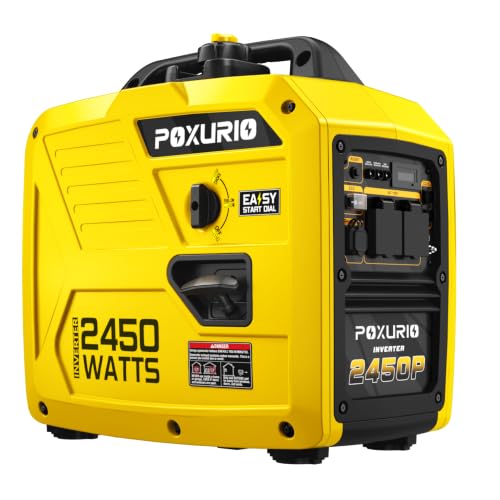
POXURIO 2450-Watt Inverter Generator
More Details On Our Top Picks
For patio power, campsite use, and lighter backup loads, this Westinghouse keeps the formula straightforward: dual fuel, remote electric start, RV readiness, and a carbon monoxide sensor. Compared with the larger tri-fuel models later in the list, it’s the easier fit for you if storage space is tight and your load list stays modest.
The inverter design matters because it delivers steadier output for electronics than a basic open-frame generator, and parallel capability gives you room to scale later. The trade-off is obvious, it won’t handle the same household workload as the 8200 or 18000 watt Westinghouse units, but that’s also why it stays easier to place and move.
Strong Points
- Dual fuel operation gives you fuel flexibility without moving into the bigger tri-fuel class.
- Remote electric start makes setup less fiddly during a power outage or a late arrival at camp.
- RV-ready output suits weekend travel and keeps the setup more plug-and-play.
- Parallel capability lets you expand capacity later instead of replacing the unit outright.
Points To Note
- Its 4000 peak watt class is better for essentials than for heavy whole-home loads.
- You still need routine fuel and oil attention, which is normal for portable power equipment.
- The lighter format helps portability, but it also means less reserve for big-start appliances.
Feature Rundown
Who It Suits Best
Weekend campers, RV owners, and homeowners covering a few essentials will get the most useful balance here.
Where A Sibling Pick Shines
Westinghouse 12000 Peak Watt Tri-Fuel Portable Inverter Generator fits you better if you need more reserve for electronics-heavy home backup and still want inverter-style output.
This DuroMax shifts the conversation from portable convenience to serious household coverage. The 13,000-watt class, 500cc engine size, and tri-fuel setup put it in a different lane from the Westinghouse 4000 and Champion 4000 picks, especially for homes that want more headroom during outages.
You’ll notice the practical appeal right away, three fuel choices give you more flexibility, and the CO alert adds a layer of awareness for indoor-adjacent use zones where exhaust management matters. It’s a heavier, more commitment-driven machine, though, so it suits garages, dedicated storage space, and users who need output more than portability.
What We Like
- Tri-fuel design gives you the broadest fuel flexibility in this group.
- 13,000-watt output supports larger home circuits and heavier tools.
- 500cc engine size points to a more substantial power platform.
- CO alert adds a useful warning layer for backup situations.
- Black and blue finish is easy to identify in a busy storage area.
Small Caveats
- Size and weight make it a garage-first machine rather than a grab-and-go unit.
- The larger frame needs more planning for placement and movement.
- You’ll want a tidy fuel and maintenance routine to keep a unit like this ready.
Core Details
Who Should Grab It
Homeowners preparing for longer outages, contractors, and anyone with larger electrical loads will get the most value here.
Another Choice May Suit
Westinghouse 9500 Peak Watt Dual Fuel Home Backup Portable Generator suits you better if you want a more moderate backup unit that still supports transfer-switch style home use.
Champion’s 4000-watt dual-fuel format looks aimed squarely at travel, RV use, and lighter backup duty. Compared with the Westinghouse 4000, the key draw here is the quiet-technology positioning and the included 3-year warranty language, which gives you a more confidence-forward package on paper.
You may find it especially appealing for tailgates or campgrounds where a smaller inverter footprint matters more than raw output. The limitation is the same one that follows most 4000-watt portables, it’s built for essentials and convenience, not for running an entire house without prioritizing loads.
Best Bits
- Dual fuel support gives you a practical choice between gasoline and propane.
- Inverter design is a better fit for sensitive electronics than a basic frame generator.
- RV-ready setup lines up neatly with travel use.
- Quiet technology labeling suggests a more considerate profile for shared spaces.
Worth Noting
- The 4000-watt class keeps it in the essentials-only lane for most homes.
- Quiet operation still depends on placement, load level, and distance from where you sit.
- Like any portable generator, storage and periodic upkeep matter for reliability.
Feature Card
Built With In Mind
Travelers, RV owners, and weekend users who want a calmer portable format will feel right at home with this one.
Look Elsewhere When
Westinghouse 8200 Peak Watt Tri-Fuel Portable Inverter Generator is the better fit for you when home backup matters more than campsite convenience.
This Westinghouse sits in a useful middle ground, because it adds tri-fuel flexibility without jumping all the way to the 18,000-watt class. The low total harmonic distortion, or THD, matters for electronics because cleaner output is easier on sensitive devices than rougher power shapes.
For a home backup setup with a transfer switch, this is the kind of generator that feels better planned than improvised. Parallel capability and remote electric start give you more control, though the larger frame still deserves a permanent storage spot instead of a casual corner.
Highlights
- Tri-fuel design gives you gas, propane, and natural gas support.
- Low THD output is a meaningful advantage for electronics-heavy households.
- Transfer-switch readiness makes home integration more direct.
- Remote start reduces the friction of getting power online quickly.
- Parallel capability leaves room to expand output later.
Softer Spots
- The larger chassis asks for more storage and placement planning.
- More capability usually means more maintenance discipline, especially after long idle periods.
- It’s a step up in commitment from the smaller 4000-watt inverter picks.
Details At A Glance
The Right Fit
Households that want a serious backup unit without jumping to the largest frame should put this near the top of the list.
Skip It When
POXURIO 2450-Watt Inverter Generator suits you better if your goal is simple backup for a few essentials and a smaller storage footprint.
For a lot of homes, this is the point where backup power starts to feel properly serious without jumping into the biggest frame size. The 9500 peak watt class, electric start, and transfer-switch readiness make it more home-centered than the smaller Westinghouse 4000 or Champion 4000 inverter picks.
Dual fuel operation gives you practical flexibility, and the CO sensor adds a modern safety-minded touch for outage routines. It’s not as expansive as the 13000-watt DuroMax or the 18000-watt Westinghouse, but that narrower scope also makes it easier to live with day to day.
Upsides
- Transfer-switch readiness suits home backup planning.
- Electric start cuts down on startup fuss.
- Dual fuel support lets you work with gas or propane.
- CO sensor adds a useful awareness layer.
- Mid-size output is easier to store than the largest tri-fuel units.
Areas To Watch
- It still needs thoughtful load management during an outage.
- The heavier home-backup format is less convenient for travel use.
- Regular maintenance matters, especially for a unit you plan to keep ready seasonally.
Technical Sheet
Made For
Homeowners who want a practical backup unit for core circuits, refrigeration, and a few comfort loads will benefit most.
Swap It Out When
Westinghouse 18000 Peak Watt Tri-Fuel Home Backup Portable Generator is the better fit for you if the household load is much larger and natural gas support matters.
This is the heavyweight in the Westinghouse group, and the 18,000 peak watt rating tells you exactly where it belongs. Compared with the 9500 and 12000 watt models, it’s built for larger homes or shop spaces that need more breathing room across multiple circuits.
Tri-fuel support, remote electric start, transfer-switch readiness, and the CO sensor make it a fully thought-through backup platform rather than a bare power source. The honest read is that you’re also signing up for a bigger storage and handling burden, so this suits a fixed home setup more than a casual portable use case.
Reasons To Buy
- Very high peak output serves larger backup demands.
- Tri-fuel design gives you strong fuel flexibility.
- Remote electric start reduces hassle during outage conditions.
- Transfer-switch readiness supports more organized home integration.
- CO sensor adds a useful alert feature for backup use.
Honest Caveats
- The size makes it a serious storage and placement commitment.
- It makes more sense for planned backup than for occasional light duty.
- Like any high-output generator, upkeep and load discipline matter a lot.
Feature Snapshot
Best Suited To
Large households, detached garages, and shop spaces with substantial backup needs will get the most from this class of generator.
Where Another Pick Suits Better
Westinghouse 12000 Peak Watt Tri-Fuel Portable Inverter Generator is the smarter match for you if you want a smaller electronics-friendly inverter format with less bulk.
This model reads like the middle lane for households that want a stronger backup machine without moving into the largest frame size. Compared with the 8200-watt Westinghouse, it adds more headroom, and the inverter design keeps it more electronics-friendly than a traditional open-frame generator.
Remote start, transfer-switch readiness, low THD, parallel capability, and the CO sensor create a feature set that feels well balanced for planned home use. The trade-off is predictably size and weight, so it fits best where you can keep it staged and ready rather than stashed away casually.
Positives
- Tri-fuel support gives you multiple fueling paths.
- Low THD is a good match for electronics.
- Transfer-switch readiness supports house backup planning.
- Remote start reduces friction during an outage.
- Parallel capability gives you a growth path.
Room For Improvement
- It takes more storage space than the compact 4000-watt units.
- It’s better suited to prepared backup setups than to casual moving around.
- Routine maintenance matters, especially for a machine you may only roll out seasonally.
Core Details
Whose Shelf It Belongs On
Prepared homeowners who want a usable balance of output, inverter behavior, and fuel flexibility should look closely here.
Reach For A Different Pick When
DuroMax XP13000HXT Tri Fuel Portable Generator makes more sense for you if raw output and a larger engine matter more than inverter-style refinement.
This POXURIO keeps things simple, which is exactly why it has a place beside the larger backup units. The 1.6-gallon fuel tank, up to 8.3 hours of runtime, and 120V gas-powered output make it a practical match for smaller household needs and lighter-use scenarios.
Compared with the heavier Westinghouse and DuroMax models, this is the one that asks for less space and less commitment. The trade-off is obvious, lower wattage means a narrower appliance list, but that also keeps it approachable for you if the backup plan is modest.
Bright Spots
- Compact wattage keeps storage and handling simpler.
- Large fuel tank gives you a longer stretch between fill-ups.
- Inverter design is friendlier to everyday electronics than a basic frame unit.
- 120V output fits common household essentials.
- The yellow finish makes it easy to spot in storage.
Worth Noting
- The output level suits essentials, not large whole-home coverage.
- You still need a sensible maintenance routine even on a smaller machine.
- Runtime depends on load, so the tank figure is only part of the picture.
Quick Facts
Who Will Love This
Homeowners who only need a few essentials covered, along with campers and occasional use cases, will appreciate the smaller footprint.
Not Your Match When
Westinghouse 9500 Peak Watt Dual Fuel Home Backup Portable Generator is the better fit for you if you want more reserve for home backup circuits.
How To Choose The Right Natural Gas Generators
Match Output To The Loads You Actually Need
Start with the appliances and circuits you want to keep on, then work backward from there. A 2450-watt inverter can cover a modest essentials list, while the 13,000 and 18,000 watt units move into whole-home and workshop territory.
That gap matters more than it looks on a spec sheet. The wrong watt class leaves you choosing between comfort and coverage, while the right one gives you breathing room for startup surges from refrigerators, pumps, and other demanding gear.
Choose The Fuel Setup Around Your House
Dual fuel models are simpler, and they suit you well if gasoline and propane are easy to store. Tri-fuel models add natural gas, which is a strong advantage for home backup setups already tied into that line.
The trade-off is usually size, cost, or both. More fuel options bring more flexibility, but they also come with a larger footprint and a more serious installation mindset.
Look Closely At Power Quality And Start Features
Inverter generators produce steadier output than basic open-frame models, so they fit better around laptops, routers, TVs, and other sensitive electronics. Low total harmonic distortion, or THD, is the term to watch, because it points to cleaner power delivery.
Remote electric start, transfer-switch readiness, and parallel capability change daily usability just as much as raw wattage. Those details matter most in a house during an outage, or at an RV site where setup speed and convenience save time.
Think About Storage, Maintenance, And Handling
Larger generators are not casual appliances. You need space for safe placement, fuel management, and regular upkeep such as oil changes, inspections, and periodic starts to keep everything ready.
Smaller inverter units are easier to move and store, but they also leave less capacity in reserve. For many homes, the sweet spot is the generator that fits the storage space first and the load list second, because a generator that’s easy to keep ready is more useful than one that only looks powerful on paper.
Things Worth Knowing First
Mistakes Worth Dodging
One common miss is shopping only by watt number and forgetting the load mix. Motors, compressors, and pumps draw harder on startup, so a generator that looks large enough on paper can still feel strained in practice.
Another easy trap is overlooking fuel logistics. A tri-fuel unit sounds versatile, but you still need a practical source for the fuel you plan to use most.
The Upgrade Payoff
Higher-tier models usually cost more because you’re paying for larger engines, more durable frames, remote starting systems, transfer-switch readiness, and cleaner inverter output. That extra money also tends to buy more comfortable ownership, not just more watts.
The upgrade makes sense when you’re protecting a larger home, running sensitive electronics, or using the generator often enough that convenience matters. For light weekend duty, the extra size can be unnecessary weight, so the better spend is the model that matches your real load list.
Frequently Asked Questions
Are natural gas generators better for home backup?
They’re often a strong fit for home backup because natural gas can be easier to tie into a fixed setup than storing fuel cans. The best match still depends on your load needs and whether the unit is transfer-switch ready.
What does tri-fuel actually mean?
Tri-fuel means the generator can run on three fuel types, usually gasoline, propane, and natural gas. That gives you more flexibility during outages or long stretches away from a fuel station.
Why do inverter models matter?
Inverter generators produce steadier power, which makes them a better match for electronics. They’re also often a smarter choice for camping and RV use because they tend to be more refined in day-to-day handling.
How much wattage do you need?
For a few essentials, a smaller unit can be enough. For whole-home backup or larger tools, you’ll want a much higher watt class with room for startup surge.
Is remote start worth it?
Remote start makes a lot of sense during outages because it reduces the hassle of getting power online quickly. It’s less essential for occasional camping use, where a simpler start method may be enough.
Final Thoughts
You get the best result from natural gas generators when you match the machine to the way you actually live. A compact inverter like the POXURIO or Westinghouse 4000 is enough for light backup and travel, while the DuroMax and larger Westinghouse units step into serious home-protection territory. The middle picks, especially the 8200 and 12000 watt inverter models, are where a lot of households will land because they balance output, fuel flexibility, and cleaner power. Choose the one that fits your storage space and load list, then keep it ready rather than treating it like emergency clutter.
