

Power loss changes the pace of a house fast, especially when you need the fridge running, the lights on, or a transfer switch feeding essential circuits. This roundup focuses on portable home backup generators that make sense for daily households, RV use, and emergency planning without drifting into overbuilt territory. You get a mix of compact inverter picks and heavier dual-fuel units, so you can match runtime, outlet setup, and starting method to the way you actually live.
Quick Look At The Shortlist
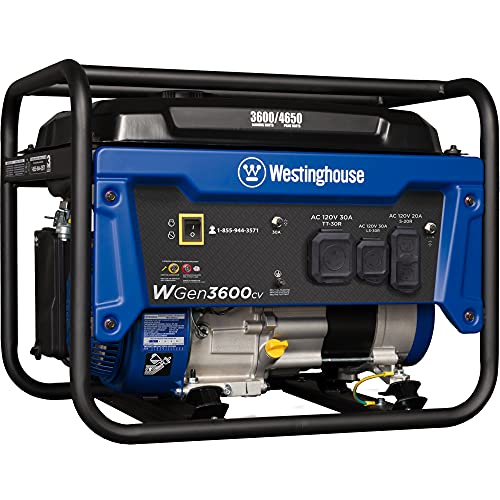
Westinghouse 4650 Peak Watt Portable Generator

Oxseryn Power Equipment 4400 Watts Inverter Generator

Oxseryn 4400-Watts Inverter Generator

AMERISUN 4500W Open Frame Gas Inverter Generator

Champion Power Equipment 4000-Watt Dual Fuel Portable Inverter Generator

DuroStar DS13000MX 13,000-Watt 500cc Dual Fuel Portable Generator

Westinghouse 9500 Peak Watt Home Backup Portable Generator
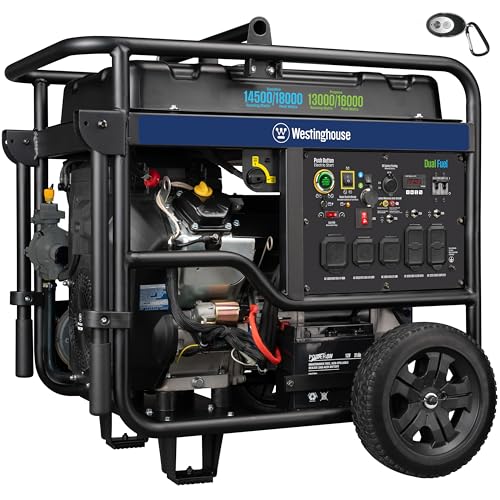
Westinghouse 18000 Peak Watt Dual Fuel Home Backup Portable Generator
More Details On Our Top Picks
For a household that wants a straightforward backup unit without a giant footprint, this Westinghouse lands in the sensible middle. The RV-ready 30A outlet matters because it supports a cleaner hook-up path for travel trailers and many transfer setups, while the built-in CO sensor adds a modern layer of monitoring that many shoppers now expect.
The trade-off is simple: you are looking at a portable gas generator with a modest output tier, so it suits essential circuits more than full-house comfort. Still, for apartments with outdoor storage, townhomes, and weekend campers who want one machine to serve two roles, that balance is hard to ignore.
Strong Points
- RV-ready 30A outlet supports cleaner trailer use and simpler power connections.
- CO sensor is a useful modern safeguard for home backup planning.
- Portable format suits garages, sheds, and tighter storage spaces.
- Gas power keeps fueling familiar for households that already keep fuel on hand.
Things To Consider
- Output sits below the larger home-backup units in this roundup.
- Gas storage and routine engine upkeep add ownership work.
- Best results come with planned placement outdoors and enough clearance around the unit.
Feature Snapshot
Who It Suits Best
This fits you best if you want a portable backup generator for basic home coverage and occasional RV duty.
Where A Sibling Pick Shines
Westinghouse 9500 Peak Watt Home Backup Portable Generator suits you better when you want a larger buffer for transfer-switch use and more household breathing room.
This Oxseryn leans into the inverter side of the category, which usually matters most for homes that care about steadier output and a quieter footprint. ECO mode is the key clue here, because it points to smarter engine speed management during lighter loads rather than running flat out all the time.
Compared with the Westinghouse 4650 above, this one is a cleaner fit for shoppers who value noise control and flexible everyday backup over pure output bragging. In a small yard or near a detached garage, that can be the difference between a machine you tolerate and one you can actually live with.
What We Like
- Inverter design is better suited to steadier household-sensitive power needs.
- ECO mode can help the engine scale down under lighter loads.
- Open-frame layout keeps the build practical for storage and moving.
- RV-ready setup broadens its use beyond emergency household backup.
Worth Noting
- Open-frame styling usually carries more noise than enclosed inverter units.
- Portable generators still ask for fuel planning and periodic maintenance.
- Smaller output class means you’ll want to prioritize essential circuits first.
Details At A Glance
Built With In Mind
You fit this generator best if you want quieter-leaning backup power for smaller homes, garages, or RV-friendly use.
Another Choice May Suit
Champion Power Equipment 4000-Watt Dual Fuel Portable Inverter Generator is the better route for you when fuel flexibility matters more than sticking to gas alone.
Same output class as the other Oxseryn, but the framing here is more direct: backup first, RV second. The 30A outlet gives you a clear path for trailer support, and the open-frame gas setup keeps the package familiar for shoppers who want a straightforward machine rather than a more sealed design.
For a cabin, detached garage, or emergency kit that only needs a sensible amount of electricity, that is enough to matter. It does not try to be the quietest or the most polished unit here, yet it stays easy to understand, and that counts for a lot during an outage.
Highlights
- RV-ready 30A outlet simplifies trailer-oriented use.
- Emergency backup positioning makes the model easy to place in a home plan.
- Open-frame build keeps the machine practical and less bulky than some larger units.
- Gas power remains familiar for routine storage and refueling.
Minor Gripes
- Open-frame designs are usually more exposed to dust during storage.
- Gas maintenance still applies, including oil and fuel care.
- The output ceiling puts it in essential-load territory rather than whole-home territory.
Core Details
Right Fit For
You should look at this one if you want a no-frills backup generator for essential loads and RV hookups.
Look Elsewhere When
AMERISUN 4500W Open Frame Gas Inverter Generator suits you better when you want parallel-ready flexibility and a lighter-feeling portable build.
AMERISUN takes the same practical 4,500-watt class and adds a few features that broaden how you can use it. Parallel-ready means you can connect a second compatible unit later for more output, while Eco Mode helps the engine match load more closely in lighter-use situations.
That makes it a strong fit for RV trips and home emergency backup, especially when you want a machine that feels a little more adaptable than the simpler gas-only picks above. The honest read is that the lighter portable framing is appealing, but you still want to plan for the usual fuel and maintenance habits that come with any gasoline generator.
Upsides
- CO alert adds a current safety-minded feature for home use.
- Parallel-ready design leaves room for future capacity growth.
- 30A RV outlet supports travel and campsite connections.
- Eco Mode can reduce unnecessary engine effort during lighter loads.
- Lightweight portable framing helps with movement and storage.
Areas To Watch
- Parallel use requires a compatible second unit, so expansion is not instant.
- Gas upkeep still needs attention after storage and seasonal use.
- Portable open-frame units are usually less sheltered from dirt than enclosed styles.
Feature Card
Whose Shelf It Belongs On
You fit this generator well if you want an adaptable portable unit for trips, garage storage, and basic home backup.
Where A Sibling Pick Shines
Westinghouse 4650 Peak Watt Portable Generator makes more sense for you when a CO sensor and a more direct gas-only home-backup setup matter more than expansion options.
Dual fuel is the headline here, and that matters because it gives you two fueling paths instead of one. For households that already keep propane around for grills or seasonal use, that flexibility can simplify planning, while the quiet-technology angle points to a more livable machine for camping and close-in backup.
Compared with the gas-only Oxseryn units, this Champion feels more adaptable on paper, though dual-fuel ownership also asks a bit more attention to fuel storage and switching habits. That trade-off often lands well with mixed-use households, especially when the generator has to move between home, RV, and occasional outdoor work.
Best Bits
- Dual fuel support gives you two fueling options.
- RV-ready setup broadens the unit’s job list.
- Quiet-technology positioning suits campsites and neighborhood backup use.
- Portable inverter design is a better fit for more sensitive electronics.
Softer Spots
- Dual-fuel convenience also means more fueling decisions.
- Portable storage still calls for space and seasonal upkeep.
- Four-thousand-watt class output keeps it in the essentials-first range.
Spec Overview
Made For
You are the right fit for this model if you want a flexible inverter generator for home essentials, RV use, and multi-fuel planning.
Swap It Out When
Westinghouse 9500 Peak Watt Home Backup Portable Generator fits better for households that want more reserve power and a transfer-switch-ready backup path.
This DuroStar sits in a different weight class from the smaller picks above. The 500cc engine and 13,000-watt rating point toward serious home backup coverage, and the remote electric start matters more than it sounds when you want a generator that is easier to bring online from a sensible distance.
Transfer-switch readiness also gives the model a clearer place in a home backup plan, which is exactly where a larger portable unit starts to make sense. You will still deal with the usual bulk and fuel-storage responsibilities, so this is less about casual portability and more about a dedicated emergency power strategy.
Reasons To Buy
- Large output capacity suits bigger home-load plans.
- Dual fuel support gives you added fueling flexibility.
- Remote electric start makes startup easier from a distance.
- Transfer-switch readiness helps it fit structured home backup use.
- RV and emergency positioning broadens the unit’s role.
Small Caveats
- Size and weight make routine moving less convenient.
- Large-capacity units need more storage planning and maintenance attention.
- Full backup setups usually require thoughtful installation planning.
Core Details
The Right Fit
You fit this generator best if you want a large portable unit for structured home backup and heavier emergency loads.
Where A Sibling Pick Shines
Westinghouse 18000 Peak Watt Dual Fuel Home Backup Portable Generator is the better match for you when you want even more reserve capacity in a similar transfer-switch-ready format.
Compared with the smaller Westinghouse 4650, this model clearly moves into a more serious home-backup role. The transfer-switch-ready design gives it a place in a structured household setup, while remote electric start and auto choke make startup less fussy than old-school pull-only units.
That combination is especially useful for families that want backup power to feel organized rather than improvised. It still keeps the portable format, so you are not locked into a permanent installation, which is a neat middle ground for many homes.
Positives
- Transfer-switch-ready layout works well in planned home backup setups.
- Remote electric start lowers the hassle of getting power running.
- Auto choke helps simplify cold-start behavior.
- CO sensor adds a current home-use monitoring feature.
- Portable format keeps the unit usable beyond a fixed installation.
Points To Note
- More output usually means more storage room and more weight to manage.
- Gas-powered upkeep still applies over the long haul.
- Transfer-switch use depends on a proper home setup.
Feature Rundown
Who Should Grab It
You should grab this model if you want a portable backup generator that feels closer to a planned home-power setup than a casual camping unit.
Another Choice May Suit
DuroStar DS13000MX 13,000-Watt 500cc Dual Fuel Portable Generator fits better for you when you need more output headroom and dual-fuel flexibility.
This is the heaviest-hitting Westinghouse in the list, and the 18,000-watt peak rating tells you exactly where it belongs in a home plan. Dual fuel support, remote electric start, and transfer-switch readiness give it the kind of setup flexibility that matters most when you want backup power to feel dependable instead of improvised.
For larger homes, or for households that want more reserve capacity than the 9,500-watt model above, this is the more ambitious direction. The trade-off is obvious: more output brings more bulk and more planning, so it suits a serious backup setup better than a casual storage closet.
Best Bits
- Very high peak output supports larger home backup plans.
- Dual fuel operation broadens fueling flexibility.
- Remote electric start makes startup easier in urgent conditions.
- Transfer-switch readiness fits organized household installation plans.
- CO sensor adds a relevant monitoring feature for home use.
Honest Caveats
- Higher capacity usually means more space and more handling effort.
- Fuel management and seasonal upkeep matter more with a large unit.
- It makes the most sense where a proper backup plan already exists.
Technical Sheet
Perfect Match For
You fit this generator best if you want a large-capacity portable backup option for a bigger home and a more formal emergency plan.
Where A Sibling Pick Shines
Westinghouse 9500 Peak Watt Home Backup Portable Generator suits you better when your home needs are smaller and you want a lighter backup commitment.
How To Choose The Right Most Reliable Home Generators
Match Output To The Loads You Actually Keep Running
Start with the devices that matter most during an outage, not with the biggest wattage number on the page. A refrigerator, a few lights, and a modem need a very different setup than a transfer-switch plan that keeps several circuits alive at once.
Smaller inverter units like the Oxseryn models fit a targeted list of essentials, while the DuroStar and Westinghouse backup units live in a much larger power bracket. That difference shapes everything else, from storage to fuel use to how often you can realistically keep the unit on standby.
Choose The Fuel Setup That Fits Your Routine
Gas-only generators keep the routine simple, especially for households that already know how they store fuel and service small engines. Dual fuel adds flexibility, and that matters when you want propane on hand for one season and gas for another.
Champion, DuroStar, and the larger Westinghouse backup model give you that second path, while the gas-only picks stay cleaner in daily decision-making. The trade-off is more moving parts in your planning, so dual fuel makes the most sense when you actually want the choice, not just the label.
Pay Attention To Start Method, Outlets, And Home Hookup
Remote electric start and auto choke make a generator feel less clunky in bad weather or at dusk. Transfer-switch readiness and a 30A RV outlet also tell you a lot about how the unit is meant to be used, because those details determine whether the machine is mainly portable or already thinking like a home backup system.
Westinghouse’s larger units and the DuroStar point toward structured emergency power, while the AMERISUN and Oxseryn picks stay more flexible for mixed use. That’s the real dividing line in this category: convenience features are useful, but the connection style is what decides where the generator belongs.
Think About Storage, Noise, And Maintenance Before You Commit
Open-frame generators are easier to move and often easier to store than boxed-in alternatives, yet they usually ask for more attention to placement and weather protection. Regular oil checks, fuel care, and seasonal run-up habits matter too, especially for households that want a unit to sit ready for months at a time.
In a backyard shed or garage corner, the smaller 4,000 to 4,500-watt units are simpler to live with. Larger backup models give you more power, but they reward you only when you’re willing to give them the space and upkeep they need.
What To Weigh Before You Decide
Mistakes Worth Dodging
A common misstep is buying for peak watts alone and ignoring outlet type or starting method. Another is overlooking storage space, which becomes a real issue once a heavier dual-fuel unit arrives.
You also want to match fuel type to habit, not mood. A generator that needs propane and gas only works smoothly when the fuel plan is already part of your home routine.
The Upgrade Payoff
Higher-tier units usually cost more because they bring more output, dual-fuel hardware, remote start systems, and transfer-switch readiness. That extra hardware matters most in homes that need organized backup power instead of a short-term patch.
Spending up makes sense when outages affect several rooms, or when you want the generator to feel like part of the house rather than a weekend accessory. For lighter use, a smaller inverter model is easier to manage and usually enough.
Frequently Asked Questions
What size generator works for basic home backup?
A smaller inverter generator around the 4,000 to 4,500-watt range can cover essentials in many homes. That usually means a focused list of circuits rather than whole-house service.
Is dual fuel worth it for home use?
Dual fuel helps when you want propane as a second option alongside gas. It works best for households that actually plan to store and rotate both fuels.
What does transfer-switch ready mean?
It means the generator is set up to connect to a compatible transfer switch system. That makes home backup feel more organized and less improvised.
Why does a CO sensor matter?
A carbon monoxide sensor adds another layer of monitoring for portable generator use. It’s especially relevant for home backup planning where placement and ventilation need careful attention.
Which generator style is easier to store?
Open-frame portable units usually take less visual space than larger enclosed home-backup machines. Smaller wattage models are also simpler to move in and out of storage.
Closing Thoughts
The most reliable home generators in this list separate into two clear camps, practical midsize portables and larger backup units built for more serious household coverage. Your best match depends on how much of the house you want to keep moving, how much fuel flexibility you want, and whether a transfer switch is part of your plan. The smaller Westinghouse and Oxseryn options make sense for essentials, while the DuroStar and larger Westinghouse units fit homes that need more reserve power. Choose the machine that matches your real outage routine, not the largest number on the page.
