

Microphone Wireless Converters make sense once you want a cleaner stage, a simpler podcast corner, or a faster church setup without dragging extra cable across the floor. You’ll see a wide spread here, from plug-on XLR systems to a USB-C adapter made for wireless lavaliers, so the right choice depends on your mic, your mixer, and how far you need to roam. Some of these picks favor dynamic microphones, while others fit handheld use, karaoke, or camera work. The trade-off is always the same: more flexibility usually means paying closer attention to compatibility and battery life.
Quick Look At The Shortlist

POGOLAB Wireless Microphone Transmitter Receiver 2.4Ghz

Phenyx Pro PTU-7000-4H 4 Channel UHF System

JOYO MW-2 2.4GHz Wireless XLR Microphone System
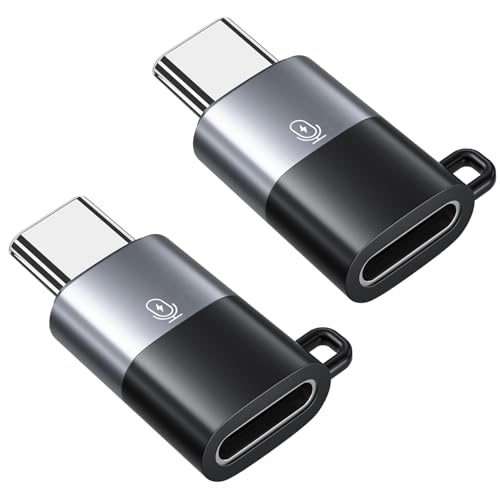
AreMe 2 Pack USB C to Lavalier Microphone Adapter

Ulumac Aroma ARC2 UHF Wireless XLR Transmitter and Receiver

Donner Wireless XLR Microphone Transmitter Receiver CV-2

Bietrun UHF Wireless Microphone Receiver WXM02/WXM04
More Details On Our Top Picks
For a mic that has to move between rehearsal, church, or a small live room, this POGOLAB setup gives you a flexible XLR bridge without a lot of fuss. The 2.4 GHz design matters because it keeps the system in the common short-range wireless band, which is useful for portable rigs and mixers with limited space.
That 48V phantom power support is the key detail here, since phantom power means the mic line can send power to certain condenser mics through the cable path. The trade-off is that you still need to think about pairing and battery management, but that’s a fair exchange for a compact transmitter-receiver format.
Strong Points
- Supports both dynamic mics and condenser mics, so your gear choices stay broader.
- 48V phantom power gives condenser users a practical wiring path for stage or studio work.
- Rechargeable design suits repeat setups, especially in a rehearsal room or portable audio cart.
- The XLR format keeps it familiar for mixers, PA gear, and microphone stands.
Points To Note
- 2.4 GHz gear can be more crowded in homes with lots of wireless devices nearby.
- You’ll want to keep track of charging routines before longer events.
- The small form factor is handy, though it usually means less room for extra onboard controls.
Feature Card
Who Should Grab It
You’re a strong match for this one if you use dynamic mics now but want condenser flexibility later.
Skip It When
Phenyx Pro PTU-7000-4H suits you better for multi-speaker events where four handheld channels matter more than XLR adaptability.
Event hosts and church teams usually look first at channel count, and this Phenyx Pro system gives you four handheld mics in one package. The auto-scan function is useful because it helps the system find usable frequencies without forcing you to sort through the whole radio picture by hand.
The 328 ft range, as listed, gives you room for larger rooms, stages, and open sanctuaries, though real-world placement still matters. Compared with the POGOLAB XLR adapter, this one is much more about group vocal work than mixing in a single mic line.
What We Like
- Four handheld microphones fit panels, worship teams, karaoke nights, and wedding emcees.
- Auto scan takes pressure off setup in busy RF environments.
- 40 frequencies per channel gives you useful tuning room for events with more traffic.
- The listed range supports larger rooms better than compact single-link systems.
Small Caveats
- The system is built around handheld use, so it’s not the neatest choice for lavalier or XLR-only setups.
- Multiple microphones mean more charging, storage, and label management before each event.
- In very crowded wireless spaces, channel planning still deserves attention.
At A Glance
Made For
You’re looking at the right type of system for stage hosts, houses of worship, and event crews that need several wireless handhelds at once.
A Better Fit Elsewhere
Ulumac Aroma ARC2 is the better fit for mixer-based users who want a UHF XLR link instead of handheld mics.
The JOYO MW-2 leans toward portable, performance-minded use, and the 24-bit/48kHz audio path is the detail that stands out first. In plain terms, that means the digital link is aimed at preserving more of the mic signal than a bare-bones wireless adapter usually does.
Its 100 ft range and 4-channel layout make it useful for small stages, camera work, and rehearsal rooms where you want movement without a long cable tail. The 6 to 8 hour battery claim is a practical middle ground, though you’ll still want a charging habit before a long gig.
Reasons To Buy
- 24-bit/48kHz support gives the system a more polished audio profile on paper.
- Four channels open the door to flexible small-venue routing.
- 100 ft range suits compact stages, content shoots, and practice spaces.
- Plug-on format keeps setup direct for dynamic microphones.
- Battery life range is sensible for rehearsals and shorter services.
Room For Improvement
- The range is shorter than the Phenyx Pro system, so larger venues may want more headroom.
- Battery planning matters more once you move beyond a short session.
- The plug-on style is tidy, though it adds another piece to keep organized in a gear bag.
Technical Sheet
Best Suited To
This fits you well for portable gigs, rehearsal rooms, and creators who want a compact XLR wireless link for a dynamic mic.
Consider Something Else When
Donner CV-2 makes more sense for camera-heavy setups that benefit from 24-bit/192kHz support and a more feature-rich signal path.
This AreMe two-pack is the outlier in the group, since it’s a USB-C adapter rather than a wireless transmitter-receiver kit. That makes it useful for wireless lavalier microphones on newer phones and tablets, especially for creator setups that stay close to the device.
The “not for headphone/data” note matters a lot, because it tells you the adapter has a narrow job and shouldn’t be treated like a general-purpose USB-C dongle. You’re looking at a small, straightforward accessory here, which is useful as long as your gear list matches it.
Upsides
- Two-pack format gives you a spare or a simple backup in the kit.
- USB-C male connector fits many newer phones and tablets used for recording.
- Works with wireless lavalier microphone setups instead of forcing a full XLR chain.
- Small size keeps pocket carry and desk storage simple.
Things To Consider
- It is not meant for headphone or data use, so the job is narrow by design.
- You’ll want to match your lavalier system carefully before ordering.
- Adapters are easy to misplace, so keeping one in a cable pouch helps.
Core Details
Whose Shelf It Belongs On
You’re the right fit for this if you record with a wireless lavalier microphone on a USB-C phone or tablet.
Another Choice May Suit
POGOLAB Wireless Microphone Transmitter Receiver 2.4Ghz is the better move for XLR mic users who need a true wireless audio link instead of a phone adapter.
The ARC2 feels aimed at fixed sound setups, especially where an audio mixer, PA, or church board needs a steadier wireless XLR bridge. Its UHF design is worth noting because UHF often gives a different operating feel than 2.4 GHz gear, especially in spaces with multiple wireless devices nearby.
You also get seven channels and a listed 130 ft range, which makes this a sensible middle ground for medium rooms that need more routing flexibility than a simple plug-on set. Compared with the JOYO MW-2, the ARC2 leans more toward system control than audio-resolution talking points.
Highlights
- Seven channels give you room to manage multiple mic paths.
- UHF operation is a practical fit for many event and worship environments.
- 130 ft range is a comfortable target for smaller halls and service spaces.
- Works with mixers and PA systems, which suits installed or semi-installed setups.
Honest Caveats
- The system leans toward structured setups, so casual grab-and-go use may feel less convenient.
- Channel planning is still part of the job with any multi-channel wireless kit.
- More system control usually means a bit more setup time on the front end.
Details At A Glance
Built With In Mind
This suits you best for church sound, PA use, or mixer setups where the XLR path matters more than handheld mics.
Where A Sibling Pick Shines
Phenyx Pro PTU-7000-4H fits better for event teams that need four handheld microphones in one system.
Donner’s CV-2 leans into higher-resolution wireless audio, and the 24-bit/192kHz spec is the first thing many setup-minded users will notice. That kind of detail matters most in camera shoots, mixer feeds, or PA work where you want a cleaner digital path between the mic and the rest of the rig.
Compared with the JOYO MW-2, this one pushes the resolution figure higher, while still keeping the plug-on XLR format familiar. The trade-off is that a more feature-rich adapter usually asks a little more of your setup discipline, especially around pairing and power management.
Best Bits
- 24-bit/192kHz support gives this model a more advanced audio spec sheet.
- Plug-on style works neatly with dynamic microphones and mobile rigs.
- Suitable for audio mixers, PA systems, and camera-linked setups.
- The 2.4 GHz format keeps the unit in a familiar wireless category.
Softer Spots
- The richer feature set may be more than a simple rehearsal room needs.
- Like most plug-on gear, it adds another component to pack and protect.
- Users in crowded wireless environments may still want to think about placement.
Feature Rundown
The Right Fit
You’re looking at a smart match for camera operators, audio mixers, and dynamic mic users who want more audio detail from a compact wireless link.
Swap It Out When
Bietrun WXM02/WXM04 makes more sense for karaoke and receiver-only needs where a simpler UHF setup is enough.
The Bietrun WXM02/WXM04 stands out because it’s a receiver-focused piece rather than a full transmitter-receiver bundle. That can be exactly what you want for karaoke or mixer hookups, especially in spaces where you already have part of the system in place.
Its rechargeable 720mAh battery and 160 ft range make it practical for routine home or venue use, though the receiver-only angle means it’s not a universal answer. Think of it as a tidy component for people who know the rest of their audio chain already.
Positives
- Receiver-only layout keeps the setup straightforward.
- 720mAh rechargeable battery supports portable use between charges.
- 160 ft range works well for karaoke rooms and many PA setups.
- 1/4 inch output fits common mixer and speaker inputs.
Areas To Watch
- The receiver-only design means it’s not the right fit for someone starting from zero.
- Battery upkeep still matters, especially for frequent weekend use.
- You’ll want to confirm that your existing gear uses a matching input path.
Core Details
Who It Suits Best
You’re a good match for this if you already have a karaoke or PA setup and just need the receiver side to complete the chain.
Look Elsewhere When
AreMe 2 Pack USB C to Lavalier Microphone Adapter fits better for mobile creators who need a small USB-C link for a wireless lavalier microphone.
How To Choose The Right Microphone Wireless Converters
Match The Connection Before Anything Else
Start with the connector, not the marketing language. XLR-to-wireless systems suit dynamic microphones, mixers, and PA setups, while the AreMe USB-C adapter is built for wireless lavalier use on phones and tablets.
That difference sounds obvious, but it’s where most mismatches happen. A clean-looking adapter can still be the wrong tool for your mic type, your device port, or your signal chain.
Pick The Band Around Your Space
2.4 GHz models such as the POGOLAB, JOYO, and Donner units fit portable rigs and smaller stages. UHF options like Phenyx Pro, Ulumac Aroma, and Bietrun often make more sense for larger rooms, event work, and setups that need more radio planning.
The band matters because wireless systems share space with other gear. In a home studio, that may be a minor detail, while a wedding hall or church stage makes it part of the setup conversation.
Look Hard At Range And Channels
Range tells you how far the signal is listed to travel, but it does not replace smart placement. A 328 ft system gives you more freedom than a 100 ft unit, yet walls, people, and equipment can still shape the result.
Channel count matters for group work. Four handheld channels suit panels and karaoke crews, while a seven-channel or auto-scan system gives you more room to keep several paths organized.
Think About Power, Portability, And Use Time
Rechargeable gear is easier to live with for recurring gigs, though it asks for charging discipline. Battery windows like JOYO’s 6 to 8 hours or Bietrun’s 720mAh pack are useful guideposts, not magic numbers.
For long services, conferences, or weekend event runs, power planning becomes part of ownership. A compact system can save space in your bag, but it may also leave less room for controls, so ease of use matters as much as raw specs.
A Quick Reality Check Before You Shop
Mistakes Worth Dodging
Many shoppers focus on range alone and skip the connector type. That usually leads to a system that looks right on paper but does not match the mic, mixer, phone, or camera sitting on your desk.
Another common miss is underestimating how much channel count matters. A single link can feel fine for a solo mic, while a four-channel system becomes far more practical for a panel or church team.
The Upgrade Payoff
Higher-tier models usually cost more because they give you more routing, better signal details, or a sturdier event-ready design. The Donner CV-2’s higher-resolution path and the Phenyx Pro’s four-handheld package are good examples of that extra capability.
Spending up makes sense once your setup has to serve more people or more demanding rooms. For a simple desk mic or a small creator setup, a smaller accessory may be enough, and that’s fine too.
Frequently Asked Questions
Are 2.4 GHz wireless mic systems good for small venues?
Yes, they fit compact rooms, rehearsal spaces, and portable stage setups very well. The main trade-off is that crowded wireless environments need a little more attention.
What does phantom power mean on a wireless mic adapter?
Phantom power is power sent through the mic cable path for certain condenser microphones. That feature matters when your mic needs external power rather than just an audio signal.
Do handheld wireless systems work better than XLR adapters?
Neither is universally better, because they solve different problems. Handheld systems suit speaking events and karaoke, while XLR adapters fit mixers, dynamic microphones, and compact stage rigs.
How important is battery life on a wireless converter?
It matters a lot for gigs, rehearsals, and content shoots that run longer than a quick session. A rechargeable model is useful, but you still need a charging habit that matches your schedule.
Can one wireless converter work with phones, cameras, and mixers?
Not usually, because each device class needs different connectors and signal paths. The safest move is to match the adapter or system to the exact gear in your setup.
Closing Thoughts
The right Microphone Wireless Converters make your setup feel cleaner and easier to live with, whether you’re running a church mic, a karaoke night, or a small creator rig. The best fit comes down to the connection type first, then the wireless band, then the range and channel count that suit your room. POGOLAB and Donner lean toward flexible XLR use, Phenyx Pro covers larger handheld needs, and AreMe fills a narrow but useful USB-C role. Choose for your actual gear path, not the longest feature list, and the rest gets simpler.
