

Marine power gets a lot easier when your panel choice fits real deck space, curved surfaces, and the way you actually use your boat. A flexible panel can tuck onto a cabin roof, while a rigid n-type panel makes more sense on a steady mount with room to spare. You also need to think about shade from rails, safety gear, and how often you’ll clean salt spray off the surface. The eight picks below focus on those everyday trade-offs, not just wattage on a page.
Quick Look At Our Top Picks

Renogy Flexible Solar Panel 100 Watt, 240° Ultra Flex Bendable

100W 12V Flexible Solar Panel 9BB Monocrystalline Cell

Renogy ShadowFlux Solar Panels, N-Type Anti-Shading Panels 200W

SUNER POWER Waterproof 30W 12V Solar Battery Charger & Maintainer PRO

N-Type 16BB 400W Bifacial Solar Panel, 2Pcs 200 Watt
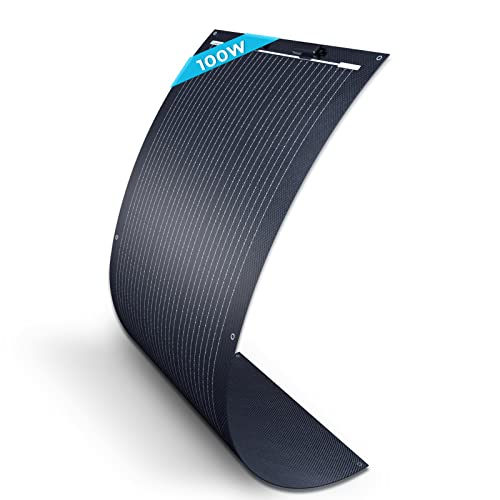
Renogy Flexible Solar Panel 100 Watt, 240° Ultra Flex Bendable

Renogy Solar Panels 200 Watt N-Type, 200W Solar Panel 16BB

Renogy 100W Solar Panel N-Type, 12V 100 Watt Solar Panel 16BB
More Details On Our Top Picks
The big draw here is fit, not bulk. A 0.1-inch profile and a bendable design that handles 240 degrees of curve make this a smart match for boat surfaces that never stay perfectly flat.
That matters on cabin tops and curved hardtops where rigid panels feel awkward. The IP68 rating also points to stronger dust and water resistance, which is the kind of detail that helps on a damp dock or a spray-prone run out to the anchorage.
Strong Points
- Thin, low-profile build sits close to the surface.
- Flexible layout suits curved marine mounting areas.
- IP68 protection supports harsher outdoor exposure.
- Lightweight handling makes roof placement less awkward.
Things To Consider
- Flexible panels usually need careful mounting prep for best adhesion.
- The lower-profile build trades some stiffness for shape fit.
Feature Snapshot
Who It Suits Best
You get the most from this panel on a boat or camper with limited flat space and a curved roof line.
Where A Sibling Pick Shines
Renogy 100W Solar Panel N-Type, 12V 100 Watt Solar Panel 16BB is the cleaner fit for you if a rigid panel with a steadier roof mount matters more than flexibility.
This one stays in the flexible camp, but the monocrystalline cell build gives it a more mainstream solar profile for small marine systems. The 12V format also lines up neatly with common boat batteries, so the setup feels familiar rather than fussy.
Uneven decks, trailer tops, and cabin roofs are the obvious use cases. The honest read is that you still need good mounting practice, because semi-flexible panels can ask a bit more of the installer than rigid frames do.
What We Like
- 9BB cell layout supports a modern panel design.
- Flexible construction works on uneven mounting spots.
- 12V form factor fits common marine battery setups.
- Useful for compact charging on boats and trailers.
Worth Noting
- Semi-flexible panels usually reward careful surface prep and fastening.
- You may want a sturdier frame style for permanent flat roofs.
Core Details
Right Fit For
You fit this panel well if you want a simple 12V flexible option for a trailer, cabin top, or small boat deck.
Skip It When
Renogy ShadowFlux Solar Panels, N-Type Anti-Shading Panels 200W suits you better if your setup sees more shade and needs stronger output per panel.
Shade resistance is the headline here, and that matters more on boats than people often expect. Rails, antennas, and masts can chip away at output, so an anti-shading design gives you a little more breathing room on imperfect installs.
The N-type build and the stated 25% efficiency point make this feel like a serious step up from the flexible 100-watt options above. It makes the most sense for dockside arrays, roof mounts with partial shade, and setups where squeezing more from limited space matters.
Upsides
- Anti-shading design helps in broken light.
- N-type architecture suits higher-efficiency panel goals.
- Works with both 12V and 24V systems.
- 200-watt output suits larger marine charging needs.
- Better fit for boats with real-world shade issues.
Points To Note
- Higher output usually asks for more mounting space.
- Its rigid format is less forgiving on curved surfaces than the flexible Renogy picks.
Technical Sheet
Best Suited To
You suit this panel best if your boat roof sees partial shade and you want stronger output without stacking several smaller panels.
Look Elsewhere When
SUNER POWER Waterproof 30W 12V Solar Battery Charger & Maintainer PRO is the calmer choice for simple maintenance charging on a stored boat or trailer.
Battery maintenance is the whole point here, and the 30W size keeps the setup modest. The built-in MPPT controller, or maximum power point tracking controller, helps the panel work closer to its useful output range by adjusting to changing light.
That makes this a natural fit for boats that sit between outings, especially where a bigger array would be overkill. The waterproof build also suits exposed storage spots, though you’ll still want to keep the panel clean and mounted securely just as you would with any outdoor charger.
Reasons To Buy
- MPPT controller reduces setup clutter.
- 30-watt output fits maintenance charging tasks.
- Good match for boats, trailers, and parked vehicles.
- Waterproof design suits exposed storage areas.
Softer Spots
- 30 watts is for upkeep, not heavy charging.
- Best results depend on sensible sun exposure and placement.
Feature Card
Who Will Love This
You’ll appreciate this most for stored boats, seasonal trailers, and low-drain maintenance jobs.
Another Choice May Suit
Renogy Solar Panels 200 Watt N-Type, 200W Solar Panel 16BB is a stronger fit for you if your boat needs real charging output rather than upkeep.
This setup speaks to bigger energy needs. Bifacial panels can gather light from both faces, so the second side can help in bright environments where reflected light reaches the back of the array.
That dual-module layout makes sense on a roomy roof or dockside platform, and it stands apart from the smaller flexible Renogy options by aiming squarely at higher output. The trade-off is simple, it wants space and a more serious mounting plan.
Highlights
- Bifacial layout can capture reflected light.
- Two 200-watt modules suit larger arrays.
- 16BB cell structure supports a modern panel build.
- 12V and 24V compatibility broadens system fit.
- Strong match for larger marine power plans.
Small Caveats
- Needs more room than a single 100-watt panel.
- Best value shows up on brighter, open mounting spots.
Details At A Glance
The Right Fit
You’re in the right place with this pair if your boat roof or dock platform has room for a larger energy layout.
Reach For A Different Pick When
SUNER POWER Waterproof 30W 12V Solar Battery Charger & Maintainer PRO is the better match for you if all you need is simple battery upkeep.
The black finish gives this version a quieter look than the earlier flexible Renogy pick, which can matter on boats where you want the hardware to blend in. The same 0.1-inch profile keeps it low to the surface, so it feels less intrusive on a compact roof.
That makes it a sensible choice for smaller marine builds, especially where visual clutter matters as much as function. The honest read is that the mounting surface still needs careful prep, because thin panels depend on a clean, even base to stay put well.
Bright Spots
- Low-profile construction sits neatly on the roof.
- Black finish blends into darker marine setups.
- Flexible shape suits curved or slightly uneven surfaces.
- Lightweight handling helps during installation.
Areas To Watch
- Mounting prep matters a lot for thin flexible panels.
- Less structural stiffness than the rigid Renogy N-type panels.
Core Details
Whose Shelf It Belongs On
You fit this panel well if you want a dark, low-profile flexible option for a smaller boat roof.
A Better Fit Elsewhere
Renogy ShadowFlux Solar Panels, N-Type Anti-Shading Panels 200W suits you more if your setup sees patchy light and you want higher output.
Compared with the flexible Renogy panels, this one leans into a more traditional roof-mounted setup. The 200W output and 16BB N-type cell design make it a strong middle ground for marine owners who want more power without jumping to the bifacial pair.
It also supports both 12V and 24V systems, which keeps it useful across different boat electrical setups. For most mid-size cabins and roof racks, that balance of output and compatibility is exactly the point.
Best Bits
- 200-watt output suits mid-size charging demands.
- 16BB N-type design points to a modern panel build.
- Works with 12V and 24V systems.
- Good middle ground between flexibility and high output.
Room For Improvement
- Rigid panels need a steadier mounting surface than flexible options.
- Not as space-saving as the smaller 100-watt Renogy pick.
Feature Rundown
Made For
You’re the right match for this panel if your boat has a stable roof and you want dependable 200-watt output.
Swap It Out When
Renogy Flexible Solar Panel 100 Watt, 240° Ultra Flex Bendable fits you better if your installation surface curves or flexes.
This is the steadier, more straightforward 100-watt rigid option in the lineup. The N-type 16BB cell design gives it a more modern panel makeup than basic legacy-style modules, which should appeal to anyone building a tidy marine array.
It fits compact rooftops, small cabins, and trailer setups where a rigid frame is easier to secure than a bendable sheet. The trade-off is that you give up the curve-friendly flexibility of the first two picks, but you gain a cleaner fixed mount.
What We Like
- 100-watt size suits smaller marine systems.
- Rigid format makes mounting feel straightforward.
- 16BB N-type structure supports a current-minded design.
- Strong fit for compact off-grid setups.
Honest Caveats
- Rigid construction needs a flatter install surface.
- Less adaptable than the flexible Renogy panels above.
Quick Facts
Built With In Mind
You’ll like this one most if you want a compact rigid panel for a small boat, trailer, or camper roof.
Where Another Pick Fits Better
Renogy Flexible Solar Panel 100 Watt, 240° Ultra Flex Bendable is the better match for you if your mounting surface has a curve or a slight crown.
How To Choose The Right Marine Solar Panels
Match The Panel Style To Your Mounting Surface
Curved cabin tops, narrow hardtops, and rail-dodging layouts push you toward flexible panels. Flat roofs and steadier mounts usually suit rigid N-type modules better, because the frame helps with alignment and long-term placement. That distinction matters more on boats than on land, where available surface area can be awkwardly split across hatches, vents, and hardware.
Size Output To Your Real Electrical Load
A 30-watt maintainer works for storage and light upkeep, while 100-watt panels suit smaller daily charging needs. A 200-watt panel or a 400-watt pair makes more sense for bigger battery banks, longer stays away from shore power, or cabin loads that keep running. Think in terms of what your batteries need to recover, not just how much roof space you have.
Shade And Cell Design Deserve Attention
Shading from masts, radar arches, and rails can matter more than the panel wattage printed on the listing. N-type and anti-shading designs help a lot in mixed light, because they hold up better when part of the panel gets blocked. On a boat docked under trees or beside tall gear, that detail can be the difference between steady charging and disappointing output.
Plan For Installation, Cleaning, And Access
Marine panels live with salt, spray, and frequent wipe-downs, so easy access matters. Flexible panels can look neat, but they often demand careful prep, while rigid panels usually need firmer mounts and more straightforward service access. The smoother the cleaning routine and the easier the cable route, the less annoying ownership becomes.
A Quick Reality Check
Common Shopping Slip Ups
A lot of marine setups go sideways because the panel shape doesn’t match the deck. Another common miss is choosing 100 watts for a load that really needs 200 watts or more, which leaves you short on recovery after a day on the water. For smaller boats, that gap shows up fast.
Connector planning matters too, even though listings often focus on the module itself. You still need a mounting path, cable routing, and a charge controller that fit the rest of the system. Skip that step and the panel choice can feel right on paper but awkward in practice.
Where The Extra Money Goes
Higher-tier panels usually spend the extra cost on cell design, shade tolerance, and stronger output density. N-type and bifacial builds are aimed at better performance in real conditions, not just clean lab-style sunlight. That matters most for boat owners who deal with partial shade, limited roof space, or a need to squeeze more from a single array.
The upgrade also makes sense when installation space is expensive in its own way. A cleaner, higher-output module can save you from adding more panels, more cable runs, and more roof clutter. That’s a real-world payoff, not just a spec-sheet one.
Frequently Asked Questions
What size marine solar panel works for a small boat?
A 100-watt panel is a common starting point for compact marine setups. A 30-watt maintainer is better for storage batteries that only need light upkeep.
Are flexible panels better than rigid panels on boats?
Flexible panels fit curved surfaces more easily. Rigid panels usually feel better on flat, stable mounts and often bring a cleaner fixed installation.
Why does shade matter so much on marine panels?
Masts, rails, and deck hardware can block light in small sections. Anti-shading designs help keep output steadier when part of the panel sits in broken sunlight.
What does N-type mean in a solar panel listing?
N-type refers to a cell architecture used in newer panel designs. In practical terms, it often signals a more advanced build than basic older-style modules.
Do I need a 200-watt panel for a boat?
You need that size when your battery use goes beyond light maintenance. For modest loads or storage charging, 100 watts or less can make more sense.
Closing Thoughts
The right marine panel usually comes down to shape, shade, and how much power your boat really needs. Flexible Renogy options fit awkward roofs well, while the Renogy N-type rigid panels give you a cleaner path to stronger output. For storage charging, the SUNER POWER maintainer keeps things simple. Choose the panel that matches your deck, your batteries, and how you use the boat, and the whole setup feels far less fussy.
