

Rechargeable lithium cells have quietly taken over the battery aisle, replacing the old NiMH standbys I used to keep in a kitchen drawer. The shift is real: lithium chemistry holds a steadier voltage under load, shrugs off partial charges, and lasts for hundreds more cycles before it quits. I put this roundup together for anyone trying to keep game controllers alive, trail cameras running through hunting season, or a Lumix camera powered up for a full wedding shoot. The ten picks below cover everyday household cells, camera-specific packs, and a couple of specialty options for DIY and outdoor use.
How The Shortlist Stacks Up
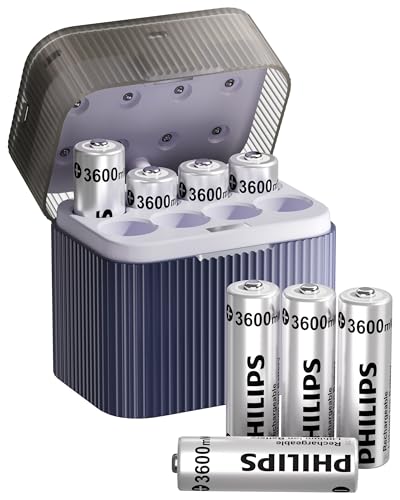
PHILIPS Rechargeable AA Lithium Batteries 8 Pack 1.5V 3600mWh

Replacement Battery 300-10342 for PROSIXC2W Panel

Panasonic DMW-BLG10 Lithium-Ion Battery Pack
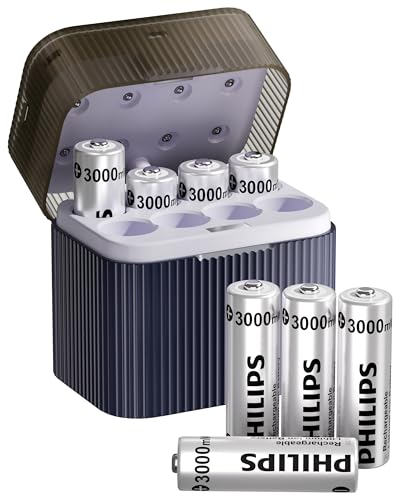
PHILIPS Rechargeable 3000mWh AA Lithium Batteries 8 Pack
12V 6Ah Lithium Battery with LED Indicator for DIY

Batechon Rechargeable AA Lithium with Charger 8 Pack

PHILIPS Rechargeable AAA Lithium Battery 8 Pack 1.5V 1300mWh

PHILIPS Rechargeable AA Lithium Battery 4 Pack 3600mWh

TEMZICK 2-Pack 6000mAh Reveal Lipo Battery Pack EM6

QLRR Rechargeable AA Lithium Batteries with Charger 8 Pack 3600mWh
A Closer Look At Each Pick
For most households I talk to, the top complaint about rechargeable cells is the way voltage sags during a long gaming session, leaving a controller acting sluggish before it dies. This PHILIPS AA pack leans into the chemistry difference: a stated 3600mWh per cell and a 1.5V constant output (the “constant” part is the real win, since alkaline and NiMH slowly taper as they drain). Eight cells cover the typical controller, remote, and toy rotation without anyone rationing batteries.
Long cycle life is the quiet perk here, and it shows up over years rather than weeks. Owners who run the cells through gamepads and high-drain flash units report the cells holding their punch well past the hundredth recharge. Compared to the Batechon pack later in this list, the PHILIPS cells trade a slightly higher capacity claim for a more familiar brand and wider household compatibility.
What Works In Its Favor
- Constant 1.5V output keeps devices running at full brightness and pull strength instead of dimming slowly
- Stated 3600mWh capacity sits well above standard NiMH cells, useful for power-hungry gear like Xbox controllers
- Long cycle life means fewer cell replacements over a household’s lifetime
- AA form factor covers the widest range of remotes, toys, and small electronics
Things To Consider
- Charging hardware is sold separately, so a starter pack adds a second purchase
- Storage matters: lithium cells left fully drained for months can lose capacity faster than NiMH
Who Will Love This
Households with multiple high-drain AA devices and a charger already on hand get the most from this set.
Skip It When
The Batechon 8 Pack with bundled charger suits anyone who doesn’t yet own a compatible charging dock.
Most battery roundups never touch the security panel category, but anyone with a Honeywell PROSIXC2W converter knows the original 300-10342 cell eventually gives up the ghost. This Gikysuiz replacement keeps the panel talking to wireless sensors during a power outage, which is the whole reason the battery exists. At a stated 3.7V and 2480mAh, it lands close to the OEM spec and slips into the same compartment without modification.
For a homeowner, the install is a 10-minute swap: power down the panel, swap the cell, power back up. Compared to the broader AA picks earlier, this one is hyper-specific. That focus is also the trade-off: there’s no household use here, just one job done well.
Where It Excels
- Direct fit for the Honeywell PROSIXC2W wireless converter panel, no rewiring required
- Li-ion chemistry (the rechargeable battery family common in small electronics) holds charge longer on the shelf than older NiMH alternatives
- Compact dimensions match the original compartment
Honest Caveats
- Single-purpose use means it has zero appeal outside of this specific panel model
- Confirming the original battery number before ordering is essential, since fit is non-negotiable here
The Right Fit
Homeowners with a Honeywell PROSIXC2W panel whose backup battery has gone flat for the second or third time.
Look Elsewhere When
The Panasonic DMW-BLG10 serves camera owners; this Gikysuiz pack is not interchangeable with camera gear.
For Panasonic Lumix shooters, the DMW-BLG10 is the cell that almost always shipped in the box. A spare lives in my camera bag, and it has rescued more than one long event shoot. The 1025mAh / 7.4Wh rating translates to roughly 250 to 350 shots per charge, depending on how much video and flash work gets mixed in. It’s the safe choice: same form factor as the original, same charger compatibility.
What I appreciate most is the ecosystem fit. This cell pairs with the DMW-AC8 AC adapter and the DMW-DCC11 DC coupler, so the same pack can run indefinitely on studio power for time-lapse work. Compared to the Gikysuiz security panel cell above, this Panasonic is built for a totally different environment, but both share the same lithium-ion advantage of low self-discharge in storage.
Strong Points
- OEM-grade build means no firmware warnings or compatibility errors on compatible Lumix bodies
- 1025mAh capacity is consistent enough to plan a wedding shoot or full travel day around
- Doubles as a backup power source through the AC adapter and DC coupler for long sessions
Worth Noting
- Capacity is modest by modern mirrorless standards, so heavy video shooters still want two spares
- Sticker fatigue: the price of an OEM cell often pushes casual shooters toward third-party alternatives
Best Suited To
Panasonic Lumix photographers who shoot weddings, events, or long travel days and want a cell that just works without warnings.
Another Choice May Suit
The TEMZICK 2-Pack trail camera batteries fit hunters and wildlife photographers, not Lumix shooters.
Where the first PHILIPS pack is a high-capacity option, this 8-pack leans toward the middle of the capacity range with a 3000mWh rating per cell, and the practical headline is the included charging case. The integrated storage-and-charge design means no more lost batteries in a junk drawer, and the Type-C input (the small reversible USB-C port found on most modern phones and laptops) keeps the cable situation simple. For someone starting from zero rechargeable gear, this is the easier entry point.
Daily-use households running flash units, game controllers, and a rotating stack of remote controls benefit most. Compared to the QLRR 8-pack below, the PHILIPS offers slightly lower capacity per cell but bundles the same all-in-one charging convenience.
Practical Pluses
- All-in-one charging case eliminates the “where’s the charger” scramble
- 1.5V constant voltage keeps performance steady as cells drain
- Smart matching chip reportedly balances charge across all eight cells for even wear
- Eight cells cover a typical household’s full rotation with one to spare
Trade Offs
- 3000mWh per cell is lower than the 3600mWh PHILIPS variant for power-hungry gear
- The case adds bulk for travel kits already loaded with camera batteries
Made For
Households converting from disposables who want a charger and cells in a single box.
Swap It Out When
Gamers running Xbox controllers for hours should step up to the PHILIPS 3600mWh 4-pack for higher capacity per cell.
Sliding away from household cells, the DCDG 12V 6Ah pack lands squarely in hobbyist territory. This is the kind of battery that powers a custom LED bike light, a robotics project, or a small fish-finder on a kayak. The integrated LED battery indicator is the small touch I would want here: instead of guessing how much juice is left, a quick glance at the LEDs tells me whether to wrap up the project for the day.
For most DIY projects, the long cycle life is what closes the deal. The manufacturer states the cell keeps over 80% capacity after 1000+ charge cycles (a “cycle” being one full charge-and-discharge sequence), and a roughly 5-hour recharge window keeps weekend builds moving. Compared to a traditional 12V lead-acid brick of similar capacity, this lithium pack is a fraction of the weight, which matters on a wearable or remote-mount project.
Benefits That Matter
- 12V output matches the lead-acid form factor many existing projects already use
- LED battery indicator removes the guesswork during long builds
- Long cycle life beats lead-acid by a wide margin for frequent-use projects
- Lightweight relative to SLA alternatives (sealed lead-acid batteries, the heavy brick-style cells common in mobility scooters and alarm panels)
Points To Note
- Requires a lithium-compatible charger; an old SLA charger can damage the cells
- 6Ah capacity is modest for sustained high-draw builds, so sizing up is common
Feature Snapshot
Whose Shelf It Belongs On
DIY builders working on 12V projects, from robotics to portable lighting to small kayak electronics.
A Better Fit Elsewhere
Anyone replacing household AA cells should skip this entirely and look at the PHILIPS or Batechon AA packs above.
The Batechon bundle is the one I’d hand to a neighbor with a Blink camera system and a trail camera out back. Each cell is rated at 3700mWh, the highest capacity claim in this AA group, and the included charger is matched to the chemistry, so there’s no guesswork about compatibility. Low self-discharge (the slow energy loss cells experience when sitting idle) is the spec that actually matters for outdoor cameras that sit in a cold tree stand for months between triggers.
For someone with a smart-home setup running on AA cells, the math works out fast. Eight cells means a rotation: four in the Blink, four charging. Compared to the QLRR pack below, the Batechon cells claim a slightly higher capacity but a similar cycle rating, so the choice usually comes down to brand preference and charger design.
Real Benefits
- 3700mWh per cell is the highest AA capacity in this roundup, useful for power-hungry trail cams
- Low self-discharge means cells hold their charge for months on the shelf
- Stated 2000+ cycle rating stretches the per-cell cost down to nearly nothing
- Up to 3.2A discharge supports VR headsets, game controllers, and other demanding gear
Small Caveats
- Charger is single-purpose; using it on non-lithium NiMH cells can be risky
- Smart-home compatibility should be confirmed for any niche camera system before bulk-buying
Perfect Match For
Blink and trail camera owners who want minimal battery swaps across an entire outdoor season.
Where Another Pick Suits Better
The TEMZICK 2-Pack is purpose-built for Tactacam Reveal trail cameras and offers a higher-capacity form factor.
AAA cells are the silent workhorses of a household: TV remotes, wireless mice, small flashlights, electric toothbrushes. The PHILIPS 8-pack addresses the form factor with a 1300mWh per-cell rating, a 1.5V constant output, and the same long-cycle chemistry as the AA sibling above. In a remote-control rotation, that translates to months of use between charges rather than the few weeks typical alkaline cells manage.
Where this pack earns its place is the dedicated 8-slot charging station, which lets every cell charge independently rather than in pairs. Compared to the AA-focused PHILIPS 8-pack earlier, this AAA version trades capacity for the smaller physical size, and most households want one of each on the same charging dock.
Positive Points
- 1.5V constant voltage keeps wireless mice and remotes responding at full strength
- 8-slot independent charging station means no waiting for one cell to finish before another starts
- Long cycle life keeps a drawer full of cells in service for years
Less-Strong Areas
- 1300mWh per cell is lower than typical AA counterparts, so high-drain AAA devices will need more frequent swaps
- Type-C cable is the only included accessory, which is fine for most homes but worth noting for older outlets
Who Should Grab It
Anyone running a household with five or more AAA-powered remotes, mice, or small flashlights will see real savings.
Reach For A Different Pick When
High-drain AAA gear like certain studio flash triggers benefits more from the Batechon AA cells with a dummy adapter.
Some households don’t need eight cells. A pair of Xbox or PlayStation controllers only needs four, and a smaller pack reduces both the upfront spend and the storage footprint. The PHILIPS 4-pack delivers the same 3600mWh per cell and 1.5V constant voltage as the larger 8-pack above, just in a tighter bundle with the integrated 2-in-1 charging and storage box.
Gamers tend to be the buyers who notice voltage sag most, since a fading cell means stick drift and trigger response that suddenly feels off. Compared to the larger 8-pack, the 4-pack version keeps one controller topped up while the other plays, with no wasted inventory.
Advantages To Know
- 3600mWh per cell keeps controllers running for marathon sessions
- Smart charging case doubles as a tidy storage box for the whole kit
- 1.5V constant output prevents the sluggish feel controllers get as cells drain
A Few Limitations
- Only four cells means no spare set on standby for remotes or other devices
- Capacity claim is identical to the larger 8-pack, so the per-cell price tends to run higher
Built With In Mind
Console gamers who run one or two controllers regularly and want a compact dedicated charging solution.
Consider Something Else When
Larger households with mixed AA devices across rooms benefit more from the PHILIPS 8-pack 3600mWh for shared use.
Trail cameras live a harder life than any household remote. The TEMZICK pack steps in for hunters running the Tactacam Reveal X, Pro, Ultra, or SK models who want more time between battery swaps. Each cell carries a 6000mAh rating, and the upgraded LED meter gives a quick status check before the camera goes back up the tree. Solar charging compatibility is the headline feature: a paired solar panel tops the cells up between triggers, which is genuinely useful in late-season setups.
For most backyards with casual wildlife watching, the AA cells above are still the right answer. This pack earns its place when the camera is hours from a charger and needs to keep running through an entire hunting season. Compared to the Batechon AA bundle, the TEMZICK pack uses a different form factor but solves the same problem of extending camera runtime in the field.
What Makes Sense
- Direct compatibility with the full Tactacam Reveal lineup, no wiring modifications
- 6000mAh capacity extends field runtime significantly over standard AA setups
- LED battery meter removes the “did I charge this?” guess before deployment
Potential Sticking Points
- Only fits Reveal-series cameras, so it’s a single-purpose investment
- Lithium polymer chemistry (LiPo, a lightweight lithium variant that trades durability for compactness) tends to prefer partial discharges for longest life; full drains should be avoided
Right Fit For
Hunters and wildlife watchers running Tactacam Reveal cameras in remote locations with limited access to charging.
Not Your Match When
General household AA use belongs to the PHILIPS or Batechon packs; the TEMZICK form factor won’t fit standard remotes.
Rounding out the list, the QLRR bundle covers a lot of bases for the price: eight 3600mWh AA cells and a matching charger in a single box. The 1.5V constant output holds up well under the kind of sustained draw that alkaline cells just cannot match, and the long cycle life is on par with the higher-priced PHILIPS 8-pack above. For most households that want to ditch disposables and stop buying batteries twice a year, this is the most direct path.
The honest read is that QLRR is a less established brand than PHILIPS, so warranty support may be less predictable, but the spec sheet lines up well. Compared to the Batechon 3700mWh bundle, the QLRR offers a slightly lower capacity claim in exchange for what is often a friendlier price.
The Good Stuff
- Eight cells and a charger in one box simplifies the move from disposables
- 3600mWh per cell handles game controllers and high-drain flash units comfortably
- Stated 1200-cycle life means years of household use before noticeable fade
- 1.5V constant output keeps devices running at full strength until the cells are empty
Some Limits To Know
- Brand recognition is lower than the PHILIPS options, so support channels may take longer to reach
- Per-cell capacity is a touch below the Batechon 3700mWh cells for the most power-hungry gear
Who It Suits Best
Households replacing a stockpile of disposable AAs and wanting the simplest single-box solution.
Where A Sibling Pick Shines
The PHILIPS Rechargeable 3000mWh AA 8-pack offers stronger brand backing for shoppers who prioritize warranty support.
What To Weigh Before Choosing Lithium Rechargeable Batteries
Match The Form Factor To The Device
The single biggest mistake is grabbing a high-capacity AA cell when the device actually takes a 3.7V Li-ion pack, or vice versa. Household cells like the PHILIPS AA and AAA packs are interchangeable with disposables at the same size, but specialty batteries (the Gikysuiz panel cell, the Panasonic DMW-BLG10, the TEMZICK trail camera pack) fit only one specific device. Confirming the original battery model number before ordering is the fastest way to avoid a return.
Look At Voltage Behavior, Not Just Capacity
Capacity in mWh (milliwatt-hours, a measure of how much total energy a cell can store) gets all the marketing attention, but the more meaningful spec for high-drain devices is voltage behavior. Lithium-ion cells can hold a flat 1.5V or 3.7V output across most of the discharge cycle, while NiMH cells gradually taper. For game controllers, flash units, and anything with a motor, that flat curve matters more than a small capacity bump.
Consider Cycle Life Over Upfront Cost
A 1200-cycle lithium cell that costs a little more than a 500-cycle alternative pays for itself within the first year for most households. The math gets even better for camera batteries and trail camera packs, where every avoided trip into the field adds up. Higher cycle counts also tend to mean better cell chemistry, which usually shows up in lower self-discharge during storage.
Charging Hardware Matters More Than People Expect
A mismatched charger is the most common cause of premature cell failure. Lithium-ion cells need a charger that monitors individual cell voltage and shuts off at the right point, while older NiMH chargers can overcharge lithium cells. Bundles that include a matched charger (the PHILIPS 8-packs, the Batechon bundle, the QLRR set) remove that risk for first-time rechargeable shoppers.
Key Considerations Across These Picks
Common Shopping Slip Ups
The most frequent error I see is buying a lithium cell based on mAh (milliamp-hours, a capacity rating common on older batteries) instead of mWh. The two measure similar things but use different baselines, so a 2000mAh NiMH cell and a 2000mAh lithium cell deliver very different real-world runtime. Sticking with mWh ratings when comparing across brands gives an apples-to-apples view. The other slip is assuming all lithium cells ship with a charger; many of the higher-capacity AA packs in this list are cells-only, which adds a second purchase to the budget.
When Paying More Pays Off
The premium tier in this category usually buys three things: tighter voltage regulation under load, longer cycle life, and better low-self-discharge behavior. For a household rotation of remotes, the difference between a budget bundle and a premium pack is small. For trail cameras, security panels, and camera bodies that need OEM-grade cells, the premium tier prevents the kind of mid-shoot failure that turns into a much costlier problem.
Frequently Asked Questions
How long do lithium rechargeable batteries typically last?
Most modern lithium cells in this roundup are rated for 1000 to 2000 charge cycles, which translates to roughly three to five years of typical household use before a noticeable drop in capacity. Specialty cells in security panels and trail cameras can last longer when stored at moderate temperatures.
Can I use lithium rechargeable batteries in any device that takes alkaline?
For standard AA and AAA sizes, yes. The constant 1.5V output is a closer match to alkaline than NiMH, so most remotes, clocks, and small electronics work without issue. For specialty sizes (3.7V Li-ion packs in cameras and security panels), the cell only fits the device it was designed for.
Do lithium rechargeable batteries leak less than alkaline?
Generally, yes. Lithium-ion chemistry is sealed and lacks the liquid electrolyte that causes alkaline cells to leak as they age. That alone is a strong reason to switch in devices that sit unattended for long stretches, like a smoke detector or a seldom-used flashlight.
Is it safe to leave lithium cells on the charger overnight?
Most modern chargers in this category, including the bundled options from PHILIPS, Batechon, and QLRR, include overcharge protection that cuts off current when cells hit full. Leaving cells on indefinitely is not ideal for long-term cell health, but an overnight charge is well within the design envelope.
Why do some lithium AA cells have a higher mWh rating than others?
Capacity depends on cell chemistry, internal construction, and the trade-off the manufacturer makes between capacity and discharge rate. A 3700mWh Batechon cell prioritizes runtime, while a 3000mWh PHILIPS cell may offer a slightly higher sustained discharge rate for high-drain gear. Matching the cell to the device is what matters most.
The Takeaway
Lithium rechargeable batteries have matured into a category where household AA, specialty camera packs, and outdoor-ready LiPo bundles all deliver real, measurable gains over older chemistries. The right pick depends less on the brand and more on the form factor and the device. Start with the cells that match what is already in your drawer, and upgrade to specialty packs only when a specific device demands it.
