

Factory stereos often sound fine until you want more control, more bass, or a cleaner amp hookup. That’s where a line output converter earns its keep, turning speaker-level output into a signal your amplifier can use without making the install feel like a tangle of guesswork.
For daily drivers, weekend project cars, and anyone keeping the original head unit, the right converter helps you add power without reworking the whole dash. The choices below lean toward practical installs, steady signal handling, and different levels of tuning control.
Quick Look At The Shortlist
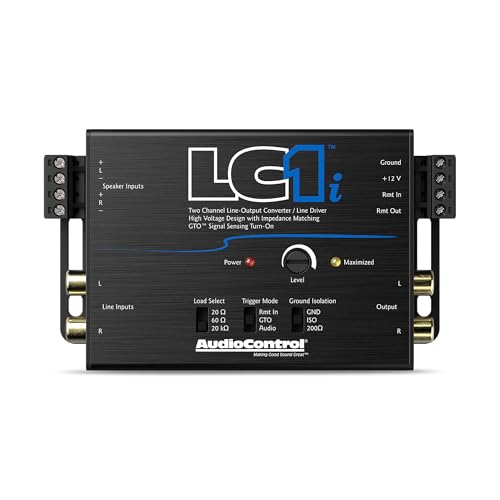
AudioControl LC1i Active 2-Channel Line Driver & Line Output Converter

Skar Audio SKAR2CH-LOC 2-Channel Speaker Wire to RCA Line-Out Converter

PAC SNI-15 Speaker Level to Preamp Adapter

CT Sounds CT-LC2 2-Channel Premium Line-Out Converter with BassLift

PAC LP3-2 L.O.C. PRO Series 2-Channel Line Output Converter
Car Stereo Hight to Low Converter,2-Channel Car Audio Speaker Wire to RCA Line Output Converter

Car Audio Line Output Converter, 2 Channel High to Low Adapter
More Details On Our Top Picks
The LC1i sits in the more serious end of this group, especially for factory systems that need cleaner signal handling before an amplifier or subwoofer gets involved. AudioControl built its reputation around signal processing, so this model makes sense for you if the install has to stay tidy but still needs room to grow.
Compared with simpler converters like the Skar Audio and PNGKNYOCN picks, this one feels more like a bridge between OEM gear and a fuller aftermarket setup. The trade-off is that you are paying for a more involved signal path, so it suits builds where sound quality matters more than bare-minimum simplicity.
Strong Points
- Active line driver design helps preserve signal strength over longer runs.
- Impedance matching supports cleaner integration with factory audio systems.
- Well suited to amp and subwoofer additions without replacing the dash unit.
- Pairs nicely with upgrades that need a steadier preamp signal.
Things To Consider
- The more advanced design makes it less casual than basic speaker-wire-to-RCA adapters.
- Install planning matters, since a cleaner result depends on careful wiring choices.
Feature Card
Who It Suits Best
You benefit most here if you want a factory head unit to feed a more ambitious audio setup without adding clutter to the dash.
A Better Fit Elsewhere
PAC SNI-15 is a simpler match for straightforward factory-radio amp installs where you want fewer moving parts.
This Skar Audio unit keeps the job direct, turning speaker wire into RCA signal for a basic amplifier add-on. That simple shape is useful in daily-driver installs, especially because it works with OEM radios, aftermarket radios, and smart radios.
Compared with AudioControl’s more signal-focused LC1i, this one feels more like a practical conversion piece than a tuning tool. The honest read is that it makes the most sense for you when the goal is to get sound moving cleanly, not to add extra controls or deeper system shaping.
What We Like
- Wide radio compatibility makes it easy to slot into many installs.
- Two-channel layout keeps the wiring path compact.
- Good fit for adding an amp without replacing the factory unit.
Areas To Watch
- It leans basic, so you may want a more feature-rich unit for fine tuning.
- Like most simple converters, clean wiring helps keep noise issues under control.
Quick Facts
Whose Shelf It Belongs On
You fit this pick well if you want a straightforward path from speaker wire to RCA with broad radio compatibility.
Where A Sibling Pick Shines
CT Sounds CT-LC2 is the stronger match for bass tuning in a system where you want a little more shaping control.
The PAC SNI-15 is built for the kind of install where you just want the factory radio to feed an amplifier without drama. Its 20 to 20,000 Hz span matters because that range covers the part of the audio band most people expect a preamp adapter to pass along without obvious loss.
Compared with the Skar Audio option, this one feels a little more established in the category and a bit less barebones in spirit. You may find it especially useful in older vehicles or simple system add-ons where a stable adapter matters more than extra features.
Positives
- Broad frequency coverage supports full-range stereo signal transfer.
- Useful for adding an amplifier to a factory radio.
- Straightforward form keeps the install path simple.
- Universal fit makes it easier to plan around standard setups.
Softer Spots
- It stays focused on one job, so tuning extras are limited.
- Wire management still matters, especially in cramped dash spaces.
Details At A Glance
Made For
You are the right fit for this adapter if you want a dependable, low-fuss bridge from speaker output to preamp input.
Swap It Out When
AudioControl LC1i makes more sense for you when the build needs active line driving and more signal control.
CT Sounds gives you a converter aimed at bass-heavy setups, and the BassLift function is the clue that matters here. That extra shaping can help a subwoofer system feel more alive after the factory head unit hands off its signal.
Compared with the PAC SNI-15, this one leans more toward customization than plain conversion. The trade-off is a slightly more specialized feel, so it makes the most sense in builds where low-end control matters enough to justify a more feature-forward unit.
Highlights
- BassLift gives you extra low-end shaping support.
- Two-channel layout keeps it practical for common car audio paths.
- Good match for subwoofer-oriented upgrades.
- Premium positioning suits systems that need more than a basic adapter.
Points To Note
- Bass-focused features can be more than you need for a plain amp add-on.
- More feature depth usually means more setup attention during installation.
Spec Overview
The Right Fit
You suit this pick best if your setup leans toward subs and you want more control over low-frequency output.
Consider Something Else When
PAC LP3-2 fits better for you when the priority is high-power signal handling rather than bass shaping.
The LP3-2 leans toward tougher factory outputs, which is why it belongs near the top of a list like this. PAC’s PRO Series framing tells you the target use: keeping the radio-to-amp handoff sane while preserving audio quality.
Compared with the CT Sounds option, this model is less about bass shaping and more about handling a strong input signal cleanly. For trucks, older cars, and installations where the source puts out a lot of speaker-level energy, that extra headroom can matter quite a bit.
Best Bits
- Built for high-power line output conversion.
- Helps optimize the handoff between radio and amplifier.
- Universal fit gives you broad install flexibility.
- Good match for systems that need a steadier signal path.
Minor Gripes
- It is focused on core conversion, so feature extras stay limited.
- For simple setups, the PRO-level approach may be more than you need.
Core Details
Best Suited To
You get the most from this unit if your factory stereo pushes a stronger signal and you want a sturdier conversion stage.
Look Elsewhere When
Skar Audio SKAR2CH-LOC makes more sense for a simpler, lower-commitment install.
This PNGKNYOCN converter is about plain usefulness, not polish. It takes stock stereo speaker output and turns it into RCA line level for an aftermarket amplifier or subwoofer, while aiming to keep interference, static, and hum down.
Compared with PAC’s LP3-2, it reads as a simpler entry point for smaller projects. That makes it a decent fit for you if the install is a first step into car audio upgrades and you want a direct signal path without extra complexity.
Reasons To Buy
- Direct speaker-to-RCA conversion keeps the concept easy to follow.
- Designed for adding an amp or sub to a stock stereo.
- Noise reduction focus helps in everyday installs.
- Fits well in straightforward upgrade paths.
Room For Improvement
- The name and presentation feel less polished than the more established brands here.
- Basic hardware can leave less room for tuning flexibility.
Feature Rundown
Who Will Love This
You are the right fit for this converter if you want a simple way to feed an amp from a stock stereo.
Reach For A Different Pick When
AudioControl LC1i suits more serious sound-focused builds where cleaner signal control matters more.
This Gulfmew unit stands out for practical extras, especially the 16-foot cable and the 3.5 mm bass knob. That remote control is handy in larger cabins or tucked-away installs, since you can place the adjustment point where it’s easiest to reach.
Compared with the compact PNGKNYOCN converter, this one feels more installation-friendly for setups that need the control point away from the main box. For road-trip builds, trunks, and cargo-area amp locations, the longer cable can make routing feel less cramped.
Upsides
- Long cable gives you more freedom in mounting and routing.
- Remote bass knob adds convenient low-end adjustment.
- Compact housing helps with tight install spaces.
- 12V DC and 50W per channel suit modest audio setups.
Honest Caveats
- The extra cable and remote add parts to manage during installation.
- It looks better suited to compact or moderate builds than heavy audio overhauls.
Feature Snapshot
Whose Shelf It Belongs On
You benefit most if you want a tidy high-to-low adapter with remote bass control and a longer cable run.
Another Choice May Suit
CT Sounds CT-LC2 is the better match for you when bass tuning matters more than cable reach.
How To Choose The Right Line Output Converters For Car Stereo
Match The Converter To Your Factory Head Unit
Your first decision is signal source, because the converter has to fit the way your stereo sends audio. Speaker-level output needs a different path than a cleaner preamp-style feed, and that choice affects how much cleanup or control you’ll need later.
Cars with stubborn factory systems usually benefit from units with stronger signal handling, like AudioControl or PAC’s LP3-2. Simpler installs can get by with direct speaker-wire-to-RCA models, which keeps the wiring shorter and the setup easier to follow.
Think About The Kind Of Upgrade You Want
A subwoofer-only add-on does not ask for the same converter features as a full multi-amp build. Bass-focused models like CT Sounds CT-LC2 make more sense when low-end shaping matters, while a basic adapter works fine for a single amp behind the factory radio.
You also need to think about where the gain control lives, because some installs are easier to fine-tune from the front seat or cargo area. A remote bass knob, like the one on the Gulfmew unit, helps when the amp sits far from the dash.
Check Compatibility, Noise Handling, And Installation Space
Compatibility is broader than channel count, since some converters work better with OEM radios, aftermarket decks, or smart radios. The Skar Audio unit is a good example of a wider-fit option, which can save time in mixed-system builds.
Noise handling matters just as much. Clean signal transfer, careful grounding, and sensible cable routing help reduce hum and static, especially in older vehicles where the wiring already has years on it.
Choose Features You Will Actually Use
Extra features are useful only when they match the job. A long cable, compact housing, or impedance matching can all make the install easier, but each one carries a trade-off in complexity, cost, or space.
For most daily drivers, the smartest move is a converter that solves your actual problem without adding clutter. That keeps the system easier to maintain, and it leaves less room for fiddly setup work later.
What To Weigh Before You Start Shopping
Mistakes Worth Dodging
One common miss is choosing a converter that sounds fancy but does not match the vehicle’s stereo output. Another is forgetting that poor wiring can create noise even when the box itself is fine.
It also helps to avoid oversizing the feature set. A simple commute car usually does not need extra bass shaping, while a serious audio build may feel underfed by a bare-minimum adapter.
The Upgrade Payoff
Higher-tier units usually cost more because they do more than basic signal translation. Better channel handling, stronger input tolerance, and extra control features take more design work, and that shows up in the final hardware.
That extra spend starts to matter in louder systems, older factory radios, or setups where signal cleanliness has to stay consistent. For a casual amp add-on, the premium may feel unnecessary, but for a more polished build it can save headaches.
Frequently Asked Questions
What does a line output converter do in a car stereo setup?
It changes speaker-level audio into a signal an amplifier can accept. That lets you keep the factory radio while adding aftermarket power.
Do you need a converter for every amplifier install?
No, not every setup needs one. Factory radios usually do, while some aftermarket head units already provide the right output type.
How many channels should you choose?
Two-channel units cover many front-stage or sub-only installs. More complex systems may need a different signal layout, depending on how the amp is wired.
Why do some converters include bass control?
Bass control gives you a way to adjust low-end output from a more convenient spot. That helps in vehicles where the amplifier is mounted away from the dash.
What causes hum or static after installation?
Poor grounding and messy cable routing are common causes. A cleaner install usually starts with solid connections and a sensible signal path.
Closing Thoughts
The right line output converter should feel like a clean handoff, not another project inside the project. For a simple factory-radio upgrade, a basic adapter can be enough, while more serious audio builds benefit from stronger signal control, bass tuning, or longer routing options. AudioControl and PAC cover the polished end, Skar Audio and PNGKNYOCN keep things straightforward, and Gulfmew adds useful reach. Match the box to the stereo, the amp, and the way you actually drive, and the rest gets much easier.
