

Lead acid batteries quietly run a huge slice of daily life, from emergency exit signs in office hallways to the trolling motor on a fishing boat. Picking the right one usually comes down to voltage, capacity, terminal type, and the physical space it needs to fit. I put together this list for shoppers who want a reliable cell without wading through dense spec sheets.
The Shortlist At A Glance
The Shortlist At A Glance

Miady 6V 5Ah Rechargeable Sealed Lead Acid Battery (6 Pack)
GrenerPower 12V 100Ah LiFePO4 Lithium Battery Group 24

Battery Hawk 20-Pack 6V 4.5Ah SLA UB645 Replacements

Mighty Max 12V 15Ah F2 Fish Finder Battery

Battery Hawk 5-Pack ELB-0604 6V 4.5Ah SLA
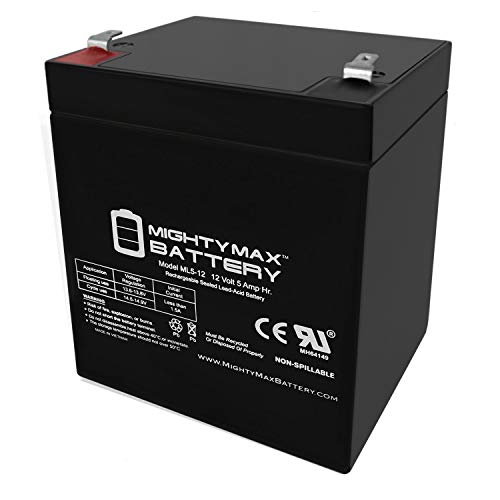
Mighty Max ML5-12 12V 5Ah Garage Door Battery

PowerStar 12V 18Ah SLA for Briggs & Stratton

Battery Hawk UB645 6V 4.5Ah SLA Single Pack

Battery Hawk 2-Pack UB645 6V 4.5Ah SLA

Mighty Max 4V 4.5Ah SLA Toyo Replacement
A Deeper Look At The Lineup
A six-pack of compact 6V 5Ah sealed lead acid cells aimed squarely at ride-on toys, small emergency lights, and hobby electronics. Each unit measures 2.68 by 1.77 by 3.86 inches and ships ready to drop into most Power Wheels and similar applications without modification. The sealed AGM (absorbed glass mat, a design where the electrolyte is held in fiberglass mats instead of pooling as liquid) construction means no spilling during normal handling, which matters when kids are involved.
For most households with one or two ride-on toys, this pack gives years of swap-ready replacements in a single purchase. Compared to the heavier 12V fish finder and UPS cells covered later, these are the lightweight end of the family. They also work for low-drain alarm panels, so they pull double duty in homes with mixed gear.
Where It Helps
- Six units let a parent rotate or replace a few dead toys without reordering, which most families find handy during birthday season.
- Sealed AGM design means the cells can be mounted in different positions without leaks, useful in cramped toy battery bays.
- Compact dimensions drop into standard Power Wheels and similar 6V ride-on housings without trimming.
- Stable performance across a wide temperature range keeps them serviceable in garages and shaded outdoor enclosures.
Worth Noting
- These are not deep-cycle cells; running them all the way down shortens service life, so a periodic top-up charger pays off.
- The 6V 5Ah rating is modest, so heavier ride-on models with extra motors may feel underpowered compared to higher-capacity packs.
Who It Suits Best
Families with one or more 6V ride-on toys who want a multi-pack ready for the inevitable dead cell at the worst possible moment.
Swap It Out When
Anyone running 12V gear like a fish finder or garage backup should skip this and look at the Mighty Max ML5-12 instead.
A 12V 100Ah lithium iron phosphate (LiFePO4) cell sized to the Group 24 footprint, with cylindrical Grade A+ cells inside and a 100A battery management system (BMS, an electronic circuit that protects against overcharge, overdischarge, and short circuits) for safety. The published cycle life of around 15000 cycles makes it the most reuse-friendly option on the list by a wide margin. It is built for stationary home energy banks, RV house banks, and trolling motor setups where a long-lived drop-in is the goal.
Unlike the sealed lead acid cells earlier in this lineup, this one is a chemistry upgrade. LiFePO4 weighs roughly half of an equivalent lead acid bank and holds voltage more steadily under load. That matters when a trolling motor pushes hard for an hour, or when an off-grid inverter pulls through evening loads. The five-layer BMS protection also reduces the chance of a thermal incident, which gives it a useful safety edge in enclosed cabin spaces.
Benefits That Matter
- 15000-cycle rating means years of daily cycling before capacity fades, which is the central selling point for off-grid shoppers.
- 100A BMS supports serious inverter and trolling motor draws without triggering protective shutoffs.
- Group 24 sizing lets the cell drop into existing battery trays built for that footprint, simplifying RV swaps.
- Lower weight than a comparable SLA bank, which helps vehicles stay closer to their payload ratings.
Trade Offs
- It costs more per amp-hour up front than any sealed lead acid option here, so the math only works for long-term owners.
- Charging requires a LiFePO4-compatible charger or a solar charge controller set to the right profile, an extra step many first-timers overlook.
Feature Snapshot
Made For
RVers, off-grid cabin owners, and anglers running a trolling motor who want a long-life lithium bank without custom fabrication.
Look Elsewhere When
Anyone needing simple emergency exit sign backups should reach for the Battery Hawk UB645 single pack instead.
A twenty-pack of 6V 4.5Ah sealed lead acid cells aimed at facilities with many exit signs, emergency lights, or compatible alarm backup circuits. Each unit measures 2.75 by 1.86 by 3.09 inches with F1 terminals (0.187 inch spade connectors), matching the PS-640, WP4.5-6, SW645, SB604B, and similar models that show up across commercial fixtures. For building managers this kind of bulk pricing is the only sensible way to refresh aging emergency lighting on a budget cycle.
Compared to the smaller two-pack and single-pack options later in this list, this is the warehouse-scale version. The trade-off is shelf space: twenty cells take up real room. Most facility managers rotate them through fixtures as cells age out, which keeps spares on hand for the next round of replacements.
Notable Upsides
- Twenty units cover a mid-sized building’s exit sign inventory in a single order, cutting reorder frequency.
- F1 terminals and standard dimensions match the most common 6V 4.5Ah fixtures, reducing wiring rework.
- Bulk format lowers the cost per cell noticeably compared to singles or two-packs.
Points To Keep In Mind
- Twenty cells is overkill for a homeowner with one or two exit signs; the five-pack below is a better fit there.
- SLA cells self-discharge on the shelf, so a rotation plan matters to avoid reaching for a stale spare during an emergency.
Best Suited To
Property managers and facility maintenance teams refreshing a portfolio of exit signs and emergency lights on a planned cycle.
Reach For A Different Pick When
Homeowners with only a couple of fixtures should grab the Battery Hawk 2-Pack UB645 for a more practical quantity.
A 12V 15Ah sealed lead acid battery built as a direct replacement for Hummingbird and similar fish finder units. The dimensions come in at 5.94 by 3.86 by 3.98 inches with F2 terminals, and the cell carries UL certification for added peace of mind on the water. Wide operating temperature tolerance is the practical detail that matters most for anglers who fish in early spring or late fall conditions.
For a day on the water with a graph running and a few accessories plugged in, this 15Ah capacity gives enough headroom without forcing a giant deep-cycle box onto a small jon boat. Compared to the higher-capacity PowerStar unit below, this one is purpose-built for portable electronics rather than generator backup. Many owners also pair it with a small inverter for charging a phone or running LED spreader lights.
Notable Gains
- Wide temperature tolerance keeps output steady on cold morning launches, which is when lead acid often disappoints.
- Spill-proof AGM construction lets the cell ride in any orientation inside a console or under a seat.
- Shock and vibration resistance suits marine environments where the hull takes constant flex and slap.
Honest Caveats
- 15Ah is generous for a fish finder but tight if someone adds a livewell pump or other heavy accessory to the same circuit.
- Listing ships the battery only, so plan to reuse existing leads and mounting hardware.
Perfect Match For
Anglers running a Hummingbird or similar fish finder on small boats who need a reliable cold-start battery each trip.
Where A Sibling Pick Shines
Anyone backing up a generator or UPS should look at the PowerStar 12V 18Ah cell for its higher capacity and nut-and-bolt terminals.
A modest five-pack of ELB-0604 sealed lead acid cells intended for exit sign and emergency light refresh work. Each cell is a 6V 4.5Ah SLA, and the pack format fits the sweet spot for a small storefront, office suite, or church hall with a handful of fixtures. For shoppers who find the twenty-pack above too large and the two-pack too small, this middle option lands cleanly.
The cells share the F1 terminal standard that nearly every modern exit sign battery uses, so swapping is generally a quick pop-and-go. Compared to the single-pack UB645 reviewed later, this is the bulk option that still fits inside a kitchen drawer.
Everyday Perks
- Five units cover a small facility’s exit light fleet without paying for twenty spares.
- Standardized UB645 form factor minimizes compatibility headaches during a refresh.
- Compact size keeps storage simple on a janitorial shelf or in a maintenance closet.
A Few Limitations
- Fewer cells than the twenty-pack means per-unit cost is higher, which adds up across multiple orders.
- SLA cells lose charge sitting on a shelf, so rotating older stock first becomes important.
Right Fit For
Small office managers or homeowners maintaining five or fewer emergency exit fixtures over a refresh cycle.
Skip It When
Larger facilities should move up to the Battery Hawk 20-Pack for the per-cell savings and fewer reorder headaches.
A 12V 5Ah sealed lead acid cell built as a Chamberlain 41A6357-1 garage door opener battery replacement. At 3.58 by 2.76 by 4.21 inches with F1 terminals, it slips into the small backup compartment on most modern opener heads. For homeowners who have watched their garage door refuse to open during a power outage, this is the cell that gets the door moving again.
Compared to the heavier fish finder battery above, this one is much smaller and lighter, but it only needs to deliver brief motor current during a power-loss event. That narrow duty cycle means SLA chemistry is perfectly suited here, and the savings over a lithium upgrade are hard to justify for a one-time annual test.
The Value In It
- Compact footprint drops directly into Chamberlain and similar opener backup trays without modification.
- UL certification gives a baseline of manufacturing oversight that many cheap replacements lack.
- SLA/AGM construction handles the wide garage temperature swings from summer to winter.
Potential Drawbacks
- Listing includes only the battery, so the existing wire harness and mounting hardware have to be in good shape already.
- 5Ah is enough for a few open and close cycles, not for extended off-grid operation, which is worth knowing before relying on it.
Feature Snapshot
Who Should Grab It
Homeowners with a Chamberlain or compatible opener who want a like-for-like backup battery swap on a quiet weekend.
Not Your Match When
Anyone needing high-capacity backup for a generator or trolling motor should pick up the PowerStar 12V 18Ah cell instead.
A 12V 18Ah sealed lead acid battery designed for Briggs and Stratton generator models B4489GS and 193043GS, and compatible with UPS backup systems. The cell measures 7.17 by 3.03 by 6.57 inches and uses nut-and-bolt terminals, which are sturdier than the spade F1 type used on smaller cells. For a homeowner generator that sits idle most of the year and only fires during an outage, this is the kind of replacement that brings the unit back to factory behavior.
Compared to the Mighty Max 15Ah fish finder battery above, this one pushes higher capacity and uses terminals that handle heavier cables. That is meaningful when the battery is feeding a starter motor rather than a low-draw fish finder.
What Pays Off
- 18Ah capacity covers the heavier starter draw on small generator engines without sagging voltage.
- Nut-and-bolt terminals accept thick battery cables that spade connectors cannot, an important detail for starter circuits.
- Wide operating temperature range keeps the cell ready in an unheated garage or shed where generators often live.
- Compatible footprint also lets it serve UPS banks with similar voltage and capacity requirements.
Where It May Fall Short
- Heavier and larger than the smaller cells above, so it only fits where the original generator tray allows.
- Listing ships the battery and screws only, which is worth checking before ordering replacements for the cables.
Quick Facts
Whose Shelf It Belongs On
Homeowners maintaining a Briggs and Stratton generator or a similarly sized UPS backup who want a drop-in replacement cell.
A Better Fit Elsewhere
Anyone running a trolling motor or RV house bank should reach for the GrenerPower 12V 100Ah LiFePO4 instead.
A single 6V 4.5Ah sealed lead acid cell aimed at one-off exit sign and emergency light replacements. The cell uses F1 terminals at 0.187 inch and serves as a direct UB645 replacement for the SLA0905 line found in many commercial fixtures. For a homeowner with a single exit light that just stopped passing its monthly check, this is the lowest-friction way to bring it back to code.
Where the multi-packs above are about efficiency at scale, this single pack is about not buying more than needed. That makes it the right call for one light in a stairwell, garage, or basement, where buying a five-pack would mostly mean storing extra cells that slowly self-discharge.
What Stands Out
- Single-pack format matches the actual need for most homeowners with one exit light fixture.
- F1 terminals slide onto the factory wiring harness without adapters or new connectors.
- Standard UB645 form factor keeps installation quick.
Smaller Caveats
- Per-cell cost is higher than the multi-packs, which matters if more than one light eventually needs service.
- SLA chemistry means a slow shelf discharge, so leaving it in a box for years without testing is risky.
Built With In Mind
Homeowners with a single exit sign or emergency light who need a one-cell swap rather than a bulk refresh.
Not Your Match When
Anyone maintaining several fixtures should pick the two-pack version below for a more economical per-cell price.
A two-pack of 6V 4.5Ah sealed lead acid cells in the UB645 form factor, sized at 2.75 by 1.86 by 3.09 inches each with F1 spade terminals. This is the middle-ground option between the single-pack above and the larger facility packs earlier in the list. Most households with two exit fixtures, a stairwell light, and a basement backup would land on this exact configuration.
For the homeowner with one dead light today but another aging one nearby, the two-pack is the realistic hedge. Buying the second cell now costs less than reordering later, and the spare stays ready as a known-good replacement when the second fixture finally gives up.
The Practical Payoff
- Two cells cover a small home’s exit light inventory without the bulk of a five-pack.
- Standardized UB645 dimensions match nearly every compatible fixture on the market.
- F1 terminals keep the swap as simple as sliding off the old spade connector.
Things To Weigh
- Extra cells still self-discharge, so checking voltage on the spare once or twice a year is a sensible habit.
- Per-cell cost sits between the single pack and the bulk twenty-pack, which may feel middling to budget shoppers.
Right Fit For
Homeowners with two or three emergency fixtures who want a sensible spares kit without committing to facility-scale quantities.
Skip It When
Larger buildings with many fixtures should jump to the Battery Hawk 20-Pack for noticeably better unit pricing.
A 4V 4.5Ah sealed lead acid cell aimed at the niche Toyo 2FM4.5 family of equipment, with a slender 1.89 by 1.89 by 4.25 inch footprint and F1 terminals. This is a specialty pick for older emergency lighting units, vintage alarm panels, or other low-voltage gear that does not run on the more common 6V or 12V chemistry. Finding a fresh cell for these older devices is the main reason this product shows up on a list at all.
For anyone chasing a drop-in replacement for a 4V device, this is one of the few mainstream retail options. Compared to the 6V 4.5Ah UB645 cells above, it is the rare bird that solves an awkward gap in the market rather than competing head-to-head.
Everyday Advantages
- 4V output matches the Toyo 2FM4.5 and similar low-voltage fixtures that 6V cells would overdrive.
- Compact square footprint fits the tight battery compartments common in older emergency units.
- UL certification gives a baseline of safety oversight despite the niche application.
Worth Bearing In Mind
- 4V output limits use to devices specifically designed for that voltage, which is a narrower pool than the 6V cells above.
- Spare stock for these niche cells tends to be thinner, so shopping around for availability is worth a few minutes.
Quick Technical Notes
Built With In Mind
Owners of vintage emergency lights, alarm panels, or other Toyo 2FM4.5 compatible devices who need a 4V replacement cell.
A Better Fit Elsewhere
Anyone running modern 6V or 12V fixtures will find a wider selection and easier sourcing in the Battery Hawk UB645 lineup.
Matching A Battery To The Job
Choosing the right lead acid battery starts with three numbers: voltage, capacity in amp-hours, and the physical size of the bay it has to fit. Voltage is non-negotiable. A 6V cell in a 12V circuit will not power the device, and a 12V cell in a 6V fixture risks burning out the electronics, which is why every battery in this list clearly states its voltage on the label. Capacity, measured in amp-hours (Ah), tells you how long the cell can sustain a load before recharging. A garage door opener that draws a small burst needs far less capacity than a trolling motor running all afternoon.
Common Use Cases And What Fits
Emergency exit signs and alarm backup panels almost always want a 6V 4.5Ah cell in the UB645 family, which is why those multi-packs from Battery Hawk appear so heavily on this list. Garage door openers typically use a 12V 5Ah cell similar to the Mighty Max ML5-12. Marine fish finders and small UPS banks trend toward 12V 15Ah to 18Ah, which is where the Mighty Max 15Ah and PowerStar 18Ah options live. RV and off-grid house banks are the natural home of larger lithium packs like the GrenerPower 12V 100Ah.
Reading The Specs That Actually Matter
Beyond voltage and capacity, terminal type (F1 spade versus nut and bolt) determines whether the existing wiring harness fits without modification. Operating temperature range matters for any cell that lives in an unheated garage, shed, or boat console. UL certification, where present, signals that the manufacturer submitted the cell to a third-party safety test, which can matter for code-driven installations.
Maintenance And Long-Term Ownership
Sealed lead acid cells are largely maintenance-free compared to flooded batteries, but they still self-discharge slowly on a shelf. A monthly or quarterly voltage check on stored spares prevents the disappointment of grabbing a stale replacement during an outage. Recharging SLA cells every few months, even when unused, also extends service life noticeably. For anyone upgrading from SLA to lithium, remember that lithium cells need a compatible charger profile, which is an extra step worth budgeting for.
What To Watch Out For Before Buying
Pitfalls Shoppers Hit
The most common mistake is grabbing the cheapest compatible-looking cell without checking the terminal type. An F1 spade terminal and a nut-and-bolt post are not interchangeable, and forcing the wrong one leads to wobbly connections or arcing. Voltage mismatches are the second trap: a 4V cell in a 6V fixture will underpower it, and a 12V cell in a 6V fixture risks damaging the connected device. Reading the original battery label before ordering saves both headaches.
Where The Extra Money Goes
Stepping up to a higher-capacity cell often means a heavier, larger footprint, which is a real constraint inside small generator trays or compact opener housings. Paying more for lithium, as in the GrenerPower option, buys longer cycle life, lighter weight, and steadier voltage under heavy load. The upgrade is worth it for daily-cycling applications like RV house banks or off-grid solar, but overkill for an emergency exit light that might discharge once a year.
Frequently Asked Questions
What Is The Lifespan Of A Sealed Lead Acid Battery?
Most SLA cells last 3 to 5 years in standby applications like exit signs and UPS backups, with shorter service in deep-cycle daily use. Storage temperature, depth of discharge, and charging habits all influence how long a specific cell lasts in practice.
Can I Replace A Lead Acid Battery With Lithium?
Yes, in many cases, but the charger must support a lithium charging profile. Many older chargers are designed only for lead acid and will not fully charge a LiFePO4 cell, which can lead to disappointing runtime until the charger is also upgraded.
What Does The Ah Rating On A Battery Mean?
The amp-hour rating describes how much current a battery can deliver over a set period. A 5Ah cell can supply 1 amp for about 5 hours, or 5 amps for about 1 hour, with real-world results varying based on the load and temperature.
How Do I Know Which Terminal Type My Device Needs?
Look at the original battery and note whether it has flat spade connectors or threaded posts for a nut-and-bolt ring terminal. The product listing usually specifies the terminal type, and matching it avoids rewiring.
Is It Safe To Store Spare SLA Batteries On a Shelf?
Yes, for moderate storage periods, but they lose a few percent of charge per month. Recharging stored spares every few months keeps them ready for an emergency and extends their service life.
The Takeaway
A good lead acid battery is mostly about matching voltage, capacity, terminal type, and footprint to the device it powers. For emergency lighting, the Battery Hawk UB645 family covers everything from a single fixture to a full building refresh. For portable electronics and small engines, the Mighty Max and PowerStar cells handle the heavier draws. For daily-cycling off-grid work, the GrenerPower lithium upgrade is the long-term play. Pick the cell that fits the actual job, and the rest takes care of itself.
