

Hot bedrooms, stubborn home offices, and apartment living rooms all ask for the same thing, steady cooling without a lot of racket. That’s where inverter window units stand out, because they’re built to modulate output instead of slamming on and off like old-school boxes. You’ll see a mix here, from slim U-shaped designs that let the window stay usable to larger units sized for open-plan rooms.
The lineup below favors practical fit over hype. Some picks are better for quiet sleep, some for larger square footage, and some add smart controls that make daily adjustments less fussy. A little like choosing the right chair, the best match depends on room size, noise tolerance, and how much control you want from the couch.
The Shortlist At A Glance

Midea 8,000 BTU U-Shaped Smart Inverter Window Air Conditioner

Midea 8,000 BTU Smart Inverter Air Conditioner Window Unit with Heat
GE Profile ClearView Inverter Window Air Conditioner Unit, 12,200 BTU

Hykolity 10,000 BTU Smart Inverter Window Air Conditioner WiFi Enabled
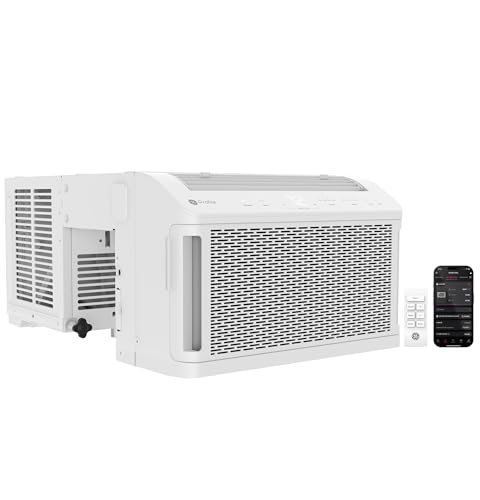
GE Profile ClearView Inverter Window Air Conditioner 10,300 BTU
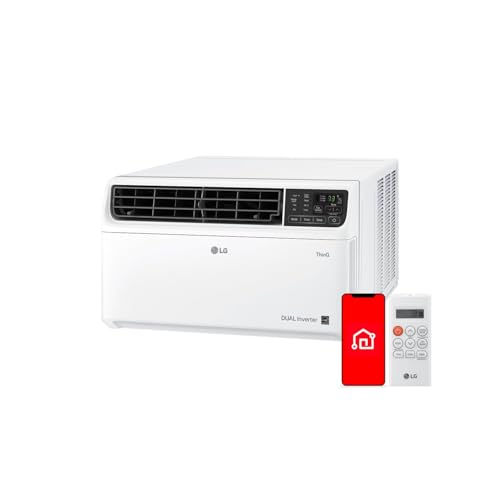
LG 14,000 BTU DUAL Inverter Smart Window Air Conditioner, 115V
Midea 12,000 BTU U-Shaped Window Air Conditioner, 2026 New

LG 10,000 BTU Smart Window Air Conditioner, 115V
More Details On Our Top Picks
The U-shaped layout is the first thing you notice, because it leaves room for the window to stay partially usable while the unit sits in place. That makes this Midea a sensible fit for apartments and bedrooms where fresh air, curtain clearance, or a less blocked view matters. It’s aimed at spaces up to 350 square feet, so it suits a typical bedroom, den, or compact home office.
The smart control support also helps when you want a quieter routine, since remote adjustments are easier than walking over every time the room warms up. The trade-off is that U-shaped units can ask for a more careful install than a plain box style, so the fit matters. For most small spaces, this is the sort of model that feels thoughtful rather than flashy.
Bright Spots
- U-shaped design keeps the window less blocked, which helps in rooms where you still want daylight or some open-window flexibility.
- Coverage up to 350 square feet suits many bedrooms and smaller living areas without pushing you into an oversized unit.
- Smart assistant compatibility gives you another way to adjust settings from the couch or bed.
- The remote makes day-to-day changes easier, especially in a setup where the unit sits higher than arm level.
Small Caveats
- The shape can take a little more patience during installation than a traditional window air conditioner.
- It makes more sense in rooms that match its coverage range, so very large areas can outgrow it quickly.
Feature Card
Who It Suits Best
You suit this model best if you want a quieter small-room air conditioner and care about keeping the window more usable.
A Better Fit Elsewhere
Midea 12,000 BTU U Shaped Window Air Conditioner is the stronger match for you if your room is larger and you want the same window-friendly shape with more coverage.
This Midea stands out because it does more than cool, with heat and dehumidifier functions built into the same window unit. That makes it a practical fit for shoulder seasons, damp rooms, or spaces that swing a little too warm in one week and too chilly in the next. At up to 350 square feet, it lands in the same room-size bracket as the first Midea, but it adds a broader comfort range.
The electronic controls and remote keep it straightforward to live with, though the extra modes mean more settings to learn at first. In a guest room, basement, or small apartment, that versatility can spare you from juggling separate appliances. The honest read is that this suits someone who wants one unit to cover more than a single hot stretch.
What We Like
- Cooling, heating, and dehumidifying in one cabinet gives you more seasonal flexibility.
- Coverage to 350 square feet fits many bedrooms and compact living spaces.
- Electronic controls and a remote make adjustments simple from across the room.
- The multi-function setup works well in spaces that feel damp or uneven across the year.
Room For Improvement
- More modes usually mean a slightly busier control layout, so first-time setup can take a little time.
- The extra heating function helps, but it also makes this a better match for transitional spaces than for very cold rooms.
- Routine filter care still matters, especially in a unit that may run through more of the year.
Core Details
Who Will Love This
You fit this model well if you want one window unit that can cool, warm, and pull extra moisture from a smaller room.
Look Elsewhere When
LG 10,000 BTU Smart Window Air Conditioner is the better route for you if you want a simpler cooling-first setup for a little more room coverage.
For larger rooms, this GE Profile model brings more cooling headroom than the two 8,000 BTU picks above, so it makes sense in open bedrooms, bigger dens, and shared living spaces. The ClearView layout is meant to preserve more of the window view than a chunky standard unit, which is a nice touch in spaces where the window feels like part of the room. You also get smart home capability and a remote, so it stays convenient in daily use.
The trade-off is straightforward, larger capacity usually means a heavier presence in the window and a bigger commitment to proper installation. In a house with one main gathering room, though, that extra reach can make the room feel less uneven. The cautious note is that this model fits best where you can actually use its added output.
Highlights
- 12,200 BTU gives it more reach than the smaller Midea units in this list.
- Coverage up to 550 square feet suits larger living rooms and bigger bedroom setups.
- The ClearView format keeps more of the window open visually, which helps the room feel less boxed in.
- Smart home support and remote control add convenience for everyday adjustments.
Areas To Watch
- Its larger size asks for careful measuring before installation.
- That extra output is more than many small bedrooms need, so it can be overkill in compact spaces.
- Window-view designs tend to reward a cleaner, more deliberate setup.
Quick Facts
Best Suited To
You fit this model best if your room is genuinely larger and you want cooling that reaches farther without stepping up to a bulkier floor unit.
Swap It Out When
Midea 12,000 BTU U Shaped Window Air Conditioner is the better match for you if you want similar room coverage with a U-shaped window-friendly layout.
The Hykolity leans hard into control and efficiency, with Wi-Fi, a remote, and multiple modes packed into one 10,000 BTU window unit. That makes it a strong fit for a bedroom, study, or medium-size apartment room where you want to fine-tune comfort without walking back and forth. It covers up to 450 square feet, so it sits between the smaller 8,000 BTU picks and the larger GE Profile option above.
The CEER 15.0 figure matters because CEER, or Combined Energy Efficiency Ratio, is the measure of cooling output against power use, so a higher number points to less waste for the same job. The catch is that feature-heavy units can feel a little more complex at first, especially for someone who only wants one temperature and no fuss. Still, for a daily-use room that changes through the day, this one looks especially practical.
Standout Traits
- Wi-Fi control makes it easier to manage the unit from another room or after you’ve already settled in.
- Five operating modes, including Cool, Dry, Fan, Auto, and ECO, give you more control over how it behaves.
- The 61°F to 88°F range provides a wide comfort span for different seasons and preferences.
- Low-noise operation down to 32 dBA is a real plus for bedrooms and study spaces.
- The 24-hour timer helps you plan around sleep or work routines.
Points To Note
- More settings can mean a steeper learning curve during the first few days.
- Wi-Fi control depends on your home setup, so app convenience is only as smooth as the network around it.
- Its size is a better fit for medium rooms than very small spaces.
Feature Rundown
Right Fit For
You fit this model well if you want app control, a wide mode set, and a medium-room unit that doesn’t feel bare-bones.
Where A Sibling Pick Shines
LG 10,000 BTU Smart Window Air Conditioner is the simpler swap for you if you want a similar room size with a more established brand feel and a less mode-heavy setup.
This GE Profile model is the one in the group that leans hardest into keeping the window view less interrupted. That matters in rooms where natural light and sightlines are part of the appeal, not just the temperature. At 10,300 BTU and coverage up to 450 square feet, it lands in the useful middle ground for bigger bedrooms and smaller shared rooms.
Compared with the more conventional LG 10,000 BTU unit later in the list, this one is more about visual integration than a plain appliance look. The trade-off is that design-first units can ask you to care more about placement and surrounding trim, so a neat install pays off. It’s a good choice when the window itself is part of the room’s feel.
Reasons To Buy
- ClearView styling preserves more of the window than many standard units.
- 10,300 BTU is a solid middle-size capacity for medium rooms.
- Coverage up to 450 square feet suits apartments, bedrooms, and compact living rooms.
- Wi-Fi support and a remote make it easier to adjust without walking to the window.
Honest Caveats
- Window-forward styling tends to reward careful measuring and cleaner installation.
- It makes more sense in spaces that value the view, so plain utility may matter less here.
- The slimmer visual profile does not change the need for regular filter upkeep.
Details At A Glance
Whose Shelf It Belongs On
You fit this pick best if you want a mid-size cooling unit that doesn’t visually dominate the window.
Another Choice May Suit
Midea 8,000 BTU U-Shaped Smart Inverter Window Air Conditioner is the simpler fit for you if your room is smaller and you want more open-window flexibility.
The LG 14,000 BTU unit is the clear move up in size, and that extra capacity makes sense in larger bedrooms, living rooms, or apartment layouts that run warm across more square footage. It’s listed for up to 800 square feet, which puts it well beyond the mid-size picks above. For a bigger space, that stronger output can keep the cooling from feeling patchy.
You also get ThinQ, Alexa, and Hey Google compatibility, so it fits better in a connected home than a bare-bones mechanical unit. The honest trade-off is that a heavier-duty model usually asks more from the window opening and the installation itself. That’s the point here, though, you’re paying for reach and convenience, not minimalism.
Best Bits
- 14,000 BTU gives it the reach needed for larger living zones.
- Coverage up to 800 square feet is a major step up from the mid-size units in this list.
- Smart home compatibility with ThinQ, Alexa, and Hey Google adds day-to-day flexibility.
- Quiet operation is a welcome plus in larger bedrooms and shared spaces.
- 115V power keeps the electrical side straightforward for many homes.
Softer Spots
- The larger footprint is less friendly to narrow windows.
- It makes more sense in rooms that truly need the extra capacity.
- Installed weight and size deserve careful planning before you commit.
Spec Overview
Built With In Mind
You fit this model best if you need stronger coverage for a large room and want voice-linked control too.
Where A Sibling Pick Shines
GE Profile ClearView Inverter Window Air Conditioner Unit, 12,200 BTU is the smarter match for you if you want a lighter-size step down and care more about preserving the window view.
This Midea lands in a sweet spot for people who want more capacity than an 8,000 BTU unit but still like the U-shaped window-friendly format. It’s rated for up to 550 square feet, so it can handle bigger bedrooms, finished basements, or an airy apartment living room more comfortably than the smaller picks. The 2026 update also makes it feel like the more current version of the brand’s window-friendly idea.
Open-window flexibility is still part of the appeal, and that matters in rooms where you don’t want the whole opening covered. The trade-off is the same as with the first U-shaped Midea, careful measurement and installation are part of the job. For many households, though, this is the strongest balance between size, shape, and quieter use.
Positives
- 12,000 BTU gives you more cooling muscle than the 8,000 BTU Midea U-shaped unit.
- Coverage up to 550 square feet works well for larger rooms that still need a window unit.
- The U-shaped design keeps the window less blocked than a classic box profile.
- Alexa and Google Assistant compatibility adds convenient control options.
- The shape can feel more living-room friendly than a standard window block.
Worth Noting
- Installation takes more attention than a standard rectangular unit.
- U-shaped styling suits some windows better than others, so measuring first matters.
- It’s a better fit for medium to large rooms than for tight bedrooms.
Core Details
The Right Fit
You fit this model best if you want the U-shaped format with more capacity for a room that’s bigger than average.
Skip It When
LG 10,000 BTU Smart Window Air Conditioner is the easier match for you if your room is smaller and you want a simpler, more conventional setup.
This LG sits in a very practical middle zone, with enough capacity for rooms up to 450 square feet but not so much bulk that it feels overbuilt for an apartment or bedroom. It uses dual inverter tech, which is meant to smooth out operation rather than behave like a hard cycling on-off unit. That makes it a sensible everyday pick for people who want dependable cooling without a complicated feature set.
ThinQ, Alexa, and Hey Google support add convenience, and the 115V design fits many common home outlets. Compared with the Hykolity, this LG looks less mode-heavy and a little easier to live with, though it gives up some of the extra settings. For a lot of households, that simpler balance is exactly the point.
Positives
- 10,000 BTU is a useful middle-ground size for apartments and medium bedrooms.
- Coverage up to 450 square feet gives you room to use it beyond just a small spare room.
- Dual inverter operation is designed for steadier, less stop-start cooling behavior.
- Smart platform support makes everyday adjustments easier from your phone or through voice control.
- 115V power keeps it aligned with many standard household setups.
Areas To Watch
- It’s less specialized than the U-shaped Midea models, so window flexibility is not the main draw.
- The feature set is simpler than the Hykolity, which may matter if you want more mode control.
- As with most window units, regular cleaning helps it stay quiet and effective over time.
Feature Snapshot
Who Should Grab It
You fit this pick best if you want a dependable mid-size window unit with smart features but without a long setup menu.
Reach For A Different Pick When
Hykolity 10,000 BTU Smart Inverter Window Air Conditioner WiFi Enabled is the better fit for you if you want more operating modes and a slightly more control-heavy experience.
How To Choose The Right Inverter Window Air Conditioners
Room Size Still Leads The Decision
BTU, or British Thermal Unit, tells you how much cooling power the unit can deliver. Match that number to the room rather than chasing the largest rating you can find, because too much capacity can cool fast without managing humidity well enough for comfort.
The 8,000 BTU models in this list suit smaller bedrooms and offices, while the 10,000 to 12,200 BTU picks fit medium rooms more naturally. The 14,000 BTU LG moves into larger living areas, and the 800-square-foot coverage claim makes that difference easy to see on paper.
Shape Matters As Much As Output
U-shaped units, like the Midea models above, leave more of the window visually and physically open. That helps in rooms where you want daylight, a view, or a window that doesn’t feel fully blocked by the appliance.
Standard box-style units can be simpler to install and often suit people who care more about plain cooling than window access. The trade-off is obvious, you gain a cleaner look with U-shaped or ClearView designs, but you should expect more care around fit and mounting.
Quiet Operation Needs Context
Low noise is not just a nice line on the page, it matters most in bedrooms, nurseries, and home offices where fan sound can get old fast. Models that advertise low-decibel operation, like the Hykolity at 32 dBA, are easier to live with in sleep spaces.
That said, quiet claims mean more when you pair them with the right room size. An undersized unit can run harder than you’d like, while an oversized one can feel like overkill even if the sound level is low.
Smart Controls Are About Convenience, Not Necessity
Wi-Fi, voice assistant support, and app control are handy when the window is hard to reach or the unit sits behind furniture. They are most useful in rooms you use every day, because small temperature changes become less annoying.
The catch is that a smart feature set can add complexity you may never need. If your routine is just set it and leave it, a simpler remote-based unit can feel cleaner and less distracting.
Things Worth Knowing First
Traps First Timers Fall Into
Room size is the easiest thing to misjudge, and that usually leads to a unit that either works too hard or feels oversized. Measuring the space and comparing it to the stated coverage keeps you from guessing.
Window style matters just as much. A U-shaped design or ClearView model can be a better fit in one apartment and a poor fit in another, depending on sash depth, clearance, and how much of the opening you want to keep usable.
Where The Extra Money Goes
Higher-tier models usually pay for more precise inverter control, quieter operation, and a smarter package of controls. You also tend to see stronger styling choices, like window-preserving designs that feel less intrusive in the room.
That upgrade makes sense for bedrooms, shared living areas, and home offices where daily comfort matters more than bare utility. For a spare room used occasionally, a simpler mid-range unit can be enough.
Frequently Asked Questions
What does inverter technology change in a window air conditioner?
It helps the unit adjust output more smoothly instead of cycling on and off in a blunt way. That usually supports steadier comfort in rooms you use for long stretches.
How do you choose the right BTU size?
Start with room square footage and then think about heat sources, ceiling height, and sun exposure. A larger number is not automatically better for a small bedroom.
Are U-shaped window units harder to install?
They often ask for more careful measuring because the window and support setup matter more. In return, you get a shape that feels less obstructive in the room.
Do smart controls matter for everyday use?
They matter most in rooms where the unit is awkward to reach or where small temperature changes happen often. For a simple guest room, a remote can be enough.
What maintenance keeps a window AC running well?
Filter cleaning is the main habit that helps most window units stay comfortable to live with. It also pays to keep the area around the unit clear so airflow stays open.
Closing Thoughts
The right inverter window air conditioner depends on the room in front of you, not the loudest feature list. For a small bedroom, the Midea U-shaped picks make a lot of sense, while larger rooms point more naturally to the LG 14,000 BTU or the GE Profile ClearView models. Smart controls are useful, but only after the room size and window fit line up. Choose the shape and capacity that fit your space, and the rest gets much easier.
