

Living rooms, bedrooms, and small apartments all ask different things from a window unit. You need the right mix of cooling reach, noise control, smart features, and installation shape, not just a bigger number on the box. This roundup focuses on inverter-driven window ACs that fit real homes, from U-shaped designs that leave the sash usable to larger units that make sense for wider spaces.
The Shortlist At A Glance

Midea 8,000 BTU U Shaped Smart Inverter Window Air Conditioner

Midea 8,000 BTU Smart Inverter Window AC with Heat

Hykolity 10,000 BTU Smart Inverter Window Air Conditioner
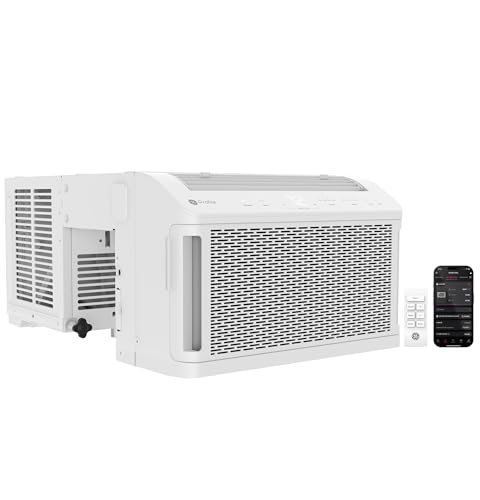
GE Profile ClearView Inverter Window Air Conditioner 10,300 BTU
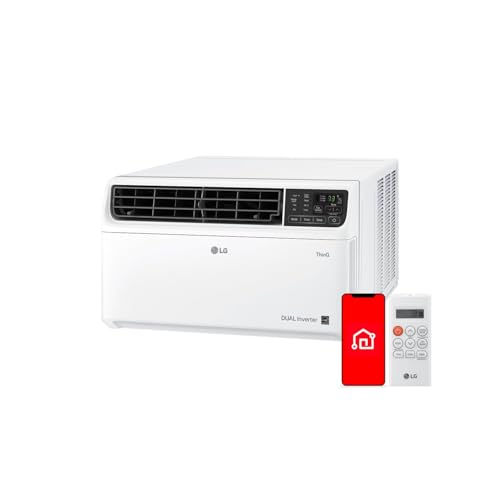
LG 14,000 BTU DUAL Inverter Smart Window Air Conditioner
Midea 12,000 BTU U Shaped Window Air Conditioner

LG 10,000 BTU Smart Window Air Conditioner
More Details On Our Top Picks
The U-shaped frame gives this Midea a very specific advantage, it lets your window stay more usable than a standard block-style unit. That matters in a bedroom or apartment where you still want some daylight or the option to crack the sash for fresh air, and the 8,000 BTU capacity suits smaller rooms without going overboard.
The honest trade-off is that the shape helps convenience as much as cooling. You also get smart control support for voice assistants, which is handy for bedtime adjustments, but the installation style may feel less familiar than a traditional window AC.
What We Like
- U-shaped design keeps part of the window usable.
- 8,000 BTU suits compact bedrooms and home offices.
- Smart assistant compatibility adds easy day-to-day control.
- Remote control keeps adjustments simple from across the room.
- Quiet-leaning design fits light sleepers and late-night use.
Things To Consider
- The unusual window layout can take extra attention during setup.
- Smaller capacity makes it a tighter match for larger living areas.
- Smart features help, but they are not the main reason to choose it.
Feature Snapshot
Who It Suits Best
You get the most from this one in a bedroom, studio, or small apartment where window access matters as much as cooling.
Where A Sibling Pick Shines
Midea 12,000 BTU U Shaped Window Air Conditioner is the better call for larger rooms and shoppers who want the same window-friendly shape with more reach.
This Midea stands out because it does more than cool a room, it also brings heating and dehumidifying into one window unit. That makes it useful in a guest room, den, or apartment where you want one appliance to cover more of the year, and the electronic controls keep the front panel easy to understand.
Compared with the first Midea pick, this one gives up the U-shaped window-friendly layout in exchange for broader seasonal coverage. The trade-off is fair for spaces that stay occupied year-round, though the combined feature set can make it a little more involved than a basic cooling-only model.
Highlights
- Cooling, heating, and dehumidifying in one unit.
- 8,000 BTU output suits smaller living spaces.
- Electronic controls keep settings straightforward.
- Remote control helps from the couch or bed.
Worth Noting
- The non-U-shaped build takes over more of the window opening.
- More features mean more buttons to learn at first.
- Best value shows up in spaces that stay in use across seasons.
Core Details
Built With In Mind
This suits you best in a space that needs cooling in summer and a little extra help during cooler months.
A Better Fit Elsewhere
Hykolity 10,000 BTU Smart Inverter Window Air Conditioner works better for someone who wants Wi-Fi control and a stronger cooling ceiling without a heating function.
The Hykolity takes a more control-heavy approach than the two Midea units, and that usually appeals to someone who likes setting details from a phone as much as from a remote. With Wi-Fi, five modes, three fan speeds with automatic adjustment, and a timer, it gives you plenty of room to tailor comfort in a bedroom or study.
Its quieter operating claim is especially relevant in a sleep space, where even a small hum can matter. The 10,000 BTU size and 450 sq. ft. coverage also give it more reach than the 8,000 BTU options, though the feature count may feel a little busy for anyone who wants a plain, set-and-forget unit.
Reasons To Buy
- Wi-Fi control works with the companion app.
- Remote is included for quick adjustments.
- Five operating modes cover more daily scenarios.
- 10,000 BTU reaches beyond small bedrooms.
- 32 dBA low-end sound level suits quiet rooms.
Small Caveats
- The settings list is broader than a basic AC needs.
- App control adds convenience, but also another thing to manage.
- Large feature sets usually reward tidy setup and regular filter care.
Technical Sheet
Whose Shelf It Belongs On
This is a strong fit for someone who wants connected control and a quiet-leaning unit for a bedroom, office, or study.
Swap It Out When
LG 10,000 BTU Smart Window Air Conditioner makes more sense for shoppers who prefer LG ThinQ support and a more established brand ecosystem.
The ClearView idea is simple, you get a window AC that aims to keep more of the glass visible than a traditional boxy frame. That makes a real difference in rooms where you care about daylight, a cleaner sightline, or just not feeling like the unit takes over the whole window.
Compared with the Midea U-shaped models, this GE option leans harder into appearance and window visibility than open-sash flexibility. The 10,300 BTU size works well for mid-size spaces, though the lower rating trend in the source data means you may want to weigh style against brand confidence and comfort priorities.
Bright Spots
- Full-window-view design feels less intrusive.
- 10,300 BTU gives a step up from smaller units.
- Wi-Fi smart control adds convenience.
- Quiet operation suits shared living areas and bedrooms.
Areas To Watch
- The window-first design may not appeal to everyone.
- Shoppers focused on purely practical features may prefer a U-shaped model.
- Lower brand feedback signals a more cautious purchase than the top-rated options here.
Details At A Glance
Right Fit For
This suits you best when the look of the window matters almost as much as the cooling itself.
Another Choice May Suit
Midea 8,000 BTU U Shaped Smart Inverter Window Air Conditioner is a more practical match for someone who wants the sash to stay more usable.
This LG is built for bigger spaces, and the 14,000 BTU output makes that clear right away. It’s the kind of unit that fits a living room, apartment, or broad bedroom where a smaller 8,000 BTU model would feel undersized, and the smart compatibility adds convenience without making the front panel feel crowded.
The stronger cooling reach is the main reason to look here, although bigger output usually means a larger physical presence in the window. You may find it especially useful in open layouts, but the honest read is that it makes the most sense when your space genuinely needs the extra capacity.
Upsides
- 14,000 BTU gives serious room coverage.
- Fits spaces up to 800 sq. ft.
- LG ThinQ support adds app-based convenience.
- Works with Alexa and Google voice control.
- Quiet operation helps for family rooms and bedrooms.
Room For Improvement
- Larger capacity usually means a bigger visual footprint.
- Can be more than you need for a small bedroom.
- Smart features help, but they do not replace proper sizing.
Feature Rundown
Who Should Grab It
This belongs in a bigger room where strong cooling capacity matters more than keeping the unit compact.
Look Elsewhere When
LG 10,000 BTU Smart Window Air Conditioner is a better fit for a mid-size bedroom or apartment that does not need as much output.
The step up to 12,000 BTU changes the story here, because you’re no longer shopping for just a small-room unit. This Midea is aimed at spaces up to 550 sq. ft., and the U-shaped design still gives you the window-friendly feel that made the smaller Midea stand out, only with more reach for a larger bedroom or living area.
It also keeps the open-window flexibility idea, which helps it feel less boxed in than many standard units. The trade-off is straightforward, you’re paying for a more specialized design and stronger capacity, so it makes most sense when your room size justifies both.
Best Bits
- 12,000 BTU suits larger bedrooms and medium living areas.
- U-shaped layout preserves more window usefulness.
- Inverter control helps efficiency and smoother operation.
- Works with Alexa and Google Assistant.
- Remote control keeps adjustments easy.
Points To Note
- The U-shape asks for a more careful installation mindset.
- Bigger capacity can be more than you need in compact rooms.
- The specialized frame makes this less universal than a standard box unit.
Spec Overview
The Right Fit
You’ll get the most from this in a medium room where you want stronger cooling and a window layout that still feels open.
Reach For A Different Pick When
GE Profile ClearView Inverter Window Air Conditioner 10,300 BTU suits you better when the main goal is keeping more of the window visually open.
This LG lands in a very useful middle ground, because 10,000 BTU is enough to cover a typical bedroom, apartment room, or compact living area without jumping into oversized territory. The Dual Inverter setup and quiet operation matter most in spaces where you live with the machine all day, not just while it’s running in the background.
It also brings LG ThinQ support, which keeps it aligned with the connected-home crowd without turning the unit into a gadget first and an AC second. Compared with the 14,000 BTU LG, this one is the smarter fit for a room that needs steadier cooling rather than bigger-room muscle.
Positives
- 10,000 BTU fits many everyday rooms well.
- Dual Inverter design supports smoother operation.
- LG ThinQ adds app control convenience.
- Works with Alexa and Google Assistant.
- Quiet operation suits bedrooms and home offices.
Softer Spots
- It is less suitable for very large open spaces.
- The smart feature set matters more to connected homes than to minimalists.
- As with most window units, careful sizing still matters more than extra features.
Core Details
Made For
This is a solid match for someone who wants a dependable bedroom or apartment AC with smart control and a sensible capacity.
Where Shoppers Go Wrong
LG 14,000 BTU DUAL Inverter Smart Window Air Conditioner is the better move for bigger rooms that genuinely need more cooling power.
How To Choose The Right Inverter Acs
Size The Unit To The Room
BTU, short for British Thermal Units, is the cooling capacity number that tells you how much room the unit can reasonably handle. That number matters because an undersized AC runs harder than it should, while an oversized one can feel less even in a smaller room. For bedrooms and home offices, the 8,000 to 10,000 BTU range often makes sense; larger living spaces usually point you toward 12,000 BTU or more.
Choose The Window Shape You Can Live With
U-shaped models, like the two Midea picks here, leave more of the window usable and can feel less imposing in daily life. Standard window units are simpler to understand and often more straightforward to place, which suits many apartments and rental homes. The trade-off is plain, the more specialized the frame, the more attention installation deserves.
Decide How Much Smart Control You’ll Actually Use
Wi-Fi, app control, voice support, and remotes all sound similar until you use them in a real room. A bedroom sleeper may care most about a timer and quiet operation, while a commuter coming home late may appreciate being able to adjust settings from a phone before walking in. Smart features are helpful, but they should sit behind the basics: proper sizing, reasonable noise, and an easy control panel.
Weigh Noise Against Capacity
A quieter unit matters most in rooms where you sleep, study, or work with the door closed. Lower sound claims, such as the Hykolity’s 32 dBA low-end figure, tell you the brand is aiming for calmer operation, though room setup and fan speed still shape the real experience. Bigger units can cool more area, but they may ask for a little more tolerance in exchange.
What To Weigh Before You Click
Common Shopping Slip Ups
A frequent mistake is choosing by BTU alone and forgetting the room layout. A narrow bedroom, a sun-baked apartment, and a shared living room do not need the same unit, even at similar square footage. Another common miss is ignoring installation shape, especially with U-shaped models that ask for more planning.
Where The Extra Money Goes
Higher-tier inverter ACs usually cost more because they pair stronger compressors with quieter operation, smarter controls, and more refined cabinet design. You also tend to pay for better fit features, such as U-shaped frames, app integration, or more polished airflow management. That upgrade makes sense when you use the unit every day and care about comfort details, not just cold air.
Frequently Asked Questions
What does inverter mean in a window AC?
An inverter unit adjusts compressor output more smoothly than a basic on-off system. That usually helps with quieter operation and steadier temperature control.
How do you choose the right BTU size?
Match the unit to the room size and the heat load, not just the square footage. A sun-facing room or open layout usually needs more cooling headroom.
Are U-shaped window ACs harder to install?
They usually ask for more attention during setup because the window and sash sit around the design differently than a standard box unit. That extra effort is part of the trade-off for better window usability.
Do smart controls matter on an AC?
They matter most for people who want remote adjustments, timers, or voice support from another room. For a simple guest room, a basic remote can be enough.
Which pick here works best for larger rooms?
LG 14,000 BTU DUAL Inverter Smart Window Air Conditioner is the strongest fit for bigger spaces. It has the capacity for open layouts that would outgrow the smaller units.
Closing Thoughts
The right inverter AC depends on your room first and the feature set second. For a small bedroom, the 8,000 BTU Midea units keep things practical, while the Hykolity adds more control for quiet spaces. Larger rooms point you toward the 12,000 BTU Midea or the 14,000 BTU LG, depending on how much capacity you need. Choose the unit that matches your space honestly, and the rest becomes much easier.
