

Inexpensive inverter generators make sense when you want backup power without dragging a loud, bulky machine across the yard. They’re handy for camping, small home outages, tailgates, and jobsite tools that need cleaner output than a basic open-frame unit usually gives. The trade-off is simple: smaller models are easier to carry, while larger ones usually give you more headroom for appliances and longer use. This roundup helps you match that balance to your space, your routine, and how much noise you can live with.
Quick Look at the Shortlist

Oxseryn Power Equipment 4400 Watts Inverter Generator

ERAYAK 2400W Portable Inverter Generator
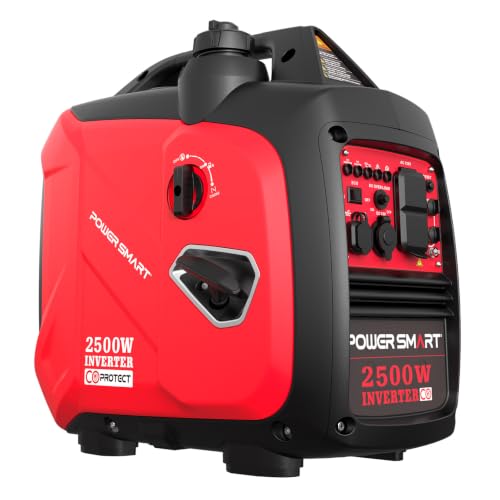
PowerSmart 2500-Watt Portable Inverter Generator

PowerSmart 2500 Watt Portable Inverter Generator

AIVOLT 1600W Super Quiet Inverter Generator
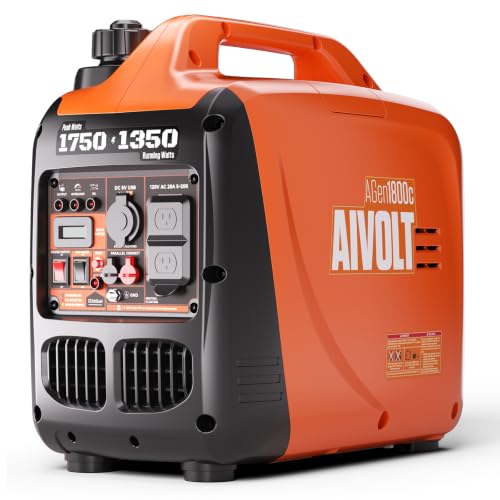
AIVOLT 1750W Inverter Generator Portable Gas Generator

Oxseryn 2800-Watts Portable Inverter Generator
PowerSmart 2500 Watt Portable Inverter Generator
More Details On Our Top Picks
That extra wattage makes this Oxseryn feel better suited to larger household jobs than the smaller units in this list. An open-frame generator usually takes more room and more patience with noise, but it often gives you stronger reach for tools, an RV setup, or backup around the house.
The ECO mode should help the engine avoid running harder than needed, which matters during lighter use around a patio or campsite. In most households, the honest trade-off is clear: more output and a sturdier footprint, less portability than the compact PowerSmart and AIVOLT picks.
Strong Points
- 4400 watts puts it in a better position for heavier household loads than the smaller 1600W and 1750W models.
- ECO mode can reduce unnecessary engine strain during lighter tasks, which helps with fuel-minded day-to-day use.
- The RV-ready angle suits camping rigs that need a more capable power source.
- Open-frame construction usually gives you a steadier setup for garage, yard, or backup duties.
Points To Note
- The open-frame build usually means more bulk than the suitcase-style picks farther down the list.
- Noise control is present, though this style still tends to feel less discreet than the smallest inverter units.
- Storage takes a bit more planning, especially in a packed shed or small garage.
Core Details
Who It Suits Best
Households that want more headroom for outages, RV trips, or bigger power chores will get the most from this one.
A Better Fit Elsewhere
PowerSmart 2500 Watt Portable Inverter Generator fits smaller campsites and tighter storage spaces more naturally.
ERAYAK lands in that useful middle zone where you want something calmer than a big open-frame machine but more capable than the tiniest backpack-style option. For apartment-adjacent storage, weekend trips, or short outage support, that balance can make a lot of sense.
The ECO mode suggests a setup tuned for lighter loads, and the gas engine keeps ownership familiar for most households. Compared with the Oxseryn 4400W unit, this one is easier to treat as a portable helper instead of a home anchor.
What We Like
- 2400W output gives you a practical step up from the 1600W and 1750W options.
- Its smaller scale should be friendlier for campsites, sheds, and car trunks.
- ECO mode suits modest power needs and can keep lighter use from feeling wasteful.
- The quieter positioning makes it easier to live with around neighbors or fellow campers.
Room For Improvement
- It still sits below the Oxseryn 4400W model for heavier backup duties.
- Larger households may want a unit with more output headroom.
- Like most portable generators, regular fuel management and storage discipline matter.
Feature Rundown
Who Should Grab It
Campers and homeowners who want a quieter middleweight option will feel at home with this one.
Swap It Out When
PowerSmart 2500-Watt Portable Inverter Generator makes more sense for shoppers who want a similarly sized machine with a slightly more camping-focused lean.
This PowerSmart model keeps the pitch straightforward, which is often exactly what you want for camping gear. The 2500-watt class puts it in that comfortable zone for small outings, light backup, and occasional use without making the unit feel oversized.
It lines up well with buyers who value a no-fuss footprint more than a long feature list. Compared with the ERAYAK 2400W unit, this one sits in the same general lane, so your final call may come down to the surrounding shape, noise preferences, and storage space.
Best Bits
- 2500W output is a practical fit for light-duty backup and camping routines.
- The compact form should be easier to tuck into a garage shelf or travel setup.
- Its camping-first positioning makes the use case easy to understand.
Small Caveats
- It does not carry the broader headroom of the larger Oxseryn 4400W option.
- Owners who need longer runtime details will want to check the listing carefully.
- Smaller generators usually ask for more careful load planning during outages.
Quick Facts
The Right Fit
Campers and casual backup shoppers who want a simple, manageable generator will get the most from this pick.
Reach For A Different Pick When
AIVOLT 1750W Inverter Generator Portable Gas Generator suits you better when featherlight carry matters more than a little extra output.
This PowerSmart version leans into portability more clearly than the camping-titled sibling above it. A compact and lightweight design matters in real life because you’re more likely to store it neatly, lift it without awkward balancing, and bring it along for short trips.
The EPA compliant note adds another layer of reassurance for shoppers who care about how a generator fits into everyday ownership. Compared with the 2500W PowerSmart model already listed, this one feels aimed at the same size class but with a stronger emphasis on easy carrying and stowage.
Reasons To Buy
- Compact dimensions make it easier to keep in a small garage or trailer compartment.
- Lightweight design helps during setup, loading, and storage.
- Quiet technology should make shared spaces feel less stressful.
- EPA compliant positioning gives the listing a more conventional portable-generator profile.
Honest Caveats
- It still belongs to the smaller power class, so large appliance loads are a stretch.
- Quiet operation is helpful, though no portable generator disappears into the background.
- Owners who want longer runtime specifics will need to confirm the listing details.
At A Glance
Built With In Mind
Shoppers who want a small generator that’s easier to carry and store will appreciate this version most.
Where A Sibling Pick Shines
PowerSmart 2500-Watt Portable Inverter Generator with Quiet for Camping fits better for someone who wants the more camping-branded version rather than this compact-focused one.
The AIVOLT 1600W is the kind of pick that makes sense when portability matters more than raw output. At 28 pounds, it should be easier to lift in and out of a trunk or camper without feeling like a chore, and that can matter just as much as wattage for quick weekend use.
The 57dBA noise figure, low total harmonic distortion under 3%, and CO auto-shutoff give it a more polished feature set than the bare-bones small units. Compared with the PowerSmart options, this one feels more focused on clean, calm, grab-and-go use than on broader capacity.
Bright Spots
- 28-pound weight keeps carrying and loading more manageable.
- 57dBA makes it a friendlier fit for campsites and close quarters.
- Under 3% THD means cleaner power for sensitive electronics.
- ECO mode can help stretch lighter-duty use over time.
- CO auto-shutoff adds an important safety feature for ownership peace of mind.
Softer Spots
- 1260W running power is modest, so you’ll need to keep expectations realistic.
- Smaller capacity suits lighter electronics more than larger appliances.
- Maintenance still matters, especially fuel care and storage between trips.
Spec Overview
Whose Shelf It Belongs On
Campers and travelers who want a small, easy-carry generator for lighter loads will get the best match here.
Look Elsewhere When
Oxseryn 2800-Watts Portable Inverter Generator suits you better once you need a sturdier emergency backup profile.
This AIVOLT keeps portability front and center, and the one-hand carry note tells you exactly what kind of ownership experience to expect. At 26.5 pounds, it should be easier to move around the garage, toss into a vehicle, or bring to a campsite without a wrestling match.
The 52dBA figure and under 3% THD give it a more refined profile than many basic small generators. Compared with the 1600W AIVOLT above, you get a little more output while staying in the same easy-carry class, which is a sensible middle road.
Plus Points
- 26.5-pound weight helps with frequent transport.
- One-hand carry positioning makes short moves feel simpler.
- 52dBA is a helpful noise figure for close-in use.
- Under 3% THD suits electronics that prefer steadier power.
- 7-hour ECO mode gives you a clearer runtime cue for lighter use.
Areas To Watch
- 1750W still sits below the larger 2400W and 2800W class options.
- Runtime depends on load, so the seven-hour figure is best read as a use-case marker.
- Smaller units reward careful fuel and storage habits.
Feature Card
Perfect Match For
Frequent campers and car-trunk carriers who want a lighter generator with a bit more output will appreciate this pick.
Another Choice May Suit
ERAYAK 2400W Portable Inverter Generator is the stronger fit for shoppers who want more backup headroom without moving up to the open-frame Oxseryn.
The 2800-watt Oxseryn sits in a sensible middle band, which is where many households end up after sorting through the smaller and larger picks. The 1.1-gallon fuel tank and 39-pound weight point to a machine meant to move around without feeling tiny, yet still remain manageable for home backup and camping.
Fuel shutoff is a useful detail for storage-minded owners, since it helps you think more cleanly about shutdown and transport routines. Compared with the 4400W Oxseryn above, this one looks easier to live with for everyday use, though it gives up the extra output margin.
Highlights
- 2800W output gives a balanced step up from the 2400W and 2500W models.
- 39-pound weight keeps it more portable than the larger open-frame unit.
- 1.1-gallon tank gives you a concrete fuel-capacity reference.
- Fuel shutoff is helpful for people who care about tidy storage habits.
- Its home-use and camping framing fits a wide range of everyday scenarios.
Worth Noting
- It still won’t match the larger Oxseryn 4400W generator for bigger loads.
- Thirty-nine pounds is manageable, but not quite light in the suitcase sense.
- Gas generators still need routine fuel care and dry storage.
Technical Sheet
The Right Fit
Households that want one generator for camping, backup, and general utility will find this size class appealing.
Skip It When
AIVOLT 1750W Inverter Generator Portable Gas Generator makes more sense for you when ultra-light carry matters more than extra output.
This PowerSmart stands out because it gives you a little more to think about than the simplest small generators. Parallel ready means you can pair compatible units together for more output later, which suits shoppers who want a path to expand without replacing the whole setup.
The 59dBA figure, eco mode, and 39.7-pound weight keep it grounded in the portable category rather than pushing into bulkier territory. Compared with the other 2500W PowerSmart option, this one is the better match for someone who values future flexibility more than the cleanest minimal design.
Reasons To Buy
- Parallel ready support gives you a flexible growth path.
- Eco mode helps the generator scale back during lighter usage.
- 39.7 pounds is still portable enough for routine moves.
- Clean power wording points toward a better fit for electronics.
- Five-hour runtime listing gives you a clearer planning window.
Minor Gripes
- 59dBA is quiet for the class, but it is not silent.
- At 39.7 pounds, it sits closer to the carry limit than the ultra-light AIVOLT models.
- Parallel support matters most for shoppers willing to build a two-unit setup.
Details At A Glance
Made For
Shoppers who want a portable generator with room to expand later will appreciate this one most.
A Better Fit Elsewhere
PowerSmart 2500 Watt Portable Inverter Generator with Quiet Technology, Compact and Lightweight Design suits you better for the most storage-conscious setup.
How To Choose The Right Inexpensive Inverter Generators
Match Output To Your Actual Load
Start with the devices you plan to power, not the biggest number in the listing. A 1600W or 1750W unit suits lights, phones, and small electronics, while 2400W to 2800W models give you more breathing room for cooler weather backup, small appliances, or a travel trailer. The 4400W Oxseryn sits in a different tier, so it’s the better fit when you want room for a more demanding setup.
That output choice also shapes portability, noise, and storage. Larger machines usually add convenience at the outlet and compromise at the handle.
Pay Attention To Noise And Carry Weight
Noise level matters more than many first-time shoppers expect, especially at campsites or in tight neighborhoods. A 52dBA or 57dBA listing will usually feel calmer than a 59dBA unit, even before you factor in placement and distance. Weight matters just as much, because 26.5 pounds and 39.7 pounds live in very different comfort zones when you’re loading a car alone.
Suitcase-style designs are easier to stash, while open-frame models usually bring more output with more bulk. The right answer depends on whether you care more about moving the generator or parking it in one place for longer use.
Look For Power Quality And Runtime Clues
Inverter generators convert engine output into steadier household-style electricity, which is why they suit electronics better than many old-school machines. THD means total harmonic distortion, a measure of how clean that output is, and lower figures are generally better for sensitive devices. A listing that mentions under 3% THD gives you a more reassuring clue than one that stays vague.
Runtime, ECO mode, and fuel-tank size round out the picture. ECO mode can help a generator ease back during lighter loads, while a tank like 1.1 gallons gives you a better idea of how often you’ll need to refuel.
Think About Storage And Maintenance Habits
Portable generators live a better life when you have a dry, reachable spot for them and a simple routine for fuel care. Fuel shutoff, lighter weight, and a smaller frame make the process less annoying, especially for a garage or shed that already feels crowded. Gas units ask for a little attention between uses, so convenience matters as much as wattage.
That’s why the best value is rarely the biggest generator in the group. It’s the one you’ll actually move, store, and keep ready without turning every outing into a project.
Before You Decide: A Quick Reality Check
Hidden Buying Traps
One common slip is focusing only on wattage and ignoring carry weight, runtime, or noise. Another is forgetting that smaller portable units work best when you plan loads carefully, rather than stacking every appliance at once.
Storage matters too. A generator that fits your garage shelf and your routine tends to get used more often than a larger model that feels like a project to move.
The Upgrade Payoff
More expensive units in this category usually buy you extra capacity, cleaner power details, or a friendlier carry design. That often shows up as lower noise, better electronics support, parallel capability, or a more refined frame and fuel setup.
The upgrade is worth it when your use pattern is specific, like RV travel, outage support, or frequent moving between house, truck, and campsite. Paying more for features you won’t use can feel wasteful, so the better path is matching the machine to your routine.
Frequently Asked Questions
What size inverter generator works for camping?
For light camping, a 1600W to 2500W model usually covers the basics well. A 2800W or 4400W option makes more sense when you want extra backup margin or more demanding gear.
Why do some small generators cost more?
Price often rises with quieter operation, cleaner output, lighter weight, or more flexible features like parallel readiness. Those details usually matter most when you use the generator often.
Is a lower noise figure always better?
Lower is usually nicer in close quarters, but placement and load still matter a lot. A slightly louder model can still feel fine when it sits farther away from your seating area.
What does ECO mode actually do?
ECO mode helps the generator adjust output to lighter demand instead of running hard all the time. That can make daytime camping and smaller backup loads feel more efficient.
Should you choose open-frame or suitcase-style?
Open-frame units usually make more sense for larger loads and steady home use. Suitcase-style inverter generators usually fit travel, storage, and lighter household needs more cleanly.
Final Thoughts
For inexpensive inverter generators, the right choice comes down to how you live, not just how much power you wish you had. A small AIVOLT or PowerSmart model suits camping and light backup, while the Oxseryn 2800W and 4400W options give you more room for household demands. Keep noise, weight, and storage in the conversation, because those details shape day-to-day ownership just as much as wattage does. Once you match the machine to your space and habits, the shortlist gets a lot easier.
