

Household generators matter most when the power goes out at the worst moment, or when you need reliable backup for RV trips, job sites, and weekend projects. This roundup focuses on models with practical output, portable layouts, and the kind of starting and outlet features that help in everyday use. You’ll see compact inverter picks for lighter loads, dual-fuel options for flexibility, and larger units for whole-home backup.
The right match depends on how much you want to run, how often you’ll move the unit, and whether quiet operation matters around neighbors or a campsite. The picks below are spaced across that range, so you can compare size, fuel setup, and control features without sorting through fluff.
The Shortlist At A Glance

Westinghouse 4000 Peak Watt Dual Fuel Portable Inverter Generator
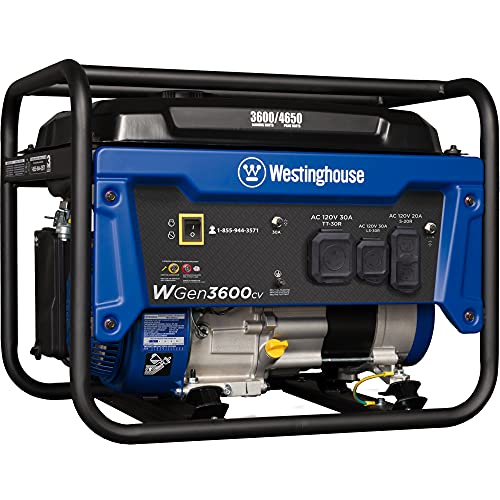
Westinghouse 4650 Peak Watt Portable Generator

Oxseryn Power Equipment 4400 Watts Inverter Generator

AIVOLT 1600W Super Quiet Inverter Generator 28lbs

Oxseryn 4400-Watts Inverter Generator

PowerSmart 3600 Watt Portable Inverter Generator

Champion Power Equipment 4000-Watt Dual Fuel Portable Inverter Generator

DuroStar DS13000MX 13,000-Watt 500cc Dual Fuel Portable Generator
More Details On Our Top Picks
Dual-fuel flexibility gives you room to plan around supply, and the remote electric start keeps the start-up routine simpler from a porch or garage. Compared with the lighter AIVOLT, this Westinghouse sits firmly in backup-first territory, while still staying portable enough for RV use and weekend storage.
The CO sensor adds a safety-minded layer that matters in enclosed or partially enclosed setups, and parallel capability gives you a path to more output later. For households that want one generator to cover outages, camping, and occasional job-site duty, that mix lands well.
Strong Points
- Dual-fuel operation gives you fuel flexibility during outages or travel.
- Remote electric start reduces the hassle of manual pull starts.
- Parallel capability leaves room to scale output later.
- RV-ready setup fits travel trailers without extra adapter hunting.
- CO sensor adds a practical layer for enclosed-use awareness.
Things To Consider
- Dual-fuel hardware usually means a bit more setup and storage attention.
- It sits above the small camping class, so compact-car transport can feel tight.
- Remote-start convenience still depends on battery condition and routine upkeep.
Feature Snapshot
Who It Suits Best
Households that want a flexible backup unit with easier starting and RV support will get the most from this one.
A Better Fit Elsewhere
PowerSmart 3600 Watt Portable Inverter Generator suits apartment storage and lighter emergency loads better.
This Westinghouse leans toward straightforward utility, with enough output headroom to serve RV power needs and heavier household backup than the smaller camping-focused units. Compared with Item 1, it skips the dual-fuel angle, so the selling point is simpler ownership rather than fuel flexibility.
The CO sensor and 30A RV outlet make the use case easy to understand, especially for cabin owners and travelers who want a cleaner connection path. In most garages, that simpler single-fuel setup will also mean less to manage between outings.
What We Like
- Higher peak output gives you more margin for startup loads.
- RV-ready 30A outlet keeps trailer hookup direct.
- CO sensor supports a more cautious operating setup.
- Gas-only design keeps fuel handling straightforward.
Worth Noting
- Single-fuel operation gives up the flexibility of the dual-fuel Westinghouse above it.
- It suits storage space better than true grab-and-go carrying.
- Routine fuel and carb care matter for seasonal backup use.
Core Details
Who Will Love This
Travel trailer owners and households wanting a single-fuel backup unit with a direct RV outlet fit this model best.
Another Choice May Suit
Champion Power Equipment 4000-Watt Dual Fuel Portable Inverter Generator fits you better when fuel flexibility matters more than a simpler setup.
This Oxseryn leans into open-frame practicality, which usually matters more in a garage, utility shed, or emergency backup setup than on a quiet campsite. Compared with the Westinghouse models above, it gives you a more workmanlike approach and a lighter emphasis on refinement.
ECO mode is the sort of feature that helps when loads rise and fall through the day, because the generator can stay more relaxed under lighter demand. For households that want emergency support without paying for a polished shell, that trade-off makes sense.
Highlights
- Open-frame build suits emergency storage and utility use.
- ECO mode helps align output with smaller loads.
- RV-ready positioning widens the use case beyond home backup.
- Low-noise framing is helpful for neighborhood and campground use.
Minor Gripes
- Open-frame construction usually exposes more noise and vibration than enclosed inverter models.
- It takes more visual and storage space than the compact AIVOLT unit.
- Seasonal maintenance can feel more involved on a backup-only machine.
Details At A Glance
The Right Fit
You get the most from this model in a home-backup setup where storage room and practical output matter more than compact form.
Skip It When
AIVOLT 1600W Super Quiet Inverter Generator suits small-space storage and lighter travel needs better.
The AIVOLT is the carry-friendly option in this list, and the 28-pound weight makes that obvious before you even think about the rest of the spec sheet. For camping, tailgating, or a small backup load, that kind of portability matters more than raw output, and that’s where this unit earns attention.
Its 57 dBA noise rating, pure sine wave output, and ECO mode fit the kind of use where you want cleaner power and a calmer sound profile. Pure sine wave means the electricity is shaped more like household current, which helps sensitive electronics run with fewer compatibility headaches.
Best Bits
- 28-pound weight makes transport much easier than larger home-backup units.
- 57 dBA rating keeps sound more manageable in campsites and yards.
- Pure sine wave output suits sensitive electronics well.
- CO auto-shutoff adds a sensible layer for enclosed areas.
- Eight-hour ECO mode supports lighter daily use.
Areas To Watch
- Running capacity stays in the small-load class, so it won’t cover every appliance.
- It fits light-duty needs better than whole-home backup.
- Gas storage and routine carb care still matter during long idle periods.
Spec Overview
Whose Shelf It Belongs On
This belongs with campers, tailgaters, and occasional outage planners who want a lighter generator they can move without drama.
Look Elsewhere When
Westinghouse 4650 Peak Watt Portable Generator fits better for RV owners who want more output and a 30A outlet.
This Oxseryn is the sturdier-looking sibling to Item 3, and it stays in the practical backup lane rather than the lightweight camp-travel lane. The open-frame layout suits garages and storage sheds, while the RV-ready 30A outlet gives it a clearer role for travel or emergency use.
Because it is gas powered and built around a larger backup profile, it makes more sense for households that want a serious standby option without jumping to the DuroStar scale. The honest read is that you trade away some neatness for a more utility-first build, which plenty of homes can live with.
Upsides
- Open-frame layout supports rugged, utility-focused ownership.
- RV-ready 30A outlet broadens the use case.
- Gas power keeps the fuel path familiar.
- Strong backup orientation makes it suitable for outage planning.
Softer Spots
- Open-frame construction is less compact than enclosed inverter designs.
- Storage and maintenance routines feel closer to a full backup machine.
- It asks for more dedicated space than the AIVOLT option.
Feature Rundown
Built With In Mind
You get the most from this model in a garage-backed home that wants a stronger backup unit and occasional RV duty.
Where A Sibling Pick Shines
Oxseryn Power Equipment 4400 Watts Inverter Generator suits you better if you want the same general output range with a more compact profile.
PowerSmart’s pitch is balance, and that comes through in the 3600-watt class, the 8-hour runtime claim, and the digital display that helps you keep a better eye on status. Compared with the smaller AIVOLT, it gives you more breathing room for household backup without pushing into the heavier open-frame category.
The 59 dBA rating, clean power, parallel readiness, and 30A outlet make it feel practical rather than flashy. For households that want a generator you can keep on standby and also put to work during trips, that middle ground is useful.
Positives
- 8-hour runtime target helps with overnight or evening outages.
- Clean power suits electronics and modern appliances more comfortably.
- Parallel ready design leaves room for more output later.
- Digital display gives you a clearer read on operation.
- 30A outlet adds useful connection flexibility.
Room For Improvement
- It still stays below the larger backup class used by the DuroStar.
- 59 dBA is reasonable, though not the quietest figure here.
- Parallel use adds another accessory path to manage.
Feature Card
Made For
Households that want a balanced portable inverter for regular standby use and occasional travel will find this a sensible fit.
Another Choice May Suit
AIVOLT 1600W Super Quiet Inverter Generator is a better match for compact storage and lighter carrying needs.
Champion gives you a familiar combination of dual-fuel flexibility and RV-ready portability, which makes it attractive for mixed-use households. Compared with the Westinghouse dual-fuel model, this one leans a little more toward feature packaging, while keeping the same basic role intact.
The quiet-technology angle matters most around campgrounds and shared spaces, where a calmer sound profile is easier to live with. The free 3-year warranty mention may also matter to shoppers who want a longer support horizon without changing the machine’s job.
Reasons To Buy
- Dual-fuel operation gives you fuel-choice flexibility.
- RV-ready design makes travel use more direct.
- Quiet technology is helpful in shared outdoor settings.
- Warranty term adds extra ownership comfort.
Small Caveats
- Feature-rich packaging can add complexity to setup and storage.
- It still sits in the portable class, so whole-home coverage is outside its lane.
- Dual-fuel systems reward regular maintenance attention.
Quick Facts
Who Should Grab It
RV owners and households wanting a dual-fuel portable with a quieter profile will get strong use from this model.
Swap It Out When
Westinghouse 4650 Peak Watt Portable Generator is the cleaner fit when you want more straightforward gas-only backup.
DuroStar sits at the heavy end of this list, and the 13,000-watt class makes that clear before anything else. For homes that want backup for multiple circuits, larger appliances, or a transfer-switch-ready setup, this is the unit that speaks the loudest to whole-house planning.
The remote electric start and dual-fuel setup add convenience to a machine that is built for serious load coverage. That said, the size and scope move it well beyond casual portability, so it makes sense for fixed backup storage more than everyday rolling around.
Positives
- Very high output suits larger household backup needs.
- Dual-fuel design adds flexibility in fuel planning.
- Remote electric start reduces start-up strain.
- Transfer switch readiness fits whole-home style setups.
- RV and emergency positioning widens usage options.
Points To Note
- This class of generator takes more storage room than portable inverter units.
- It makes more sense as a fixed backup machine than a travel companion.
- Maintenance and fuel planning carry more weight on a large-capacity unit.
Core Details
Perfect Match For
Homeowners planning for larger backup loads and a transfer-switch setup will find this the most capable fit here.
Reach For A Different Pick When
PowerSmart 3600 Watt Portable Inverter Generator suits lighter household backup and easier storage far better.
How To Choose The Right Household Generators
Match Output To Real Loads
Start with what you actually want to keep running, not with the biggest number on the page. A fridge, lights, a router, and phone charging ask for a very different setup than a sump pump or a transfer-switch-backed circuit group.
Peak wattage helps with startup surges, while running wattage speaks to what the unit can support over time. That difference matters in the same way a towing rating and a payload rating do, because one number alone never tells the full story.
Choose Fuel And Start Style With Your Routine In Mind
Dual-fuel models give you more room to manage supply, especially during outages or travel, while gas-only units usually keep the layout simpler. Remote electric start can be a real comfort on larger machines, and pull-start designs still make sense for lighter portable units.
For a garage-kept backup generator, convenience features matter more than they do for an occasional campsite machine. For a unit you plan to move often, each added control and hose or tank decision becomes part of the ownership rhythm.
Pay Attention To Noise, Portability, And Power Quality
Quiet inverter designs work better near patios, campgrounds, and homes with close neighbors, while open-frame units usually make more sense where output and practicality matter more than sound. Weight matters too, because a 28-pound unit and a larger backup generator live in very different categories of ownership.
Clean power and pure sine wave output matter most for electronics, newer appliances, and gear that prefers steadier current. Parallel capability also gives you room to expand later, which can be smarter than overbuying on day one.
What To Weigh Before You Decide
Wrong Turns To Avoid
Shoppers often focus on peak wattage alone and then discover the unit doesn’t match the real load they need to cover. Another common miss is ignoring outlet type, which becomes obvious the moment an RV cord or transfer setup enters the picture.
Storage is another easy blind spot. A larger open-frame model may look manageable online, then feel very different once you need to park it in a crowded garage or move it through a narrow side gate.
The Upgrade Payoff
Higher-tier models usually cost more because they bring larger engines, dual-fuel hardware, remote start systems, better outlet selection, and more complete backup setups. You also tend to get stronger support features, better run-time control, or a design that handles more demanding use without feeling stretched.
That upgrade makes sense for homes that need frequent outage support, RV travelers who want fewer compromises, or anyone planning to connect through a transfer switch. For light weekend use, a smaller inverter unit can be the smarter spend because it stays easier to store and maintain.
Frequently Asked Questions
What size household generator do you need for basic backup?
A small-to-mid portable inverter usually covers lights, refrigeration, and charging. Larger homes or transfer-switch setups need a much higher output class.
Is dual fuel worth it for home backup?
Dual fuel helps when supply or storage flexibility matters. Gas-only models keep things simpler and can suit occasional use.
What does RV ready actually mean?
It means the unit includes an outlet suited to RV connection needs. That cuts down on adapter guessing for travel use.
Why do inverter generators matter?
Inverter designs usually provide cleaner power and better behavior around electronics. They also tend to fit quieter outdoor use more naturally.
How important is noise level for household use?
Noise matters a lot in neighborhoods, patios, and campsites. A quieter unit is easier to live with during longer outages.
Final Thoughts
You get the best result by matching the generator to the way your home actually loses power and the way you plan to store it. The light AIVOLT, the balanced PowerSmart, and the larger DuroStar each serve a very different job, and that’s the point. A good match feels ordinary in the best way, because it shows up when needed and stays out of the way the rest of the time.
