

Power loss feels small for the first hour, then it starts to touch the refrigerator, heating controls, internet, and work-from-home setup. The right house standby generator keeps that disruption from spreading across the home. Some of the picks below are full standby systems built for automatic backup, while others suit emergency use, RV duty, or lighter home support. The difference matters, because the wrong capacity or fuel setup turns a practical backup plan into an expensive compromise.
Quick Look At The Shortlist

Oxseryn Power Equipment 4400 Watts Inverter Generator
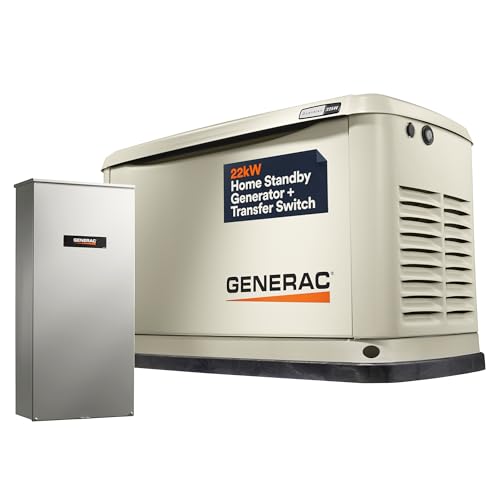
Generac Guardian 22kW Home Generator

DuroStar DS13000MX 13,000-Watt Dual Fuel Generator
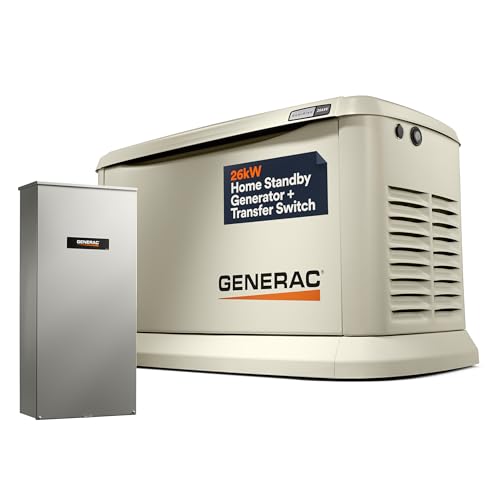
Generac Guardian 26kW Home Standby Generator

Generac Guardian 14kW Home Standby Generator

Generac 26kW Whole Home Generator

Generac 26kW Whole Home Generator

Generac 28kW Whole Home Generator
Portable backup makes sense here, since this Oxseryn model is built around a 4400-watt inverter layout with ECO mode and an open frame. That combination suits a garage, patio, or driveway setup where you want a lighter emergency source rather than a fixed standby system.
The trade-off is obvious, it’s not trying to power an entire home the way the Generac standby units do. For a small household, a workshop corner, or RV-focused use, the RV-ready setup gives you a flexible middle ground without dragging in a full installation project.
Strong Points
- Inverter design helps keep output steadier for sensitive electronics.
- ECO mode can trim fuel use during lighter loads.
- Open-frame construction keeps the footprint manageable for storage.
- RV-ready output broadens its use beyond home emergencies.
Points To Note
- Portable format means manual setup, unlike standby units that sit ready outside the house.
- Open-frame design usually means more sound exposure than enclosed standby models.
- You still need a clear storage spot and routine fuel care.
Feature Snapshot
Who Will Love This
You’ll get the most value here as a commuter-friendly backup owner, RV traveler, or homeowner who wants a portable emergency option without a permanent install.
Skip It When
Generac Guardian 22kW Home Generator fits better for households that want automatic whole-home coverage and can support a fixed standby system.
A 22kW standby setup sits squarely in whole-home territory, and that’s why this Guardian stands apart from the portable Oxseryn above. The transfer switch and WiFi monitoring point to a system designed for automatic changeover and remote status checks, which is exactly what many households want during outages.
Natural gas or propane support gives you fuel flexibility, though the best fit depends on what’s already routed to your property. For larger homes with higher load demand, this feels like a serious backup core rather than a convenience add-on.
What We Like
- 22kW output suits full-house backup planning.
- Transfer switch support helps automate outage response.
- WiFi monitoring lets you check status without walking outside.
- Natural gas or propane compatibility adds installation flexibility.
- Built for storm and outage coverage, not casual use.
Small Caveats
- Fixed installation is more involved than portable-generator ownership.
- Fuel choice should match your property setup, so planning matters early.
Core Details
The Right Fit
You fit this best as a homeowner who wants dependable whole-house backup with fewer manual steps during storms.
A Better Fit Elsewhere
Generac 14kW Home Standby Generator suits smaller homes or lighter load profiles that do not need the extra capacity of this 22kW unit.
This DuroStar sits between the small portable Oxseryn and the fixed Generac standby systems, which makes its dual-fuel format the main draw. Gas and propane support gives you more flexibility during outages, and the remote electric start reduces the usual fuss that comes with a large portable machine.
The 500cc engine size signals a heavier-duty portable class, so it suits homes that want strong emergency coverage without committing to a permanent install. For a driveway, garage, or yard setup, that balance can be a sensible middle path.
Best Bits
- Dual-fuel operation lets you choose between gas and propane.
- Remote electric start simplifies startup compared with manual pull systems.
- Transfer-switch-ready design works well in emergency backup plans.
- Strong enough for RV use and broader home support.
Worth Noting
- Portable size still requires setup and storage space.
- Heavier output class usually brings more upkeep than a lighter inverter unit.
- Sound and placement matter more here than with enclosed standby models.
Details At A Glance
Built With In Mind
You’ll appreciate this most as a homeowner or RV owner who wants flexible emergency power and does not want a fixed system.
Where A Sibling Pick Shines
Generac Guardian 26kW Home Standby Generator is the better route for households that want automatic whole-house coverage and a permanently installed setup.
A 26kW standby generator pushes into heavy household territory, and the included 200 amp transfer switch tells you this system is built for serious backup planning. Compared with the 22kW Generac above, the extra output gives you more breathing room for larger loads and more circuits.
WiFi enabled monitoring adds convenience for day-to-day oversight, while natural gas or liquid propane support keeps fuel planning flexible. For households that hate juggling portable power in bad weather, this kind of automatic setup is the cleanest answer.
Upsides
- 26kW output supports larger homes with broader electrical demand.
- 200 amp transfer switch matches full-house standby planning.
- WiFi enablement helps you monitor status from inside.
- Natural gas or propane compatibility broadens installation options.
- Automatic backup behavior reduces manual work during outages.
Areas To Watch
- Fixed installation is a bigger project than portable backup ownership.
- Capacity can be more than smaller homes truly need.
Spec Overview
Whose Shelf It Belongs On
You suit this best as a homeowner with a larger electrical load and a clear plan for a fixed standby install.
Another Choice May Suit
Generac Guardian 14kW Home Standby Generator fits better for smaller homes that want standby convenience without moving up to this much capacity.
The 14kW Guardian is the more measured standby play in this lineup, and that can be exactly what a smaller home needs. It still gives you automatic whole-house backup behavior, yet it avoids the scale of the 22kW and 26kW units above.
The included 100 amp transfer switch points to a lower-capacity install than the larger Guardian models, which can help match the system to homes with more modest power needs. For families who want standby convenience without overshooting the property, that restraint is a real strength.
Highlights
- 14kW output suits smaller whole-home backup plans.
- 100 amp transfer switch keeps the install appropriately scaled.
- Automatic standby behavior reduces setup steps during outages.
- WiFi enabled monitoring is useful for routine status checks.
- Natural gas or propane support improves site flexibility.
Minor Gripes
- Smaller homes may still need planning for load priorities.
- Fixed installation brings more upkeep than a portable backup unit.
Feature Rundown
Who Should Grab It
You’ll suit this best as a homeowner who wants standby peace of mind and a more modest load profile.
Look Elsewhere When
Generac Guardian 26kW Home Standby Generator is the stronger match for larger homes that need more electrical headroom.
This 26kW Generac keeps the same strong output class as the prior standby model, but cellular capability changes the ownership experience. You’re not just getting automatic backup, you’re also adding a remote monitoring path that works well for people who spend time away from the house.
The included 200 amp transfer switch keeps it in full-house territory, and the outdoor gas or propane setup leaves room for site planning. For long-term outage coverage, the cellular layer is the feature that makes this one feel especially current.
Reasons To Buy
- 26kW output gives you broad backup capacity.
- Cellular capability helps with remote oversight.
- 200 amp transfer switch supports whole-house integration.
- Automatic backup behavior reduces hands-on management.
- Outdoor fuel setup suits permanent installations.
Room For Improvement
- Fixed installation still calls for proper planning and space.
- Cellular monitoring is useful, but it adds another system layer to manage.
Core Details
Perfect Match For
You fit this best as a homeowner who wants whole-house backup plus remote monitoring on a fixed system.
Where A Sibling Pick Shines
Generac 28kW Whole Home Generator is the better call for homes that need the extra output and the added thermostat bundle.
This version of the 26kW Generac leans hard into connected control, with WiFi and cellular monitoring working together. That makes it a strong fit for property owners who want a backup system they can check from different locations, not just from the living room.
Weather-activated behavior adds another layer of convenience, and the natural gas or propane readiness keeps the setup aligned with a permanent install. Compared with the cellular-only model above, this one gives you broader monitoring language and a more polished ownership package.
Positives
- WiFi and cellular monitoring offer flexible oversight.
- Weather-activated operation suits storm-focused backup planning.
- Whole-house coverage keeps the focus on broad home support.
- Natural gas or propane readiness supports fixed installation planning.
Honest Caveats
- Connected features are helpful, but they do not replace proper installation.
- For smaller homes, this much generator may feel larger than necessary.
Feature Card
Best Suited To
You fit this best as a homeowner who wants connected monitoring and whole-house backup in one fixed system.
Swap It Out When
Generac Guardian 14kW Home Standby Generator is a better fit for smaller homes that do not need this much coverage.
The 28kW rating pushes this straight to the top end of the lineup on capacity, and the automatic transfer switch supports that scale. It’s the kind of generator that fits larger homes with heavier electrical demand, where a little extra headroom matters during a long outage.
Cellular monitoring is included, and the Ecobee smart thermostat bundle adds a useful control layer for homes already thinking about connected comfort. The honest read is that this is a strong but sizable system, so it belongs in houses that can genuinely use the output.
Best Bits
- 28kW output gives the most capacity in this roundup.
- Automatic transfer switch supports seamless backup behavior.
- Cellular monitoring helps with remote oversight.
- Ecobee smart thermostat inclusion adds useful control integration.
- Well suited to higher-demand home setups.
Softer Spots
- Capacity is substantial, so smaller homes may overbuy here.
- Permanent install planning still needs room and coordination.
Technical Sheet
Whose Shelf It Belongs On
You fit this best as the owner of a larger household that needs the highest-capacity backup option in this group.
Reach For A Different Pick When
Generac 26kW Whole Home Generator is the more measured choice for homes that want strong coverage without stepping all the way up to 28kW.
How To Choose The Right House Standby Generators
Size The Output To The Home, Not The Hype
Start with the loads you actually need during an outage: refrigerator circuits, heating equipment, lighting, sump pumps, and network gear. Smaller portable units like the Oxseryn fit lighter emergency support, while 14kW to 28kW standby models cover much broader household demand.
Transfer switch size matters for the same reason, because it determines how the generator ties into your electrical system. A 100 amp switch usually points to a smaller standby install, while 200 amp setups suit bigger whole-home plans.
Match Fuel And Install Style To Your Property
Natural gas and propane both show up in this roundup, but the better choice depends on what’s already available at home. Permanent standby units need space, outdoor placement, and a more involved install, so they reward homeowners who want a set-it-and-forget-it backup plan.
Portable generators ask more from you at the start of an outage, but they’re easier to store and move. That makes them a practical answer for garages, RVs, and homes that only need partial backup.
Think About Monitoring, Not Just Power
WiFi and cellular monitoring sound like extras until the weather turns rough and you want status without stepping outside. Those features matter most for second homes, travel-heavy households, and anyone who wants to check the system from a distance.
They do add complexity, though, so a connected model only pays off when you’ll actually use the visibility. For a simple emergency setup, a straightforward portable unit may be enough.
Choose The Capacity That Fits Daily Life
A larger generator can feel reassuring, yet oversizing brings higher installation demands and more system to manage. A compact open-frame unit is easier to handle, while a heavy standby generator suits homes that need automatic coverage and are ready for the footprint.
The cleanest choice comes from your real outage routine, not the biggest number on the page. A family that works from home and relies on climate control needs a different setup than a weekend cabin or an RV-focused household.
Things Worth Knowing First
Wrong Turns To Avoid
Many shoppers start with output alone and forget the install path, fuel source, or transfer switch size. That leads to a unit that looks right on paper but doesn’t match the house.
Another common miss is choosing a portable model for a household that really needs automatic standby behavior. You can still use it, but the convenience gap shows up fast during a storm.
What The Higher Tier Buys
Higher-end standby units usually bring more output, automatic transfer support, and connected monitoring. In practical terms, that means fewer compromises for larger homes and less checking around during outages.
The upgrade also pays for heavier electrical loads and longer backup sessions. For smaller homes, the extra capacity may be more than you need, so the sweet spot stays tied to your actual circuits.
Frequently Asked Questions
What size generator fits a whole house?
That depends on the circuits you want to keep live, not just square footage. A smaller home may work with 14kW, while larger loads often call for 22kW, 26kW, or 28kW.
Is a portable generator enough for home backup?
It can be, especially for essentials like refrigeration and a few key outlets. A portable unit does not offer the same automatic behavior as a standby system.
Why do some generators include transfer switches?
A transfer switch connects the generator to your home’s electrical system in a controlled way. It helps the backup source take over more cleanly during an outage.
Is WiFi or cellular monitoring useful?
Yes, especially for homes you do not watch constantly or for systems you want to check without going outside. It adds convenience, not extra power.
What fuel setup is most practical?
The practical answer is usually the fuel already available at your property. Natural gas is common for fixed installs, while propane works well where a gas line is not in place.
Final Thoughts
The right generator depends on how much of the house you want to keep running and how hands-on you want to be during an outage. Portable picks like the Oxseryn and DuroStar offer flexibility, while the Generac standby models lean into automatic whole-home coverage. The 14kW and 22kW units suit many households, but the 26kW and 28kW models make more sense once the electrical load gets serious. Match the machine to the home, and the rest gets simpler.
