

Home backup gets easier to judge once you sort out capacity, outlet count, and recharge speed. These seven home solar generators cover everything from apartment-friendly outage support to whole-house-minded battery banks that can carry heavier loads for longer stretches.
Some picks lean into portability for camping and RV use, while others are built for closets, garages, or utility rooms where size matters less than output. You get a clear spread of scale, from compact units with pure sine wave AC to expandable systems that can grow as your needs do.
The Shortlist At A Glance

EF ECOFLOW DELTA Pro Portable Power Station 3600Wh

Jackery HomePower 3000 with 2x200W Solar Panels

Jackery Solar Generator 300 with 40W Solar Panel

OUPES Mega 1 Solar Generator with 100W Panel

Jackery HomePower 3600 Plus Portable Power Station with 2X 200W Solar Panels
BLAVOR Portable Power Station 1600W Built-in Solar Panel
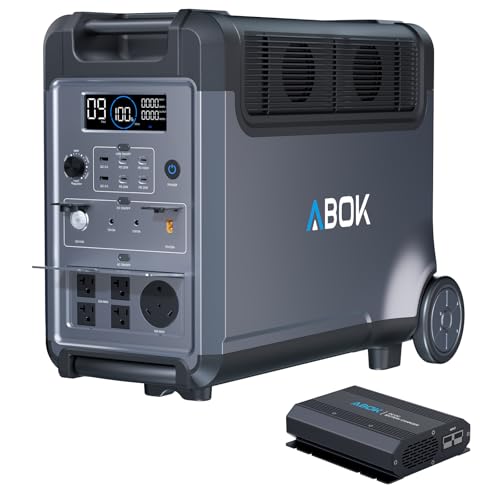
ABOK Ark3600 Portable Power Station 3600W
More Details On Our Top Picks
For a home that needs real outage coverage, this one sits in the heavy-duty lane. The 3600Wh battery gives you a large reserve, and the 3600W AC output is built for appliances and higher-draw gear rather than just phones and lamps.
The expandable design is the bigger story, especially for households that want to grow storage over time. Fast charging matters too, because a backup unit that sits empty between storms can be frustratingly ordinary, and this one is built to avoid that.
Strong Points
- Large battery capacity supports longer household backup use.
- High AC output suits more demanding appliances.
- Expandable storage gives you room to scale later.
- Fast recharge support helps keep it ready between outages.
Points To Note
- Size and weight will suit garages or utility areas better than small closets.
- Expansion makes sense for long-term plans, but it can also raise the overall setup commitment.
- The capacity is generous, so daily casual use may be more than you need.
Feature Snapshot
Who It Suits Best
Households that want serious reserve power for outages, larger rooms, and occasional appliance support get the most from it.
A Better Fit Elsewhere
Jackery Solar Generator 300 with 40W Solar Panel is a cleaner fit for campers and light-duty users who care more about portability than scale.
The included 200W solar panels change the value picture right away, because you are not just getting a battery bank. You are getting a more complete backup setup that reaches 3072Wh and 3600W AC output, with a 7200W surge ceiling for short bursts of heavier demand.
That makes this one appealing for a home that wants a ready-made system without piecing together extras later. The LFP battery, which stands for lithium iron phosphate, points toward long service life and stable chemistry, though the package is still substantial enough that storage space matters.
What We Like
- Panels are included, so the setup feels more complete out of the box.
- 3072Wh capacity gives a practical home-backup cushion.
- 3600W output supports a broader range of household gear.
- LFP battery chemistry suits repeat use over time.
Softer Spots
- The included solar panels add footprint and need somewhere to live when not in use.
- It is still a large system, so casual portability is not the main story.
Core Details
Who Should Grab It
Homeowners who want a bundled backup system for outages, RV use, and day-to-day preparedness get strong value here.
Another Choice May Suit
EF ECOFLOW DELTA Pro Portable Power Station 3600Wh fits better for households that want a larger capacity ceiling and a more expansion-focused path.
This is the small, easy-to-place option in the group, and that matters for travel or emergency kits. With 292Wh of storage and a 300W AC outlet, it fits essentials first, not appliance-heavy backup.
The pure sine wave AC output is worth noting because it delivers a cleaner household-style power shape for sensitive electronics. The trade-off is obvious, though, since the compact footprint that helps you carry it also limits how much it can keep running at once.
Upsides
- Compact size suits packed vehicles and tight storage shelves.
- Pure sine wave AC output is a smart fit for electronics.
- Included 40W panel adds a basic charging path outdoors.
- Light-duty design keeps the setup simple for quick outings.
Room For Improvement
- Lower capacity limits it to small devices and brief use.
- The 40W panel is modest, so recharge pace will suit patient users more than fast-paced households.
- It is better as a portable companion than a main home reserve.
Quick Facts
Made For
Campers, weekend travelers, and anyone building a compact emergency kit get the most practical use from it.
Where A Sibling Pick Shines
BLAVOR Portable Power Station 1600W Built-in Solar Panel fits better for home backup users who want more capacity without moving all the way up to the large Jackery units.
Some backup stations focus on raw reserve, while this one leans into control and connectivity. The 1024Wh LiFePO4 battery, 2000W output, and included 100W panel make it feel organized for a home desk, media corner, or workshop setup.
Built-in MPPT, short for maximum power point tracking, helps the unit pull more useful energy from a solar source by adjusting to panel conditions. The APP control and 13 ports make the layout more flexible than the simpler units above, though the smaller capacity keeps it in a mid-tier role rather than a whole-home class.
Bright Spots
- 13 ports give you more room for varied devices.
- APP control adds easier status checking and setup control.
- Built-in MPPT supports more efficient solar charging behavior.
- UPS backup function suits gear that needs quick switchover support.
- Included panel keeps the package more complete than a bare station.
Areas To Watch
- The mid-size battery is useful, but not as roomy as the larger Jackery and ECOFLOW units.
- More ports can mean a busier layout, so cable management matters.
Details At A Glance
Built With In Mind
Tech-heavy homes, home offices, and setups that juggle several devices at once get strong mileage from it.
Swap It Out When
Jackery HomePower 3600 Plus Portable Power Station with 2X 200W Solar Panels is the better fit for longer outages and larger households that want a much bigger reserve.
Compared with the smaller Jackery and OUPES units, this one is built for a deeper home backup reserve. The 3584Wh LFP battery, 3600W AC output, and paired 200W panels make it a more serious anchor for outage planning.
Expansion up to 21kWh is the number that stands out, because it lets the system grow into a much larger role over time. That sort of headroom suits a household that prefers one strong platform instead of replacing smaller stations later, though the larger footprint asks for dedicated storage space.
Reasons To Buy
- Large battery reserve supports extended backup use.
- 3600W output gives it broad household reach.
- Included panels help complete the setup.
- Expansion path offers room for long-term planning.
- LFP battery chemistry is a sensible fit for repeat use.
Small Caveats
- It takes more space than the compact and mid-size options.
- The larger format makes casual carrying less appealing.
- That much capacity is more than some apartments need.
Spec Overview
Whose Shelf It Belongs On
Homeowners planning for longer outages, larger loads, and a scalable backup path get the most from it.
Not Your Match When
Jackery Solar Generator 300 with 40W Solar Panel makes more sense for lightweight travel and simple emergency kits.
This BLAVOR unit lands between the compact Jackery and the heavier home-first systems. Its 1024Wh battery and 1600W output make it a reasonable middle step for users who want more muscle than a travel kit without moving into the biggest boxes.
The built-in solar panel is the notable convenience angle, and the 100W USB-C fast charge support helps modern devices move back into service with less waiting. The peak 3200W figure gives it a little breathing room for startup demands, but the honest read is that it still sits below the larger 3600W class above.
Highlights
- Built-in solar panel reduces the need for separate panel management.
- 1024Wh capacity gives you useful mid-size reserve.
- 100W USB-C fast charge fits modern laptops and devices.
- Peak output adds margin for short startup bursts.
Worth Noting
- It does not reach the larger output and reserve class of the ECOFLOW and bigger Jackery options.
- Built-in panel convenience can trade off against placement flexibility.
- Mid-size units like this still need sensible storage planning.
Technical Sheet
Right Fit For
Home users who want a balanced mid-size backup option with easy device charging and some portable use on the side fit this well.
Look Elsewhere When
OUPES Mega 1 Solar Generator with 100W Panel is the better match for shoppers who want more ports, app control, and a clearer control hub.
This one is built like a serious reserve station, not a casual weekend pack. You get 3840Wh of storage, 3600W output, and a 10ms UPS switchover, where UPS means uninterruptible power supply, so connected devices can stay steadier during interruptions.
The expansion ceiling to 11520Wh gives it a long runway for larger backup plans, and the 3-hour fast charge keeps recharge time sensible for a battery this size. It sits closest to the ECOFLOW and bigger Jackery models, though the 15 outlets make it feel especially ready for multi-device setups.
Best Bits
- 3840Wh capacity gives you a deep backup reserve.
- 3600W output suits heavier household loads.
- 10ms UPS support helps with steadier device continuity.
- 15 outlets make multi-device planning easier.
- Expansion to 11520Wh leaves plenty of growth room.
Honest Caveats
- The larger format makes it more of a fixed home station than a grab-and-go unit.
- Plenty of outlets can mean more cables to manage.
- Expansion is a strength, but it also suggests a bigger long-term setup commitment.
Feature Rundown
Perfect Match For
Households preparing for long outages, storm seasons, or a dense device load get the strongest fit here.
Reach For A Different Pick When
Jackery Solar Generator 300 with 40W Solar Panel is the better choice for minimalists who care most about light carry weight and simple essentials.
How To Choose The Right Home Solar Generators
Start With Runtime, Not Hype
Capacity, measured in watt-hours, tells you how much energy a station stores. A 300Wh unit suits phones and lights, while a 3000Wh-class system fits a far larger outage plan.
That number matters more than glossy wording because your actual use case decides the match. A fridge, modem, and a few lamps live in a different category from a camp lantern and a laptop.
Match Output To The Loads You Plan To Run
AC output, measured in watts, shows how much power the inverter can supply at once. Inverter means the part that turns battery power into household-style power for standard plugs.
Higher output helps with heavier appliances and startup spikes. The trade-off is usually a larger cabinet, more weight, and a higher commitment to storage space.
Think About Recharge And Expansion Together
Fast charging matters after storms, because a backup unit that takes too long to refill can leave you waiting. Solar input, wall charging, and expansion ports all shape how useful the system feels over time.
Expansion is especially relevant for homes that may add batteries later. That path suits a garage shelf or utility room better than a small apartment corner.
Choose Convenience Features For Your Routine
Some setups include panels, app control, more outlets, or UPS support for steadier device continuity. These are not just extras, they change how smooth the unit feels during a real outage or travel day.
A simple station can be enough for weekend use, while a feature-heavy model pays off for households that keep several devices connected at once. The right answer depends on how crowded your power needs already are.
What To Weigh Before You Click Ahead
Mistakes Worth Dodging
Shoppers often focus on capacity alone and forget output limits. That leaves them with a large battery that still cannot handle the appliance they wanted to run.
Another common miss is underestimating storage space. These units are not tiny, and a neat utility shelf can disappear once panels, cables, and accessories join the stack.
The Upgrade Payoff
Higher-tier models usually cost more because they pack larger batteries, stronger inverters, and better expansion paths. You are also paying for smoother charging options and more flexible port layouts.
That upgrade makes sense for households that use backup power often or keep critical devices running through outages. For lighter needs, a smaller unit is easier to live with and easier to store.
Frequently Asked Questions
How much capacity do you need for home backup?
Small essentials can work with a few hundred watt-hours, while a fridge, router, and lighting setup usually need much more. The right size depends on the devices you want to keep active and for how long.
Does included solar charging matter?
Yes, because it gives you a clearer route to recharge without building the setup piece by piece. That matters most for homes that want a more self-contained backup plan.
What does LFP battery chemistry mean?
LFP means lithium iron phosphate, a battery type often chosen for stable, long-term use. It is common in larger backup stations because it suits repeated charging cycles well.
Why does pure sine wave output matter?
Pure sine wave output creates a cleaner power form that works well with many electronics. It is a smart detail for laptops, modems, and similar gear.
Should you prioritize portability or expansion?
Portability helps for travel and quick moves between rooms. Expansion matters more for households that want one system to grow with future needs.
Final Thoughts
The best home solar generator for you comes down to scale, not buzz. A compact unit suits light backup and travel, while the larger Jackery, ECOFLOW, and ABOK models make more sense for household coverage that has to stretch through a longer outage. The middle options, especially OUPES and BLAVOR, fill the gap for homes that want useful reserve without going straight to the biggest box. Match the battery, output, and storage footprint to your routine, and the choice gets much easier.
