

You want backup power that fits real life, not just a spec sheet. Maybe you’re keeping the fridge cold during an outage, powering tools at a jobsite, or making a campsite feel a little less remote. The right generator depends on runtime, noise, outlet layout, and how much weight you’re willing to move around. This roundup keeps those trade-offs clear.
Quick Look At The Shortlist
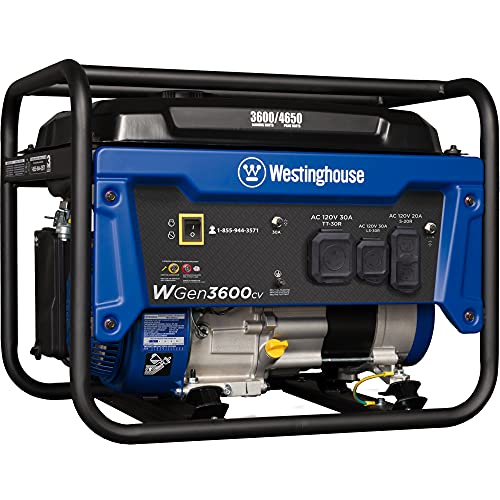
Westinghouse 4650 Peak Watt Portable Generator

Oxseryn Power Equipment 4400 Watts Inverter Generator

AIVOLT 1600W Super Quiet Inverter Generator 28lbs

Oxseryn 4400-Watts Inverter Generator

WEN 6800-Watt Dual Fuel RV-Ready Electric Start Portable Inverter Generator

PowerSmart 3600 Watt Portable Inverter Generator

DuroStar DS13000MX 13,000-Watt 500cc Dual Fuel Portable Generator

2500W Portable Generator Super Quiet Inverter Generator
More Details On Our Top Picks
That 30A RV outlet gives this Westinghouse a clear use case beyond basic home backup. For weekend campers, tailgaters, or anyone who wants to keep a travel trailer ready, the layout makes sense without feeling overbuilt.
The trade-off is size and fuel use, which come with this class of portable gas generator. Compared with the smaller AIVOLT and SIOKIUU picks, this one leans more toward flexible household support than easy carrying.
Strong Points
- RV-ready 30A outlet fits trailer power needs without extra adapters in many setups.
- Gas power gives you a familiar refueling path during outages or road trips.
- Useful middle ground for homes that need more than a tiny camping unit.
- The CO sensor adds a reassuring layer for enclosed-space awareness.
Things To Consider
- It sits in a heavier, less grab-and-go class than the compact inverter picks.
- Gas storage and routine upkeep add the usual ownership chores.
- It makes more sense for planned placement than for frequent lifting.
Feature Snapshot
Who It Suits Best
You get the most from this pick when you split time between home backup and RV use.
A Better Fit Elsewhere
WEN DF680iX suits you better when dual-fuel flexibility matters more than a single-fuel setup.
This Oxseryn sits in an interesting middle lane, with inverter-style power in an open-frame body. That mix tends to suit garages, worksites, and RV stops where you want cleaner output than a plain contractor unit without moving into a tiny camping machine.
ECO mode usually matters most during lighter loads, since it helps the engine settle down instead of staying busy all the time. Compared with the Westinghouse, this one feels a bit more utility-first and a touch less travel-friendly, which is the honest trade-off.
What We Like
- Inverter design better fits electronics than a plain open-frame approach.
- ECO mode helps match output to lighter-day demands.
- RV-ready support makes it useful for mixed home and travel routines.
- 4400-watt class power gives you room for common backup loads.
Small Caveats
- Open-frame styling usually means more noise and more bulk than enclosed portables.
- It asks for fuel care and regular storage attention.
- Carrying it around a lot may feel less comfortable than using a compact inverter.
Core Details
Who Will Love This
You’ll appreciate this more than most compact units when you want one machine for backup and RV duty.
Where A Sibling Pick Shines
PowerSmart 3600 Watt Portable Inverter Generator suits lighter camping use better, especially when portability matters more than output headroom.
Weight matters fast once you start loading gear into a trunk, tent site, or small storage closet, and this AIVOLT keeps that part simple. At 28 pounds, it’s the easiest pick here to picture carrying from the car to a campsite without turning it into a whole project.
The 57 dBA noise figure, pure sine wave output, and CO auto-shutoff all point toward careful, appliance-friendly use. Pure sine wave means the electricity is shaped more smoothly, which is useful for electronics, and that makes this a smart fit for light camping loads and small backup needs.
Highlights
- Light 28-pound frame makes moving and storing it straightforward.
- 57 dBA rating keeps it in a quieter lane for campsite use.
- Pure sine wave output suits phones, laptops, and similar electronics.
- CO auto-shutoff adds a useful safety-related layer for enclosed awareness.
- ECO mode supports longer runtime during lighter use.
Areas To Watch
- 1260 watts of running power keeps this in a small-load category.
- It’s less suited to whole-home backup than the larger WEN or DuroStar units.
- Gas upkeep still applies, even though the body is easy to carry.
Details At A Glance
Whose Shelf It Belongs On
You get the most from this model when storage space is tight and your power needs stay modest.
Swap It Out When
Westinghouse 4650 Peak Watt Portable Generator suits you better once RV power or broader home coverage moves up the list.
Compared with the AIVOLT, this Oxseryn shifts away from featherweight portability and toward more versatile backup use. The RV-ready 30A outlet and emergency home backup positioning make it a stronger all-around utility piece for people who want one machine to cover more situations.
The open-frame design gives it a more rugged feel, though that usually comes with more noise and less easy carrying than the sealed inverter models. In most garages or on a jobsite, that trade-off feels reasonable.
Upsides
- RV-ready 30A outlet broadens its use beyond simple appliance support.
- Inverter output is friendlier for many electronics than a basic generator setup.
- Good fit for backup planning at home and away from home.
- The open-frame format suits more stationary use.
Points To Note
- Open-frame construction usually asks for more room than compact enclosed units.
- It is less carry-friendly than the smaller AIVOLT.
- Routine fuel handling and storage planning still matter.
Feature Card
Perfect Match For
You’ll like this most when RV trips and home backup share the same machine.
Look Elsewhere When
AIVOLT 1600W Super Quiet Inverter Generator fits better for light-carry travel and smaller storage spaces.
This WEN feels like the most flexible step up in the list, especially for people who want gas-and-propane freedom instead of a single-fuel setup. Electric start and fuel shutoff make day-to-day handling easier, and that matters when a generator sits ready for storms or longer outages.
Compared with the Oxseryn units, it gives you a more premium backup profile without moving into the massive DuroStar size. The honest trade-off is that more capability also means more to think about, from fuel choices to storage space.
Reasons To Buy
- Dual-fuel design adds practical flexibility during emergencies.
- Electric start keeps startup simpler than pull-only models.
- RV-ready setup fits travel trailers and campsite needs.
- CO Watchdog adds an extra shutoff layer tied to exhaust awareness.
- Fuel shutoff helps with storage routine and maintenance planning.
Worth Noting
- Dual-fuel convenience brings more setup choices to manage.
- It’s a bigger commitment than compact camping-focused models.
- Storage space and routine upkeep matter more here than on small inverters.
Spec Overview
Built With In Mind
You’ll get the most from this one when longer outage planning is part of the picture.
Where A Sibling Pick Shines
PowerSmart 3600 Watt Portable Inverter Generator fits lighter, quieter weekend use better than this higher-capacity model.
This PowerSmart lands in a very usable middle space, with enough output for practical weekend power and not so much bulk that you dread moving it. The digital display, parallel-ready design, and 30A outlet make it feel more complete than a bare-bones camping unit.
Parallel-ready means you can connect another compatible generator later for more output, which gives you a path to grow without replacing the whole setup. Compared with the WEN, it’s the simpler choice, though it also gives up the dual-fuel flexibility and electric-start convenience.
Best Bits
- 8-hour runtime claim points to practical overnight or day-trip use.
- 59 dBA rating keeps noise in a friendlier range for campsites.
- Clean power suits electronics and mixed light-duty loads.
- Parallel-ready setup gives you room to scale later.
- Digital display makes basic status checks easier at a glance.
Softer Spots
- It does not bring the fuel flexibility of the WEN model.
- Moderate output suits light backup better than larger home coverage.
- Like most portable gas units, upkeep and fuel storage still matter.
Core Details
The Right Fit
You’ll like this most for camping, tailgating, and modest home backup.
Another Choice May Suit
WEN 6800-Watt Dual Fuel RV-Ready Electric Start Portable Inverter Generator works better for longer outages and fuel flexibility.
This DuroStar is built for serious backup planning, not casual patio duty. The 13,000-watt output, 500cc engine, and transfer-switch-ready setup point toward whole-home use, which is a very different job from the compact AIVOLT and SIOKIUU picks.
Remote electric start makes it easier to bring online, and the dual-fuel setup gives you another layer of flexibility during longer outages. The honest read is that this size makes sense for a large property, but it is too much machine for quick camping trips or simple tailgates.
Positives
- High output suits larger home backup needs.
- Dual-fuel design gives you more fuel-path options.
- Remote electric start adds convenience from a distance.
- Transfer-switch-ready layout fits more serious standby planning.
Areas To Watch
- Its size and output level make it more generator than weekend accessory.
- Storage, fuel handling, and placement take more planning.
- It is far less portable than the smaller inverter models in this list.
Technical Sheet
Who Should Grab It
You’ll want this when your backup plan covers a large home or heavier power demand.
Where Shoppers Go Wrong
PowerSmart 3600 Watt Portable Inverter Generator is the better fit for lighter use, smaller storage, and easier movement.
This SIOKIUU feels aimed at people who want a small backup machine that is easier to tuck away and carry. Its super-quiet inverter design, ECO mode, and CO sensor protection put it in the same lightweight conversation as the AIVOLT, though the higher 2500W output gives it a bit more headroom.
That extra capacity helps for home backup basics and camping gear that stays within a modest draw. It still makes the most sense for lighter needs, because compact generators are a bit like daypacks, handy when packed right, limited when you overstuff them.
Positives
- Ultra-light direction makes moving and storing it simpler.
- Super-quiet inverter design fits campsites and close quarters better.
- CO sensor protection adds an important safety-related layer.
- ECO mode helps match output to lighter use.
Minor Gripes
- It still sits in a smaller-output class than the Westinghouse or WEN units.
- Longer outage coverage will push you toward a larger model.
- Fuel care and storage still come with the usual portable-generator routine.
Quick Facts
Made For
You’ll like this most for compact storage, camping, and lighter backup needs.
Consider Something Else When
DuroStar DS13000MX 13,000-Watt 500cc Dual Fuel Portable Generator fits much larger home backup plans.
How To Choose The Right Generators
Match Output To The Job
Start with what you actually want to power, not just the biggest number on the box. A 2500W or 1600W unit fits phones, lights, small appliances, and campsite gear, while 4400W to 6800W class models handle broader home backup and RV use more comfortably.
The DuroStar sits in a different lane again, because 13,000 watts points to whole-home planning and heavier loads. That extra capacity matters only when your setup truly needs it, since larger machines also ask for more space, fuel, and attention.
Decide How Portable You Need It To Be
Weight and frame style shape daily ownership more than many shoppers expect. The AIVOLT and SIOKIUU are the easiest to carry and store, while open-frame models like both Oxseryn picks trade some convenience for tougher utility-oriented builds.
For a garage, truck bed, or dedicated backup spot, that trade can feel fine. For a trunk, small shed, or cabin trip, compact dimensions and lighter weight usually matter more than raw output.
Check Noise, Power Quality, And Outlets
Noise becomes a big deal around campsites, shared yards, and close neighbors, which is why quieter inverter models often feel more livable. Pure sine wave output also matters for many electronics, because it delivers smoother electrical current than rougher power shapes.
Outlet layout deserves attention too. RV-ready 30A outlets, parallel capability, electric start, and transfer-switch readiness each solve a different real-world problem, and the right mix saves you from carrying extra adapters or dealing with awkward workarounds.
A Quick Reality Check
Mistakes Worth Dodging
Many people focus only on peak wattage and ignore runtime, noise, and fuel type. That leads to a machine that sounds fine on paper but feels clumsy in a driveway or campsite.
Another easy miss is underestimating storage and upkeep. Gas units need space, routine care, and safe handling habits, so the convenient choice on paper can become the fussy one at home.
What The Higher Tier Buys
Higher-priced generators usually spend that extra cost on more output, dual-fuel flexibility, electric start, transfer-switch support, or a better inverter package. Those features matter most during longer outages, heavier home loads, or frequent RV travel.
For occasional camping, a compact model often does the job with less hassle. For homes that need backup to feel dependable rather than temporary, the upgrade can make everyday use simpler.
Frequently Asked Questions
What size generator fits a normal home backup setup?
A midrange unit around 3600W to 6800W covers many practical home needs, especially for essential appliances. Larger homes with heavier loads usually need more headroom, which is where the 13,000W class stands apart.
Are inverter generators better for electronics?
Inverter models usually make smoother power, which suits laptops, phones, and similar gear. That’s a useful advantage for campers and anyone running sensitive devices.
Does a quiet generator matter that much?
Quiet operation matters a lot in campsites, patios, and neighborhoods with close spacing. A lower dBA number usually means a more comfortable background presence, though load and placement still affect what you hear.
Why does dual fuel matter?
Dual fuel gives you gas and propane options, so you can adapt to supply or storage conditions more easily. That flexibility tends to matter most during extended outages or for people who already keep propane on hand.
What does RV-ready mean?
RV-ready usually means the generator includes outlet support suited to trailer hookups. It simplifies travel use by reducing the need for awkward adapters or mismatched cords.
Closing Thoughts
You have a wider range of good generator choices than most categories offer, which is helpful and a little inconvenient at the same time. The compact AIVOLT and SIOKIUU fit easy transport, the midrange PowerSmart and Oxseryn models cover mixed backup needs, and the WEN or DuroStar make sense when you want more serious household support. Westinghouse stays useful for RV-minded use, especially if one machine has to do more than one job. Pick the size that fits your space, your fuel habits, and the way you actually live.
