

Running lights during an outage, keeping a camper charged, or backing up a small workshop takes the right kind of power, not just more wattage. This roundup focuses on portable picks that fit common home, travel, and outdoor setups without overcomplicating the choice. You’ll see gas inverter styles alongside battery stations, since the best fit depends on noise tolerance, outlet needs, and how often you move the unit. The honest read is simple, some are built for steady household backup, while others are far better for quiet trips and indoor-safe charging.
Quick Look At The Shortlist

Oxseryn Power Equipment 4400W Inverter Generator
GRECELL Portable Power Station 500W 519.48Wh

AIVOLT 1600W Super Quiet Inverter Generator
AIVOLT 1750W Inverter Generator Portable Gas

Oxseryn 2800W Portable Inverter Generator

Oxseryn 4400W Open Frame Inverter Generator
EBL Portable Power Station 500W 519.48Wh

AMERISUN 4500W Open Frame Gas Inverter Generator
More Details On Our Top Picks
This Oxseryn leans toward home backup first, with an open-frame build and RV-ready positioning that suit garages, sheds, and driveway storage. The lower-noise note and ECO mode point to a more measured fuel draw during lighter loads, which matters for long outage stretches or a weekend camper setup. You’ll feel the trade-off in the larger, less grab-and-go form factor, so it fits best where output matters more than compact storage.
Compared with the smaller AIVOLT picks later in the list, this one is the heavier-duty direction of travel. The honest read is that it makes more sense beside a transfer-style household setup or a trailer rig than beside a picnic table.
Strong Points
- Open-frame layout suits steadier backup use.
- ECO mode helps stretch fuel under lighter loads.
- RV-ready positioning makes trailer pairing easier.
- Lower-noise design is friendlier in dense neighborhoods.
Things To Consider
- Open-frame construction takes more space than compact carry units.
- Gas-powered upkeep means fuel storage and periodic care.
- Weight and bulk make it less appealing for frequent loading.
Feature Snapshot
Who It Suits Best
Households that want a backup-focused gas unit with RV use in the mix will get the most from it.
A Better Fit Elsewhere
GRECELL Portable Power Station 500W 519.48Wh suits apartment dwellers or quiet indoor charging more cleanly.
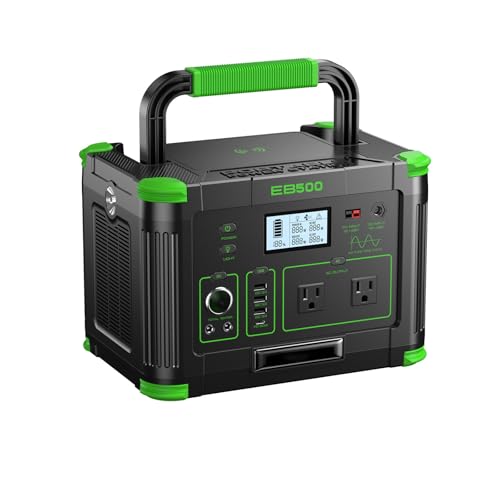
Battery stations like this GRECELL are the quiet end of the category, and that matters in an RV, a tent setup with a power hub, or a living room during an outage. The 519.48Wh capacity, which is the unit’s stored energy reserve, gives you a clearer sense of how far it can go before recharging. Wireless charging and multiple outputs make it feel more like a tidy desktop command center than a noisy machine.
Compared with the gas units above, you trade away fuel-based runtime and higher surge muscle for simpler placement and less noise. That makes it a smart match for apartment backup, phone charging, or travel where fumes and vibration are a bad fit.
What We Like
- Wireless charging helps keep a phone pad simple and tidy.
- Two AC outlets support small appliances or laptop charging.
- Ten output points reduce the need for extra adapters.
- USB-C PD 60W is useful for modern laptops and tablets.
- Battery format works well in spaces where gas units feel awkward.
Points To Note
- Battery capacity is finite, so runtime depends on what you plug in.
- Peak output matters for startup loads, not steady draw alone.
- Heavier use means more frequent recharging sessions.
Core Details
Who Will Love This
Travelers, apartment dwellers, and anyone who wants quiet device charging will find the layout easy to live with.
Look Elsewhere When
Oxseryn Power Equipment 4400W Inverter Generator fits whole-home backup plans much better than a battery station.
This AIVOLT reads as the carry-friendly gas pick in the group, helped by its 28-lb weight and 26.5-lb label that hint at easier loading and less strain at the tailgate. The 57dBA noise figure, which measures sound in decibels, gives you a clearer idea of how it may sit in a campground or patio setting. Pure sine wave output is a useful detail for sensitive electronics, because it means a smoother power form than basic rough output.
Compared with the larger Oxseryn models, this one gives up capacity for portability, and that trade-off is exactly the point. For solo camping, short power tasks, or backup for a few key devices, it feels well matched, though full-house expectations would be too much for it.
Upsides
- Light weight makes it easier to move between storage and use.
- Low sound rating suits campgrounds and close quarters.
- Pure sine wave output helps with device compatibility.
- ECO mode can reduce fuel use during lighter demand.
- CO auto-shutoff adds a useful automated safety layer.
Room For Improvement
- Smaller output ceiling limits heavier household appliances.
- Gas upkeep still calls for fuel handling and routine care.
- Lightweight design can mean less presence on rough ground.
Details At A Glance
Built With In Mind
You’ll get the most from it as a camping or light home-backup unit where portability matters just as much as output.
Swap It Out When
AIVOLT 1750W Inverter Generator Portable Gas Generator makes more sense for you if a little extra output is worth the added weight.
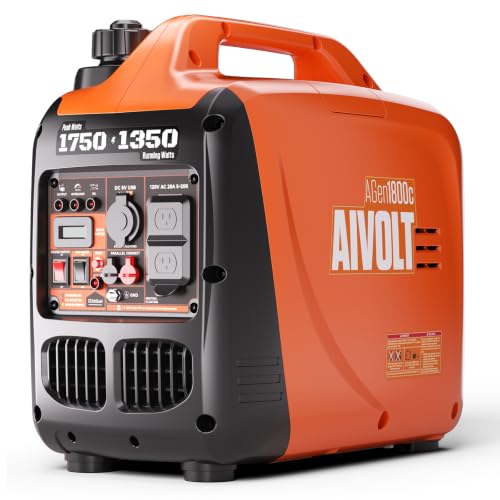
This AIVOLT pushes a little higher on portability than the previous pick, and that one-hand carry detail matters more than it sounds. At 26.5 lbs, it fits the person who wants gas power without wrestling a bulky chassis across a driveway or campsite. The CO auto-shutoff and clean power note make it feel thoughtfully aimed at routine backup instead of occasional novelty use.
Compared with the 1600W version, you get a bit more headroom while keeping the same easy-moving spirit. The trade-off is still the same, gas maintenance remains part of ownership, so this suits people who are fine with fuel and periodic upkeep.
Best Bits
- One-hand carry design keeps moving it simple.
- Lower weight helps during setup and storage.
- Super quiet rating is practical for close-in use.
- Clean output and CO shutoff support electronics-friendly use.
- ECO mode helps during lighter daily power needs.
Minor Gripes
- Smaller form still won’t replace a larger backup unit.
- Fuel-based use means more maintenance than battery stations.
- Weight savings matter less once it’s parked in one spot.
Feature Rundown
Right Fit For
You’ll like this most for light home backup, camping, and any setup where you move the generator often.
Another Choice May Suit
Oxseryn 2800W Portable Inverter Generator suits you better once your backup needs move beyond compact carry territory.
This Oxseryn sits in the middle of the lineup in a useful way, giving you more breathing room than the light carry models without jumping straight to the larger 4400W units. The 1.1-gallon fuel tank is a practical detail, because tank size shapes how often you’re stopping for refills during backup use. At 39 lbs, it stays portable enough for garage storage, campsite duty, and moving between spots without turning into a chore.
Compared with the AIVOLT 1750W, this is the better step-up for people who want a less fragile feeling backup margin. The honest read is that it fits small-home needs, weekend use, and shared family power better than tiny travel stations.
Positives
- Middleweight output range gives you more margin than compact units.
- Fuel shutoff supports cleaner storage between uses.
- 1.1-gallon tank is straightforward for routine refills.
- 39-lb build stays manageable for garage or trunk loading.
Softer Spots
- Gas care still asks for regular attention.
- Not as easy to carry as the 26.5-lb AIVOLT.
- Open use around it means you’ll want a sensible storage spot.
Spec Overview
Whose Shelf It Belongs On
It suits you best when you want a portable gas unit with more stamina than the smallest camping options.
Where A Sibling Pick Shines
GRECELL Portable Power Station 500W 519.48Wh is the cleaner fit for quiet indoor charging and apartment use.
Compared with the 2800W Oxseryn, this model pushes further into RV and backup territory with a 30A outlet, which is the kind of connector that helps larger rigs draw power more naturally. Open-frame construction usually signals a more utility-first machine, and that matches the emergency home backup label well. For garages, trailers, and jobsite support, it looks like the more serious of the two Oxseryn gas picks.
The trade-off is plain enough, open-frame units tend to feel less compact and less discreet than closed travel models. That’s fine for fixed storage or trailer life, but it’s not the right shape for casual carry.
Highlights
- 30A outlet supports RV-style power needs.
- Open-frame design suits utility-focused backup use.
- 4400W output gives more room for bigger loads.
- Emergency home positioning helps with outage planning.
- RV-ready setup reduces friction for trailer owners.
Worth Noting
- Open-frame format takes more storage space than compact generators.
- Gas maintenance is part of long-term ownership.
- Less travel-friendly than lighter carry models.
At A Glance
Perfect Match For
You’ll appreciate it most for RV trips, home backup planning, and tougher storage conditions like garages or sheds.
Where Another Pick Suits Better
AIVOLT 1750W Inverter Generator Portable Gas Generator is the easier carry option for campers who value portability above all else.
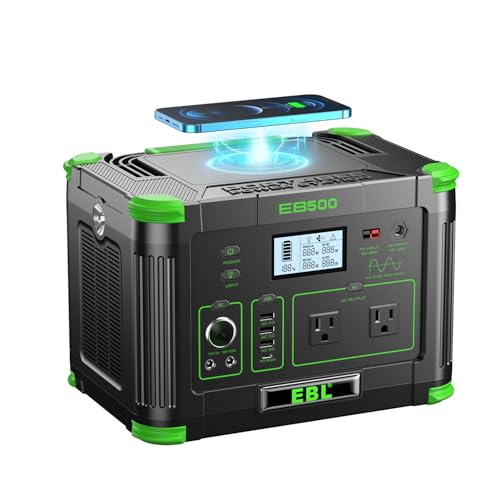
EBL follows the same battery-station logic as the GRECELL, but the tone here is practical backup rather than polished travel gadget. Two AC outlets and ten total ports make it easy to spread power across phones, lamps, routers, and small gear without juggling adapters. The 519.48Wh battery capacity keeps it in the same general class as the GRECELL, so the real difference comes down to layout and branding preference.
For indoor emergency use, this is easier to live with than any gas generator in the group. The catch is simple, battery storage is finite, so this suits short outage support and mobile charging more than long-duration appliance duty.
Best Bits
- Two AC outlets handle basic plug-in gear.
- Ten ports reduce clutter for mixed-device charging.
- Battery-based design fits indoor and enclosed spaces.
- Portable format works well for camping and emergency kits.
Areas To Watch
- Battery runtime depends heavily on what you connect.
- Longer outages mean more recharging planning.
- Noisy engine power is absent, which also means lower surge headroom than gas models.
Quick Facts
Made For
You’ll get the most from it in a home emergency kit, a camper van, or a setup where quiet charging matters.
Where Shoppers Go Wrong
Oxseryn 4400W Inverter Generator fits people who need engine-driven runtime instead of battery-limited storage.
AMERISUN is the most flexible step-up in the group, mostly because it mixes 4500W output with parallel readiness and a 30A RV outlet. Parallel ready means you can pair compatible units to increase available power, which matters more once your needs outgrow a single compact generator. Eco mode gives it a bit of efficiency-minded character, and the CO alert feature adds an extra layer of operational awareness for routine use.
Compared with the Oxseryn 4400W open-frame unit, this one leans into flexibility more than brute utility. For RV owners, contractors, and home-backup users who want room to grow, it lands in a useful middle space.
What We Like
- 4500W output gives strong room for larger loads.
- Parallel readiness supports expansion later.
- 30A RV outlet aligns well with trailer setups.
- Eco mode helps manage fuel use during lighter demand.
- CO alert provides a helpful operating reminder.
Small Caveats
- Open-frame format is less compact than battery stations.
- Gas upkeep still applies.
- Parallel use only matters for compatible setups.
Key Specs
Who Should Grab It
You’re the best match here if your setup may grow over time and you want RV-ready backup with extra headroom.
Skip It When
GRECELL Portable Power Station 500W 519.48Wh fits quieter indoor charging and lighter travel packing much better.
How To Choose The Right Generators Under 500
Match Power Type To The Setting
Gas inverter generators suit garages, trailers, jobsites, and longer outage use because they can keep running as long as fuel is available. Battery power stations fit apartments, indoor charging, and campsites where quiet operation matters more than raw runtime.
The trade-off is straightforward, gas gives you more endurance and surge room, while batteries give you cleaner handling and easier placement. For many homes, the right answer is not the loudest machine, but the one that fits the space you actually have.
Read Wattage As A Use-Case Number
Running wattage tells you what a unit can support continuously, while peak wattage covers the short startup burst some devices need. That distinction matters for refrigerators, sump pumps, and power tools, because those loads can ask for more at start than they do while settled.
A smaller station can still be a good fit for phones, lamps, and laptops. A larger gas unit makes more sense once you want to cover appliances or several rooms worth of essentials.
Weight, Noise, And Storage Change Ownership
Portability is more than a spec on a listing, it changes whether you’ll move the unit often or leave it parked in one place. A 26.5-lb model feels different from a 4400W open-frame generator, especially in a garage, trunk, or RV bay.
Noise matters too, because a 52 to 57 dBA machine sits much more comfortably near neighbors or tents than a louder utility unit. Storage should be just as practical as output, since you’ll live with the footprint long after the power is off.
Look For The Small Details That Save Hassle
Fuel shutoff, ECO mode, CO alert, and clean power wording all tell you something about how the unit is meant to be used. Those details don’t replace output, but they can make daily ownership calmer and less fussy.
Multiple ports help when you’re charging mixed devices, while RV outlets matter only for trailer-style hookups. Match those extras to your actual routine, not to the longest feature list.
A Quick Reality Check
Wrong Turns To Avoid
Many shoppers fixate on wattage alone and forget the shape of the job. A battery station can be perfect for a couch-side outage kit, yet far too small for appliance backup.
Another common miss is ignoring weight and storage. A unit that looks reasonable online can become a nuisance the first time you move it up steps or lift it into a vehicle.
The Upgrade Payoff
Higher-tier models usually cost more because they bring stronger output, cleaner power, larger frames, or more flexible outlets. In this category, those extras matter most for RV owners, contractors, and households that want a serious backup margin.
You do not need the bigger unit just because it sounds more capable. You need it once your load list includes appliances, longer runtime, or a setup that can’t tolerate frequent recharging.
Frequently Asked Questions
What size generator works for basic home backup?
For lights, routers, phones, and a few small appliances, a midrange inverter or battery station can cover a lot of ground. Larger household loads usually need more output and a stronger fuel plan.
Are battery stations better than gas generators?
Battery stations are cleaner and quieter, which helps indoors and in shared spaces. Gas generators usually make more sense for longer outages and heavier loads.
What does ECO mode actually do?
ECO mode lowers engine output during lighter demand so the unit doesn’t work harder than necessary. That can be useful during low-load stretches, especially for camping or overnight backup.
Why does pure sine wave matter?
Pure sine wave output is a smoother electrical form that tends to suit sensitive electronics better. It matters most for devices like laptops, chargers, and other gear that prefers steadier power.
How important is portability?
Portability matters a lot once you plan to store the unit in a garage, truck bed, or RV compartment. A lighter frame is far easier to live with for regular carry and repositioning.
Closing Thoughts
You have two clear paths in this category, quieter battery stations for lighter jobs, or gas inverter generators for longer backup and bigger loads. The smartest choice is the one that fits your space, storage habits, and the devices you actually plan to power. The GRECELL and EBL picks are easy to live with for travel and indoor use, while the Oxseryn, AIVOLT, and AMERISUN units give you more muscle for home and RV duty. Choose for the routine you expect, not the biggest number on the page.
