

Whole-home backup is less about flash and more about staying calm when the lights go out. You need enough output for the circuits you care about, a fuel setup that fits your routine, and controls that make sense during a stressful outage.
This roundup focuses on different ways to cover a house, from battery-based backup to large portable and permanently installed units. You’ll see which picks suit storm prep, long outages, RV use, and lighter backup needs, so you can match the machine to your space instead of forcing a one-size answer.
The Shortlist At A Glance

Jackery Explorer 2000 v2 Portable Power Station 2042Wh 2200W AC Output

DuroMax XP13000HXT 13,000-Watt 500cc Tri Fuel Gas Propane Natural Gas Portable Generator
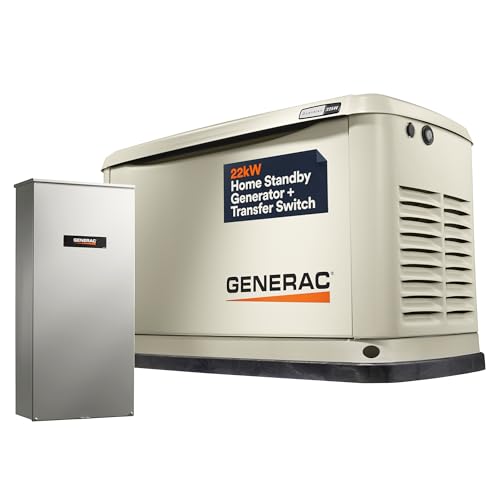
Generac Guardian 22kW Home Generator Transfer Switch WiFi Monitoring

Westinghouse 28000 Peak Watt Home Backup Portable Generator Remote Electric Start
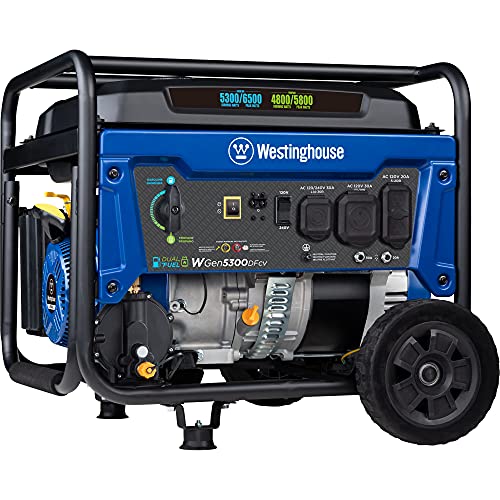
Westinghouse 6500 Watt Dual Fuel Home Backup Portable Generator

Westinghouse 18000 Peak Watt Tri-Fuel Home Backup Portable Generator

Jackery HomePower 3600 Plus Portable Power Station with 2X 200W Solar Panels 3600W AC Output 3584Wh LFP Solar Generator

WEN DF1100X 11000-Watt Electric Start Portable Generator with Wheel Kit and CO Shutdown Sensor
More Details On Our Top Picks
The first thing that stands out here is the battery format, because a 2042Wh pack gives you meaningful backup without the fumes or storage fuss of a fuel unit. With three AC ports, 2200W of AC output, and a 100W USB-C PD port, it suits a desk setup, a fridge in a pinch, or a camping rig that needs more than a phone charge.
The trade-off is simple, this is a power station, so it fits lighter whole-home support better than a furnace-level load. For apartments, smaller homes, and anyone who wants indoor-safe backup with quiet operation, it feels far more practical than the louder fuel options later in this list.
What We Like
- 2042Wh capacity gives you a solid reserve for essentials during short outages.
- 2200W AC output covers several common household devices at once.
- USB-C PD 100W charging helps your laptop or tablet top up without extra hardware.
- Silent charging mode keeps noise low, which matters in a bedroom or home office.
- LiFePO4, or lithium iron phosphate, battery chemistry is built for long service life and calmer indoor use.
Worth Noting
- The output ceiling still places this below the larger house-backup generators in this roundup.
- Solar panels are optional, so solar charging needs separate planning and purchase decisions.
- For whole-home coverage, you’ll want to map your essential circuits carefully.
Feature Snapshot
Who It Suits Best
You benefit most from this pick if you want quiet backup for a condo, a small home, or a work-from-home setup that needs battery power more than engine power.
Where A Sibling Pick Shines
Jackery HomePower 3600 Plus Portable Power Station with 2X 200W Solar Panels suits you better if you want a larger battery platform and a more expandable path for longer backup windows.
Fuel flexibility is the hook here, and it matters more than a glossy finish during an outage. A tri-fuel setup lets you choose gas, propane, or natural gas, which helps when one source is hard to find or you want a different storage approach for storm season.
Compared with the Jackery units, this is the kind of machine that better suits a garage, a driveway, and a home with larger appliance demands. The honest read is that it asks for more space and more hands-on ownership, but that’s the trade-off for this level of reach.
Plus Points
- Tri-fuel support gives you more ways to keep the unit running.
- 500cc engine displacement suggests plenty of muscle for larger household loads.
- Portable format still keeps it usable without a permanent install.
- Well suited to storm prep where fuel access can change fast.
- CO alert adds a practical layer of awareness in home-adjacent use.
Areas To Watch
- Tri-fuel convenience also means more setup choices and more fuel planning.
- Gas-class generators need outdoor storage and routine maintenance attention.
- Its size makes it less convenient for tight sheds or small patios.
Core Details
Made For
You’re the right fit for this model if you want a portable generator that can keep up with a larger house and you like having several fuel paths on the table.
Another Choice May Suit
Generac Guardian 22kW Home Generator fits you better if you want an automatic standby setup that takes over more seamlessly for a permanently backed-up home.
This is the most natural fit for a home that wants backup to feel automatic instead of improvised. The 22kW class, transfer switch support, WiFi monitoring, and automatic transfer make sense for households that expect outages to affect the fridge, HVAC, lights, and other basic circuits at once.
Compared with the portable options above, this one belongs in a more permanent plan and usually suits owners who want fewer steps during a storm. It feels less casual and more settled, like a utility-grade answer rather than a grab-and-go machine.
Strengths
- 22kW output suits larger whole-home backup plans.
- Automatic transfer reduces the need to handle startup manually.
- WiFi monitoring gives you remote status awareness.
- Natural gas or propane compatibility offers installation flexibility.
- Transfer switch support aligns with a structured home-backup setup.
Points To Note
- Permanent installation is a bigger commitment than a portable unit.
- You’ll want a proper plan for fuel lines and placement.
- It fits households ready for a more involved setup, not casual plug-in use.
Technical Sheet
Who Should Grab It
You’ll appreciate this model most if you want standby-style convenience and you’re building backup around a permanent home setup.
Look Elsewhere When
Westinghouse 6500 Watt Dual Fuel Home Backup Portable Generator suits you better if you want a smaller portable option for lighter backup and easier handling.
The remote start and auto choke make this feel a little easier to live with than a bare-bones gas unit. It also brings 30A and 50A transfer-switch-ready outlets, which gives it a more serious posture for home backup than smaller portable models in this list.
That higher ceiling helps in a busy house where you need to think about more than a lamp and a phone charger. The trade-off is size and fuel dependency, so it suits a garage owner or a prepared household better than someone looking for a compact emergency stopgap.
Bright Spots
- Peak output reaches a very high range for portable backup.
- Remote electric start makes operation easier from a practical distance.
- Auto choke helps simplify starting behavior.
- 30A and 50A outlets support transfer-switch-ready home use.
- CO sensor adds a meaningful safety-oriented cue.
Minor Gripes
- Large portable units take planning for storage and movement.
- Fuel and maintenance needs stay part of ownership.
- It can be more generator than some smaller homes truly need.
Details At A Glance
Best Suited To
You’re the right fit for this generator if you want a high-output portable unit that can stand in for a more demanding household during outages.
Reach For A Different Pick When
Jackery HomePower 3600 Plus Portable Power Station with 2X 200W Solar Panels suits you better if indoor quiet matters more than engine-powered output.
This one sits in a very sensible middle ground, especially for households that want backup without stepping into the biggest portable class. Dual fuel support gives you gas or propane flexibility, and the transfer-switch-ready 30A outlet makes it more practical for planned outage use than a tiny camping unit.
It’s not the loudest statement in the roundup, but that’s part of the appeal. You get a manageable format for smaller homes, cabins, or a garage setup, and you avoid paying for capacity that may sit unused most of the year.
Highlights
- Dual fuel support gives you more fuel-choice flexibility.
- Transfer-switch-ready 30A outlet suits planned home backup use.
- RV-ready 30A outlet adds travel-side versatility.
- CO sensor offers an added operating cue.
- More approachable than the larger high-output portable machines in this list.
Small Caveats
- It does not aim at the largest whole-home load classes.
- Portable gas gear still asks for routine upkeep and fuel storage discipline.
- For very large homes, you’ll likely want more output headroom.
Feature Rundown
Perfect Match For
You’ll get the most from this pick if you want a backup generator for a smaller home, a cabin, or a space where flexibility matters more than sheer output.
Swap It Out When
DuroMax XP13000HXT 13,000-Watt 500cc Tri Fuel Portable Generator suits you better if you need more output and prefer three fuel paths instead of two.
Tri-fuel support is the big draw here, and that matters in a real outage because fuel access is rarely as tidy as the brochure implies. With remote electric start and transfer-switch readiness, this model lands in the zone where you want strong household backup without jumping all the way to a permanent standby setup.
Compared with the DuroMax, it reads a bit more like a measured long-term choice than a brute-force portable. That balance helps for households that want options, but don’t want the biggest frame or the highest-capacity setup in the garage.
Reasons To Buy
- Gas, propane, and natural gas compatibility gives you real flexibility.
- Remote electric start makes day-to-day use easier.
- Transfer-switch readiness suits a planned backup layout.
- CO sensor adds another practical operating cue.
- Strong fit for homes that want a middle path between small and oversized generators.
Trade Offs
- Tri-fuel convenience comes with more ownership decisions.
- Portable storage and maintenance still matter a lot here.
- It is still a fuel generator, so indoor placement is not the answer.
Core Details
The Right Fit
You’ll appreciate this model if you want a strong portable backup option with three fuel paths and you’re comfortable managing a more serious machine.
Another Choice May Suit
Generac Guardian 22kW Home Generator suits you better if you want automatic standby behavior and a more permanent housewide plan.
This pick pushes farther into serious backup territory than the smaller Jackery unit above. You get 3584Wh of storage, 3600W AC output, two 200W solar panels in the bundle, and expansion up to 21kWh, which gives you a more layered plan for home use, RV trips, or a long stretch of spotty utility service.
The expandable design is the part that will matter most for many homes, because it lets you plan for today and build out later. The trade-off is that a system this flexible asks for more space, more budget, and a clearer idea of how you’ll actually use it.
Upsides
- 3584Wh storage gives you a much larger reserve than compact power stations.
- 3600W AC output opens the door to stronger household loads.
- Two included 200W solar panels help support solar charging right away.
- Expandable up to 21kWh suits long-range backup planning.
- Works well for homes that want indoor-friendly power and future growth.
Room For Improvement
- The system is more complex than a simple one-box backup unit.
- Expansion only helps if you’re prepared to build that way over time.
- Solar success depends on placement, weather, and panel management.
Spec Overview
Built With In Mind
You’re the best fit for this option if you want a battery-based backup system with more runway than a compact power station and room to grow later.
Where Shoppers Go Wrong
Westinghouse 18000 Peak Watt Tri-Fuel Home Backup Portable Generator suits you better if you want fuel-powered backup for a larger home and less reliance on solar planning.
WEN takes a straightforward route here, and that simplicity has real appeal for a household that wants a portable backup plan without a lot of extra layers. Electric start, a wheel kit, and a CO shutdown sensor make it easier to move, start, and live with than many basic gas units.
It sits in a useful middle ground for homeowners who want something more capable than a small inverter-style backup but not as committed as a full standby install. In a garage or utility area, that balance can be enough to make ownership feel less fussy.
Best Bits
- Electric start simplifies the startup routine.
- Wheel kit helps with movement around a driveway or garage.
- CO shutdown sensor adds an important operating safeguard.
- 11,000 watts gives you a serious portable backup ceiling.
- Good middle-ground choice for homes that want more than a compact station.
Honest Caveats
- Portable gas ownership still requires fuel care and routine upkeep.
- It won’t replace the seamless feel of a permanent standby system.
- Storage space matters, especially in smaller garages.
Quick Facts
Whose Shelf It Belongs On
You’ll likely like this generator most if you want a portable backup machine with strong output and a less complicated day-to-day routine.
Skip It When
Generac Guardian 22kW Home Generator fits you better if you want automatic whole-home standby behavior rather than a moveable gas unit.
How To Choose The Right Generators For Whole House
Start With The Load You Actually Need
The right output depends on what you want to keep alive during an outage, not on the biggest number in the listing. A fridge, some lights, internet gear, and a few outlets call for a very different machine than a setup that needs HVAC, well pumps, and kitchen appliances.
Battery stations like the Jackery Explorer 2000 v2 handle lighter backup with less noise, while large portable fuel units push into more ambitious territory. Standby systems such as the Generac Guardian 22kW make sense when you want the house to behave normally even while the grid is down.
Match Fuel Type To Your Routine
Gas, propane, natural gas, and battery power each carry a different ownership rhythm. Portable fuel units ask for storage, refilling, and routine upkeep, while battery-based options lean toward quiet operation and cleaner indoor placement.
Tri-fuel models add flexibility, which helps in storm season, but that flexibility only helps when you’re ready to manage more choices. Households with a permanent gas line often prefer standby simplicity, while renters or casual users tend to value the lighter planning burden of a power station.
Think About Installation And Storage
A permanent standby generator is a project, not an impulse add-on. You need room, placement planning, and a comfortable relationship with the idea that the machine lives outside and serves the home from there.
Portable models are easier to store, but they still take real floor space and a clear path for operation. The larger the frame, the more you should think about garage access, wheel kits, and how often you’ll move it.
Pay Attention To Convenience Features
Remote start, automatic transfer, WiFi monitoring, and electric start all save time in the moment that matters. They do not change raw power, but they change how calm the process feels during bad weather or a late-night outage.
For many homes, that convenience is worth the step up because it reduces friction. A generator you can manage easily tends to get used more consistently and stored with fewer hassles.
Things Worth Knowing First
Hidden Buying Traps
The easiest mistake is matching your home to a wattage number instead of matching it to your real circuit needs. Another common miss is overlooking fuel storage, outlet type, or transfer-switch readiness until the unit is already in the garage.
Small details matter here because whole-home backup is a system, not just a box. A powerful machine still disappoints when it does not connect the way your house expects.
When Paying More Pays Off
Higher-tier units usually cost more because they give you stronger output, better transfer features, or a more polished ownership experience. WiFi monitoring, automatic transfer, tri-fuel support, and large battery storage all add real value for the right home.
That upgrade makes the most sense when outages are frequent, your home has bigger loads, or you want less day-of-storm friction. Paying more for standby convenience or expandable battery capacity often feels justified when backup is part of normal life, not a rare event.
Frequently Asked Questions
Can A Portable Generator Cover A Whole House?
Some portable units can cover many essential circuits, especially the larger fuel models in this roundup. The real answer depends on your load list and your transfer setup.
Is A Battery Power Station Enough For Home Backup?
A battery power station works well for essentials like networking gear, lights, and small appliances. It usually falls short of a full-house load plan unless your needs are modest.
What Does Transfer Switch Ready Mean?
Transfer switch ready means the generator can connect more cleanly to home wiring through the proper setup. That makes backup use simpler and more organized than running extension cords everywhere.
Why Choose Tri-Fuel Over Single Fuel?
Tri-fuel gives you more flexibility when one fuel source is hard to get or awkward to store. That matters most for storm prep and homes that want a backup plan with more than one path.
Do Larger Generators Need More Maintenance?
Fuel-powered units usually ask for more upkeep than battery stations, especially in storage and starting routines. Bigger machines also reward regular attention because the parts and fuel systems are doing more work.
Closing Thoughts
You have a few clear paths here, and the right one depends on how serious your backup needs are. Battery models suit quiet, indoor-friendly support, while portable fuel units cover more ambitious loads with more hands-on care. Standby systems make the most sense when you want your house to feel prepared before the storm arrives. Choose the machine that matches your space, your fuel access, and the way you actually live, not just the largest wattage on the page.
