

You need the right mix of output, voltage options, fuel flexibility, and portability before a 50 amp RV setup feels truly practical. This roundup focuses on generators and the one cord that helps connect the rig safely and neatly, whether you’re parked at a campsite, backing up a home panel, or managing power at a remote property.
The picks below cover heavy-duty open-frame units, quieter inverter models, dual-fuel choices, and a 50 amp cord for long reaches. The honest read is that your best fit depends on how much space you need to run, how often you move the unit, and whether you care more about quiet operation or raw headroom.
Quick Look At The Shortlist

PowerSmart 7000W Surge/6000W Rated Inverter Generator

Oxseryn Power Equipment 4400 Watts Inverter Generator

PlugSaf 50 Amp Generator Cord, 25FT 50 Amp RV Extension Cord
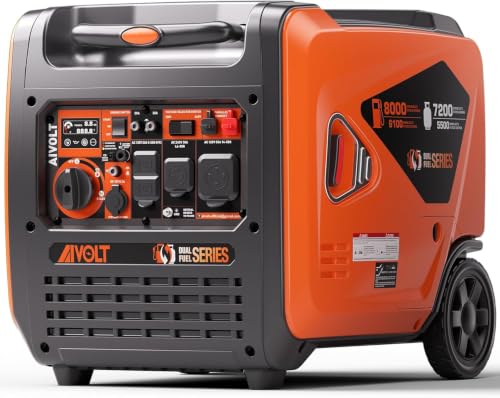
AIVOLT 8000W Dual Fuel Inverter Generator 50A RV Generator
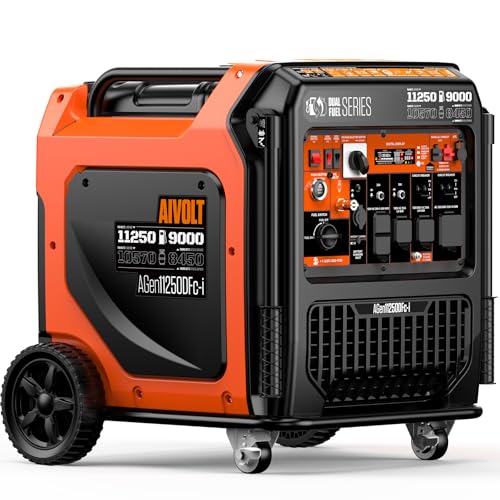
AIVOLT 11250W Dual Fuel Inverter Generator 50A

WEN Quiet and Lightweight 4800-Watt RV-Ready Portable Inverter Generator (56477i)

WEN 6800-Watt Dual Fuel RV-Ready Electric Start Portable Inverter Generator (DF680iX)

Champion Power Equipment 4000-Watt Dual Fuel RV Ready Portable Inverter Generator
More Details On Our Top Picks
PowerSmart takes a more flexible route than the smaller RV-ready models in this list, thanks to its 120V/240V dual-voltage design and electric start. That matters for you if the generator has to do double duty, since one unit can serve an RV setup and still step into backup use at home.
The clean-power inverter design is the key detail here, since sensitive electronics usually prefer steadier output than a basic open-frame unit provides. The trade-off is size and weight, so this makes more sense for a fixed campsite or a garage-stored backup than for someone hauling gear every weekend.
What We Like
- Dual voltage adds useful flexibility for RV and home setups.
- Electric start makes setup less fussy at the campsite.
- Inverter output suits devices that prefer steadier power.
- The higher wattage ceiling gives you more breathing room for bigger loads.
Things To Consider
- Its larger footprint may feel less convenient for tight storage spaces.
- Fuel handling and routine upkeep suit a more settled ownership style.
- It asks for more space than the compact 4000 to 4800 watt choices below.
Feature Snapshot
Who It Suits Best
You fit this well if your RV trips overlap with home backup planning and you want one unit to cover both jobs.
A Better Fit Elsewhere
WEN 6800-Watt Dual Fuel RV-Ready Electric Start Portable Inverter Generator (DF680iX) suits you better if you want a more RV-centered layout with dual fuel flexibility and a simpler portable footprint.
Oxseryn lands in a useful middle zone for campers who want RV-ready power without moving all the way up to the larger dual-fuel machines. The ECO mode, which usually means the engine can trim output under lighter loads, helps make it a sensible fit for weekend use and emergency backup.
Compared with PowerSmart’s dual-voltage setup, this one reads as simpler and more compact, which can be a relief in a packed garage or trailer bay. The open-frame design usually keeps costs and bulk down, though it can also mean less quiet character than a fully enclosed inverter body.
Upsides
- 4400 watts gives you enough room for smaller RV needs and basic backup loads.
- ECO mode supports lighter-duty use without constantly running hard.
- Open-frame styling keeps the shape straightforward and easier to position.
- Its RV-ready positioning makes the setup path feel less complicated.
Small Caveats
- Open-frame builds usually travel more sound than enclosed inverter styles.
- You may feel the wattage ceiling sooner with heavier appliance mixes.
Core Details
Who Will Love This
You suit this best if your trips are occasional, your loads stay moderate, and you want a simpler path into portable inverter power.
Another Choice May Suit
AIVOLT 8000W Dual Fuel Inverter Generator 50A RV Generator fits you better if you want quieter operation, more capacity, and the flexibility of gas plus propane.
This cord fills the gap between a generator and a 50 amp RV hookup, and the 25-foot length gives you enough room to position gear without crowding the campsite. The 14-50P plug and SS2-50R connector indicate the two ends, so the fit is clearly aimed at generator-to-RV power transfer rather than general household extension use.
Compared with the generator picks above, this is the part that makes the whole setup work cleanly at a distance. The yellow jacket should be easier to spot in cluttered storage or dim campground settings, though long cords still deserve tidy coiling and dry storage to avoid wear at the ends.
Bright Spots
- 25 feet of reach helps you place the generator farther from the rig.
- The 50 amp layout suits larger RV power setups.
- Twist-lock style connection adds a more secure-feeling link at the generator end.
- Heavy-duty STW construction is a practical match for regular outdoor use.
Points To Note
- Length helps placement, but it also means more cable to coil and store.
- Like any high-capacity cord, the ends deserve careful handling during setup.
Quick Facts
Made For
You fit this well if your generator sits several steps away from the RV and you want a simple, purpose-built connection.
Where A Sibling Pick Shines
WEN Quiet and Lightweight 4800-Watt RV-Ready Portable Inverter Generator (56477i) is the better match when you need the power source itself, not just the cord that links it to the coach.
Quiet matters more than most people expect once a campground gets busy, and AIVOLT leans into that with a 62 dBA rating, which is a decibel measure for sound level. The dual-fuel setup also gives you a practical hedge against fuel availability, and the electric start plus wheels keep the unit friendlier than a barebones open-frame generator.
Compared with the Oxseryn unit, this one feels more polished for regular RV travel, though the higher feature count usually means a more serious purchase decision. The CO auto-shutoff feature is a safety-oriented control that stops the engine in response to carbon monoxide buildup, and that alone will matter to a lot of shoppers who split time between campsites and home backup use.
Reasons To Buy
- Dual-fuel operation gives you two fuel paths to plan around.
- 120V/240V output expands the generator’s use beyond a basic RV role.
- Electric start and wheels make handling less of a chore.
- Quiet operation suits campgrounds where a softer sound profile matters.
- Clean inverter power makes it a stronger match for electronics than many open-frame units.
Room For Improvement
- More features usually mean more to think about during setup and upkeep.
- The extra capacity may be more than small rigs truly need.
- It makes the most sense when you want a steadier, more complete RV power solution.
Spec Overview
The Right Fit
You fit this best if you want a quiet, feature-rich RV generator that can also serve backup roles without feeling stripped down.
Skip It When
PowerSmart 7000W Surge/6000W Rated Inverter Generator makes more sense when you want a dual-voltage option with a simpler path to mixed RV and home use.
This AIVOLT model sits at the serious end of the group, and the 11250W output tells you it’s built for bigger backup plans rather than just a light weekend RV routine. Remote start is a real convenience in that setting, because you can bring the unit online without always walking straight to it first.
Compared with the 8000W AIVOLT above, this one gives you more headroom and reads as a stronger fit for homes that also need RV readiness. The dual-fuel design helps with fuel planning, while the RV-ready and home-backup framing makes it especially relevant for people who want one machine to stay useful across different seasons.
Plus Points
- Large output gives you more room for demanding backup scenarios.
- Remote start adds convenience during everyday use.
- Gas and propane compatibility gives you more planning flexibility.
- RV-ready status keeps it relevant for travel and home backup alike.
- Quiet operation is a welcome feature at this output tier.
Areas To Watch
- Its higher-capacity profile makes storage and movement a bigger consideration.
- This is more generator than a casual camper usually needs.
- Upkeep feels more involved than with the smaller WEN or Champion units below.
Technical Sheet
Whose Shelf It Belongs On
You fit this best if your RV setup is part of a larger home backup plan and you want more output than a mid-size portable unit offers.
Look Elsewhere When
Champion Power Equipment 4000-Watt Dual Fuel RV Ready Portable Inverter Generator is the easier fit for smaller rigs and lighter travel routines.
WEN’s 56477i stands out because it keeps the concept simple, light, and easier to move around than the larger dual-fuel machines in this roundup. Fuel shut-off is a practical detail, since it helps you run the carburetor dry before storage, which many owners like for seasonal use.
That makes it a strong fit for you if your RV trips are frequent but your power needs stay moderate. Compared with the AIVOLT models, it gives up capacity and fuel flexibility, but it repays you with a more approachable size and a lower-stress ownership rhythm.
Highlights
- Lightweight design is easier to load, unload, and store.
- RV-ready layout keeps the hookup story straightforward.
- Fuel shut-off helps with end-of-season storage routines.
- 4800 watts suits many smaller travel trailer setups.
Worth Noting
- Less output means less room for heavier appliance combinations.
- It’s more of a travel-friendly pick than a whole-home backup machine.
- Shoppers who need dual fuel will want to look higher in the list.
At A Glance
Perfect Match For
You fit this best if you want a lighter generator for regular trips and prefer a straightforward routine over extra features.
Where Shoppers Go Wrong
AIVOLT 11250W Dual Fuel Inverter Generator 50A suits you better when your RV setup also needs more serious home backup capacity.
DF680iX lands in the sweet spot for RV owners who want a stronger setup without going all the way to the large home-backup machines. Electric start takes some friction out of daily use, and the CO Watchdog feature is a monitor that watches carbon-monoxide buildup and responds by shutting the generator down, which adds peace of mind in enclosed or crowded environments.
Compared with WEN’s lighter 56477i, this one brings more capacity and dual-fuel flexibility, so it feels better suited to people who camp more often or run larger loads. Fuel shut-off also helps during storage, and that’s useful for seasonal owners who don’t want the engine sitting with fuel in places it doesn’t need to be.
Best Bits
- Dual fuel gives you a useful choice between gas and propane.
- Electric start simplifies routine use at the campsite or at home.
- CO Watchdog adds a thoughtful layer of shutoff control.
- RV-ready output makes it a natural fit for larger travel setups.
- Fuel shut-off helps with storage-minded ownership.
Softer Spots
- It has more to manage than WEN’s smaller RV-ready model.
- Capacity is strong, though it still sits below the larger AIVOLT backup unit.
- The extra features make sense most clearly for regular use, not occasional pull-out duty.
Details At A Glance
Built With In Mind
You fit this best if you want a dual-fuel inverter generator that feels equally at home at a campsite and in a backup setup.
Reach For A Different Pick When
PowerSmart 7000W Surge/6000W Rated Inverter Generator is the better choice when dual voltage matters more than dual fuel.
Champion’s 4000-watt dual-fuel model is the smallest-capacity unit in this roundup, and that makes it the easiest to place in a smaller rig or a tighter storage area. Quiet technology is the kind of feature that matters most around close neighbors, where even a modest reduction in noise can make the whole setup feel calmer.
Compared with the WEN and AIVOLT options above, it gives up output, but it also keeps the package less intimidating for simpler RV routines. The dual-fuel design still matters here, especially for people who like having a propane path available during trips or short backup stretches.
Positives
- Compact capacity is easier to match with smaller RV power demands.
- Dual fuel gives you flexibility without pushing into a heavy-duty footprint.
- Quiet technology suits campground stays and close quarters.
- The smaller size usually makes storage less demanding.
Honest Caveats
- It offers less headroom than the 4800 watt and 6800 watt choices.
- You may outgrow it sooner if your RV setup expands.
- It’s a better fit for lighter-duty use than for large backup plans.
Feature Card
Best Suited To
You fit this best if you travel in a smaller rig, prefer simpler power needs, and want a compact unit that doesn’t feel overbuilt.
Swap It Out When
WEN 6800-Watt Dual Fuel RV-Ready Electric Start Portable Inverter Generator makes more sense when you want more output and electric start in the same package.
How To Choose The Right Generators For Rv 50 Amp
Match Output To Real Loads
The first thing to sort out is how much power your RV actually needs at once. A 50 amp hookup can support more than a small trailer circuit, but that does not mean every appliance runs at full tilt all the time.
Think in terms of starting load and running load. Air conditioners, microwaves, and other motor-driven items can ask for more at startup, so headroom matters as much as the headline wattage.
Choose Between Dual Fuel And Single Fuel
Dual-fuel models let you run on gas or propane, which helps when one fuel is easier to store or find than the other. That extra flexibility can matter during travel season, storm prep, or longer stays away from town.
Single-fuel units are often simpler and sometimes lighter. They make sense for campers who want fewer switches and a cleaner routine.
Look Closely At Noise And Portability
Noise ratings matter more in an RV park than many shoppers expect. A quieter inverter generator can make your setup feel less intrusive, especially when neighbors sit close and evenings are slow.
Portability matters too, but it is not only about weight. Wheels, handles, and frame size all affect how easily you store the unit, roll it over uneven ground, and move it in and out of the truck bed.
Check The Connection Details
A 50 amp RV setup also depends on the cord and plug type. A long, heavy-duty cord can keep the generator farther from the living area, which is useful for comfort and placement.
Plug shape, twist-lock style, and connector compatibility all matter here. The right generator still needs the right cord, or the setup feels clumsy no matter how capable the machine looks on paper.
Things Worth Knowing First
Common Shopping Slip Ups
One easy mistake is focusing only on wattage and forgetting the actual RV layout. A small rig rarely needs the same machine as a larger coach with more appliances, and oversizing can leave you with extra bulk you never really use.
Another common miss is ignoring the cord and connector match. The generator may look right, but the connection can still fall short of what your setup needs.
What The Higher Tier Buys
More expensive units usually bring dual fuel, electric start, quieter operation, and stronger output together in one body. That mix costs more because it adds convenience, flexibility, and better day-to-day handling.
Extra money makes the most sense for frequent travelers, larger RVs, and anyone using the generator for backup at home too. A lighter-duty model can still be the smarter choice for occasional trips and modest loads.
Frequently Asked Questions
What size generator works with a 50 amp RV?
You usually need a generator that matches your actual load, not just the connector label. Bigger rigs with air conditioning or other heavy appliances need more headroom than a compact camper.
Is dual fuel worth it for RV use?
Dual fuel gives you more flexibility because you can choose between gas and propane. That helps during travel, storage planning, or longer stays away from a regular fueling stop.
Do inverter generators make sense for RV travel?
Yes, because inverter output is steadier and better suited to sensitive electronics than a basic open-frame setup. You also usually get a more campground-friendly noise profile.
Do you need a 50 amp cord with these generators?
You need a cord that matches the generator and RV connection types. The cord creates the actual link between the power source and the coach, so fit matters.
What matters more, wattage or noise?
Wattage comes first because the generator has to cover the load you plan to run. Noise matters next, especially for campground use or close-set sites.
Final Thoughts
The right choice here comes down to how you use your RV, not just how big the number looks on the box. You may want the PowerSmart or AIVOLT models for broader backup duty, the WEN picks for a friendlier travel routine, or the Champion unit for a smaller setup that stays easier to manage. The PlugSaf cord fills an important gap for 50 amp hookups, especially when placement matters. Match the generator to your load, your storage space, and your travel style, and the rest gets much easier.
