

Power goes out at the worst time, usually right when food is in the fridge, devices are low, and the weather outside is doing something inconvenient. This roundup helps you sort portable power stations and gas generators by real use, not just headline wattage. You’ll see which picks suit apartments, RV trips, longer outages, and whole-home backup planning. The right choice depends on how much gear you need to keep running and how much noise, fuel handling, or recharge time you can live with.
The Shortlist At A Glance

Jackery Explorer 2000 v2 Portable Power Station 2042Wh 2200W AC Output
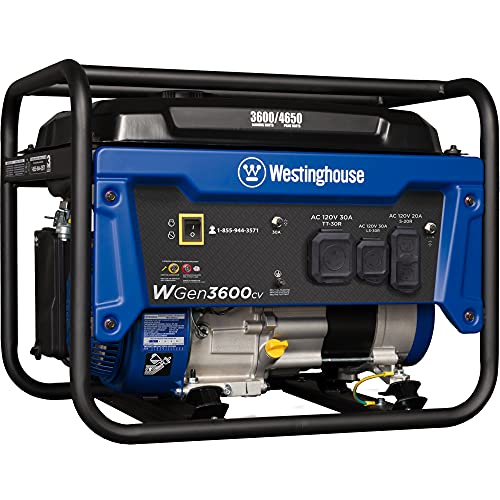
Westinghouse 4650 Peak Watt Portable Generator RV Ready 30A Outlet

Oxseryn Power Equipment 4400 Watts Inverter Generator Gas Powered

DaranEner Portable Power Station 192Wh LiFePO4 Battery Backup Solar Generator

Oxseryn 4400-Watts Inverter Generator Open Frame Generator Gas Powered

DuroStar DS13000MX 13000-Watt 500cc Dual Fuel Portable Generator Gas and Propane

LIBRIDS Portable Power Station C600 640Wh LiFePO4 Battery 600W Solar Generator

Portable Power Station 192Wh Outdoor Generator with AC Outlet 100W 200W Surge
More Details On Our Top Picks
The Jackery Explorer 2000 v2 makes sense for you when backup power has to stay indoors, stay quiet, and still cover a serious load. With 2042Wh of capacity, that means a large reserve for phones, routers, lights, a laptop, and other essentials during an outage, while the 2200W AC output gives you a much broader equipment range than a compact unit.
USB-C PD 100W matters too, because you can top up newer devices without hunting for a separate adapter. Compared with the smaller DaranEner and Akiisolo picks below, this one is built for longer stretches and more demanding setups, though it also asks for more space and a bigger budget commitment.
Strong Points
- Large 2042Wh capacity supports extended outage routines and fewer recharge cycles.
- 2200W AC output suits a wider mix of household gear than the smaller stations here.
- USB-C PD 100W helps you charge modern laptops and phones directly.
- LiFePO4 battery chemistry usually appeals to shoppers who want a long-service backup station.
- Silent charging mode at under 30dB fits bedrooms, apartments, and overnight use.
Things To Consider
- Size and weight expectations are higher than for the 192Wh pocketable options.
- Solar panels are optional, so solar setup depends on what you already own.
- For basic phone charging, it can feel like more machine than you need.
Feature Snapshot
Who It Suits Best
Households that need quiet indoor backup for longer outages will get the most from this station.
Where A Sibling Pick Shines
LIBRIDS Portable Power Station C600 fits smaller apartments and shorter outages better, especially when you want less bulk.
That RV-ready 30A outlet tells you a lot about the Westinghouse 4650 right away, because it’s aimed at campers and outage planning rather than tiny device charging. You get gas-powered output for heavier loads, so a refrigerator, a few lights, and some charging gear feel more realistic than they do on the smallest station in this list.
Compared with the Jackery and LIBRIDS units, this one trades battery convenience for traditional generator muscle and longer runtime potential through fuel. The trade-off is obvious, though, noise and fuel handling are part of the deal, so it fits homes and RV setups that can live with that rhythm.
What We Like
- RV-ready 30A outlet supports road trips and campsite hookups.
- Gas power suits longer backup sessions than many small battery stations.
- 4650 peak watts gives you more breathing room for start-up loads.
- Traditional generator setup works well for garages and outdoor storage.
Points To Note
- Fuel storage and refilling are part of regular ownership.
- Noise and exhaust placement matter more than with battery units.
- It’s less convenient for indoor use than the Jackery Explorer 2000 v2.
- Space needs are higher than for the compact station-style picks.
Details At A Glance
Made For
RV owners and homeowners who want fuel-based backup with a useful outlet mix will appreciate this one.
A Better Fit Elsewhere
Jackery Explorer 2000 v2 suits apartment dwellers and anyone who wants quiet indoor backup with no fuel handling.
Inverter generators are usually the better conversation for you when the outage kit includes electronics, and this Oxseryn model leans into that idea. ECO mode helps the engine adjust output to demand, which can make a noticeable difference in fuel use and noise during lighter loads around the house or campsite.
Compared with the Westinghouse 4650, this pick is the more electronics-friendly style, while still keeping gas-powered practicality. It’s not the quietest thing in the house, and open-frame units need sensible outdoor placement, but that’s the normal trade-off for this style.
Bright Spots
- Inverter design is a strong match for phones, laptops, and other sensitive gear.
- ECO mode helps the generator respond more naturally to lighter demand.
- RV-ready design broadens its use beyond home backup.
- Open-frame build often feels straightforward for storage and access.
Softer Spots
- Open-frame construction usually takes more space than a compact station.
- Gas care and outdoor placement remain part of ownership.
- For tiny device charging, the DaranEner unit is easier to live with.
Core Details
Best Suited To
Households that want inverter-style backup for electronics and RV trips should look closely here.
Another Choice May Suit
Westinghouse 4650 fits you better when your priority is RV outlet convenience and a more traditional generator profile.
The DaranEner sits at the smaller end of this roundup, and that makes it appealing for quick outage jobs instead of whole-room backup. With 192Wh on board, you’re looking at short-session support for phones, lights, and other low-draw gear, not a refrigerator marathon.
That smaller scale is exactly the point, though, because it stays easier to carry than the Jackery Explorer 2000 v2 or any fuel generator here. The honest read is that it fits the person who wants a practical grab-and-go unit for apartment storage, camping, or a drawer-ready emergency kit.
Upsides
- 192Wh capacity keeps the unit simple and easy to store.
- Two AC outlets add flexibility for small household items.
- USB-C PD 60W is helpful for faster phone and laptop top-ups.
- LiFePO4 battery chemistry is a strong point for long-term backup planning.
Minor Gripes
- Short runtime is the natural trade-off for a compact body.
- 600W peak output limits what you can run at once.
- Less suited to long outages than the Jackery or LIBRIDS stations.
Feature Card
Whose Shelf It Belongs On
Apartment dwellers, campers, and anyone building a compact emergency kit will get the most from this one.
Swap It Out When
LIBRIDS Portable Power Station C600 makes more sense for households that want a larger battery and a faster return to service.
This Oxseryn model covers a lot of the same ground as the previous inverter pick, but the emphasis here is clearer on emergency home backup and RV readiness. That makes it a sensible middle path for households that want gas-powered flexibility without jumping straight to the bigger DuroStar.
For day-to-day storage, open-frame generators usually feel less tidy than enclosed stations, yet they also stay familiar for people who already own fuel-based equipment. One thing worth considering is where you’ll park it, because open-frame units need room, airflow, and a practical outdoor spot.
Reasons To Buy
- Inverter setup is friendlier to electronics than basic open-frame designs.
- RV-ready outlet broadens use beyond the house.
- Emergency backup framing fits practical outage planning.
- Gas power supports longer sessions than the small battery units here.
Areas To Watch
- Open-frame design calls for more storage space.
- Fuel management adds upkeep compared with battery stations.
- It overlaps in role with the B0FQ5BB6SS Oxseryn, so the better fit may come down to outlet needs and layout.
Quick Facts
The Right Fit
Shoppers who want a practical gas backup generator for home and RV use will find the shape of this one familiar.
Look Elsewhere When
Jackery Explorer 2000 v2 suits you better for indoor, low-noise backup where fuel handling is a drawback.
This is the big-output option in the lineup, and the DuroStar DS13000MX is the clear fit for people thinking in terms of whole-home backup rather than a few appliances. Dual fuel support means you can run it on gas or propane, which adds planning flexibility during long outages.
Remote electric start also changes the day-to-day feel, since you are not wrestling with a manual start every time you need power. Compared with the smaller Oxseryn generators, this one is less about compact convenience and more about serious load coverage, so the footprint and storage demands are part of the deal.
Standout Traits
- 13,000-watt class output covers much larger home backup needs.
- Dual fuel setup adds practical flexibility during outage planning.
- Remote electric start makes operation easier from a distance.
- Transfer-switch readiness points toward more integrated home use.
- 500cc engine size signals serious load-handling intent.
Small Caveats
- Storage and placement needs are bigger than for any station-style unit here.
- Fuel and maintenance routines are part of ownership.
- It makes less sense for tiny apartments or casual travel.
Technical Sheet
Built With In Mind
Homes that need a larger backup source and have space for a full-size generator are the natural match here.
Where A Sibling Pick Shines
Westinghouse 4650 makes more sense for RV users or smaller backup plans that do not need this much capacity.
The LIBRIDS C600 sits in a comfortable middle zone for outage kits, with enough capacity to feel more useful than the tiny 192Wh models and less bulk than the Jackery. Eight ports, including four AC outlets, make it easier to spread power across a few devices without juggling cords as much.
The 10ms UPS feature is a nice touch for gear that dislikes interruptions, and the 1.5-hour fast charge claim points to a station that wants to get back in service quickly. That said, the 600W output still places it in the light- to mid-load category, so it’s best for electronics, lamps, and smaller essentials rather than hungry appliances.
Best Bits
- 640Wh capacity offers a useful middle ground for home backup.
- Four AC outlets give you more plug flexibility than the smaller stations here.
- 10ms UPS support helps sensitive electronics stay on through brief interruptions.
- Fast recharge timing is handy for repeated outage use.
Worth Noting
- 600W output still limits larger appliances.
- It’s less compact than the DaranEner unit.
- For very quiet bedroom use, the Jackery Explorer 2000 v2 offers a more premium indoor feel.
Spec Overview
Perfect Match For
Apartment backup, desk setups, and small-home outage coverage are the best-fit spaces for this station.
Reach For A Different Pick When
Jackery Explorer 2000 v2 is the better move for longer outages and a bigger total energy reserve.
A 3.9-pound power station changes the conversation right away, because this Akiisolo model is built for carry-friendly backup rather than house-wide support. The 192Wh battery, 100W AC output, and 200W surge ceiling make it fit light electronics, small trips, and emergency kits that stay close to hand.
Music playback and LED lights are useful extras for camping or a simple nightstand backup, though the honest read is that this is not the machine for large household appliances. Compared with the DaranEner, it looks similar on capacity but feels even more travel-first in its positioning, which matters when storage space is tight.
Positives
- 3.9-pound weight makes it easy to move between rooms or pack for travel.
- LED lights and music player features add everyday convenience.
- LiFePO4 battery chemistry is a strong point for backup planning.
- Good fit for small devices during short outages or outdoor outings.
Room For Improvement
- 100W AC output is only suited to very light-duty use.
- Short runtime is expected from a 192Wh battery.
- It cannot stand in for the larger Jackery or DuroStar options.
Feature Rundown
Who Should Grab It
Travelers, hunters, and campers who need a very light power companion will get the most from this one.
Not Your Match When
DaranEner Portable Power Station 192Wh suits you better for a stronger AC setup and a more traditional emergency backup feel.
How To Choose The Right Generators For Power Outages
Match Output To The Gear You Actually Keep Running
Start with the items that must stay on during an outage, then look at running wattage and surge wattage. Running wattage is the steady draw, while surge wattage covers the brief jump some motors need at startup, such as refrigerators or sump pumps. A small power station can cover phones and lights cleanly, while a larger gas generator handles a wider appliance mix. The right match feels almost boring, which is usually a good sign.
Decide Whether Noise And Fuel Matter More Than Portability
Battery stations shine indoors, in bedrooms, and in places where you want low noise and no exhaust. Gas generators bring more raw output and longer fuel-based runtime, but they demand outdoor placement and more upkeep. For apartment backup or a desk setup, a quiet station is easier to live with. For a home with a fridge, freezer, and well pump, a fuel generator starts making more sense.
Look Closely At Recharge And Runtime
Battery capacity, measured in watt-hours, tells you how much energy is stored, while recharge speed tells you how quickly the unit gets back in service. A 2042Wh station can carry far more load through a long outage than a 192Wh model, but it also takes more time and power to refill unless the charging system is very fast. Solar-ready models add flexibility for sunny climates and long emergency plans. That flexibility helps, though it does not erase the need to size the unit correctly from the start.
Think About Convenience Details Before You Commit
Ports matter more than many shoppers expect. USB-C PD, multiple AC outlets, RV-ready plugs, remote start, and UPS switching can change how natural the generator feels once the lights go out. These small details can save you from stringing together adapters and extension cords in the dark. A little planning here makes the whole setup feel calmer later.
What To Weigh Before You Commit
Common Shopping Slip Ups
A common mistake is focusing only on the biggest watt number and ignoring runtime, output style, and outlet mix. Another is forgetting how much space a generator needs, especially with gas models that must sit outdoors and away from living areas. The smaller station-style picks are easier to store, but they can run out of energy much sooner than a larger model.
Where The Extra Money Goes
Higher-tier models usually pay for larger batteries, faster charging, LiFePO4 battery chemistry, inverter electronics, and better convenience features. Remote start, UPS behavior, multiple AC ports, and stronger output often show up as you move up the ladder. That upgrade makes sense for longer outages, bigger homes, and anyone who wants less fuss during repeated use. For light charging and brief interruptions, the extra spend can feel unnecessary.
Frequently Asked Questions
What size generator works for a short blackout?
A compact power station around 192Wh to 640Wh can cover phones, lights, and small electronics for short interruptions. Larger home backup plans usually need more output and more stored energy.
Are battery stations quieter than gas generators?
Yes, battery stations are the quieter option and are easier to use indoors. Gas generators are better left outside because they run louder and involve exhaust.
What does LiFePO4 mean?
LiFePO4 is lithium iron phosphate, a battery type often used in portable power gear. It’s valued for long-service backup use and stable everyday handling.
Do you need an inverter generator for electronics?
An inverter generator is a smart choice for electronics because it delivers steadier power. That matters for laptops, routers, and similar gear that prefers cleaner output.
Can a portable power station run a refrigerator?
Some can, but only larger units with enough output and capacity are realistic candidates. Small 192Wh stations are better for phones, lights, and short device charging.
Final Thoughts
For generators for power outages, the best choice depends on how you live, not just how much wattage you want to see on a spec sheet. Quiet battery stations fit apartments, bedrooms, and sensitive electronics, while gas models make more sense for longer outages and heavier home loads. The Jackery Explorer 2000 v2 stands out for serious indoor backup, and the DuroStar DS13000MX is the practical heavyweight for whole-home planning. Pick the size that matches your outage routine, and the rest gets much easier.
