

Storm season puts a premium on steady, practical backup power, not flashy extras. You want something that can keep lights, phones, routers, and maybe a fridge or two moving without making setup a headache. The picks below focus on home backup, RV use, and portable power choices that make sense in a storm when the grid goes quiet.
Some options lean into quiet battery backup, while others are gas or dual fuel units built for heavier household loads. That mix matters because your best match depends on how much you need to run, how long you want to run it, and whether you care more about portability, fuel flexibility, or convenience.
Quick Look At The Shortlist

Jackery Explorer 2000 v2 Portable Power Station 2042Wh
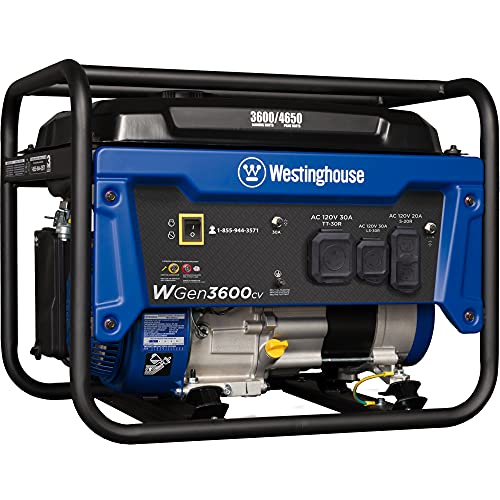
Westinghouse 4650 Peak Watt Portable Generator

Oxseryn Power Equipment 4400 Watts Inverter Generator

AIVOLT 1600W Super Quiet Inverter Generator 28lbs

Oxseryn 4400-Watts Inverter Generator, Open Frame

DuroStar DS13000MX 13,000-Watt 500cc Dual Fuel Portable Generator

Westinghouse 9500 Peak Watt Home Backup Portable Generator

Champion Power Equipment 12,500-Watt Electric Start Tri Fuel Home Backup Portable Generator
More Details On Our Top Picks
A battery-based backup like this makes a lot of sense for storm nights where indoor use matters. The 2042Wh capacity gives you a serious reserve, while the 2200W AC output means you can cover a useful mix of essentials without dealing with fumes or engine noise.
The honest read is that it fits homes that want cleaner, quieter emergency power more than raw whole-house muscle. Compared with the gas units below, it asks less of you during setup, and that ease can matter a lot when the weather already has your attention.
Strong Points
- Three AC outlets let you spread power across several essentials at once.
- USB-C PD 100W is handy for modern laptops and phones without extra adapters.
- LiFePO4, a lithium iron phosphate battery chemistry, is built for long service life and usually suits frequent backup use.
- Silent Charging mode at under 30dB keeps the unit calmer for indoor spaces or overnight charging.
- The 20ms switchover is useful for keeping sensitive gear from dropping out during a brief outage.
Things To Consider
- It gives you far less raw surge capacity than the larger gas generators in this roundup.
- Solar panels are optional, so solar charging depends on separate equipment.
- Battery backup still needs planning around recharge time during longer outages.
Feature Snapshot
Who It Suits Best
You will get the most from this pick if you want a quiet home backup unit for routers, phones, lights, and modest appliances during storm outages.
Where A Sibling Pick Shines
DuroStar DS13000MX fits better for homes that need to keep larger circuits and heavy appliances in play for longer stretches.
Gas power still has a place in hurricane prep, especially for homes that want a straightforward backup source without moving into the larger, heavier machines. This Westinghouse unit sits in a very useful middle ground, where RV-ready output and a manageable size often fit garages, driveways, and weekend storage.
It feels like the kind of generator you set up for essentials rather than everything at once. Compared with the Jackery Explorer 2000 v2, you trade indoor-friendly quiet for traditional fuel-based endurance, which many storm-ready households still prefer.
What We Like
- 4650 peak watts gives you a workable cushion for common outage needs.
- The 30A RV outlet broadens its use beyond home backup.
- Gas fuel keeps refill planning simple in areas where fuel access is familiar.
- The carbon monoxide sensor adds an important layer of awareness around exhaust exposure.
Worth Noting
- Gas units need outdoor placement and routine fuel care, which adds upkeep.
- It will not feel as quiet as the battery-based Jackery or the smaller AIVOLT inverter.
- Its output makes more sense for essentials than for running a whole house.
Core Details
Right Fit For
You will appreciate this model most if you want a no-nonsense gas generator for basic household backup and occasional RV use.
Look Elsewhere When
AIVOLT 1600W Super Quiet Inverter Generator suits lighter loads better when your main concern is portability and quieter operation.
This Oxseryn sits in the useful middle between lighter portable units and the larger whole-home machines. Its inverter design matters because inverter generators condition power more smoothly than basic open-frame units, which can make it friendlier for electronics and mixed household loads.
In a storm setup, that balance is the appeal, especially for homes that want backup power without stepping all the way up to the DuroStar size. The trade-off is that you are still living in gas-generator territory, so placement, fuel handling, and seasonal storage all stay part of the routine.
Highlights
- 4400 watts gives you room for a useful spread of essential devices.
- ECO mode can ease fuel use during lighter demand periods.
- Low-noise tuning is more pleasant than many basic open-frame designs.
- RV-ready output makes it easier to pull double duty for travel.
Minor Gripes
- Open-frame construction is usually bulkier than compact inverter boxes.
- Gas upkeep still matters, especially for longer off-season storage.
- It will not feel as quiet as the AIVOLT 1600W model.
Details At A Glance
Who Will Love This
You will like this best if you want a midrange inverter generator for storm prep, weekend travel, and practical all-around use.
Another Choice May Suit
Westinghouse 9500 Peak Watt Home Backup Portable Generator is the better match for households that need more reserve power through longer outages.
The AIVOLT takes a very different path from the larger backup units above, and that difference is the point. At 28 pounds with a 1600W ceiling and 1260W running output, it stays aimed at lighter loads, weekend travel, and backup power that you can move without a wrestling match.
The 57dBA noise rating makes it easier to live with in a campsite or a quiet backyard, though it’s still a gas generator with the usual fuel and exhaust considerations. For short outages or small-appliance support, it’s the sort of unit that feels easy to store and easier to carry.
Upsides
- The 28-pound build is friendly to short moves and quick setup.
- 57dBA is relatively restrained for a gas inverter in this class.
- Pure sine wave output, meaning smoother power shape, suits electronics better than rougher output types.
- CO auto-shutoff adds a useful safety-focused function around exhaust conditions.
- ECO mode can help stretch runtime during modest loads.
Areas To Watch
- The lighter power ceiling keeps it away from heavy home backup duty.
- Gas storage and maintenance still apply, even with the smaller frame.
- The 8-hour ECO figure is useful context, not a promise of every use case.
Quick Facts
The Right Fit
You will get the most from this generator if you want light, portable backup for camping, tailgating, or a few home essentials.
Swap It Out When
Jackery Explorer 2000 v2 Portable Power Station fits better for indoor storm backup where quiet operation matters more than fuel-based runtime.
This is another 4400W Oxseryn, but the open-frame version speaks to a slightly different kind of shopper than the inverter model above. Open-frame generators are usually chosen for straightforward power delivery and a less enclosed build, which can suit home backup plans where portability is less important than practical output.
The RV-ready 30A outlet widens its usefulness, and the emergency-home-backup angle is obvious from the spec set. The catch is the same one common to most gas open-frame units, you get a sturdier workhorse feel, but not the hush or compactness of the smaller battery or inverter picks.
Bright Spots
- 4400-watt output covers a useful spread of household needs.
- The 30A RV outlet makes it useful beyond home outage duty.
- Open-frame construction often keeps maintenance access simpler.
- The gas setup supports longer running plans than battery-only units.
Softer Spots
- Open-frame units are usually louder and less sheltered than enclosed inverter styles.
- Fuel handling and seasonal storage still ask for a little attention.
- It is more about steady utility than quiet comfort.
Core Details
Who Should Grab It
You will find this a good match for practical home backup, RV use, and situations where a basic gas generator feels like enough.
Where Another Pick Fits Better
AIVOLT 1600W Super Quiet Inverter Generator is the easier carry for travelers who care more about lower noise and lighter weight.
Once you move into this size class, hurricane prep starts looking very different. The DuroStar DS13000MX offers gas and propane fuel choices, a remote electric start, and transfer switch readiness, which puts it squarely in the conversation for larger homes and more serious outage planning.
The 500cc engine size tells you this is built for substantial load handling, not just a few lamps and charging cords. That extra muscle brings real usefulness, although the trade-off is obvious: storage, movement, and routine upkeep demand more space and more attention than the smaller picks.
Reasons To Buy
- Dual fuel support gives you more flexibility during supply interruptions.
- Remote electric start is a welcome convenience during storm conditions.
- Transfer switch readiness makes it easier to fit into a home backup plan.
- The larger output suits homes with more demanding essential loads.
Room For Improvement
- Its size and weight class ask for serious storage space.
- Fuel switching still means a bit more planning than single-fuel units.
- For smaller homes, the capacity may be more than you need.
Technical Sheet
Built With In Mind
You will get the most from this generator if you want a large-capacity backup source for a bigger home or a more demanding outage plan.
Skip It When
Westinghouse 4650 Peak Watt Portable Generator suits smaller households that only need a simpler setup for essential loads.
This Westinghouse model sits in the serious backup tier without jumping all the way to the DuroStar’s larger footprint. Remote electric start and auto choke, the automatic choke helping with startup fuel mixture, make it friendlier on rough weather days, and transfer switch readiness points to a more organized home setup.
For households that want a generator to feel like part of the home plan rather than a stopgap, that combination is appealing. It is still a gas unit, so upkeep and safe placement stay part of the picture, but the setup feels more polished than the smaller, lighter options in the list.
Best Bits
- 9500 peak watts gives you a meaningful step up in reserve power.
- Remote electric start reduces the hassle of starting during bad weather.
- Auto choke helps simplify the startup routine.
- Transfer switch readiness suits more permanent home backup planning.
Small Caveats
- It needs outdoor fuel-generator care, just like other gas units.
- The size is less forgiving than the lighter portable models.
- Homes with modest needs may not use all of its capacity.
Feature Rundown
Perfect Match For
You will like this model most if you want a strong home backup generator with easier starting and a cleaner path into a transfer switch setup.
Reach For A Different Pick When
Champion Power Equipment 12,500-Watt Electric Start Tri Fuel Home Backup Portable Generator makes more sense for homes that want fuel flexibility above all else.
Tri fuel support is the main story here, and that matters a lot in a hurricane. Gasoline, propane, and natural gas give you more ways to keep power flowing when supply chains get messy, while electric start keeps startup less cumbersome than recoil-only options.
Compared with the Westinghouse 9500, this Champion pushes harder on fuel flexibility, which can be a real advantage during long outages or in homes already set up for multiple fuel sources. The honest trade-off is that more capability usually means more planning, especially around storage, connections, and the space you need for safe operation.
Positives
- Tri fuel support gives you broad fueling options.
- Electric start makes day-to-day use easier.
- The 12,500-watt ceiling suits large household backup needs.
- It works well for homes planning around extended outage scenarios.
Points To Note
- More fuel choices also mean more setup decisions.
- The larger frame asks for serious storage room.
- It is better suited to homes with real backup demand than to small-space use.
Core Details
Whose Shelf It Belongs On
You will get the most from this generator if you want flexible fuel options for a long outage plan in a larger home.
Consider Something Else When
Jackery Explorer 2000 v2 Portable Power Station is the calmer fit for apartment-style backup or indoor-friendly emergency power.
How To Choose The Right Generators For Hurricane
Match Output To The Loads You Actually Need
Start with the things that matter during an outage, not the biggest watt number on the page. A few lights, chargers, a modem, and a fridge call for a very different machine than a home that needs well pumps, sump pumps, and several circuits at once.
Peak watts describe startup bursts, while running watts describe steadier use. That difference matters because a refrigerator or window AC unit can ask for more at startup than it needs five minutes later.
Decide Between Battery Quiet And Fuel Endurance
Battery stations like the Jackery are easier to live with indoors and usually simpler to move. Gas and dual fuel generators take more care, but they can keep going longer as long as you can manage fuel and safe outdoor placement.
For apartments, condos, and small homes, quiet indoor-friendly backup often feels more useful than raw output. For larger properties, fuel-powered units usually make more sense because they can support longer stretches and heavier loads.
Think About Start Method, Noise, And Storage
Remote electric start, auto choke, and electric start all reduce hassle when weather is rough or visibility is poor. That matters more than it sounds like, because storm prep is rarely calm and tidy.
Noise also changes the ownership experience. A quieter inverter or battery unit can be easier on your household and your neighbors, while open-frame gas models usually demand more tolerance for sound and a little more room in storage.
Plan For The Way You Will Use It After The Storm
Transfer switch readiness is important for homes that want a cleaner backup path into selected circuits. RV-ready outlets matter for travel, and USB-C output helps modern devices charge without piles of adapters.
The right generator is the one you can actually live with before, during, and after the outage. That usually means a balance of capacity, fuel type, storage size, and the amount of setup you’re willing to handle on a stressful day.
What To Weigh Before You Decide
Common Shopping Slip Ups
One common mistake is chasing wattage without checking starting load needs. Another is forgetting that fuel-powered units need outdoor placement, fuel storage, and a bit more routine attention than battery stations.
Noise gets overlooked too, especially in dense neighborhoods. A quieter inverter or power station can matter more than extra output when your home is small and the outage is short.
The Upgrade Payoff
Higher-tier models usually cost more because they bring larger engines, more outlets, electric start features, dual or tri fuel flexibility, and cleaner integration with home backup systems. Those extras are not just nice touches, they can reduce hassle during a storm and expand what you can keep running.
That upgrade is worth it for larger homes, longer outages, or anyone tying a generator into a transfer switch plan. For basic emergency lighting and charging, the simpler units often make more sense and take less effort to live with.
Frequently Asked Questions
What size generator fits a hurricane backup plan?
The right size depends on the appliances and circuits you want to keep alive. A small battery station covers electronics and light loads, while larger gas units handle more of the house.
Is a battery power station enough for storm outages?
It can be, for smaller homes and lighter essentials. It usually makes the most sense when you want quiet indoor-friendly power for devices, lights, and network gear.
Why do some generators have inverter technology?
Inverter units shape power more smoothly, which helps with sensitive electronics. They also tend to be quieter and more compact than basic open-frame designs.
What does transfer switch ready mean?
It means the generator is designed to work with a home transfer switch setup. That setup makes it easier to power selected circuits more cleanly during an outage.
Is dual fuel or tri fuel worth it?
It’s useful when fuel access may be uncertain or when you already store more than one fuel type. More options usually mean more flexibility, though they also bring more planning.
Closing Thoughts
The right hurricane generator depends on how your home lives, not just how hard the storm hits. A quiet battery station suits indoor backup and lighter needs, while gas, dual fuel, and tri fuel units make more sense as your load and outage length rise. The list above gives you a range that covers small apartments, modest homes, and larger backup plans. Choose the one that fits your space, your storage habits, and the gear you actually want running, and the next outage feels a little less chaotic.
