

Food truck service needs power that starts cleanly, handles long shifts, and fits the way you work around grills, fridges, lights, and point-of-sale gear. The picks below focus on portable generators with practical output, inverter-style clean power where it matters, and fuel setups that make sense for real service days. You’ll see compact options for lighter setups and larger dual-fuel or tri-fuel models for trucks that carry more equipment.
The right match depends on how much equipment runs at once, how often you move sites, and how much noise your stop can tolerate. A generator that looks oversized on paper can still be the calmer choice for a busy prep day, while a smaller unit may make more sense for a lean menu and tighter storage.
Quick Look At The Shortlist

PowerSmart 7000W Surge/6000W Rated Inverter Generator

Oxseryn Power Equipment 4400 Watts Inverter Generator
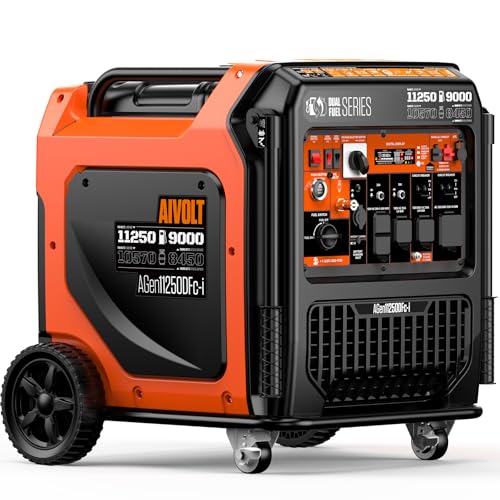
AIVOLT 11250W Dual Fuel Inverter Generator 50A

DuroMax XP13000HXT 13,000-Watt 500cc Tri Fuel Generator

Oxseryn 4400-Watts Inverter Generator

WEN 6800-Watt Dual Fuel RV-Ready Electric Start Generator

ERAYAK 4500W Portable Inverter Generator

PowerSmart 3600 Watt Portable Inverter Generator
More Details On Our Top Picks
That 120V and 240V dual-voltage setup makes this PowerSmart feel better suited to a food truck than a plain weekend backup unit. The inverter design matters because inverter generators condition the output for steadier power, which is helpful for sensitive electronics, payment gear, and modern appliances. You also get electric start, so the morning setup routine feels less fussy.
The trade-off is size and output headroom, which puts it closer to a serious mobile kitchen tool than a compact camp companion. For a truck with a fridge, lights, prep equipment, and a few digital devices, that extra margin can feel calming rather than excessive.
What We Like
- Dual voltage gives you more flexibility for mixed equipment loads.
- Inverter power suits electronics and reduces the risk of messy output.
- Electric start makes repeated shutoffs easier during long service days.
- Enough capacity to support busier truck setups without feeling pinched.
Things To Consider
- Higher output usually means more bulk, so storage space matters.
- At this size, routine fuel and upkeep take more attention than with smaller units.
- It makes more sense for heavier loads than for a very light cart.
Feature Snapshot
Who It Suits Best
You’ll get the most out of this model in a food truck that runs several appliances at once and needs flexible outlet handling.
Where A Sibling Pick Shines
PowerSmart 3600 Watt Portable Inverter Generator makes more sense for a smaller cart or a lighter menu that does not need this much headroom.
This Oxseryn keeps the formula simple, which can be a relief in a cramped parking setup where you want fewer complications. The open-frame layout often means a more straightforward, utilitarian build, and ECO Mode helps the engine scale back output under lighter loads. That combination fits trucks with modest power needs and owners who value straightforward operation.
You may find the open-frame form less polished around a customer-facing truck, but the trade-off usually shows up in everyday usefulness rather than style. For a lean menu, a prep trailer, or backup support for basic gear, this size makes sense without crowding your storage plan.
Bright Spots
- ECO Mode can help match output to lighter demand.
- Open-frame construction keeps the design direct and easy to understand.
- RV-ready positioning makes it more adaptable for mobile use.
- Lower capacity than the bigger units can suit leaner power setups.
Small Caveats
- The open-frame style is less discreet in a customer-facing setting.
- It is better aligned with moderate loads than with a packed kitchen.
- Regular fuel handling and cleaning still matter for dependable day-to-day use.
Details At A Glance
Made For
You’ll appreciate this one most in a smaller food truck or mobile setup that runs core equipment without a heavy simultaneous load.
Swap It Out When
AIVOLT 11250W Dual Fuel Inverter Generator 50A is the stronger choice for a busier service window that needs much more headroom.
For a food truck that leans heavy on equipment, this AIVOLT sits in serious territory without drifting into overcomplicated territory. Dual fuel means you can run it on gas or propane, and that flexibility helps in service situations where one fuel source is easier to manage than the other. Remote start also trims some of the daily friction that shows up before opening.
The 50A RV-ready connection points it toward larger power-hungry setups, while the CO shutoff adds another layer of built-in caution around exhaust exposure. The honest read is that this is a bigger, heavier commitment, so it suits trucks with real electrical demand rather than a minimalist cart.
Reasons To Buy
- Dual-fuel support gives you more flexibility around fuel sourcing.
- Remote start makes setup easier during rushed service windows.
- 50A RV-ready output suits larger mobile electrical layouts.
- Inverter construction is a better match for electronics and control systems.
- CO shutoff adds a practical layer of built-in caution.
Areas To Watch
- The larger format takes more room than the smaller 4,400-watt class units.
- Dual-fuel flexibility adds convenience, but it also adds more ownership decisions.
- It makes the most sense for trucks that truly need the extra output.
Core Details
Built With In Mind
You’ll likely get the most value from this model in a busier truck, concession setup, or jobsite-style food operation that runs a larger load.
Look Elsewhere When
ERAYAK 4500W Portable Inverter Generator is the more manageable fit for a smaller truck that needs compact handling first.
Once your truck starts carrying serious load demand, the DuroMax begins to make more sense than the smaller 4,400-watt units above it. Tri-fuel support gives you gas, propane, and natural gas compatibility, which is a big deal for operators who want more freedom around how the generator is fed. The 500cc engine size also signals a much larger class of machine.
That much capability comes with the usual reality check, though, because bigger units need more storage space, more planning, and a clearer reason to be on board. For a large food truck, trailer kitchen, or multi-appliance operation, the flexibility is attractive. For a lighter setup, it would be more generator than you actually need.
Standout Traits
- Tri-fuel support offers the broadest fuel flexibility in this list.
- Large output class fits trucks with several demanding appliances.
- CO alert adds a useful safety-focused feature.
- The 500cc engine points to a serious-duty build.
Points To Note
- The larger frame takes commitment on storage and handling.
- It makes the most sense for high-demand mobile kitchens.
- Routine maintenance matters more as the machine gets larger and busier.
Feature Rundown
Best Suited To
You’ll want this model for a large food truck or trailer kitchen that needs broad fuel options and serious output.
A Better Fit Elsewhere
WEN 6800-Watt Dual Fuel RV-Ready Electric Start Portable Inverter Generator fits smaller operators who want useful features without stepping into this size class.
This Oxseryn lands in the same power neighborhood as Item 2, but the RV-ready 30A outlet gives it a more specific mobile-use angle. That matters for food truck owners who want a straightforward gas-powered backup with a connector style that lines up neatly with portable setups. The open-frame form keeps it plain and functional rather than polished.
Depending on your service style, that simplicity is either exactly right or a little too basic. It suits backup power, smaller cooking loads, and operators who care more about function than a refined exterior. The trade-off is that it is not the right match for a busier kitchen with a lot of simultaneous demand.
Best Bits
- RV-ready 30A output helps with common mobile hookups.
- Open-frame design keeps the layout straightforward.
- Gas power is a familiar, practical setup for many trucks.
- Works well as backup support for lighter service loads.
Minor Gripes
- The open-frame build is less discreet near customers.
- It is more comfortable in smaller-duty roles than in packed kitchens.
- Cleaning dust and road grime stays part of regular upkeep.
At A Glance
Right Fit For
You’ll like this one for a smaller food truck, backup station, or intermittent service setup that values simple handling.
Where Another Pick Suits Better
PowerSmart 7000W Surge/6000W Rated Inverter Generator is the stronger match for a truck that needs more flexibility across multiple devices.
The WEN feels like the organized middle ground in this roundup, with dual fuel, electric start, RV-ready output, and fuel shutoff working together in one package. That fuel shutoff is handy because it helps the generator settle down before storage, which matters for anyone packing up after a late service rush. The CO Watchdog label also shows that WEN has paid attention to built-in caution.
Compared with the simpler Oxseryn options, this one gives you more convenience features without jumping all the way to the massive DuroMax class. It suits operators who want a generator that feels easier to manage across a busy week rather than only on the biggest nights.
Upsides
- Dual fuel broadens your fueling choices.
- Electric start removes some of the setup strain.
- RV-ready design fits mobile power use well.
- Fuel shutoff helps with storage after a shift.
- CO Watchdog adds another practical caution feature.
Worth Noting
- More features can mean more to keep track of over time.
- It sits above the simplest units in size and complexity.
- Routine storage and maintenance habits matter with any dual-fuel machine.
Technical Sheet
Whose Shelf It Belongs On
You’ll get along best with this WEN if you want a food-truck generator that balances convenience features with practical output.
Reach For A Different Pick When
ERAYAK 4500W Portable Inverter Generator is the simpler match for smaller setups that do not need this much feature density.
This ERAYAK is the sort of generator that makes sense when storage is tight and your power needs stay modest. The compact size is the obvious draw, but the inverter design and ECO Mode also help it fit a calmer, lighter-duty workflow. For a smaller food truck, that can mean less strain moving equipment in and out of the vehicle.
It sits below the 6,800-watt and 7,000-watt options in raw muscle, so you should think of it as a practical fit rather than a broad-coverage solution. Still, for prep support, smaller menus, or backup power on quieter service days, it has a sensible shape.
Highlights
- Smaller size helps in cramped storage spaces.
- Inverter power is a better fit for electronics.
- ECO Mode supports lighter-demand use.
- Good choice for short, focused power needs.
Room For Improvement
- It is not the right fit for heavy simultaneous loads.
- Smaller output leaves less room for menu expansion.
- Light-duty generators still need routine fuel and filter care.
Key Specs
Who Should Grab It
You’ll do well with this model in a compact truck or trailer where portable handling matters as much as power delivery.
Not Your Match When
AIVOLT 11250W Dual Fuel Inverter Generator 50A fits you better when your service menu puts much more demand on the system.
This PowerSmart lands at the lighter end of the roundup, and that gives it a clear role for trucks with modest demand and careful storage limits. The digital display is a useful touch because it gives you a quick readout without making the control panel feel cluttered. Parallel readiness also leaves room to link units later, which can matter as your setup grows.
The 30A outlet and clean power output make it a practical companion for small appliances and electronics, while the 8-hour runtime claim helps it stand out for a longer shift window. It is not the answer for a packed kitchen, but it can be a very sensible fit for smaller service teams that value simplicity.
Positives
- Long runtime helps stretch a working shift.
- Parallel-ready design leaves room for future expansion.
- Digital display makes status checks quicker.
- Clean power suits electronics and smaller appliances.
- Compact enough for easier storage and transport.
Honest Caveats
- It is aimed at lighter loads rather than high-demand kitchens.
- Parallel use only matters if you plan to expand later.
- Like any smaller inverter unit, regular upkeep still matters.
Feature Card
The Right Fit
You’ll like this one best for a smaller food truck, drink cart, or limited-load setup that values portable handling.
Another Choice May Suit
PowerSmart 7000W Surge/6000W Rated Inverter Generator is the better step up for a truck that needs more breathing room.
How To Choose The Right Generators For Food Truck
Match Output To Your Menu
Your generator choice starts with the gear that runs at the same time. A small drink cart can live comfortably with a lighter inverter unit, while a truck with refrigeration, warming gear, lighting, and prep equipment needs more headroom.
Think in terms of simultaneous load, not just the biggest appliance. A unit that looks enough on paper can feel cramped once opening time arrives and everything comes on together.
Choose The Fuel Setup That Fits Your Routine
Gas-only models keep things simple, while dual-fuel and tri-fuel options give you more room to work around supply issues. That flexibility matters on the road, especially during long service weeks or when one fuel source is easier to store than another.
The trade-off is that more flexibility often means more complexity and a larger machine. You get convenience, but you also take on extra planning around storage, refueling, and maintenance.
Pay Attention To Noise And Power Quality
Inverter generators are worth a close look because they produce cleaner power, which is kinder to electronics, displays, and payment gear. They also tend to be a better fit for customer-facing spaces where a loud engine can make the truck feel rougher than it should.
Open-frame models usually serve better as practical workhorses than as quiet companions. That makes sense for backup use or tucked-away setups, but it changes how comfortable they feel in a crowded service area.
Look At Handling, Storage, And Daily Use
Food truck power is not only about watts. Electric start, remote start, fuel shutoff, and RV-ready outlets can shave time off setup and pack-down, which matters more than people expect after a long shift.
Physical size matters too, because a generator that is awkward to move becomes part of the job in a bad way. The right fit should support service, not fight your storage plan.
Things Worth Knowing First
Hidden Buying Traps
A common mistake is chasing raw wattage without checking the actual load your truck runs together. Another is overlooking noise, which becomes a real issue near sidewalks, patios, or late-night service spots.
It also helps to think beyond startup day. Storage space, routine upkeep, and how often you’ll move the unit can matter just as much as output.
The Upgrade Payoff
Higher-tier generators usually cost more because they bring bigger engines, cleaner output, more fuel flexibility, and better convenience features. Dual-fuel and tri-fuel support can be worth it for a mobile kitchen that needs backup options or runs long hours.
Electric start, remote start, and built-in shutdown features also add day-to-day ease. For a busy truck, that extra comfort can feel worth the step up because it saves time during real service routines.
Frequently Asked Questions
Do food trucks need inverter generators?
Inverter generators are a smart fit for food trucks that use electronics, displays, or payment gear. They also tend to be more comfortable around customers because the power delivery is cleaner and the operation is often calmer.
How much power does a food truck generator need?
That depends on how many appliances run together. Smaller carts can manage with a lighter unit, while a full kitchen usually needs a much larger power cushion.
Is dual fuel worth it for mobile food service?
Dual fuel makes sense when you want more flexibility around gasoline and propane. It is especially useful for long shifts or supply planning, though the system usually adds some complexity.
What matters more, wattage or outlet type?
Wattage matters most for total demand, but outlet type still matters for compatibility. A truck can have enough output and still be inconvenient if the connection style does not match your setup.
Are bigger generators always better for food trucks?
No, because larger units can be harder to store, move, and maintain. The best match is the one that covers your real load without turning every setup into a heavy lift.
Closing Thoughts
You can make this choice easier by matching the generator to your menu, your storage space, and the way your truck really works during service. The smaller PowerSmart and ERAYAK picks suit leaner setups, while the AIVOLT and DuroMax units are better for trucks that carry more equipment and need more fuel flexibility. The middle options, especially the WEN and the two Oxseryn models, give you a useful balance of practicality and size. Pick the one that fits your daily rhythm, and the rest of the work feels a lot more manageable.
