

Camping power gets tricky fast, especially once you want more than a phone charge and a lantern. You need a generator that fits your setup, keeps noise in check, and gives you enough output for coolers, lights, or a small RV system without turning the campsite into a nuisance.
The picks below focus on practical matchups for weekend campers, RV travelers, and anyone who wants backup power that also makes sense at a campsite. You’ll see compact inverter models, dual-fuel options, and heavier units for larger needs, along with the trade-offs that matter once you start loading them into a truck or storage bay.
The Shortlist At A Glance
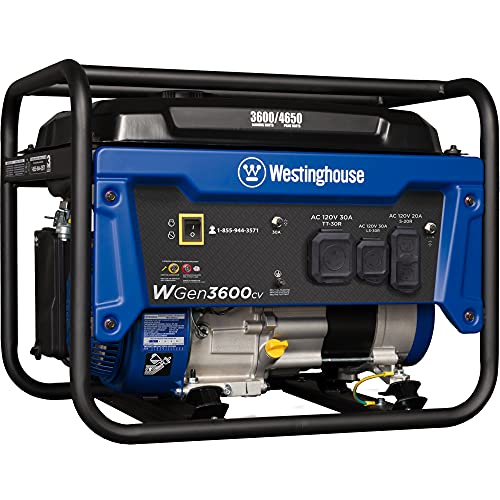
Westinghouse 4650 Peak Watt Portable Generator

Oxseryn Power Equipment 4400 Watts Inverter Generator

AIVOLT 1600W Super Quiet Inverter Generator 28lbs Portable

WEN Quiet and Lightweight 4800-Watt RV-Ready Portable Inverter Generator (56477i)

WEN 6800-Watt Dual Fuel RV-Ready Electric Start Portable Inverter Generator (DF680iX)

ERAYAK 4500W Portable Inverter Generator for Home Use

PowerSmart 3600 Watt Portable Inverter Generator

Champion Power Equipment 4000-Watt Dual Fuel RV Ready Portable Inverter Generator
More Details On Our Top Picks
Midrange capacity is the point here, and that suits campsites where you want more than charging duty without jumping into a much larger frame. The RV-ready 30A outlet is the useful detail, because it lines up with travel trailers that need a proper hookup instead of a patchwork of adapters.
The CO sensor adds a practical layer for common outdoor setups, and the gas-powered format keeps refueling familiar. The honest read is that this makes more sense for RV campers and basecamp use than for backpack-style travel, since the size and fuel needs call for a vehicle to move it around.
Strong Points
- RV-ready 30A outlet suits trailer hookups cleanly.
- CO sensing adds a useful safety layer for camp use.
- Enough output for lights, small appliances, and charging gear.
- Gas operation fits longer stays where refueling is easier.
Things To Consider
- It’s a heavier-style portable, so loading space matters.
- Gas upkeep means routine storage and fuel care.
- Noise control depends on where you place it at camp.
Feature Snapshot
Who It Suits Best
You get the most from this pick when your camping routine centers on an RV, a camper trailer, or a fixed basecamp with regular appliance use.
A Better Fit Elsewhere
AIVOLT 1600W Super Quiet Inverter Generator 28lbs Portable works better for campers who want a smaller carry and lighter power needs.
This one leans into utility first, with an open-frame build that usually makes sense for broader power needs rather than a minimalist camping packout. ECO mode is the notable feature, since it points toward smarter fuel use during lighter loads, which helps on longer weekends or backup-heavy trips.
Compared with the Westinghouse model above, this pick feels less focused on trailer-specific convenience and more on flexible household-to-campsite duty. You may find the open-frame style a little less refined for quiet campground etiquette, but it has a practical place in truck-bed setups, hunting camps, and mixed-use storage sheds.
What We Like
- Open-frame layout keeps the design straightforward.
- ECO mode can help stretch fuel during lighter use.
- Useful for campsite power that overlaps with home backup.
Areas To Watch
- Open-frame designs usually suit utility more than quiet comfort.
- Bulkier shape can take more room in a vehicle.
- Best results come from sensible storage and regular fuel care.
Core Details
Who Should Grab It
Campers who also want a backup-capable machine for the garage or cabin will get the most from this setup.
Where A Sibling Pick Shines
WEN Quiet and Lightweight 4800-Watt RV-Ready Portable Inverter Generator (56477i) is the cleaner fit for campground use where a more polished inverter package matters.
Weight matters here, and 28 pounds puts this model in the more manageable corner of the camping generator world. The 57dBA noise figure is also important, because dBA is a sound-measurement scale, and a lower number generally suits close-quarters campgrounds where people sit near one another.
Pure sine wave output is another key detail, meaning the electricity is shaped more smoothly for sensitive electronics such as laptops or camera gear. Compared with the bigger WEN and Westinghouse options, this one trades raw output for easier handling and a friendlier fit in a tent-heavy or solo-camper routine.
Best Bits
- 28-pound build is easier to carry and store.
- 57dBA rating suits quieter camping setups.
- Pure sine wave output helps with sensitive electronics.
- ECO mode supports lighter-demand outings.
- CO auto-shutoff adds a useful layer of caution.
Minor Gripes
- Lower output limits what you can run at once.
- Smaller size means less room for bigger appliances.
- Gas care still applies, even on a compact unit.
Details At A Glance
Perfect Match For
Solo campers, tent campers, and weekend travelers who want a light lift and modest electrical support will feel at home with this one.
Not Your Match When
WEN 6800-Watt Dual Fuel RV-Ready Electric Start Portable Inverter Generator (DF680iX) fits better for larger RV setups that need far more headroom.
This WEN lands in a sweet middle ground for campers who want a step up from ultracompact units without jumping into heavy-duty territory. Fuel shut off is the detail to notice, since it helps clear fuel from the carburetor area during storage and can make long breaks between trips less fussy.
That storage-friendly angle sets it apart from the more bare-bones Oxseryn and the tiny AIVOLT. Campers with trailers, cabin patios, or a regular tailgate setup will appreciate the balance, although you’ll still want room in the vehicle for a unit of this class.
Upsides
- 4800 watts gives you useful flexibility at camp.
- RV-ready design suits common trailer hookups.
- Fuel shut off supports easier off-season storage.
- Quiet inverter format works better for camp neighbors.
Points To Note
- It still needs vehicle space and lift-in planning.
- More power usually means more weight to manage.
Feature Rundown
Who Will Love This
Campers who return to the same site often, especially those with RVs or family trailers, are the best match for this layout.
Look Elsewhere When
PowerSmart 3600 Watt Portable Inverter Generator works better for shoppers who want a smaller, more budget-conscious campsite companion.
Dual fuel changes the ownership story in a useful way, because it lets you work with more than one fuel source instead of locking yourself into a single plan. Electric start also matters in real life, since campsite setup is easier on your hands when the machine starts with less effort.
The CO Watchdog feature adds a monitoring layer, and the fuel shut off again helps with storage between outings. Compared with the 4800-watt WEN above, this model is the stronger call for bigger RVs, longer stays, or any trip where you want more flexibility and fewer compromises.
Highlights
- Dual fuel support gives you more refueling options.
- Electric start makes campsite setup less tiring.
- CO Watchdog adds a helpful monitor for use around people.
- Fuel shut off simplifies storage after the trip.
- Higher output suits larger rigs and heavier demand.
Room For Improvement
- The feature set adds size and complexity.
- More capability usually means more storage planning.
- It makes the most sense when you’ll use the extra headroom.
Spec Overview
Best Suited To
You’ll appreciate this most for larger campers, long weekends, and backup-minded setups where fuel flexibility pays off.
Swap It Out When
AIVOLT 1600W Super Quiet Inverter Generator 28lbs Portable suits lighter campers who care more about easy carrying than heavy output.
The “for home use” part matters because it hints at a machine that bridges two lives: campsite power and household backup. That kind of overlap helps you avoid owning a generator that sits idle for most of the year, which is often the real-world problem behind these purchases.
ECO mode is useful for lighter demands, and the gas engine keeps the setup familiar for routine refueling. Compared with the WEN 6800 and Westinghouse picks, this one sits closer to the middle of the road, which can be the right place for families who split time between trips, tailgates, and outage planning.
Positives
- Works across camping and home backup use.
- ECO mode can help match output to lighter loads.
- Portable format keeps transport more manageable than larger standby-style gear.
- Good fit for households that want one machine for more than one role.
Softer Spots
- It still asks for fuel handling and routine upkeep.
- Middleweight portability can be enough for many trips, not all of them.
- Campers focused on ultra-quiet use may prefer a smaller inverter.
Technical Sheet
Made For
Families who want one machine for camping weekends and occasional outage backup are the natural match here.
Consider Something Else When
AIVOLT 1600W Super Quiet Inverter Generator 28lbs Portable suits you better for short trips where carry weight matters more than shared use.
The digital display sets a friendlier tone here, because it gives you quick status information instead of forcing guesswork. Parallel-ready design also matters, meaning you can pair two compatible units together for more output, which is a useful path for campers who may grow into bigger needs later.
Compared with the larger WEN models, this one looks like a sensible middle step for folks who want clean power and a manageable footprint. The 59dBA figure is a useful reference point too, since it suggests a quieter personality than many older open-frame machines.
Bright Spots
- Digital display makes status checks easier.
- Parallel-ready design gives you room to expand later.
- 30 amp outlet supports common camping and RV needs.
- Eco mode and long runtime suit routine trip use.
Worth Noting
- Parallel setups add extra planning and another compatible unit.
- Long runtime claims matter most with sensible load management.
- It’s still a fuel-burning machine that needs storage care.
Quick Facts
The Right Fit
You fit this best when you want a sensible middle-class camping generator with room to grow.
Reach For A Different Pick When
Champion Power Equipment 4000-Watt Dual Fuel RV Ready Portable Inverter Generator works better for campers who want dual-fuel flexibility from the start.
Dual fuel and RV-ready output make this a flexible camping companion, especially for travelers who plan around different trip lengths and fuel access. Quiet technology is the other headline feature, and that matters most in shared camp spaces where a calmer sound profile can make the evening feel less crowded.
Compared with the PowerSmart model, this one feels more straightforward for travelers who want fuel choice without moving up to a much larger unit. It suits campers who split time between trailer travel and backup planning, though the extra flexibility also means a bit more to think about during storage and fueling.
Positives
- Dual fuel setup gives you more refueling flexibility.
- RV-ready design works well for common camping hookups.
- Quiet technology is helpful in shared outdoor spaces.
- Portable inverter format supports cleaner power for devices.
Trade Offs
- Dual-fuel setups ask for a bit more planning.
- Portable power still calls for fuel storage discipline.
- More capability usually means more weight to manage.
Core Details
Whose Shelf It Belongs On
It fits campers who want a flexible, trailer-friendly generator without jumping into a heavier duty class.
A Better Fit Elsewhere
AIVOLT 1600W Super Quiet Inverter Generator 28lbs Portable is the better match for hikers, tent campers, and anyone prioritizing a lighter carry.
How To Choose The Right Generators For Camping
Match Output To Real Camp Life
Start with what you actually plan to run, not the biggest number on a listing page. A phone charger, a lantern string, and a small fan live in a different world than an RV air conditioner or a coffee maker plus a cooler full of food. Camping power works best when you size it to the routine you already have, because oversizing usually brings extra weight, fuel use, and storage hassle.
Inverter generators tend to make sense for campsites because they produce smoother power for electronics and usually run quieter than older open-frame styles. That smoother output matters for laptops, cameras, and battery stations, while quieter operation helps around neighboring sites. The trade-off is cost, since inverter design and noise control usually push the price up.
Think About Noise, Carrying, And Storage
Noise matters more at camp than many shoppers expect. A lower dBA rating usually feels friendlier in shared campground rows, and compact units are easier to move from a truck bed to a picnic area or trailer compartment. Weight also affects how often you’ll actually use the machine, since a model that’s a chore to lift tends to stay in storage longer than planned.
Fuel shut off, ECO mode, and a clear display are small features that make ownership easier over time. Fuel shut off helps with storage, ECO mode can reduce waste during light loads, and a display gives quick status checks without guesswork. The catch is that these conveniences usually show up on more expensive models, so the right choice depends on how often you camp and how much setup patience you want.
Pick The Fuel Setup That Fits Your Trips
Gas-only models are simple and common, which makes them easy to understand and easier to refuel in most towns. Dual fuel adds flexibility, especially for long trips or backup-minded households that want more than one fueling path. That flexibility can be handy, but it also adds another layer of maintenance and storage planning.
For RV travel, a 30A outlet is a key detail because it lines up with common trailer power needs. For smaller outings, a lighter unit with lower output may be the better move, especially when you care more about easy loading than running multiple appliances. The best match is the one that fits your vehicle space, your campsite habits, and the gear you already own.
Things Worth Knowing First
Common Shopping Slip Ups
Many campground problems start with choosing too much generator and too little portability. A machine that looks great on paper can become annoying fast once you have to lift it, store it, or keep fuel around it between trips.
Another common miss is ignoring outlet fit. RV travelers need the right connection style, while tent campers and weekend tailgaters usually care more about low noise and simple carrying.
The Upgrade Payoff
Higher-tier camping generators usually cost more because they add cleaner power, quieter operation, dual fuel support, electric start, and better monitoring features. Those additions matter in real use, especially when you camp often, travel with an RV, or want a machine that can also cover household backup needs.
Spending up makes the most sense when you’ll use those extras regularly. For occasional light camping, a smaller model is easier to live with, and your storage space will thank you.
Frequently Asked Questions
What size generator works for camping?
It depends on the gear you want to power and whether you travel with an RV or a tent setup. Smaller trips often suit compact inverter models, while trailer use usually needs more output and the right outlet.
Are inverter generators better for campsites?
They usually fit camp life well because they tend to run quieter and produce smoother power for electronics. That makes them a practical choice for phones, laptops, and sensitive accessories.
Why does noise matter so much?
Campgrounds can be close together, so a louder unit becomes hard to ignore fast. A lower dBA rating often feels more comfortable for you and for people nearby.
Is dual fuel worth it for camping?
It makes sense when you want more flexibility around fuel availability or you also plan to use the machine for backup. The trade-off is a little more complexity and usually a higher purchase commitment.
What outlet should RV campers look for?
A 30A RV-ready outlet is the detail to check first for many travel trailers. It gives you a cleaner connection path than a workaround setup.
Closing Thoughts
The right camping generator depends on how you travel, what you power, and how much setup you want to handle after a long drive. A small inverter model fits lighter trips, while RV-ready and dual-fuel choices make more sense once your camping gear gets more demanding. The best match is the one that feels easy to move, easy to store, and easy to live with on the second and third trip, not just the first.
