

Power cuts don’t wait for a convenient moment, and neither do campsite plans, tailgates, or a jobsite far from wall outlets. The right gas portable generator keeps a fridge running, a few essentials charged, or a small RV setup moving without turning your space into a tangle of cords and guesswork. This roundup focuses on compact, gas-powered options with different output levels, noise profiles, and portability needs.
You’ll find small units for light household backup, inverter models for sensitive electronics, and heavier picks for RV use or broader emergency coverage. The trade-off is never subtle: more output usually brings more weight, more noise, or less grab-and-go convenience. That’s why the best choice depends on how much power you actually need, not just the number printed on the box.
Quick Look At The Shortlist
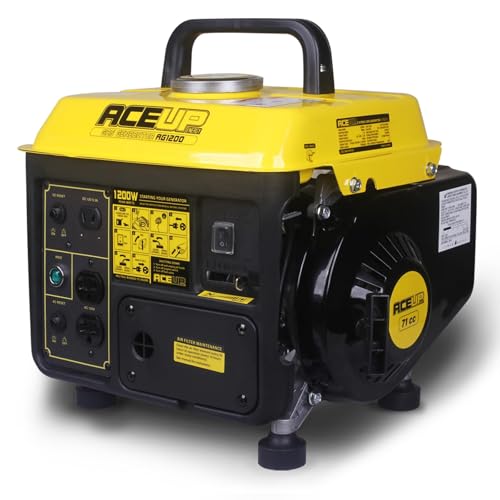
Aceup Energy 1,200W Gas Powered Generator
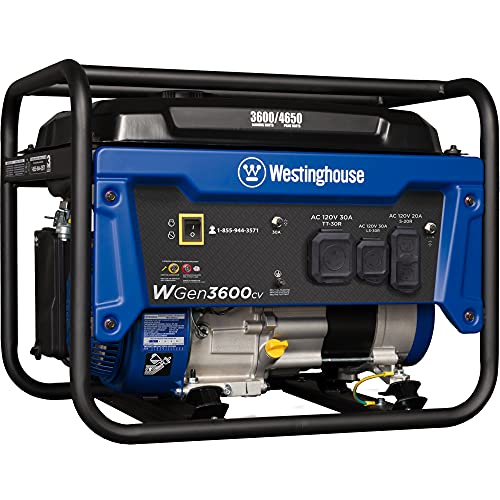
Westinghouse 4650 Peak Watt Portable Generator

Oxseryn Power Equipment 4400 Watts Inverter Generator

ERAYAK 2400W Portable Inverter Generator

AIVOLT 1600W Super Quiet Inverter Generator 28lbs Portable for Camping

Oxseryn 2800-Watts Portable Inverter Generator

Oxseryn 4400-Watts Inverter Generator

ERAYAK 4500W Portable Inverter Generator
More Details On Our Top Picks
Small backup needs call for a generator that stays out of the way, and this Aceup Energy unit fits that brief well. Its lower output suits essentials like a lamp, charger, or a few household items, not a whole-home load, so the honest read is that it works best as a light-duty helper.
You may find it especially sensible for a condo storage area, a weekend cabin, or an emergency kit where space matters more than brute force. Compared with the larger Westinghouse and Oxseryn picks below, it asks for less room and less commitment, which makes it easier to live with.
Strong Points
- Compact frame keeps storage simple.
- Lower output fits small backup tasks without feeling oversized.
- Easy to slot into a basic emergency setup.
- Good match for tight sheds or garage corners.
Things To Consider
- Its smaller power ceiling limits larger appliances.
- You’ll want to plan fuel storage and routine upkeep carefully, like with any gas unit.
Key Specs
Who It Suits Best
Small-space households, cabin owners, and first-time generator shoppers get the most from this compact format.
A Better Fit Elsewhere
Oxseryn Power Equipment 4400 Watts Inverter Generator suits you better for stronger home backup or RV use.
The Westinghouse unit moves into a more serious backup lane, with enough peak output to feel appropriate for RV trips or broader household support. The RV-ready 30A outlet matters here, since a 30-amp connection helps simplify RV hookup instead of forcing awkward workarounds.
The built-in carbon monoxide sensor is the detail that will matter most in real homes, because it adds another layer of shutdown awareness around exhaust buildup. Compared with the Aceup Energy pick, this one is clearly the stronger choice for heavier loads, though it also asks for more space and a more deliberate setup.
What We Like
- RV-ready 30A outlet suits travel trailers and similar setups.
- Higher peak output gives you more breathing room for larger appliances.
- Carbon monoxide sensor adds practical shutdown awareness.
- Works well for backup use where power demand is less predictable.
Softer Spots
- Its size makes casual carrying less convenient than the smaller units here.
- You may want a dedicated storage spot because heavier generators are rarely grab-and-go.
- RV-oriented features matter most to travel users, not everyone.
Feature Snapshot
Who Will Love This
RV owners and households that want a sturdier emergency backup option will get the most out of this format.
Another Choice May Suit
ERAYAK 4500W Portable Inverter Generator suits you better for quieter inverter-style home use with a more compact footprint.
This Oxseryn model sits in the middle ground that a lot of homes actually need, with inverter design and open-frame construction working toward different goals at once. Inverter output tends to suit electronics and steadier power delivery, while the open frame keeps the package more straightforward than a fully enclosed body.
The ECO Mode detail matters for long evenings of backup use, because it points toward more measured fuel consumption under lighter loads. Compared with the Westinghouse pick, this one leans more toward inverter-style power behavior, while still offering enough output to feel useful in a real outage.
Upsides
- Inverter design suits electronics and mixed household loads.
- ECO Mode supports more measured fuel use during lighter operation.
- Open-frame design keeps the build direct and familiar.
- Strong enough for backup needs without jumping to the largest class here.
- Good bridge between portable camping use and emergency duty.
Points To Note
- Open-frame units usually take up more visual and physical room than compact enclosed models.
- Lower-noise framing helps, but the unit is still a gas generator.
Feature Rundown
Made For
Homeowners and RV users who want a flexible midrange backup option will appreciate this balance.
Look Elsewhere When
AIVOLT 1600W Super Quiet Inverter Generator 28lbs Portable for Camping suits short trips and lighter carry needs better.
ERAYAK’s 2400W format lands in a very practical zone for camping and emergency backup, where you want more breathing room than a tiny unit without jumping into the heavy side of the aisle. The inverter design matters because it usually fits electronics and more varied household loads better than a plain open-frame generator.
You may find the quieter positioning especially helpful for a backyard setup or campground use, where less intrusive operation is part of the deal. Compared with the Oxseryn 4400W inverter above, this one is easier to carry and easier to stash, though it gives up some output headroom.
Bright Spots
- Portable size suits camping and occasional backup use.
- Inverter layout is a natural fit for electronics.
- ECO Mode helps keep output more measured under lighter loads.
- Good middle step for households moving beyond a tiny generator.
Small Caveats
- Its power ceiling is lower than the 4400W class in this roundup.
- You’ll still need a sensible place to store fuel and keep maintenance on a routine.
Details At A Glance
The Right Fit
Campers and smaller households wanting quieter inverter-style backup will get the most from this one.
Where A Sibling Pick Shines
Westinghouse 4650 Peak Watt Portable Generator suits you better for RV-specific power and a higher peak figure.
The AIVOLT model is built for people who want portability without feeling stranded on output. At 28 pounds, it stays in a carry-friendly zone, and the 57 dBA noise rating gives you a useful clue about how it behaves in a campsite or backyard setting where quieter operation matters.
The pure sine wave output is the technical piece worth noting first, because that kind of wave shape is better suited to electronics than rougher power delivery. Compared with the ERAYAK 2400W unit, this one is lighter and more travel-friendly, though its lower running power puts it in a narrower lane.
Reasons To Buy
- 28-pound weight keeps transport more manageable.
- Pure sine wave output is a strong fit for electronics.
- CO auto-shutoff adds another protective layer.
- ECO Mode stretches operation during lighter demand.
- Very quiet positioning works well for campgrounds and close neighbors.
Room For Improvement
- Its 1260W running figure leaves less headroom than larger models here.
- You’ll want to keep up with fuel and storage care, as with any compact gas unit.
Core Details
Best Suited To
Campers, tailgaters, and light-duty backup users who value a smaller carry load will like this format most.
Swap It Out When
ERAYAK 4500W Portable Inverter Generator suits you better for a broader home backup role and more output headroom.
This Oxseryn lands in a very usable middle zone for home backup and camping, especially because the 1.1-gallon fuel tank gives you a concrete sense of the unit’s scale. The fuel shutoff detail is useful for ownership, since it points toward simpler storage habits and less fuel left sitting in the system after use.
At 39 pounds, it remains portable without pretending to be featherlight, which is a fair trade for a generator with more punch than the smallest picks here. Compared with the AIVOLT option, this one gives you more practical output while staying in a still-manageable size.
Best Bits
- 2800W output gives you more room than the compact 1600W class.
- Fuel shutoff supports smarter post-use storage habits.
- 1.1-gallon tank gives a clear sense of its portable size.
- 39-pound build stays manageable for most routine moves.
- Works well for emergency backup without feeling oversized.
Areas To Watch
- It’s still a carryable generator, not a grab-with-one-finger unit.
- Any gas generator asks for routine fuel and maintenance attention.
Feature Card
Whose Shelf It Belongs On
Homeowners who want a practical step up from ultra-compact generators will get good use from this one.
Reach For A Different Pick When
Westinghouse 4650 Peak Watt Portable Generator suits you better for RV-ready output and a stronger peak power cushion.
This Oxseryn model is the sort of pick that makes sense for a garage-kept backup plan where RV compatibility matters. The 30A outlet is the key feature in that story, because it helps connect to an RV setup in a more straightforward way than a generator that lacks that port.
The open-frame format keeps it from feeling overly specialized, so it still fits emergency home backup along with travel duty. Compared with the closed-in feel of many smaller inverter units, this one offers a more direct, utility-first build, though that also means you’ll want to give it more room.
Highlights
- RV-ready 30A outlet makes trailer hookup simpler.
- 4400-watt class gives you a substantial step up in capacity.
- Open-frame design keeps the layout straightforward.
- Useful for both backup and travel-minded setups.
Minor Gripes
- Open-frame style takes up more room than smaller enclosed units.
- Its stronger output comes with a larger footprint to manage.
Spec Overview
Built With In Mind
RV owners and households that want a sturdier open-frame backup option will see the most value here.
Skip It When
ERAYAK 2400W Portable Inverter Generator suits you better for a lighter, quieter compact setup.
The 4500W ERAYAK sits near the stronger end of this list, which matters most when your backup plan needs more headroom for several household loads at once. The inverter build and ECO Mode combination points toward a more controlled approach than a basic open-frame machine, especially for homes that care about electronics and more measured operation.
That extra capacity does bring the usual trade-off, since larger power often means a bigger physical presence and less casual portability. Compared with the 2400W ERAYAK above, this one is the clear step-up choice for people who want more room to grow into the generator rather than just cover the basics.
Plus Points
- 4500W output gives you more breathing room for larger backup loads.
- Inverter design suits electronics and more varied household use.
- ECO Mode helps moderate output during lighter demand.
- Strong fit for home backup planning that needs extra margin.
Worth Noting
- Higher output usually means a larger, less casual footprint.
- You’ll want a planned storage area, since big generators rarely disappear into a closet.
Technical Sheet
Who Should Grab It
Households wanting a more capable inverter backup option will get the strongest payoff from this model.
Where Shoppers Go Wrong
Aceup Energy 1,200W Gas Powered Generator suits you better for ultra-simple storage and smaller backup tasks.
How To Choose The Right Gas Portable Generators
Match Output To Real Use
Start with the loads you actually plan to power, not the most dramatic number in the listing. A small generator like the Aceup Energy 1,200W model works for charging, lights, and a few basics, while the Westinghouse 4650 Peak Watt unit suits more demanding backup or RV tasks. Inverter models matter when you care about steadier power for electronics, because an inverter converts power into a more controlled form before delivering it.
That extra detail matters in normal homes and campsites. A unit with more watts may sound better on paper, but it can also mean more weight, more noise, and a larger storage footprint. The cleanest choice is the one that covers your real daily need without pushing you into a size you’ll resent moving.
Think About Noise And Portability Together
Quiet operation sounds nice, but it works best as part of a bigger picture. The AIVOLT 1600W model gives you a lighter carry and a quieter-feeling profile, while the ERAYAK 4500W model trades that convenience for much more usable power. For camping, close neighbors, or small yards, the sound level and weight often matter as much as the wattage.
Portable also means different things depending on your routine. A 28-pound unit is easy to lift in and out of a car, while a 39-pound or heavier unit starts feeling like a two-hand job with a clear storage plan. A generator you can move without strain is more likely to get used the right way and put away cleanly afterward.
Look For The Features That Fit Your Setup
RV-ready 30A outlets, fuel shutoff, ECO Mode, CO sensors, and pure sine wave output each solve a specific problem. A 30A outlet simplifies trailer hookup, a fuel shutoff helps with storage habits, ECO Mode can smooth lighter-load operation, and pure sine wave output is friendlier to electronics. These details do not matter equally for everyone, so the best pick is the one that matches your actual gear.
That’s where the Oxseryn and ERAYAK inverter options stand out against the simpler Aceup Energy unit. The more tailored the feature set, the more likely you are to feel the difference in everyday use, especially during outages or repeated weekend trips. A generator with the right extras can feel like a well-fitted jacket, while the wrong one just hangs there.
Don’t Skip The Ownership Side
Fuel storage, routine maintenance, and easy placement matter more than many shoppers expect. Gas generators need a place to live that’s dry, stable, and easy to reach, plus enough room to refuel and inspect without awkward lifting. Heavier models may offer more power, but they also ask for more planning every time you move or store them.
That practical side usually decides satisfaction long after the box is opened. A compact backup unit can be ideal for apartment storage or a cabin, while a stronger open-frame model makes more sense for a garage, RV site, or dedicated emergency corner. Choose the one that fits the space you already have, not the space you wish you had.
What To Weigh Before You Commit
Common Shopping Slip Ups
One common mistake is chasing output without checking outlet type or weight. An RV owner needs different features than a camper who only wants to keep a phone, fan, or small appliance going, and that mismatch creates frustration fast. The spec sheet should solve a real routine, not just look impressive.
Another easy miss is ignoring the storage side. Gas generators need fuel care and a stable place to sit, so a model that feels right on paper can become annoying in a small shed or packed garage. The fix is simple: think about where it lives, not just where it runs.
What The Higher Tier Buys
More money usually goes toward more output, better inverter behavior, and features that make daily ownership easier. The ERAYAK 4500W and Westinghouse 4650 Peak Watt models cost more in practical terms because they bring more headroom, more flexibility, and in some cases more travel-friendly or home-friendly connections.
That upgrade makes sense for households with several must-run items, RV setups, or a stronger backup plan. Smaller units still have a place, but higher-tier picks buy breathing room, and that breathing room is often what matters during an outage or a trip.
Frequently Asked Questions
What size generator works for basic home backup?
A smaller unit around 1,200W can cover light essentials like charging and a few low-draw items. Bigger homes usually need more headroom than that.
Why choose an inverter generator over an open-frame model?
Inverter models are a better fit for electronics and steadier power needs. Open-frame models usually lean more toward simpler, utility-first output.
Do RV users need a special outlet?
RV-ready 30A outlets make trailer hookup much simpler. That feature matters far more for travel setups than for basic yard use.
How much does portability matter?
Portability matters every time you move, store, or refuel the unit. A lighter generator gets used more easily in a small house, cabin, or campsite.
What features matter most for long-term ownership?
ECO Mode, fuel shutoff, and a sensible storage footprint can make daily handling easier. The best match is the one that fits your space and your routine without extra fuss.
Closing Thoughts
The best gas portable generator for you depends on how much power you need, how far you need to carry it, and whether your setup leans toward RV travel, home backup, or light campsite use. Small units keep life simple, midrange inverter picks offer a nicer balance, and the larger models buy more margin when several loads matter at once. Match the generator to your space, your gear, and the way you actually live. That’s the path that makes the whole category feel less like guesswork and more like a solid plan.
