

Portable power matters most when the lights go out, the campsite gets crowded, or a jobsite needs steady backup without drama. This roundup keeps the focus on practical capacity, noise, fuel use, and carry convenience, so you can match the machine to your space instead of guessing from a headline. You’ll see battery stations and gas inverter units side by side, which makes the trade-offs clearer right away. For a small apartment, a weekend trailer, or a house that needs backup for essentials, the right fit usually shows itself fast.
Quick Look At The Shortlist

Jackery Explorer 2000 v2 Portable Power Station 2042Wh 2200W AC Output

Oxseryn Power Equipment 4400 Watts Inverter Generator

ERAYAK 2400W Portable Inverter Generator
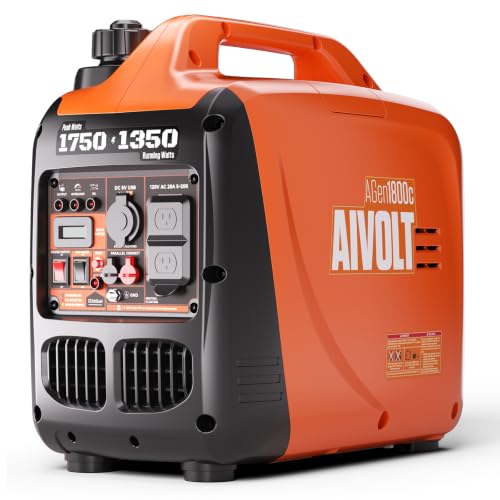
AIVOLT 1750W Inverter Generator Portable Gas Generator

Oxseryn 2800-Watts Portable Inverter Generator

DaranEner Portable Power Station 192Wh LiFePO4 Battery Backup Solar Generator

Oxseryn 4400-Watts Inverter Generator Open Frame Generator

2450-Watt Portable Inverter Generator for Home Use Yellow
More Details On Our Top Picks
Jackery’s larger power station is the calm, indoor-friendly option in this lineup. The 2042Wh battery capacity gives you room for more than just phone charging, while the 2200W AC output from three outlets makes it easier to cover a fridge, lights, and a few household devices during an outage.
For a family who wants backup without fuel storage or exhaust, that matters a lot. The LiFePO4 battery chemistry, which uses lithium iron phosphate cells, usually brings steadier long-term use than older pack styles, and the 20ms switching helps keep essentials from dropping out during a brief interruption.
Strong Points
- Large energy reserve suits longer outages and busy weekends off-grid.
- USB-C PD 100W charging helps handle laptops and modern devices without extra adapters.
- Silent charging mode under 30dB is a real plus for bedrooms and study spaces.
- Solar charging support gives you flexibility for cabins or backyard setups.
- No fuel means simpler indoor storage and less maintenance than a gas unit.
Things To Consider
- Portable power stations like this one still need planning around run time and recharge sources.
- Its size makes sense for backup use, though it’s not the lightest carry for frequent travel.
- Solar panels are optional, so that route adds another purchase path to think through.
Feature Snapshot
Who It Suits Best
Households that want quiet backup power for outages, camping, or a small workspace will get the most from this one.
Where A Sibling Pick Shines
POXURIO’s 2450-Watt Portable Inverter Generator fits better for someone who wants fuel-based runtime instead of battery charging logistics.
This open-frame Oxseryn is the louder, harder-working cousin to the Jackery unit above. It’s built around gas power, so you’re looking at a different kind of ownership, more runtime planning, more routine care, and more output for tools, RV gear, or heavier backup needs.
That trade-off suits a garage, a trailer, or a place where fuel storage already makes sense. The open-frame layout usually keeps weight and cost in check compared with enclosed inverter designs, though it’s not the pick for quiet patio use or indoor comfort.
What We Like
- 4400 watts gives you useful headroom for more demanding loads.
- Open-frame construction often suits utility work and general home backup.
- ECO mode can help ease fuel use during lighter demand.
- RV-ready positioning makes it relevant for travel trailers and campsite setups.
- The warranty-plan language on the listing points to easier claim handling, which can lower the stress of ownership.
Room For Improvement
- Gas models need fuel handling, storage, and periodic maintenance attention.
- Open-frame units typically carry more noise than enclosed inverter machines.
- Less compact than the small portable choices in this roundup.
Core Details
Built With In Mind
RV owners, utility-minded homeowners, and anyone who needs stronger gas output will find this fit easier to justify.
A Better Fit Elsewhere
Jackery Explorer 2000 v2 Portable Power Station 2042Wh 2200W AC Output suits apartment backup and quiet indoor use more cleanly.
ERAYAK lands in the middle of the pack in a useful way. It gives you a more compact gas inverter option than the larger Oxseryn units, so it makes sense for smaller backup needs, camping, or the kind of home use where you want quieter output than an open-frame machine usually brings.
The ECO mode matters because it helps the engine match lighter loads instead of running harder than needed. For most weekend setups, that means a more relaxed experience, though you still need to think about fuel care and routine storage the same way you would with any gas unit.
Highlights
- 2400 watts hits a sensible middle ground for small backup tasks.
- Inverter design is better suited to sensitive electronics than a basic generator.
- Quiet operation helps at campsites and in shared yards.
- ECO mode can stretch runtime under lighter use.
- Smaller footprint makes storage easier than larger open-frame options.
Minor Gripes
- Still requires fuel and regular upkeep, unlike a battery station.
- Power headroom is lower than the 4400-watt Oxseryn units.
- Best results depend on matching the load carefully to its output range.
At A Glance
Whose Shelf It Belongs On
Campers and homeowners who want a quieter gas inverter for smaller loads will feel at home with this model.
Swap It Out When
AIVOLT 1750W Inverter Generator Portable Gas Generator fits better for someone who wants a lighter carry and lower-output portability.
Portability is the clear story here, and the 26.5-pound weight gives that claim real shape. One-hand carry makes this a friendlier grab for tailgates, quick yard work, or loading in and out of a vehicle, while the 52dBA noise rating keeps it in the quieter end of the gas-generator range.
The clean power rating under 3 percent THD, or total harmonic distortion, matters for electronics because it signals smoother output than a rough utility-style unit. The honest read is that this model still asks for gas upkeep, but it does a good job of reducing the usual burden for smaller, mobile power needs.
Bright Spots
- Very light for a gas inverter, which helps with transport and storage.
- One-hand carry is handy on stairs, campsites, and driveway use.
- Quiet operation suits close-quarter settings better than many larger units.
- CO auto-shutoff adds a useful layer of caution for enclosed storage areas.
- Seven-hour ECO mode gives you a cleaner runtime reference for lighter loads.
Areas To Watch
- Lower output keeps it in the small-load category.
- Gas care still applies, including fuel rotation and routine storage habits.
- Best used where portability matters more than high surge capacity.
Technical Sheet
Who Should Grab It
Shoppers who need a light, quiet gas inverter for small tasks, tailgates, or compact storage will appreciate this one most.
Another Choice May Suit
ERAYAK 2400W Portable Inverter Generator suits you better when you want more output without stepping into a much larger frame.
This Oxseryn lands as a sensible middle step between the small AIVOLT and the more muscular 4400-watt models. The 1.1-gallon tank and fuel shutoff feature suggest a setup aimed at weekend backup, where you care about simpler storage and easier shutdown rather than maximum output.
At 39 pounds, it still asks for two hands more often than the AIVOLT, but that weight can buy a sturdier feel for driveway use or cabin backup. In most garages, that balance feels practical, especially for someone who wants gas runtime without jumping to a much bigger frame.
Upsides
- 2800 watts gives a cleaner step up from entry-level portability.
- Fuel shutoff is helpful for storage and end-of-use cleanup.
- 39-pound weight stays manageable for a unit in this output range.
- 1.1-gallon tank gives you a useful runtime foundation.
- EPA compliant positioning aligns with the listing’s standard gas-generator profile.
Small Caveats
- Still a fuel appliance, so maintenance and storage habits matter.
- Not as easy to carry as the 26.5-pound AIVOLT.
- Output remains lower than the 4400-watt Oxseryn options.
Details At A Glance
Who Will Love This
Weekend homeowners and campers who want a practical gas inverter without going huge will find this size easier to live with.
Look Elsewhere When
DaranEner Portable Power Station 192Wh LiFePO4 Battery Backup Solar Generator makes more sense for light charging and quiet indoor-friendly use.
DaranEner sits on the compact end of the scale, and that’s the point. With 192Wh of capacity and two AC outlets rated at 300W each, it’s better suited to phones, small electronics, and light-duty backup than to anything power-hungry.
The LiFePO4 battery type gives it a sturdier long-term profile than many older portable pack styles, and the 60W USB-C PD port is handy for modern devices on the move. For road trips, short outages, or a desk-side backup, the size makes life easier, though the smaller battery naturally limits how much you can run at once.
Best Bits
- Compact battery station is easy to pack for travel or storage.
- LiFePO4 chemistry suits repeated everyday charging better than older pack types.
- USB-C PD 60W helps with tablets, phones, and smaller laptops.
- Two AC outlets broaden use beyond simple USB charging.
Worth Noting
- 192Wh capacity keeps this firmly in the light-duty category.
- Best for short sessions rather than full-house backup.
- Recharge planning matters more here than on a gas generator.
Feature Card
Best Suited To
Travelers, dorm setups, and anyone who mainly needs charging for small devices will get the clearest benefit here.
Reach For A Different Pick When
Jackery Explorer 2000 v2 Portable Power Station 2042Wh 2200W AC Output fits much larger backup jobs with far more reserve.
This is the bigger companion to the earlier Oxseryn 4400-watt model, and the RV-ready 30A outlet makes its use case clearer. The open-frame design usually signals a focus on stronger output and practical utility over refined quietness, which suits backup power for a house, trailer, or work area.
For someone who needs to support a heavier load, that balance can feel right away. You give up some of the hush and compact feel of the inverter-heavy, battery-based picks, but you get a generator style that’s easier to imagine in a garage or beside an RV hookup.
Positives
- 4400-watt class gives you room for larger backup demands.
- 30A RV outlet broadens the travel-trailer use case.
- Open-frame format usually suits utility-first ownership.
- Gas power keeps the runtime conversation simpler for extended outages.
Softer Spots
- Open-frame generators generally bring more noise than enclosed inverter models.
- Not the easiest pick for tight storage spaces.
- Gas upkeep remains part of the ownership picture.
Core Details
The Right Fit
RV owners and households with heavier backup demands will get more value from this style than from the smaller portable picks.
Where A Sibling Pick Shines
Oxseryn 2800-Watts Portable Inverter Generator is the calmer choice for smaller weekend backup jobs and easier moving around.
POXURIO closes the list with a straightforward gas inverter that leans on runtime more than flash. The 1.6-gallon tank and stated use time up to 8.3 hours point to a setup that suits evening outages, cabin chores, or a small backup plan where longer run time matters more than a fancy feature stack.
The yellow housing makes it easy to spot in a garage or storage shed, which sounds minor until you’re reaching for it during a power cut. Compared with the lighter AIVOLT and the compact DaranEner station, this one feels like a more home-centered choice with enough fuel capacity to be genuinely useful.
Reasons To Buy
- 1.6-gallon tank supports longer stretches between refueling.
- 2450 watts is a sensible middle size for home backup.
- 120V output keeps the setup familiar for household essentials.
- Yellow finish makes storage and retrieval easier to spot.
Honest Caveats
- Gas upkeep still applies, from storage to periodic care.
- Smaller than the heavier-duty options in raw output.
- Runtime claims depend on load, so real use will vary by what you plug in.
Spec Overview
Made For
Homeowners who want a practical gas inverter with a longer runtime focus will find this a sensible fit.
Where Shoppers Go Wrong
Jackery Explorer 2000 v2 Portable Power Station 2042Wh 2200W AC Output suits quieter indoor backup better than a fuel-powered model.
How To Choose The Right Discount Portable Generators
Match Output To The Job
Start with the things you actually want to run, not the biggest number on the page. A battery station like Jackery Explorer 2000 v2 suits electronics, lights, and quieter indoor backup, while a gas model such as Oxseryn 4400 Watts Inverter Generator suits heavier loads and longer runtime.
Wattage is the headline number, but usable power depends on whether your gear needs a steady draw or a startup surge. That difference matters for fridges, pumps, and other appliances that ask for more at the moment they begin.
Choose Between Battery And Gas
Battery stations shine in apartments, bedrooms, and shared spaces because they avoid exhaust and usually run quietly. Gas units bring refill-based endurance, which makes more sense for garages, trailers, or places where you already handle fuel safely and regularly.
The trade-off is simple: battery power asks you to plan charging, while gas asks you to plan storage and maintenance. DaranEner and Jackery cover the quieter side, while ERAYAK, AIVOLT, and the Oxseryn models lean into fuel convenience.
Look At Noise And Carry Comfort
Noise becomes a bigger deal than most people expect, especially near neighbors or in a campsite loop. AIVOLT’s 52dBA rating and Jackery’s sub-30dB silent charging mode point to very different ownership experiences.
Weight matters just as much. A 26.5-pound unit is easier to move through a doorway or up porch steps than a 39-pound machine, and a large-capacity station may trade liftability for reserve power.
Don’t Ignore Runtime And Recharging
Fuel tank size, solar charging, and recharge speed all change how a generator fits into everyday life. POXURIO’s 1.6-gallon tank and Jackery’s solar and fast-charge options are good examples of how two power styles solve the same problem in different ways.
For regular outage coverage, you want a plan that matches your routine, not just a large capacity on paper. For travel, a smaller pack can be easier to live with, even when it gives up some endurance.
Things Worth Knowing First
Common Shopping Slip Ups
Plenty of people focus on wattage alone and forget about fuel, weight, or noise. That usually leads to a unit that looks right on paper but feels awkward in a real garage, trailer, or apartment hallway.
Another miss is ignoring outlet type. An RV-ready 30A output, like the one on Oxseryn 4400-Watts Inverter Generator Open Frame Generator, matters only when your gear needs it, so it helps to match the outlet to the actual setup.
The Upgrade Payoff
Higher-tier models tend to cost more because they pack larger batteries, stronger inverters, better output stability, or more refined frames. Jackery Explorer 2000 v2 shows that pattern clearly with 2042Wh capacity and USB-C PD 100W charging.
Spending up makes sense when you need quieter operation, longer runtime, or less hassle around sensitive electronics. For simple charging and very light use, the smaller DaranEner can be enough without the extra bulk.
Frequently Asked Questions
Are portable power stations better than gas generators?
Portable power stations suit indoor-friendly backup and quiet spaces. Gas generators fit better where you need longer runtime and can manage fuel safely.
How much wattage do you need for home backup?
That depends on the appliances you want to keep running. Small loads can work with compact models, while larger household needs call for much higher output.
What does inverter generator mean?
An inverter generator makes cleaner, steadier power than a basic open-frame unit. That helps when you want to run electronics with less worry about rough output.
Is LiFePO4 battery chemistry worth it?
LiFePO4 stands for lithium iron phosphate, and it’s often chosen for repeated charge cycles. That makes it a strong fit for frequent backup or travel use.
What matters most for camping use?
Low noise, easy carry, and enough runtime for your gear usually matter most. A small station or a compact inverter generator can both work, depending on how much power you need.
Final Thoughts
The right portable generator depends less on brand hype and more on how you live around outages, travel, or weekend projects. Jackery and DaranEner lean toward quiet, cleaner ownership, while the gas units bring longer runtime and stronger output for heavier jobs. AIVOLT and POXURIO make sense for easier moving and moderate home backup, and the Oxseryn models give you more muscle when the load climbs. Choose the one that fits your space, your noise tolerance, and the kind of day you want to get through.
