

Bike setup changes fast once you want indoor riding, home repairs, or cleaner storage without taking over the whole room. These seven Bike Converter Stands cover that range, from fluid trainers for steady rides to wall-mounted and floor-mounted stands that keep a bike upright, secure, or easier to service.
You’ll also see where each one fits best in everyday use. Some are better for compact apartments, some suit a garage with wall space, and some make more sense for riders who want quieter indoor sessions after work.
The Shortlist At A Glance



ROCKBROS Bike Repair Stand


More Details On Our Top Picks
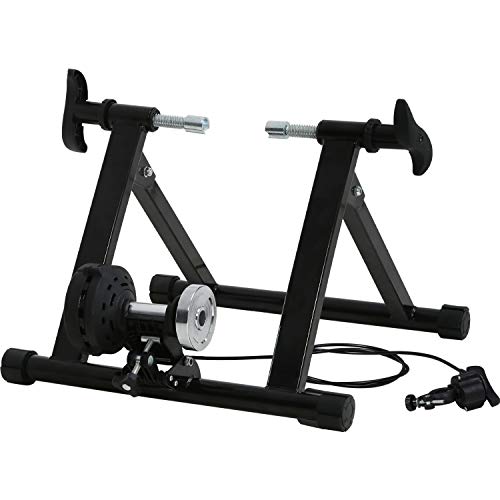
Alpcour’s stainless steel frame points this pick toward riders who want a steadier indoor session without a bulky footprint. The dual-lock setup adds a firmer sense of hold, and the fluid resistance style usually suits you better than a basic spin bike alternative when your route is a spare room or garage.
The trade-off is simple, you’re getting a training stand rather than a storage solution, so this makes the most sense for road and mountain bikes that you actually plan to ride in place. For commuters who want post-work mileage or anyone building winter routines, it feels like the more versatile starting point than the storage-first YYDS stand.
What We Like
- Stainless steel construction gives the frame a more durable, no-nonsense feel.
- Foldable design helps you tuck it away after a session.
- Fluid resistance tends to feel smoother than basic magnetic-only setups.
- Noise reduction focus suits apartment halls and shared living spaces.
- Dual-lock system adds confidence during harder seated efforts.
Things To Consider
- It takes more intent to set up than a simple floor stand.
- Indoor training focus means it does not solve bike storage.
- Noise control is helpful, but drivetrain sound still depends on your bike.
Feature Snapshot
Who It Suits Best
You’ll get the most from this stand as a home cyclist who wants quiet, repeatable indoor rides and a frame that folds away cleanly.
Another Choice May Suit
Fitvids Bike Trainer Stand fits better for someone who wants a fluid-magnetic setup with a front wheel riser block included from the start.
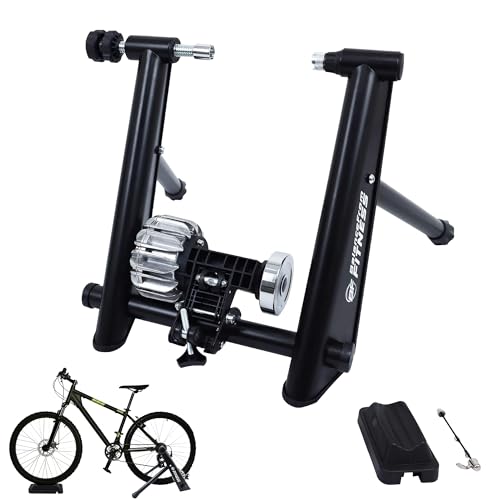
This Fitvids stand lands in the middle of the pack for a reason, it blends a steel body with a fluid-magnetic resistance wheel and a front wheel riser block. That combination makes sense for riders who want a quieter home setup without chasing a fancier service stand like the VEVOR.
You may find it especially handy in a spare room or garage where easy spinning matters more than a full repair clamp. The honest read is that it leans practical rather than polished, which is often exactly what weekend riders need.
Highlights
- Steel construction gives the frame a more grounded feel than lightweight plastic-heavy alternatives.
- Fluid-magnetic resistance wheel is built for smoother, quieter spinning.
- Front wheel riser block helps keep the bike level during indoor sessions.
Softer Spots
- The mixed resistance style may feel more basic than a dedicated fluid trainer.
- Indoor training focus means storage convenience is not the main story here.
- Owners usually need to keep the rear contact area clean for steady rolling.
Details At A Glance
Who Will Love This
Home riders who want a simple indoor trainer with a riser block already in the box will get the best fit here.
Where A Sibling Pick Shines
Alpcour Fluid Bike Trainer Stand suits you better for a smoother, more refined training feel with a foldable stainless steel frame.
The YYDS stand goes in a different direction from the trainers above, because it’s built for holding a bike upright rather than simulating a ride. Its 16-inch base and three-point wheel contact are the details that matter most, especially in a crowded garage where stability matters more than exercise features.
You may prefer this style for 20 to 29 inch mountain bikes or road bikes that need neat storage between rides. Rubber feet help keep it planted, and that small touch matters more than it sounds like when the floor is slick or slightly uneven.
Bright Spots
- Floor-mounted format keeps the bike upright without leaning it against a wall.
- Three-point wheel contact adds steadiness during storage.
- Fits 20 to 29 inch bikes, which gives it broad everyday usefulness.
- Compact storage profile helps in garages where floor space is tight.
- Rear-wheel design avoids interference with the derailleur area.
Areas To Watch
- Storage support is the main job here, not indoor riding.
- Wheel fit matters, so very unusual frame setups need extra attention.
- As with most floor stands, regular placement on level ground helps it feel steadier.
Core Details
Right Fit For
You’ll appreciate this most as a homeowner or apartment rider who wants a neat place to park a bike without taking up much room.
Skip It When
Sportneer Bike Trainer suits you better for riding practice, since it adds resistance levels and a front wheel riser block.
ROCKBROS solves a different problem from the trainer stands, because it turns wall space into a repair station. The clamp rotates 360 degrees, so you can angle the bike for cleaning or adjustments without awkward body positioning, and that matters in a narrow workshop or packed garage.
The wall-mounted format also keeps the floor open, which is useful for small home shops that need every inch to count. One thing worth considering, though, is that installation becomes part of the experience, so this suits a more permanent setup than a move-it-around stand like the YYDS.
Reasons To Buy
- Wall mounting frees up floor area for tools and movement.
- Four long screws provide a more anchored feel once installed.
- Rotating clamp helps you work at different angles.
- Soft clamp material is kinder to the frame surface.
Minor Gripes
- It asks for a proper wall setup, so placement matters.
- It suits repair work more than storage or riding practice.
- Once mounted, it behaves like a fixed station instead of a portable tool.
Technical Sheet
Best Suited To
You’ll get the most value here as a home mechanic with a permanent wall spot for tune-ups and washing.
A Better Fit Elsewhere
VEVOR Bike Repair Stand suits you better for a freestanding service setup that you can move around the shop.
The VEVOR stand looks like the most workshop-ready option in this list, mostly because the four-leg base and broad height range make it feel built for hands-on maintenance. That kind of range matters when you’re switching between chain work, brake tweaks, and cleaning sessions in a garage or home shop.
The magnetic tool tray is the sort of detail you appreciate after a wrench slips out of reach, and the foldable frame helps it stay less intrusive between uses. Compared with the ROCKBROS wall mount, this one is the easier pick for anyone who wants a mobile service station instead of a fixed installation.
Upsides
- Four-leg base supports a planted, workshop-style stance.
- Adjustable height helps you work more comfortably on different bikes.
- Magnetic tray keeps small parts closer at hand.
- Foldable form makes storage easier between service jobs.
- Useful for home mechanics who want a more serious repair setup.
Worth Noting
- It takes more setup space than a wall mount or floor stand.
- Freestanding service gear can feel overbuilt for simple quick checks.
- Height adjustment helps, but you still need room to work around it.
Feature Rundown
Whose Shelf It Belongs On
You’ll benefit most from this stand as a frequent home mechanic or hobbyist who wants a more complete repair station.
Look Elsewhere When
Alpcour Fluid Bike Trainer Stand suits you better for indoor riding rather than bike maintenance.
Sportneer is the most training-focused option here, and the six resistance levels give you more room to shape the ride than a basic magnetic stand. That matters for riders who want repeatable sessions on 26 to 28 inch or 700C wheels, especially in a room where the front wheel riser block helps keep the bike settled.
The quick release lever adds convenience, so setup feels less fussy than some older trainer styles. Compared with the Alpcour fluid model, this one looks more structured around resistance control than ride smoothness alone, which may suit interval work better for some riders.
Best Bits
- Six resistance levels give you more control over session intensity.
- Quick release lever makes bike changes less awkward.
- Front wheel riser block helps keep the bike level indoors.
- Fits 26 to 28 inch and 700C wheels, covering many common road setups.
Small Caveats
- Magnetic trainers can feel less fluid than a dedicated fluid system.
- Indoor use means wheel and trainer contact should be kept clean.
- Resistance control helps, but it still depends on your bike fit and tire setup.
Quick Facts
Built With In Mind
You’ll get the best match here as a road cyclist who wants a practical indoor trainer with more resistance control.
Swap It Out When
FDW Bike Trainer Stand fits better for a simpler, more straightforward magnetic setup with five resistance settings.
FDW keeps the pitch straightforward, which is part of its appeal. The magnetic flywheel and five resistance settings give you enough range for ordinary indoor riding, while the noise reduction focus makes it easier to place in a shared living area or garage without turning the whole space into a roar.
It feels like the least fussy of the trainer choices, and that’s useful for riders who want a simple routine rather than a more technical setup. Compared with the Sportneer, you give up one resistance level, but you also get a cleaner path to easy daily use.
Positives
- Magnetic flywheel keeps the ride setup familiar and uncomplicated.
- Five resistance settings cover most casual indoor workouts.
- Noise reduction focus suits shared homes and evening sessions.
- Simple structure makes it easier to get into a routine.
Honest Caveats
- It offers fewer resistance steps than the Sportneer trainer.
- Magnetic design can feel less refined than a fluid-style ride.
- Like most home trainers, tire contact area needs routine attention.
At A Glance
Who Should Grab It
You’re the right fit for this stand if you want a basic, repeatable indoor trainer without extra complexity.
Where Another Pick Fits Better
Sportneer Bike Trainer suits you better for more resistance control and a quick release lever.
How To Choose The Right Bike Converter Stands
Match The Stand To Your Main Job
Start with the task, because these stands split into two clear camps: indoor training and bike holding or repair. Trainers like Alpcour, Fitvids, Sportneer, and FDW are built around a rear-wheel contact point and resistance feel, while YYDS, ROCKBROS, and VEVOR solve storage or maintenance instead.
That difference matters more than brand polish. A quiet fluid trainer helps after-work rides, but it won’t replace a wall clamp or a floor stand if your garage needs organization.
Check Space Before Anything Else
Floor space, wall space, and storage space all change the answer. A wall-mounted clamp like ROCKBROS works well in a fixed workshop, while a foldable trainer or service stand suits you better when the area has to stay flexible.
Compact homes need extra attention here, because a wide base or a permanent wall mount can feel larger in daily life than the product photo suggests. Measure the spot, then match the stand to the actual room rather than the dream layout.
Pay Attention To Bike Fit And Contact Style
Wheel compatibility is not a side note. Sportneer lists 26 to 28 inch and 700C wheels, while YYDS covers 20 to 29 inch bikes, so the size range should line up with the bike already in your home.
Contact style matters too, since a soft clamp protects a frame differently from a rear-wheel trainer or a three-point floor holder. Riders who service expensive frames usually prefer gentler clamping, while commuters may care more about quick setup and steady use.
Think About Noise, Cleanup, And Routine Use
Noise reduction and smoother resistance are worth more than marketing words suggest, especially in apartments or late-evening garages. Fluid systems usually feel calmer, but magnetic trainers can still be a very workable choice for routine indoor mileage.
Maintenance is the quiet cost here. Trainer rollers, clamp faces, and floor contact points all benefit from a quick wipe-down, and a stand that folds or stores easily is usually the one that gets used more often.
Things Worth Knowing First
Mistakes Worth Dodging
A common miss is buying a trainer when the real need is storage, or buying a wall repair stand when you actually want indoor rides. Another easy slip is ignoring wheel size and frame fit, which can turn a promising setup into a poor match.
Hardware matters too. A wall mount needs the right surface, and a freestanding repair stand needs enough floor room to open up properly.
When Paying More Pays Off
Higher-tier stands usually cost more because they add steadier bases, better adjustment ranges, or more refined resistance control. In this category, that can mean a four-leg repair stand, a more controlled fluid trainer, or a clamp that moves cleanly instead of feeling stiff.
The upgrade makes sense when you ride often or service multiple bikes. For occasional use, a simpler stand is usually enough, but regular riders tend to notice the comfort and convenience sooner than expected.
Frequently Asked Questions
What Is A Bike Converter Stand Used For?
It’s used either to turn a regular bike into an indoor trainer or to hold a bike for storage and repairs. The exact job depends on the design.
Do Trainer Stands Work For Every Bike?
No, compatibility depends on wheel size, rear dropout style, and the stand’s contact setup. Checking those details first saves trouble later.
Is A Fluid Trainer Better Than A Magnetic One?
Fluid trainers often feel smoother, which many home riders like for steady sessions. Magnetic trainers can still be a solid match for simpler workouts and easier setup.
What Matters Most For Small Spaces?
Foldability, wall mounting, or a compact floor footprint tends to matter most. A stand that stores neatly usually feels easier to live with.
Can A Repair Stand Also Hold A Bike For Storage?
Some can, but that is not always their main job. A storage-focused floor stand usually makes more sense for parking a bike day to day.
Closing Thoughts
The right choice here depends on how you use your bike at home, not just how the product looks on the page. Choose a trainer for steady indoor rides, a wall mount for a fixed workshop, or a floor stand when you mostly need tidy storage. Alpcour and Sportneer suit riders who want a more active setup, while YYDS, ROCKBROS, and VEVOR make more sense for keeping a garage or work area organized. Match the stand to your space, your bike, and your routine, and the right fit becomes obvious.
