

A chirping smoke alarm at 2 a.m. is one of those little home headaches most of us would rather skip. Picking the right 9V battery for each detector keeps that chirp away and, more importantly, keeps the alarm ready when it actually matters. I put together this list for homeowners and renters who want a reliable annual replacement without wading through confusing options. Most smoke detectors take a single 9V cell (the rectangular kind with both terminals on top), and swapping takes about thirty seconds with no tools. The picks below lean on alkaline chemistry, since that’s what the vast majority of household detectors expect.
The Leading Options At A Glance
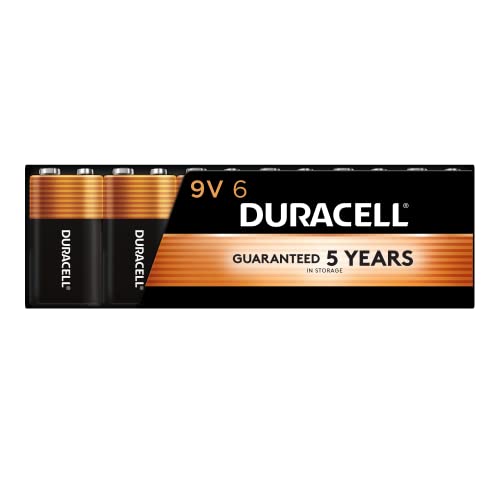
DURACELL Coppertop 9V Battery, 6 Count

Energizer MAX 9V Batteries, 4 Pack

Duracell Coppertop 9V Battery, 4 Count

Energizer MAX 9V Batteries, 2 Pack

DURNERGY 9V Batteries, 8 Pack

YKM 24 Pack 9V Batteries

YKM 2 Pack 9V Batteries
Most homes have more than one smoke alarm, and that’s exactly the case this Duracell Coppertop 9V six-pack is sized for. A typical three-bedroom house with detectors in every bedroom, the hallway, and the basement uses four to six cells, so one pack covers the full annual round in many households.
Compared to the smaller Energizer MAX 4-pack covered later, this option trades compactness for the convenience of doing every detector in one shopping trip. For homeowners who change batteries on a calendar reminder each fall, this is the format that lines up best with the chore.
Where It Excels
- Six cells fit a typical whole-home detector count without leftover extras
- Alkaline 9V chemistry suits standard ionization and photoelectric alarms
- Recognizable Coppertop packaging makes them easy to spot in the battery drawer
- Works beyond smoke alarms, including walkie-talkies, guitar pedals, and multimeters, so spares earn their keep
Things To Consider
- Buying a six-pack for a one-bedroom apartment leaves cells sitting in storage for a long stretch
- Alkaline cells can leak if left installed in a rarely-tested unit past their service life, so annual swaps really matter
Made For
Homeowners with four or more hardwired or battery-only detectors who want one pack to cover a full year.
Consider Something Else When
Studio dwellers with a single alarm will find the Energizer MAX 4-pack a better fit for their smaller detector count.
The Energizer MAX 9V four-pack sits right in the sweet spot for a lot of households. Two bedrooms, a hallway, and a living room adds up to four detectors, which is exactly what this bundle covers without pushing surplus cells into long storage.
Energizer positions the MAX line as a long-lasting alkaline option, and these 9V cells are designed to hold their charge for years on a shelf. For renters who don’t want to commit to a giant pack but still want a brand they recognize, the four-count hits a comfortable middle ground.
Advantages To Know
- Four cells match common apartment and small-home detector counts
- Alkaline chemistry suited to most residential smoke and carbon monoxide alarms
- Wide device compatibility, including remote control toys and garage remotes
- Recognizable brand for shoppers who prefer sticking with a familiar name
Honest Caveats
- Alkaline cells lose capacity gradually in cold hallways or unheated garages, which matters for outdoor-adjacent detectors
- Four-pack pricing per cell tends to run higher than the bigger six- or eight-count bundles
Quick Facts
Right Fit For
Apartment dwellers and small-home owners with three or four alarms who want a tidy, no-waste annual buy.
Reach For A Different Pick When
You maintain a workshop full of 9V gear and want one bulk bundle to power everything; the YKM 24-pack makes more sense there.
This is the original-format Duracell Coppertop 9V four-pack, the one many households have used for years without thinking twice. It shares the same Coppertop alkaline platform as the six-pack above, just trimmed to a smaller quantity for shoppers who don’t need extras.
For people who keep a few spare cells on the shelf but rotate them through regular use, the four-count format avoids the long idle time that comes with bigger bundles. It’s a steady, unsurprising choice that pairs well with a once-a-year detector check.
Well-Handled Touches
- Compact four-count format reduces time spent waiting in the battery drawer
- Alkaline 9V matches standard residential smoke and CO alarm requirements
- Same trusted Coppertop line as the larger six-pack for consistency across purchases
Worth Noting
- Larger households will burn through this pack quickly and need a second buy
- Packaging occasionally ships in a carded configuration that takes a moment to open cleanly
Best Suited To
Couples in two-bedroom homes with a hallway detector who prefer buying small batches on a yearly cycle.
Look Elsewhere When
You want the fewest restocks across the year, in which case the DURNERGY eight-pack offers a longer reserve.
The Energizer MAX 9V two-pack is the no-frills answer for a single-detector home or a quick replacement when only one alarm has started complaining. Two cells means one for the unit and one backup on the shelf, which is the bare minimum for most households.
Energizer builds this line with a focus on long storage life, so the spare cell is ready when the next alarm chirps. It’s the smallest commitment on the list, which suits renters who just want to fix the immediate chirp and move on.
Notable Upsides
- Minimal upfront quantity for one-detector homes or quick emergency replacements
- Alkaline 9V format fits any standard smoke or CO alarm
- Storage-friendly shelf life means the backup stays useful for years
Small Caveats
- Per-cell cost is higher than the four-pack or larger bundles
- Only one spare means another store run if a second alarm fails in the same year
Whose Shelf It Belongs On
Studio residents or anyone with one battery-only detector who wants a one-and-done annual swap.
A Better Fit Elsewhere
Families with detectors in every bedroom should look at the DURACELL Coppertop six-pack instead, since two cells won’t stretch that far.
DURNERGY’s eight-pack leans into long-term preparedness. The cells are spec’d for a 10-year shelf life, which makes the bundle appealing for anyone who wants to buy batteries once and forget about them for a while.
Beyond smoke alarms, these cells also feed guitar pedals, microphones, and garage door openers, so households that mix detection gear with hobby electronics can drain the pack in a few years without waste. That said, brand recognition is lower than the big names, which may matter to shoppers who prioritize warranty support.
What It Does Well
- 8 cells cover a full household plus spares for workshop or hobby gear
- 10-year shelf life suits long-term storage in a closet or garage
- Steel-jacketed shell resists corrosion better than older carbon-zinc designs
- Alkaline chemistry (the 6LR61 size) is what most detectors actually want
Points To Note
- Smaller brand with less name recognition than Duracell or Energizer
- Eight cells is overkill for a single-detector apartment
Feature Snapshot
Who Should Grab It
Preparedness-minded households and hobbyists who want one bulk purchase to span multiple years of detector service.
Swap It Out When
Brand familiarity matters most to you, in which case the Energizer MAX four-pack feels like a safer mainstream pick.
The YKM 24-pack is the bulk choice for homes that run on 9V. Twenty-four cells is enough to cover every detector, plus guitar pedals, garage door openers, multimeters, and wireless microphones, all from a single buy.
Per-cell value is the headline here, though it only pays off when the cells actually rotate through real use. For a household with a single alarm, this bundle would sit on a shelf for years, and long idle time is where alkaline cells tend to disappoint.
Useful Strengths
- Twenty-four cells suit homes with multiple 9V-powered devices
- Compatible with smoke alarms, garage remotes, and instrument pedals
- Alkaline chemistry works across common household electronics
- Bulk format lowers the per-cell cost compared to smaller packs
Trade Offs
- Smaller brand recognition than legacy battery makers
- Far too many cells for a typical apartment with one alarm
- Storage conditions matter: heat or humidity shortens shelf life faster than the label implies
Perfect Match For
Workshop owners, home studios, and busy families with many 9V devices who go through cells steadily.
Not Your Match When
You just need one annual swap for a single detector; the Energizer MAX two-pack is sized for that.
The YKM two-pack covers the bare-minimum scenario: one cell for the alarm, one for the drawer. It’s the simplest, least committed option on the list, and it pairs well with renters who don’t want to overbuy.
Like the other YKM bundle above, this is a smaller brand, so shoppers who value long-standing warranty support may prefer a household name. For a quick chirp fix, though, the format gets the job done without a trip back to the store a month later.
The Good Stuff
- Two-cell format matches the one-detector-and-a-spare scenario
- Alkaline 9V suits standard residential smoke alarms
- Low commitment for renters or first apartments
- Works in transistor radios and microphones beyond smoke detectors
Possible Compromises
- Per-cell cost runs higher than the larger YKM bundle
- Smaller brand with less retail presence than the legacy names
- Only one spare on hand if two alarms fail in the same year
Feature Card
Who Will Love This
Anyone who just needs to silence one chirping alarm and stash a backup without buying extra cells.
Where A Sibling Pick Shines
The DURNERGY eight-pack is the better call if you want a long shelf-life reserve rather than a minimal pair.
## Picking The Right 9V Battery For Your Home### Match The Pack To Your Detector CountCount the smoke and carbon monoxide alarms that take a 9V cell before you buy. One to two alarms suits a two-pack, three to four alarms fits a four-pack, and five or more points toward a six- or eight-pack. Buying too few means a mid-year store run; buying too many leaves cells idle long enough to risk leakage.### Alkaline Vs. Lithium For Smoke AlarmsMost household alarms are engineered around alkaline 9V chemistry, which is what every pick in this roundup uses. Lithium 9V cells last longer on the shelf but cost more per cell and aren’t required by most detectors. For standard home use, alkaline offers the cleanest balance of cost and compatibility.### Shelf Life And Storage ConditionsA 9V battery’s shelf life rating assumes cool, dry storage. Kitchens, attics, and garages shorten that window because heat and humidity speed up self-discharge. Store spares in a climate-controlled closet and rotate older cells into high-drain devices like guitar pedals first.### Annual Replacement HabitThe single biggest factor in detector reliability is consistency. Pick a date that sticks, like the first weekend in November, and swap every alarm at once. Buying a slightly larger pack than you immediately need makes that habit easier to keep.## Mistakes Worth Dodging In This Category### Buying The Biggest Pack Without A Use PlanBulk packs only save money when cells actually rotate. A 24-pack in a one-alarm apartment will sit for years, and alkaline cells can leak if forgotten. Match pack size to how fast your household actually drains them.### Mixing Old And New Cells In One DetectorIt can be tempting to use a leftover cell alongside a fresh one when supplies run low, but mismatched cells discharge unevenly. Replace both at once or skip the swap until you have a matched pair ready.## Where The Extra Money Goes In Premium Tiers### Why Some Bundles Cost More Per CellSmaller packs and lower-volume brands often carry a per-cell premium. Brand recognition, retail packaging, and warranty support all factor into that cost. For a one-time annual swap, the difference per cell is small, but it adds up across multi-year use.### When The Upgrade Is Worth ItA longer shelf-life rating matters most for shoppers buying ahead. The DURNERGY 10-year shelf claim, for example, makes sense for anyone stocking up after moving into a new house. For everyone else, a standard alkaline from a familiar brand does the job without the premium.## Frequently Asked Questions### How Often Should I Replace Smoke Detector Batteries?Most manufacturers and fire-safety guidance suggest replacing 9V alkaline batteries once a year. A simple habit is to swap them when you adjust clocks for daylight saving time. Hardwired detectors with battery backup follow the same rule.### Can I Use Rechargeable 9V Batteries In Smoke Detectors?Most smoke detectors are designed for primary alkaline cells and may not work reliably with rechargeables, which sit at a slightly lower voltage. Stick with disposable alkaline 9V unless the detector manufacturer clearly states otherwise.### Why Does My Smoke Detector Chirp Even With A New Battery?A chirp after a battery swap usually points to the cell not being fully seated, residual charge in the alarm’s memory, or a separate end-of-life signal from the detector itself. Hold the test button for a few seconds to reset the unit, and if the chirp returns within a week, the alarm may have reached its ten-year service end.### Do Expired Batteries Still Work In Smoke Detectors?A slightly expired alkaline cell often still powers a detector, but voltage drops below the alarm’s threshold sooner. For something as safety-critical as a smoke alarm, fresh cells are worth the small extra cost.### Are Lithium 9V Batteries Worth The Extra Cost?Lithium 9V cells last longer on the shelf and handle temperature extremes better, which is useful for garages or unheated attics. For climate-controlled indoor detectors, alkaline offers the best balance of cost and compatibility.## The TakeawayA dependable 9V battery is the quiet hero behind every working smoke alarm, and the right pack size depends on how many detectors you actually maintain. Match the bundle to your home, swap on a consistent yearly schedule, and your alarms will be ready when it matters most.