

Choosing Baterias Para Paneles Solares gets easier once you match the battery to your daily load, your backup goal, and the space you can spare. A compact 10W panel charger suits a gate opener or lawn tractor, while a rack-style 48V bank fits home storage in a far more serious way. The right setup feels calm and predictable, like a system that simply stays out of your way.
This roundup focuses on real use cases, from RV weekends and marine runs to off-grid cabins and whole-home backup plans. You’ll see where each option fits, what it gives up, and who benefits most from the upgrade.
The Shortlist At A Glance

dumfume 24V 100Ah LiFePO4 Battery Built-in 100A BMS
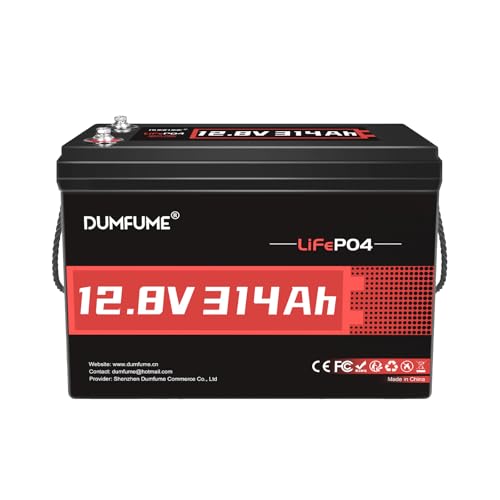
dumfume 12V 300Ah LiFePO4 Battery With 200A BMS

ECO-WORTHY 10W Solar Panel Battery Charger

dumfume 12V 600Ah LiFePO4 Lithium Battery with 200A BMS
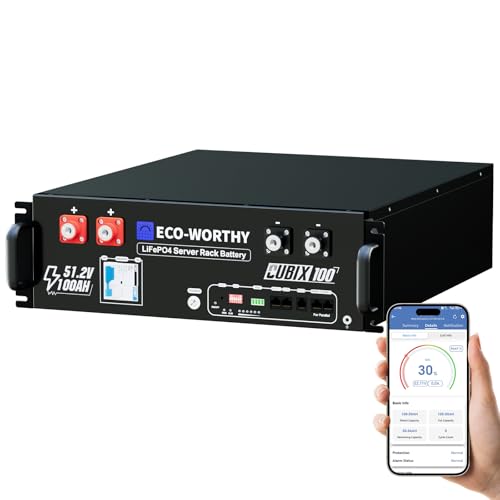
ECO-WORTHY Cubix100 48V 100Ah LiFePO4 Battery w/Bluetooth

ECO-Worthy Cubix100 48V 600Ah Server Rack Battery LiFePO4
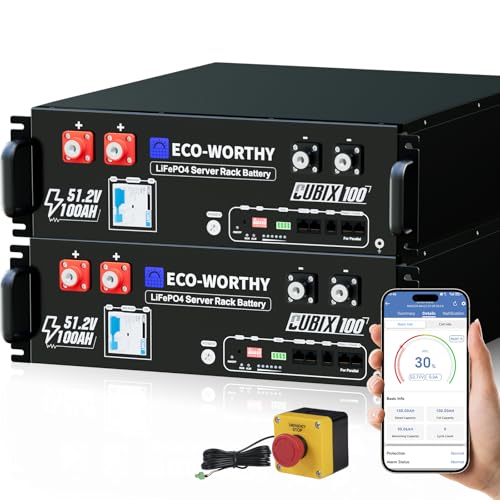
ECO-WORTHY Cubix100 48V 200Ah LiFePO4 Battery (2 Pack)
More Details On Our Top Picks
A 24V bank like this fits a rig that needs more headroom than a basic 12V setup without jumping into rack-style territory. The built-in 100A BMS, or battery management system, helps control charge and discharge behavior, which matters in an RV, boat, or compact off-grid shed.
The low-temperature protection is the part that stands out for shoulder-season camping or a chilly garage install. You give up the simplicity of a small charger, like the ECO-WORTHY 10W panel, but you gain a far more capable daily-use battery that can sit at the center of a real system.
Strong Points
- 24V output suits larger solar kits without stacking several small batteries.
- 100A BMS adds a useful layer of charge control for regular cycling.
- Low-temperature protection makes cold-weather storage less awkward.
- That 2560W power figure points to real utility for compact appliances and tools.
- Deep-cycle construction fits frequent use better than a stopgap backup pack.
Things To Consider
- You need to plan your charger and inverter around a 24V system, which adds setup work.
- It takes more physical space than a tiny maintenance charger, so cabinet fit matters.
- Owners will still want to check mounting and cable routing carefully in mobile setups.
Feature Snapshot
Who It Suits Best
You benefit most from this pick if you need a single 24V battery for RV power, marine use, or a modest off-grid array.
A Better Fit Elsewhere
The dumfume 12V 300Ah LiFePO4 Battery With 200A BMS suits you better when your system already revolves around 12V gear and you want more capacity without reworking the whole setup.
For a 12V solar setup, this one leans into big reserve capacity without forcing you into a higher-voltage layout. The 200A BMS gives it room for heavier discharge than the smaller 24V model above, which matters in RVs, cabin storage, and backup circuits that stay busy.
IP65 waterproofing is a practical touch for damp utility areas, though it still makes sense to keep any battery installation clean and well-mounted. You may find this size overbuilt for a simple gate opener, but it feels right for long weekends, food storage, and longer outages.
Highlights
- 4019Wh capacity gives you a broad energy cushion for a 12V system.
- 200A BMS supports higher draw use cases more comfortably.
- IP65 rating adds confidence in dusty or damp placements.
- Low-temperature protection helps the battery fit seasonal storage plans.
- Deep-cycle design suits repeat solar charging better than casual backup use.
Points To Note
- The larger footprint can make cramped cabinets or under-seat installs tricky.
- You may not need this much reserve for light weekend use.
- Like other large lithium packs, secure mounting and tidy cable runs matter.
Core Details
Whose Shelf It Belongs On
You should gravitate here if your 12V solar setup needs a deep reserve for RV travel, storage backup, or camping with appliances.
Where A Sibling Pick Shines
The dumfume 24V 100Ah LiFePO4 Battery Built-in 100A BMS works better for you when your gear is already built around 24V and space is tighter.
This is the smallest item in the group, and that’s the point. A 10W charger works as a maintenance-minded helper for 12V batteries in gate openers, chicken coops, lawn tractors, or a boat left parked between uses.
It sits in a very different lane from the dumfume batteries above, since it’s about topping off and keeping charge rather than storing a lot of energy. The trade-off is obvious, but for a simple upkeep role you get a tidy, low-drama solar add-on.
Best Bits
- 10W output suits light-duty battery upkeep.
- Portable form keeps installation simple for small systems.
- Works across several 12V maintenance scenarios, from gates to small vehicles.
- Good fit for equipment that sits unused for stretches.
Small Caveats
- It is not meant for large storage banks or fast replenishment.
- Small panel output means shade and placement matter a lot.
- Owners usually need realistic expectations about how much charge a tiny panel can restore.
Quick Facts
Right Fit For
You get the most from this charger when your goal is to maintain a 12V battery on equipment that sits still for long stretches.
Skip It When
The dumfume 12V 300Ah LiFePO4 Battery With 200A BMS is the more practical move for you if you need real stored energy rather than a small upkeep panel.
This battery is built for a user who wants one large 12V bank instead of piecing together a smaller system. With 7680Wh on tap and a 200A BMS, it makes more sense for substantial loads, longer runtime, and installations where battery swaps would be a nuisance.
IP65 protection and low-temperature cutoff make the spec sheet easier to live with in a garage, trailer, or shed. The honest read is that this is a lot of battery for casual use, but for a home storage corner or serious off-grid setup it can feel reassuringly substantial.
Reasons To Buy
- 7680Wh capacity gives you a large energy buffer for heavy use.
- 200A BMS suits stronger draw demands better than smaller banks.
- IP65 protection helps in dusty or damp installation areas.
- Low-temperature cutoff is useful in unheated spaces.
- Deep-cycle design fits daily solar cycling and standby use.
Areas To Watch
- Space planning matters, since a battery this large is not a casual fit.
- Installation and cabling deserve extra care because the bank is substantial.
- It can be overkill for light camping or small gate systems.
Details At A Glance
Best Suited To
You suit this battery best when your solar plan needs large, steady storage for a cabin, workshop, or off-grid home base.
Another Choice May Suit
The dumfume 12V 300Ah LiFePO4 Battery With 200A BMS works better for you if your load is lighter and your battery bay is tighter.
Once you move into 48V storage, the emphasis shifts from simple backup to more organized energy management. This Cubix100 adds Bluetooth and WiFi support, so a home setup can be easier to monitor than the plain lithium banks above, especially in a fixed rack location.
The rack format is tidy, and the 5120Wh figure gives you a clear sense of what the unit can support in a solar storage or home backup role. You do give up the plug-and-play feel of a smaller battery, but the trade-off makes sense for a system built to stay in place.
Upsides
- 48V architecture suits larger solar and backup builds.
- Bluetooth and WiFi support make monitoring more convenient.
- 5120Wh capacity gives a solid stored-energy base.
- Rack-style format keeps the installation neat in a fixed space.
- Listed compatibility marks help it fit a more structured system plan.
Worth Noting
- Rack batteries are more at home in a planned install than a casual swap.
- You may need adjacent equipment that already speaks 48V.
- Wall or rack space should be measured before the project starts.
Feature Card
Who Will Love This
You fit this pick best if you want a tidy 48V battery for a fixed solar rack or home backup plan.
Where Another Pick Suits Better
The ECO-WORTHY Cubix100 48V 200Ah LiFePO4 Battery (2 Pack) suits you better when your storage plan needs more total capacity and more room to scale.
This six-pack setup belongs in a serious storage plan, not a casual weekend project. At 30.72kWh, it gives you the scale that larger homes, workshops, or resilient off-grid systems tend to need, and the rack format keeps the bank organized once it’s in place.
It also comes with the practical friction you’d expect from a big system, including shipping restrictions and non-returnable status tied to hazardous materials handling. That is the trade-off for this level of capacity, and it suits a careful installer far more than a casual tinkerer.
Standout Traits
- 30.72kWh total storage serves high-demand backup plans well.
- Six batteries create a modular rack-style build.
- 48V design fits large solar and backup architecture.
- Listed compatibility helps align the system with structured installs.
Honest Caveats
- Setup and space planning are far more involved than with a single battery.
- Hazardous-material shipping and non-returnable handling increase the need to plan carefully.
- This is not the right size for small RV or light camping use.
Technical Sheet
Built With In Mind
You fit this kit best when you are assembling a large, fixed home backup system with plenty of rack space and a clear electrical plan.
Swap It Out When
The ECO-WORTHY Cubix100 48V 100Ah LiFePO4 Battery w/Bluetooth makes more sense for you if you want a smaller first step into rack storage.
This two-pack sits between the single Cubix100 and the six-pack rack bank, which makes it a sensible middle ground for a home backup project. With 10.24kWh of storage, you get more room to work with than a lone battery while keeping the system easier to manage than the larger six-unit kit.
Bluetooth support adds convenience in a fixed installation, and the paired format can simplify how you think about growth later. The catch is that you still need to plan for 48V gear and proper mounting, but that same discipline usually pays off in a cleaner system.
Plus Points
- Two batteries create a useful middle-size storage build.
- 10.24kWh capacity offers more flexibility than a single unit.
- Bluetooth support makes routine checks easier in a fixed install.
- 48V design fits more ambitious solar and backup setups.
Areas To Watch
- You still need 48V-compatible gear for the rest of the system.
- Rack or cabinet planning matters more than with portable batteries.
- Two modules mean a bit more installation work than one unit.
Core Details
The Right Fit
You’re the right match for this kit if you want a practical step into 48V home backup without jumping straight to a large rack bank.
Consider Something Else When
The ECO-WORTHY Cubix100 48V 600Ah Server Rack Battery LiFePO4 suits you better if your project already calls for a much larger storage wall.
How To Choose The Right Baterias Para Paneles Solares
Match Voltage To The Rest Of The System
Voltage is the first thing to line up because it sets the lane for your inverter, charger, and wiring. A 12V battery works well for simple RV and camping setups, while 24V and 48V options make more sense as the load grows.
That’s why the dumfume 12V 300Ah and the ECO-WORTHY Cubix100 48V models serve very different owners. Choose the battery that matches the rest of your gear, not the one with the biggest-looking number.
Think In Daily Load, Not Just Capacity
Capacity tells you how much stored energy sits in the bank, but daily use tells you whether that storage feels comfortable or strained. A gate opener or small tractor needs far less than a cabin fridge, a workbench setup, or a home backup circuit.
The 10W ECO-WORTHY charger is about upkeep, not storage, while the 600Ah dumfume battery is built for heavier demand. That gap matters more than branding or casing style.
Check Installation Space And Weight Planning
Larger lithium batteries need room to breathe, room for cable bends, and a sensible mounting plan. Rack-style units can look neat, yet they still ask for a fixed location with enough access for maintenance and future expansion.
Mobile setups usually benefit from simpler single batteries, while home backup builds reward a more structured rack layout. The honest read is that a tidy install saves headaches later.
Look For Cold-Weather And Protection Features
Low-temperature protection and cutoff features matter in unheated sheds, trailers, and seasonal cabins. IP65-style protection also helps in dusty or damp areas, though it does not replace good placement.
These details do not make a battery magical, they just make ownership less fussy. For most off-grid spaces, that practical comfort is worth paying attention to.
Things Worth Knowing First
Common Shopping Slip Ups
Many people size the battery for peak use instead of normal use, then end up with a system that feels awkward to live with. Another common miss is choosing the wrong voltage, which can complicate the rest of the build.
It also helps to avoid buying a maintenance charger when the job really calls for stored capacity. The ECO-WORTHY 10W panel and the large dumfume banks solve different problems.
Where The Extra Money Goes
Higher-tier batteries usually cost more because you’re paying for more stored energy, stronger output handling, and a more advanced battery management setup. Rack units can also add connectivity, cleaner packaging, and easier scaling.
That upgrade starts to make sense in cabins, home backup systems, and frequent-use solar builds. For a light gate opener, the simpler option often feels more sensible.
Frequently Asked Questions
What size battery suits a small solar setup?
A small 12V battery often suits a modest RV, gate opener, or weekend camping system. A larger bank makes more sense once your load includes appliances or longer runtime.
Is LiFePO4 a good fit for solar storage?
LiFePO4 batteries are a common choice for solar because they suit repeat cycling well. They also tend to pair nicely with fixed home and mobile setups that need steady output.
Why choose 48V instead of 12V?
48V systems usually fit bigger backup plans and more structured installs. They can also reduce current draw for the same power demand, which helps in larger builds.
Do I need Bluetooth on a battery?
Bluetooth is useful when you want easier status checks in a fixed storage setup. It matters less in a simple portable system where you only need basic charging support.
What matters more, capacity or protection features?
Capacity decides how long the battery can support your load, while protection features shape how smoothly it fits daily use. Both matter, but the right balance depends on your climate and installation space.
Closing Remarks
Your best choice depends less on the biggest number and more on the kind of system you’re actually building. A small upkeep charger, a mid-size 12V bank, and a rack-style 48V setup each solve a different solar problem. Once you match voltage, storage, and space to your real routine, the right battery becomes much easier to spot.
