

Backpacking in the real world means charging phones, power banks, headlamps, and small gadgets without adding much weight. The right solar panel helps you keep your kit moving through long trail days, weekend camps, and unpredictable weather, without turning your pack into a brick. You’ll see a clear split here between featherweight panels for quick top-ups and larger foldables that make sense for basecamp or car-camp overflow. The picks below focus on that trade-off, so you can match output, port layout, and carry size to the way you travel.
The Shortlist At A Glance

ELECOM NESTOUT Portable Solar Panel 28W (4-Panel)

BigBlue Ultra-Light Portable 25W Solar Panel Charger

SOLUPUP Solar Panels 30W Portable Foldable Solar Charger
LUMOPAL 60W Foldable Solar Panel Charger

ELECOM NESTOUT Portable Solar Panel 28W (2-Panel)

FlexSolar 30W Foldable Portable Solar Panel Charger
FlexSolar 25W Portable Solar Panel Charger
FlexSolar 36W Ultra-Portable & Lightweight Solar Panel Charger
More Details On Our Top Picks
The 4-panel layout gives this ELECOM a more structured feel than the lighter BigBlue pick, and that matters on uneven camp setups where panel angle changes through the day. Ripstop nylon is the outer fabric, which means a woven, tear-resistant shell that suits packs, trunks, and rougher trail handling better than glossy plastic skins.
Dual USB-A ports keep the setup simple, so it fits straight into a phone-and-power-bank routine without extra adapters. The trade-off is that this version leans toward tidy, dependable charging rather than the broad port variety you get from LUMOPAL or FlexSolar 36W, and that’s fine for most backpacking kits.
What We Like
- Four-panel fold gives you a more stable setup for campsite repositioning.
- Ripstop nylon outer material suits rough pack storage better than slick finishes.
- Dual USB-A output keeps charging simple for phones and small batteries.
- Adjustable stands help you angle the panel without improvising with rocks or bags.
Things To Consider
- USB-A only output is less flexible than dual-port or USB-C options.
- The folding format still takes more pack space than the ultralight BigBlue.
- Outdoor fabric can collect dust and grit, so a quick wipe-down helps.
Feature Snapshot
Who It Suits Best
You fit this well if you want a durable, easy-to-handle solar panel for weekend backpacking, phone charging, and light basecamp use.
A Better Fit Elsewhere
BigBlue Ultra-Light Portable 25W Solar Panel Charger suits gram-conscious hikers who care more about minimal carry weight than a sturdier, panel-heavy layout.
Weight is the headline here, and 0.84 pounds makes a real difference once your day turns into miles. The pocket-size fold and USB-A plus USB-C layout give you more flexibility than the ELECOM 28W dual USB-A panel, especially for mixed-device trips.
The IP68 rating points to very strong dust and water protection, which is reassuring for beach dust, wet grass, or damp pack conditions. The trade-off is simple, you’re getting a compact charging panel rather than a larger station-style setup, so it suits modest power needs more than a full off-grid camp load.
Highlights
- Very light carry makes it easy to slip into a daypack.
- USB-A and USB-C ports cover a wider range of small devices.
- IP68 rating adds confidence in wet or dusty trail conditions.
- Pocket-size format works well for fast breaks and short stops.
Minor Gripes
- Smaller size usually means less surface area than larger foldables.
- Best suited to modest charging needs, not multiple power-hungry devices.
- Compact panels can need careful positioning to catch the strongest sun.
At A Glance
Who Will Love This
You fit this best when ultralight packing matters more than raw output, especially on day hikes and overnight trips.
Another Choice May Suit
LUMOPAL 60W Foldable Solar Panel Charger is the stronger match for hikers who need more headroom for laptops or larger battery stations.
Solid everyday charging is the appeal here, especially because the built-in smart chip is meant to identify devices and shape output more safely. That chip also helps protect against overcurrent, overvoltage, and short circuits, while the auto-reconnect function resumes charging after sunlight returns.
Compared with the BigBlue 25W panel, SOLUPUP gives you a bit more headroom and a more trail-ready attitude for phones, tablets, and power banks. The honest read is that its strengths sit in control and compatibility rather than flashy design, which suits practical backpackers just fine.
Upsides
- 30W output gives a useful step up from entry-level 25W panels.
- USB-A and USB-C support covers common travel electronics.
- Smart chip logic helps the panel adapt to connected devices.
- Auto-reconnect behavior is handy after clouds move past.
Room For Improvement
- The foldable form still needs dry storage and sensible packing.
- Performance depends heavily on sun angle, as with most compact panels.
- Feature focus is practical, so style-first shoppers may want a different fit.
Core Details
Built With In Mind
You suit this well if you want a mid-range panel for camping, hiking, and charging a small stack of USB gear.
Where A Sibling Pick Shines
FlexSolar 36W Ultra-Portable & Lightweight Solar Panel Charger is the better call for trips that need a broader output mix and a little more charging room.
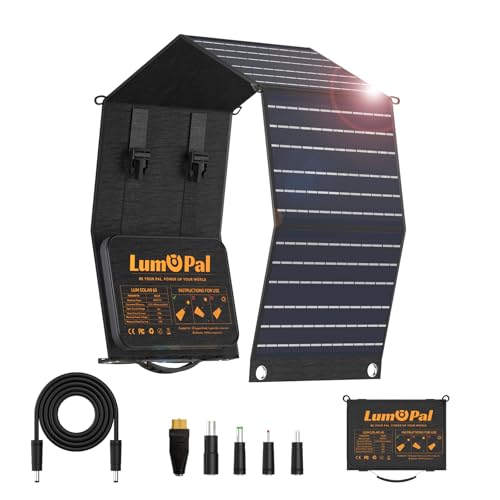
The LUMOPAL leans into output and that changes how you can use it on longer trips. With PD USB-C up to 60W, QC3.0 USB-A up to 22W, and 18 to 20V DC output, it goes well beyond the simpler phone-first panels above and is the first pick here that starts to feel useful for laptop or portable power station routines.
The trade-off is size and intent, because this is the panel you pack when the trip asks for real power planning. For basecamp, van overflow, or backpacking with a larger electronics load, that extra capacity can be worth the bulk, though ultralight hikers will likely prefer BigBlue or FlexSolar 25W.
Reasons To Buy
- 60W USB-C output gives you much more charging headroom.
- QC3.0 USB-A ports add faster support for supported devices.
- DC output broadens use with larger portable power gear.
- Useful for mixed device kits that go beyond phones alone.
Softer Spots
- Higher output panels usually ask for more packing room.
- The broader feature set can be more than simple weekend kits need.
- Direct-sun setup matters, so shade and angle still deserve attention.
Feature Rundown
Whose Shelf It Belongs On
You suit this best if your pack often includes a laptop, power station, or several devices that need more than basic solar support.
Swap It Out When
ELECOM NESTOUT Portable Solar Panel 28W (4-Panel) is the friendlier carry for hikers who want a simpler, tougher-feeling panel with less setup fuss.
Same family as the 4-panel ELECOM above, but the 2-panel version trims the folding shape into something easier to tuck away. That smaller profile matters more than it sounds, especially for short trips where your pack volume is already spoken for by food, shelter, and layers.
You still get the dual USB-A setup and the same 28W class of power, so the basic use case stays friendly and familiar. The trade-off is less panel spread than the 4-panel model, which can make the larger version the better camp companion once you stop caring as much about compact storage.
Positives
- Two-panel fold stores more easily than the four-panel version.
- Dual USB-A ports keep the setup simple for basic charging.
- 28W output fits everyday phone and battery bank use.
- Ripstop nylon build gives the panel a durable outdoor feel.
Worth Noting
- Smaller fold can mean less convenience for angling across uneven sites.
- USB-A only output limits flexibility for newer cable setups.
- Like most soft gear, it benefits from dry storage after use.
Details At A Glance
The Right Fit
You fit this best if you want ELECOM durability in a smaller folding shape for trips where pack space matters.
Look Elsewhere When
ELECOM NESTOUT Portable Solar Panel 28W (4-Panel) suits campers who want a broader setup surface and more adjustable campsite positioning.
The FlexSolar 30W lands in a useful middle ground, with USB-A and USB-C plus QC3.0 support for gear that still depends on a broader cable mix. IP67 waterproofing, meaning strong protection against dust and temporary immersion, gives it a more weather-aware profile than several of the lighter picks here.
That combination makes sense for hikers who deal with damp camps, muddy rest stops, or uncertain weather windows. It doesn’t try to be the lightest panel in the group, and that honesty helps, because you’re getting a sturdier outdoor tool rather than a featherweight novelty.
Best Bits
- USB-A and USB-C ports keep it useful across device types.
- QC3.0 support adds flexibility for compatible charging gear.
- IP67 rating suits rougher outdoor conditions with less worry.
- 30W output fits a broad middle range of trail needs.
Areas To Watch
- Weather protection doesn’t remove the need for dry storage.
- Heavier-duty build choices can make packing less airy than ultralight panels.
- Direct-sun placement still matters more than port count.
Quick Facts
Who Should Grab It
You fit this well if you want a durable 30W panel for hiking, backpacking, and unpredictable weather.
A Better Fit Elsewhere
BigBlue Ultra-Light Portable 25W Solar Panel Charger is easier to carry for hikers who put every ounce ahead of tougher weather protection.
This is the smallest-feeling option in the group, and that matters for short backpacking trips where you want charging support without thinking much about it. Built-in USB-A and USB-C ports remove some cable juggling, which makes the panel easier to live with than older single-port styles.
Compared with the BigBlue 25W, this FlexSolar keeps the same general power class but leans more toward a quick-grab emergency kit setup. You may find that limitation useful rather than restrictive, because simple gear is easier to manage on a windy ridgeline or a cramped picnic table.
Bright Spots
- 25W output keeps the panel in a light, travel-friendly class.
- Built-in USB-A and USB-C ports reduce accessory clutter.
- Ultra-light design works well in minimalist pack systems.
- Good fit for backup charging during short outdoor outings.
Small Caveats
- Compact size can mean less room for bigger charging ambitions.
- Emergency-first design may feel modest for extended camp stays.
- Like most small panels, it rewards careful sun placement.
Spec Overview
Perfect Match For
You fit this best if you want a small, uncomplicated solar panel for backpacking, quick hikes, and compact emergency kits.
Reach For A Different Pick When
SOLUPUP Solar Panels 30W Portable Foldable Solar Charger suits campers who want a little more output and smarter charging control.
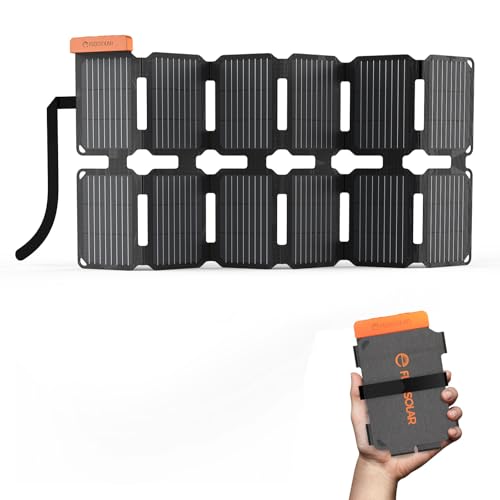
The 36W FlexSolar brings the widest practical feature spread in this roundup, with USB-A, USB-C, and DC outputs in one foldable panel. That makes it more adaptable than the 25W and 30W models, especially for trips where you’re carrying a power bank plus a larger gadget or two.
It’s still billed as ultra-portable and lightweight, so you’re not stepping into the bulky end of the category. The honest caveat is that broader output choices can tempt you into packing more than you really need, so this one suits gear-heavy hikers better than minimalist fast-packers.
Standout Traits
- USB-A, USB-C, and DC outputs widen compatibility.
- 36W output gives you the highest headroom in this group.
- Ultra-portable design keeps it closer to backpacking than basecamp hardware.
- Useful for trips where one panel must cover several devices.
Honest Caveats
- More connection options can add setup decisions in camp.
- Higher flexibility does not replace good sun exposure.
- Gear-heavy support can be more than a simple phone user needs.
Feature Card
Whose Shelf It Belongs On
You fit this well if your backpacking kit includes several devices and you want one panel to cover a lot of ground.
Skip It When
FlexSolar 25W Portable Solar Panel Charger is the cleaner fit for minimalist hikers who want the simplest possible carry.
How To Choose The Right Backpacking Solar Powers
Match Output To Your Trip Length
For short overnights, 25W to 30W panels usually make the most sense because they keep weight down and still handle phones or small power banks. Longer trips, especially with repeated cloudy stretches, start to favor 28W, 36W, or even 60W options because extra surface area and stronger output can reduce charging stress in camp. The point isn’t chasing the biggest number, it’s matching the panel to how much gear you carry and how often you can leave it in direct sun.
Pay Attention To Port Mix And Cable Needs
USB-A still shows up everywhere, but USB-C matters more now because newer phones, batteries, and compact electronics often rely on it. A panel with both ports gives you more flexibility, while DC output becomes useful only when you’re also carrying more demanding gear like a portable power station. That’s the trade-off, broader compatibility usually comes with more bulk or a more complex panel layout.
Think About Weight, Fold Size, And Mounting
A panel that folds smaller may fit better inside a backpack, but a larger panel can sit more steadily at camp and give you better sun-catching area. Adjustable stands help because angle control often matters more than raw wattage once the light shifts through the day. For backpackers, that balance feels a bit like packing a stove, you want enough capability without turning every stop into a setup project.
Choose Materials For The Way You Travel
Ripstop nylon, waterproof ratings, and reinforced folds matter most when the panel gets stuffed beside hard gear or used in damp grass, dusty camps, and sudden weather changes. Harder-wearing materials usually add confidence, while lighter shells often save weight but need a little more care during storage. You get the best result when the build matches your travel style, not just your wish list.
What To Weigh Before You Buy
Common Shopping Slip Ups
A common mistake is picking a panel by wattage alone and ignoring port type, fold size, and weight. That usually leads to awkward packing or a charger that fits the device list poorly.
Another slip-up is underestimating how much sun angle matters. A compact panel with good placement often works better than a larger one shoved half into shade.
The Upgrade Payoff
Higher-priced panels usually give you better port variety, stronger output, tougher build details, or a more travel-friendly fold. That extra money makes sense when you carry a laptop, a power station, or several devices that all need different connections.
For lighter phone-only trips, the upgrade can be overkill. For longer routes or mixed electronics, it starts to earn its spot quickly.
Frequently Asked Questions
What wattage makes sense for backpacking?
For most short trips, 25W to 30W is a sensible range because it stays manageable in your pack. Higher wattage helps more when you carry several devices or expect slower sun days.
Is USB-C worth having on a solar panel?
Yes, because many newer devices and cables now lean on USB-C. A panel with USB-C plus USB-A gives you more flexibility without extra adapters.
Do foldable solar panels need special care?
You’ll get better results by keeping them dry, clean, and packed flat rather than jammed against sharp gear. A quick wipe after dusty use helps keep the surface in better shape.
Can a backpacking solar panel charge a power bank?
Yes, many of the models here are suited to that kind of setup. A power bank can make solar charging more practical because it stores energy while the panel is in the sun.
What matters more, wattage or portability?
Portability matters more for short hikes, while wattage starts to matter more on longer or gear-heavy trips. The best fit is usually the panel you’ll actually carry and position well.
Final Thoughts
You don’t need the biggest panel to make backpacking easier, you need the one that fits your pace, your pack, and your devices. The BigBlue and FlexSolar 25W options stay light for simple trips, while the LUMOPAL 60W and FlexSolar 36W make more sense once your gear list grows. ELECOM and SOLUPUP sit in the middle with sensible builds that feel easy to live with. Choose the panel that matches your trail habits, and the rest gets simpler.
