

Choosing a 30 amp RV generator usually comes down to three things, outlet compatibility, noise, and how much fuel flexibility you want around camp or at home. You’re probably looking for something that can handle an RV’s 30A connection without turning your site into a rumbling headache. This roundup keeps the focus on practical fit, from lightweight inverter models for travel to larger dual-fuel picks for longer stays. The right choice feels less like a machine and more like dependable background support.
Quick Look At The Shortlist

Westinghouse 2550 Peak Watt Inverter Generator
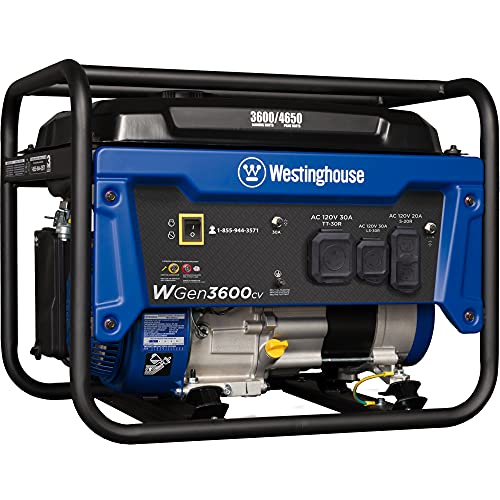
Westinghouse 4650 Peak Watt Portable Generator

Oxseryn Power Equipment 4400 Watts Inverter Generator

WEN Quiet and Lightweight 3600-Watt Dual Fuel Inverter Generator (DF360iX)

AIVOLT 4300W Inverter Generator

WEN Quiet and Lightweight 4800-Watt RV-Ready Inverter Generator (56477i)

Champion Power Equipment 4000-Watt RV Ready Portable Inverter Generator

WEN 6800-Watt Dual Fuel RV-Ready Electric Start Inverter Generator (DF680iX)
More Details On Our Top Picks
Travelers who want a lighter setup usually start here, because this Westinghouse keeps the footprint small while still giving you an RV-ready 30A outlet. Gas and propane operation adds flexibility at camp, and parallel capability gives you room to grow later without replacing the whole unit.
The trade-off is simple power capacity, so it fits weekend use, light appliance loads, and minimalists more naturally than full-time setups. The CO sensor adds a useful safety layer in enclosed or semi-enclosed spaces, though you still need to respect ventilation and placement basics.
Strong Points
- Compact size makes storage and transport easier in a packed cargo area.
- Dual-fuel operation helps you work around fuel availability on longer trips.
- Parallel capability gives you a cleaner upgrade path later.
- RV-ready 30A outlet matches common travel-trailer needs without extra fuss.
- Lightweight inverter format suits campers who move equipment by hand.
Things To Consider
- Lower output suits modest loads better than heavy air-conditioning use.
- Propane setups often run a bit differently from gas, so learning both fuel modes takes a moment.
- Smaller portable units usually need routine handling care during storage and transport.
Feature Snapshot
Who It Suits Best
Weekend campers and light-duty RV owners who value portability over raw output will get the most from this model.
Where A Sibling Pick Shines
Westinghouse 4650 Peak Watt Portable Generator suits you better if your RV routine includes more appliances and you want extra capacity.
Compared with the lighter Westinghouse above, this one leans toward more comfortable headroom for RV life and campsite extras. A gas-only layout keeps the design straightforward, which can be appealing when you want less fuel juggling and fewer parts to think about.
You may find it a better fit for setups that include a few more appliances or for trips where you’d rather not feel power-starved. The CO sensor is a helpful layer, and the overall shape makes sense for campers who care more about dependable output than ultra-compact carry size.
What We Like
- Higher peak output leaves more breathing room for common RV loads.
- Gas-only operation keeps refueling simple.
- RV-ready 30A outlet makes hookup straightforward for many trailers.
- CO sensor adds a practical safety-oriented feature.
Room For Improvement
- Gas-only design offers less fuel flexibility than the dual-fuel picks.
- More output usually means a larger, heavier unit to manage in storage.
- Like most portable generators, regular maintenance and clean fuel habits matter.
Core Details
Built With In Mind
RV owners who want a step up in output without moving into a huge standby-style unit are the best match here.
A Better Fit Elsewhere
WEN Quiet and Lightweight 3600-Watt Dual Fuel RV-Ready Portable Inverter Generator (DF360iX) suits you better if fuel flexibility matters more than raw output.
The open-frame design sets this Oxseryn apart from the quieter enclosed inverter shapes above, and that difference matters in a garage, utility space, or backup-minded setup. ECO mode helps trim fuel use at lighter loads, which is handy on quieter evenings or when you’re running only a few essentials.
It feels aimed at practical, no-nonsense use rather than polished camp aesthetics, and that suits a lot of home-backup situations. One thing worth considering is that open-frame units usually feel less refined to move around and stash, but the upside is a more utilitarian approach that many households appreciate.
Upsides
- 4400-watt output gives you useful breathing room for backup needs.
- ECO mode helps the generator scale down under lighter demand.
- RV-ready design makes it workable for travel use too.
- Open-frame layout can be easier to access for routine upkeep.
Points To Note
- Open-frame construction usually takes more space than enclosed inverter styles.
- The utility-first build is less convenient for frequent hand-carrying.
- Storage planning matters, especially in tighter garages or sheds.
Details At A Glance
Right Fit For
Households wanting a backup-capable portable generator with RV use as a secondary benefit will feel well served here.
Another Choice May Suit
AIVOLT 4300W Inverter Generator makes more sense if you want a quieter camping focus and cleaner power language for electronics.
This WEN lands in a sweet spot for campers who want dual-fuel flexibility without moving to a much larger machine. Fuel shutoff is a small but meaningful touch, since it helps you think ahead about storage and seasonal downtime instead of leaving old fuel sitting around.
Compared with the Westinghouse 2550, it gives you more output room while still staying in a relatively portable class. You may find it especially appealing for weekend rigs, smaller trailers, or anyone who likes having gasoline and propane on the table.
Bright Spots
- Dual-fuel operation gives you more freedom around camp fuel planning.
- Fuel shutoff supports cleaner long-term storage habits.
- RV-ready layout fits common travel-trailer hookups.
- Lightweight inverter design stays friendlier for solo handling.
Softer Spots
- 3600 watts is plenty for many trips, though larger rigs may want more cushion.
- Dual-fuel hardware adds a little more setup thinking than gas-only units.
- Routine storage care still matters, especially after seasonal use.
Feature Rundown
Whose Shelf It Belongs On
Campers who want one portable unit for mixed fuel choices and steady RV use will appreciate this model.
Look Elsewhere When
WEN 6800-Watt Dual Fuel RV-Ready Electric Start Portable Inverter Generator fits you better if your RV or backup loads are noticeably larger.
AIVOLT leans into the details that matter to campers running phones, laptops, and other sensitive electronics. The low-noise language, clean power claim, and ECO mode all point toward a generator that aims to stay calmer and more efficient during ordinary campsite use.
That makes it a strong fit for people who want a quieter footprint without jumping to a much larger class of generator. The trade-off is that you’re paying attention to a more feature-heavy design, so it feels a bit more specialized than the simpler gas-only picks earlier in the list.
Best Bits
- Clean power language suits electronics-focused RV routines.
- Quiet operation is easier to live with around neighboring campsites.
- Parallel-ready design leaves room for expansion.
- CO auto-shutoff and ECO mode add useful everyday convenience.
Areas To Watch
- Feature-heavy designs can mean more settings to learn.
- The stated runtime depends on load and fuel use patterns.
- More features often mean more attention during setup and storage.
Quick Facts
The Right Fit
Camping setups with electronics, quiet-site concerns, and a desire for tidy inverter output line up well with this AIVOLT.
Swap It Out When
Westinghouse 4650 Peak Watt Portable Generator suits you better if you want a simpler, more capacity-first gas model.
Stepping up from the 3600-watt class, this WEN gives you a more comfortable power cushion for longer stays or slightly busier RV routines. The fuel shutoff feature also makes it easier to think about seasonal storage, which matters more than many shoppers expect once the camping season winds down.
In most travel setups, that extra output is the reason to look here instead of the smaller WEN DF360iX. The honest read is that it makes more sense for people who know they routinely ask a generator to do a bit more work.
Positives
- Higher wattage offers extra margin for RV and backup loads.
- RV-ready outlet keeps hookup simple.
- Fuel shutoff helps with storage discipline.
- Quiet inverter format is easier to live with near campsites.
Minor Gripes
- Larger capacity usually brings a larger physical footprint.
- More output than you need can mean more generator than you want to store.
- Routine maintenance still matters, especially after long idle periods.
Technical Sheet
Made For
RV owners who want a bit more cushion than the midrange portable options will appreciate this layout.
Where A Sibling Pick Shines
Champion Power Equipment 4000-Watt RV Ready Portable Inverter Generator suits you better if you want a simpler 4000-watt class with a familiar portable profile.
Champion takes a very straightforward route here, which is part of the appeal for many RV owners. Quiet technology keeps the design focused on calmer operation, and the 4000-watt class sits in a familiar middle zone for travel trailers and light backup use.
Compared with the more feature-packed AIVOLT, this one feels easier to approach and less spec-heavy on paper. That can be a relief for weekend campers who want dependable RV-ready utility without sorting through extra modes and layers.
Highlights
- 4000-watt size hits a familiar middle ground for many RV trips.
- Quiet technology supports more comfortable campground use.
- RV-ready layout keeps the connection side simple.
- Portable inverter construction suits travel-minded storage needs.
Worth Noting
- Midrange output may feel tight for heavier RV electrical loads.
- Simpler feature set may not satisfy people wanting dual fuel.
- Portable equipment still benefits from regular oil and storage care.
Feature Card
Best Suited To
RV travelers who want a simple, familiar inverter generator without a lot of extra complexity will feel comfortable here.
Reach For A Different Pick When
WEN 6800-Watt Dual Fuel RV-Ready Electric Start Portable Inverter Generator makes more sense if you need a much stronger power cushion.
This WEN sits at the heavy-duty end of the roundup, and the electric start alone makes it feel more relaxed to use than many smaller portable units. Dual fuel and a CO watchdog round out a package that makes sense for larger RVs, backup planning, or anyone who wants fewer hand-start rituals.
It’s the sort of machine that fits better once you know your power needs are real, not hypothetical. The trade-off is size and complexity, so it’s less appealing for casual weekend packing than the smaller models earlier in the list.
Reasons To Buy
- 6800-watt output gives you the widest power cushion in this roundup.
- Electric start simplifies startup for everyday use.
- Dual-fuel flexibility helps with longer stays and backup planning.
- Fuel shutoff supports cleaner shutdown and storage habits.
- RV-ready layout makes integration with trailers straightforward.
Small Caveats
- More capacity usually means more weight and more storage space.
- Dual-fuel equipment often asks for a bit more setup attention.
- Heavy-duty portable units are less convenient for quick carry-in use.
Spec Overview
Perfect Match For
Large RV owners and backup-focused households who want more output, easier starting, and fuel flexibility will benefit most here.
Where Another Pick Fits Better
WEN Quiet and Lightweight 4800-Watt RV-Ready Portable Inverter Generator (56477i) makes more sense if you want less bulk and a simpler travel setup.
How To Choose The Right 30 Amp Rv Generators
Match Output To Real Loads
Start with the RV equipment you actually plan to run, not the biggest number you can find on a product page. A 30A hookup is useful, but the generator still needs enough headroom for what lives inside your trailer, from refrigerator support to lights and chargers.
Smaller inverters, like the Westinghouse 2550, suit lighter routines and short trips. Midrange units, such as the WEN 3600 or Champion 4000, usually make more sense for typical travel trailers that need a steadier cushion.
Choose Fuel Flexibility With Intent
Dual-fuel models give you options, which matters on long stays or in places where one fuel is easier to find than the other. They can also be easier to plan around during seasonal storage, especially when paired with fuel shutoff features.
Gas-only generators are simpler to keep track of, and that simplicity appeals to people who want fewer steps before departure. The trade-off is less flexibility, so the right answer depends on how often you travel and how you store equipment between trips.
Pay Attention To Noise And Form Factor
Quiet inverter designs are friendlier in campground rows, close-quarter backyards, and RV parks where everyone hears everything. Open-frame models usually feel more utilitarian, which can work well for backup use but not always for a tight campsite.
Weight and size matter too, especially when you’re lifting the unit in and out of a truck bed or garage. A compact machine is easier to live with, while a larger one often gives you more output and less portability.
Look For Convenience Features That Match Your Routine
Electric start, ECO mode, parallel capability, and CO monitoring all add convenience, but each one solves a different problem. Electric start helps most when you want a smoother routine, while parallel support helps you expand later instead of replacing a whole unit.
Think about your own habits, not just the spec sheet. The best fit is usually the one that makes setup, storage, and daily use feel less fussy in your actual travel routine.
Things Worth Knowing First
Common Shopping Slip Ups
Many shoppers focus on peak wattage and ignore the RV connection type, which can lead to a generator that looks strong but does not fit the trailer setup cleanly. Another common miss is underestimating how much easier quieter inverter units are to live with around other campsites.
Storage also gets overlooked. A generator that is easy to buy but awkward to stow tends to become annoying fast.
The Upgrade Payoff
Higher-tier units usually cost more because they add capacity, fuel flexibility, electric start, quieter inverter hardware, and more control over the output experience. Those pieces are not just bells and whistles, they shape how easy the generator is to live with day to day.
The upgrade makes sense for larger RVs, frequent travel, or backup-minded households. For occasional weekend use, a simpler midrange option often keeps things more sensible.
Frequently Asked Questions
What does RV-ready 30A mean?
It means the generator includes an outlet intended for common 30-amp RV connections. That simplifies hookup for many travel trailers and keeps the setup cleaner.
Are dual-fuel generators harder to use?
They usually ask for a little more attention because you’re choosing between gas and propane. In return, you get more flexibility around fuel availability and storage planning.
How much power do you need for a small RV?
Many smaller RV setups do well in the midrange, especially when the load stays modest. Air conditioning and multiple appliances push you toward more wattage and more cushion.
Why do inverter generators matter for camping?
Inverters are built to deliver steadier power, which helps in RV and electronics-heavy use. They also tend to sound calmer than older open-frame styles.
Is electric start worth it?
It’s especially useful when you want a smoother start routine or expect to use the generator often. Manual-start models can still work well, but electric start removes a little friction.
Closing Thoughts
You do not need the biggest generator in this roundup to have a good RV trip, you need the one that fits your load, your storage space, and your tolerance for noise. Smaller dual-fuel inverters suit lighter travel better, while the larger WEN DF680iX makes sense once your power needs grow past casual use. The Westinghouse and Champion picks give you sensible middle-ground options, and the Oxseryn works well for a backup-first setup. Match the machine to the trip, and the rest gets easier.
