

Backup power gets a lot simpler once you match the switch to your panel, generator plug, and circuits. That matters most during outages, cabin stays, or jobsite use, where a clean handoff between utility power and generator power saves time and confusion. Some of these picks are full transfer kits, while others are adapter cords that solve a narrower connection problem. You’ll see both types here because the right choice depends on how your setup is wired today.
Quick Look At Our Shortlist

310C Pro/Tran2 30-Amp 10-Circuit 2 Manual Transfer Switch

Kanayu NEMA TT-30P to L14-30R Adapter
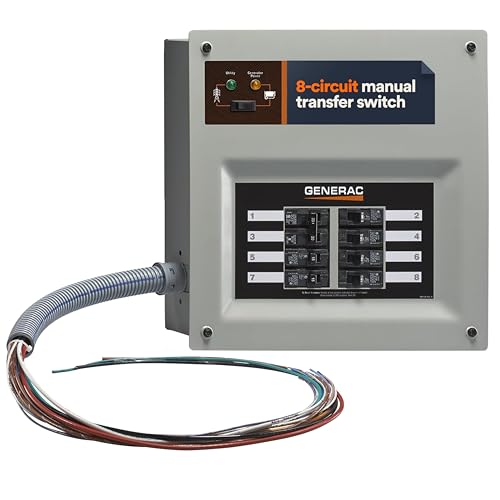
Generac HomeLink 30 Amp Portable Generator Manual Transfer Switch

Nature’s Generator Transfer Switch 6 Circuits 120V 30A

NEMA TT-30P to L14-30R Adapter Cord
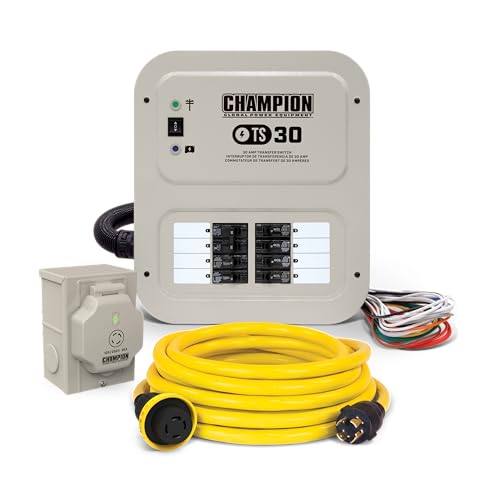
Champion Power Equipment 30-Amp Indoor-Rated Manual Transfer Switch

VEVOR Manual Transfer 30-Amp 6-Circuit Prewired Kit
More Details On Our Top Picks
The 10-circuit layout gives you room to cover the loads that matter most, which is useful in a home where a generator has to do more than keep one room running. Compared with the adapter-style picks in this roundup, this one speaks to a full panel solution and a more permanent setup.
Reliance Controls keeps the focus on manual control, so you decide what stays live instead of handing that job to an automatic system. That suits homeowners who want a straightforward backup plan, and the honest trade-off is that installation and planning matter more than they do with a simple cord adapter.
Strong Points
- Ten circuits give you broader household coverage.
- Manual switching keeps control in your hands.
- Works well for homes with a fixed panel plan.
- Helps reduce the scramble during outages.
Things To Consider
- It asks for a more involved setup than a plug adapter.
- The panel approach takes planning before installation.
- Not the lightest choice for a quick temporary hookup.
Core Details
Who It Suits Best
Households that want a fuller home-backup setup and have room for a planned installation get the most from this model.
A Better Fit Elsewhere
The Champion Power Equipment 30-Amp Indoor-Rated Manual Transfer Switch suits you better when you want a kit that bundles the cord and inlet box together.
This one is about connection matching, not panel overhaul. It bridges a 3-prong TT-30P source to a 4-prong L14-30R inlet, which is handy in RV or portable-generator setups where the plug shape is the problem.
Because it’s an adapter rather than a full switch panel, it makes sense for simpler power paths and temporary use. One thing worth considering is that the yellow body is easy to spot in a crowded storage bin, which helps more than people expect on a dark driveway.
Highlights
- Solves a specific plug-format mismatch.
- Compact design stores with the rest of your cord gear.
- Useful for RV and portable generator connections.
- Less complex than a full transfer-switch install.
Minor Gripes
- It does not replace a panel-based transfer setup.
- Adapter use still depends on the rest of your wiring being compatible.
- Small cord accessories are easier to misplace, so storage habits matter.
Feature Card
Built With In Mind
You’ll get the most from this adapter when your generator or RV setup needs a connector bridge more than a hardware overhaul.
Where A Sibling Pick Shines
The Generac HomeLink 30 Amp Portable Generator Manual Transfer Switch is the better fit for homeowners who want a panel-based backup solution instead of a connector adapter.
The prewired indoor panel is the main draw here, because it trims some of the fuss that usually comes with a manual backup setup. Compared with the Reliance Controls model, this one leans toward an easier planning path for someone building a home backup system around a generator.
The 8 to 10 circuit range gives you flexibility, and that matters in a house where the important loads are spread across more than a few breakers. The trade-off is that a panel-based unit still asks for a more deliberate install than a cord or plug adapter, so it fits best in a prepared home.
What We Like
- Prewired panel format helps simplify setup.
- Supports an 8 to 10 circuit range.
- Upgradeable layout gives you room to grow.
- Indoor placement suits a fixed home backup plan.
Room For Improvement
- It still requires installation planning.
- Not as quick to set up as an adapter cord.
- Best suited to homes that already have a clear circuit list.
Details At A Glance
The Right Fit
Homeowners who want a more structured backup system and plan to keep the generator connection in place get the most from this model.
Another Choice May Suit
Nature’s Generator Transfer Switch 6 Circuits 120V 30A Non-Automatic UL Power Transfer Kit works better for smaller indoor load lists and a lighter circuit count.
Six circuits keep this model focused, which is useful in a smaller home or a backup plan that only needs the essentials. Unlike the Generac HomeLink option, this one stays closer to a leaner circuit count, so it may feel less overwhelming for first-time installers.
The 120V, 30A, non-automatic layout points to a manual, indoor transfer setup rather than a hands-off system. That makes it a sensible match for people who want a controlled backup arrangement without extra complexity, though it still rewards careful planning before installation.
Upsides
- Six circuits are enough for core household loads.
- Manual, non-automatic operation keeps the system straightforward.
- Indoor format suits a sheltered installation area.
- Works well for modest backup needs.
Points To Note
- Six circuits may feel tight in larger homes.
- Indoor placement limits where you can set it up.
- Manual operation means you handle the switchover yourself.
Spec Overview
Whose Shelf It Belongs On
You’ll appreciate this most in a smaller home where a compact circuit list is enough to cover the essentials.
Skip It When
The Reliance Controls 310C Pro/Tran2 30-Amp 10-Circuit 2 Manual Transfer Switch is the better fit when you need a wider circuit spread.
This adapter cord is about bridging plug standards, not changing an entire electrical setup. That makes it useful in RV and portable-generator situations where the rest of the system is already in place and you just need a cleaner connection path.
Compared with the Kanayu adapter, this one serves the same general job with a corded format, which may suit setups where a little extra reach helps. The trade-off is the same as most small accessories, storage and strain relief matter because dangling cords are easier to snag than panel hardware.
Best Bits
- Helps connect mismatched plug styles.
- Useful for RV and generator hook-up tasks.
- Cord format can be easier to place than a rigid adapter.
- Compact enough for travel storage.
Softer Spots
- It solves a connection issue, not a full transfer need.
- Cord accessories need tidy storage to avoid wear from tangling.
- Fit still depends on the rest of your setup.
Feature Rundown
Made For
You get the most out of this cord when you’re linking an RV or generator connection that already has the right power level but the wrong plug shape.
Look Elsewhere When
Champion Power Equipment 30-Amp Indoor-Rated Manual Transfer Switch with 25-Foot Generator Power Cord and Weather-Resistant Power Inlet Box is the better match for a whole-home style installation.
The cord and weather-resistant inlet box make this kit feel more complete than the bare transfer-switch options above. That matters in a home where you want fewer missing pieces and a more guided path from generator to panel.
Because the kit is indoor-rated, it fits a sheltered installation space rather than an exposed exterior spot. The honest read is that the bundled parts are convenient, but they also ask you to plan the install around the included lengths and components.
Bright Spots
- Includes a 25-foot generator cord.
- Weather-resistant inlet box adds useful hardware in one package.
- Indoor-rated design suits a protected install area.
- Convenient for a more complete backup setup.
Areas To Watch
- Indoor-rated placement limits where you can install it.
- Bundled parts still need thoughtful routing.
- The cord length may shape how you place your equipment.
At A Glance
Who Should Grab It
Homeowners who want a bundled kit and prefer fewer separate parts should look closely at this option.
Swap It Out When
VEVOR Manual Transfer 30-Amp 6-Circuit Prewired Generator Transfer Kit works better for someone who wants a prewired, more hardware-forward setup.
This VEVOR kit leans into a more built-out install with a prewired layout, a double-throw setup, and a mechanical watt meter. A watt meter is a gauge that shows load use, and that helps you keep an eye on how hard the generator is working during an outage.
Compared with the simpler adapter entries in this roundup, this feels much closer to a fixed home backup system. The NEMA 3R rating points to an enclosure style commonly used for outdoor exposure, so it suits a setup where the transfer hardware needs a tougher shell.
Reasons To Buy
- Prewired format helps streamline installation planning.
- Mechanical watt meter gives you load visibility at a glance.
- Double-throw design supports manual source switching.
- NEMA 3R enclosure style suits a tougher placement environment.
- Six circuits cover a focused set of essentials.
Small Caveats
- Six circuits can feel limiting in a larger home.
- Prewired gear still benefits from careful layout before mounting.
- The meter is useful, but it adds another component to keep track of.
Key Specs
Perfect Match For
You’ll like this most if you want a more substantial manual transfer setup and already know your generator class fits the listed power range.
Reach For A Different Pick When
The Generac HomeLink 30 Amp Portable Generator Manual Transfer Switch suits you better if a broader indoor panel arrangement matters more than a meter-led kit.
How To Choose The Right 30 Amp Generator Transfer Switches
Match The Switch To Your Wiring Plan
The first question is simple: do you need a full panel solution or just a connector that bridges two plug types? Full transfer switches, like the Reliance Controls and Generac options, make sense for homes that want multiple circuits under control, while adapter cords fit RV or portable-generator jobs far better.
Circuit count matters because it decides how many loads you can prepare for during an outage. A 6-circuit model suits a pared-down backup list, while a 10-circuit unit gives you more breathing room for kitchen, lighting, and comfort loads.
Think About Install Location And Access
Indoor-rated panels belong in sheltered spaces where the wiring can stay organized and protected. That setup suits homes with a fixed backup plan, but it asks for more preparation than a cord-style accessory.
Weather-resistant inlet hardware and NEMA 3R-style enclosures matter when the equipment sits in a tougher environment. That kind of housing is more useful for a dedicated install than for a temporary campsite connection.
Don’t Ignore Generator Plug Compatibility
Connector shape can make or break the whole setup. TT-30P, L14-30R, and L14-30P are not interchangeable names, and the adapter picks exist for exactly that reason.
Start with the generator outlet, then check the inlet box or transfer hardware, then match the cord or adapter. That order keeps you from buying a solid part that still doesn’t connect cleanly.
Choose By How You’ll Actually Use It
Homeowners who want a steady backup plan usually benefit from a prewired panel or manual switch with multiple circuits. RV owners and travelers need smaller, simpler hardware that stores easily and sets up fast.
The best fit is the one that matches the way you live, not the one with the longest feature list. A compact adapter can be the right call in a weekend rig, while a more complete kit suits a house that sees outages every season.
Things Worth Knowing First
Wrong Turns To Avoid
Many shoppers focus on current rating alone and miss the plug format. That mistake usually leads to a connection that looks close on paper but still needs another adapter.
Another common slip is buying a panel system for a setup that really only needs a cord bridge. Simpler gear saves space and setup time in those cases.
What The Higher Tier Buys
Higher-tier kits usually include more of the hardware you’d otherwise source separately, such as prewired panels, longer cords, or inlet boxes. That extra structure can make the installation path feel more orderly.
More complex builds also tend to give you better load visibility or more circuits to work with. You’re paying for convenience, organization, and fewer gaps in the box, not magic.
Frequently Asked Questions
What Does 30 Amp Mean Here?
It refers to the current rating the switch or adapter is built around. That rating needs to match your generator and your transfer hardware for the setup to make sense.
Do You Need A Full Transfer Switch Or Just An Adapter?
A full transfer switch fits a home that wants to route power to selected circuits. An adapter works better for plug matching in RV or portable-generator use.
Why Do Some Models Have More Circuits?
More circuits let you cover more separate loads during an outage. That helps in larger homes where essentials are spread across several breakers.
What Does Indoor-Rated Tell You?
It signals a sheltered placement, usually inside the home or another protected space. That makes location planning more important before installation.
Why Would You Want A Watt Meter?
A watt meter shows how much load the generator is carrying. That helps you keep an eye on power use without guessing.
Final Thoughts
The right choice depends on how much of your home you want to back up and how permanent the setup needs to be. Adapter cords solve connector problems quickly, while panel-based transfer switches give you a more complete path for selected circuits. Generac, Reliance Controls, Champion, Nature’s Generator, VEVOR, Kanayu, and LAVANDINO each fit a different kind of use. Choose the one that matches your wiring, your generator, and the way you actually handle outages, not the one that looks the most elaborate.
