

Choosing an inverter air conditioner can feel straightforward until your room size, window style, and noise tolerance all start to matter. This roundup focuses on window units with smart control, quiet operation, and cooling ranges that suit apartments, bedrooms, home offices, and larger shared spaces. You’ll see where each pick fits best, along with the trade-offs that matter once the unit is installed and running day after day.
Quick Look at the Shortlist

Midea 8,000 BTU U-Shaped Smart Inverter Window Air Conditioner

Midea 8,000 BTU Smart Inverter Air Conditioner with Heat and Dehumidifier
GE Profile ClearView Inverter Window Air Conditioner Unit 12,200 BTU

Hykolity 12,000 BTU Smart Inverter Window Air Conditioner WiFi Enabled
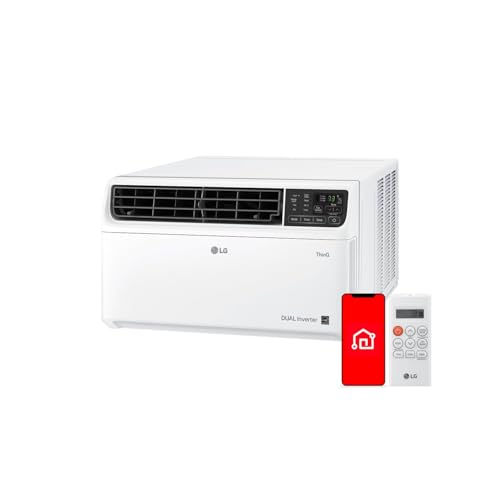
LG 14,000 BTU DUAL Inverter Smart Window Air Conditioner 115V
Midea 12,000 BTU U-Shaped Window Air Conditioner 2026 New

Midea 12,000 BTU Window Air Conditioner with Heat and Dehumidifier

Midea 6,000 BTU U-Shaped Window Air Conditioner 2026 New
More Details On Our Top Picks
The U-shaped layout gives you a quieter-feeling setup than a plain boxy window unit, and it also keeps the window more usable behind the appliance. That matters in a bedroom or a home office, where you want cooling without turning the whole room into a machine room. The 8,000 BTU size suits about 350 square feet, so it fits a typical bedroom, small apartment, or den.
Compared with the straight window units in this roundup, this one leans more toward comfort and window flexibility than raw wall-filling power. The honest trade-off is that the shape and installation style may ask a little more planning than a standard unit, especially in older frames. For most people who value a calmer daily setup, that’s a fair exchange.
Strong Points
- U-shaped design helps reduce how much the window feels blocked.
- 8,000 BTU coverage suits modest rooms without feeling oversized.
- Smart compatibility fits households that already use voice control.
- Remote control keeps adjustments easy from the couch or bed.
Things To Consider
- The shape can make setup feel less familiar than a standard sash unit.
- Cooling capacity is aimed at smaller spaces, not open-plan living rooms.
Feature Snapshot
Who It Suits Best
You’ll get the most from this in a bedroom, guest room, or small office where quiet operation matters as much as cooling.
Where A Sibling Pick Shines
Midea 12,000 BTU U-Shaped Window Air Conditioner 2026 New is the better call for a larger room that needs more cooling reach.
This one is built for people who want a single window unit to cover more than summer cooling. Heat and dehumidifier functions make it more useful across changing weather, especially in rooms that stay damp or drafty. The 350 square foot range keeps it in the same size class as the first Midea pick, but the extra functions change the story.
Compared with the U-shaped Midea above, this model is less about preserving an open window feel and more about doing more jobs in one frame. The trade-off shows up in planning, since feature-packed units can make you think harder about how often you’ll actually use each mode. For a small apartment or finished basement, that versatility can feel genuinely handy.
Highlights
- Heating support adds usefulness beyond warm-weather months.
- Dehumidifier mode helps in rooms that feel sticky or heavy.
- Electronic controls keep operation straightforward day to day.
- Remote control makes changes easy from a bed or sofa.
- The 8,000 BTU size fits smaller living spaces without feeling excessive.
Points To Note
- More functions usually mean more settings to learn and manage.
- It still suits modest room sizes, not broad open layouts.
- Window-unit maintenance around filters and seals still matters over time.
Core Details
Made For
You’re the right fit for this unit if you want a small-room air conditioner that can pull double duty through damp or cooler stretches.
Another Choice May Suit
LG 14,000 BTU DUAL Inverter Smart Window Air Conditioner 115V suits larger spaces better, especially a living room that needs more cooling reach.
The ClearView idea is simple, you get a window unit that’s meant to feel less visually intrusive. That matters in a living room or den where you still want daylight and a cleaner look around the window line. With 12,200 BTU and coverage up to 550 square feet, it moves into a more serious cooling bracket than the first two Midea units.
Compared with the smaller 8,000 BTU picks, this GE Profile model is the one to notice when room size starts stretching the limits. The honest catch is that larger capacity can come with a more demanding fit for the space and a stronger need to match the room correctly. For households that care about appearance as much as function, that trade-off feels worthwhile.
Bright Spots
- ClearView styling keeps the window area feeling less boxed in.
- 12,200 BTU output suits larger rooms than the 8,000 BTU class.
- Remote control adds everyday convenience.
- Smart-home readiness fits connected households.
Areas To Watch
- Higher capacity makes room matching more important.
- The larger footprint may feel less discreet in smaller windows.
- Setup and regular cleaning can take a little more attention than compact models.
Feature Card
Best Suited To
You’ll appreciate this most in a larger bedroom, den, or family room where appearance and cooling reach both matter.
A Better Fit Elsewhere
Hykolity 12,000 BTU Smart Inverter Window Air Conditioner WiFi Enabled is the better match for someone who wants more mode options and a more feature-heavy control setup.
The Hykolity unit is the most mode-heavy pick in this list, and that matters for anyone who likes to fine-tune a room through the day. Cool, fan, dry, auto, and sleep modes give you more control over how the unit behaves, while WiFi support adds another layer of convenience for daily routines. At 12,000 BTU, it stays in the same cooling neighborhood as the GE Profile model, but it leans harder into customization.
Noise-sensitive spaces benefit from the low 32 dBA claim, especially in bedrooms and studies where a loud compressor gets old fast. The trade-off is that more modes can mean more decisions, which isn’t for everyone. For a home office or a master bedroom, that extra control can feel like the right kind of busy.
What We Like
- WiFi support fits app-based routines and remote control habits.
- Five operating modes cover more room conditions than simpler units.
- Sleep mode and 24-hour timer help shape overnight comfort.
- Low sound level suits bedrooms and study spaces.
- Inverter design aims to keep operation efficient.
Room For Improvement
- All those modes can feel more complex than a basic unit.
- Feature depth may be more than you need in a spare room.
- Regular filter care still matters for smooth airflow.
Details At A Glance
The Right Fit
You’ll get the most from this pick in a bedroom, study, or apartment room where quieter operation and more controls both matter.
Where A Sibling Pick Shines
GE Profile ClearView Inverter Window Air Conditioner Unit 12,200 BTU is the easier fit for someone who wants a cleaner-looking window presence first.
Once you move into larger living rooms or apartment common areas, capacity starts to matter more than features alone. This LG model brings 14,000 BTU and coverage up to 800 square feet, which puts it ahead of the mid-size units in this roundup for bigger shared spaces. The 115V power setup also makes it feel familiar in homes that already use standard household circuits.
Compared with the 12,000 BTU models, this one is the logical step up for rooms that just feel too open for smaller machines. The trade-off is that larger capacity units usually ask for more careful placement and a better sense of room layout. In a big apartment or a long living area, that extra reach is often the point.
Reasons To Buy
- 14,000 BTU output gives you more cooling headroom.
- Coverage up to 800 sq. ft. suits larger shared spaces.
- Quiet operation helps keep the room from feeling noisy.
- Smart app support fits connected-home routines.
- Works with voice assistants for hands-free adjustments.
Softer Spots
- The larger size makes room matching more important.
- It can feel like more unit than a small bedroom needs.
- Long-term filter care and seasonal cleaning still matter.
Spec Overview
Who Will Love This
You’re the right match for this model if you need stronger cooling for a larger apartment, open living room, or shared family space.
Skip It When
Midea 8,000 BTU U-Shaped Smart Inverter Window Air Conditioner makes more sense for a small bedroom where the priority is quieter window flexibility.
This is the sweet spot pick for a lot of window-air-conditioner setups, because it pairs stronger 12,000 BTU output with the U-shaped layout that keeps the window feeling more usable. The coverage rating up to 550 square feet puts it in a useful middle ground for larger bedrooms, dens, and compact living rooms. The 2026 version also keeps smart-assistant support in the mix, which helps in busy homes.
Compared with the standard 12,000 BTU Hykolity and GE Profile units, this Midea leans harder into quiet comfort and a less boxed-in window profile. The catch is that U-shaped mounting isn’t the simplest route for every frame, so installation planning matters. For many people, though, the cleaner room feel is worth that extra attention.
Best Bits
- U-shaped build leaves a more open feel around the window.
- 12,000 BTU output handles mid-size rooms with confidence.
- Coverage up to 550 sq. ft. gives it broad household usefulness.
- Smart assistant support adds convenience for daily control.
- Quiet operation suits rooms where noise quickly gets annoying.
Minor Gripes
- The mounting style may take more patience than a standard box unit.
- It still needs the right room size to feel balanced.
- Cleaning the filter and keeping the seal tidy still matter over time.
Quick Facts
Whose Shelf It Belongs On
You’ll appreciate this most in a room that needs serious cooling but still benefits from a less bulky window presence.
Another Choice May Suit
LG 14,000 BTU DUAL Inverter Smart Window Air Conditioner 115V is the better fit for a larger room that needs more raw cooling reach.
This Midea aims at mixed-season rooms, and that’s what makes it stand out from the cooling-only models around it. Cooling, heating, and dehumidifier functions give you a more flexible unit for a basement, sunroom, or apartment space that changes character through the year. The 550 square foot rating keeps it in the same practical range as the 12,000 BTU U-shaped option.
Compared with the similar-sized Midea U-shaped unit, this one trades the open-window design for added seasonal versatility. The honest read is that you’re choosing utility over visual openness, which makes sense in rooms where a single machine needs to do more. For many households, that’s the better long-term balance.
Positives
- Heat mode gives you more use beyond summer.
- Dehumidifier function helps in spaces that feel damp.
- 12,000 BTU output suits mid-size rooms well.
- Remote and electronic controls make adjustments simple.
Small Caveats
- You give up the open-window feel of a U-shaped frame.
- More functions can mean more maintenance attention over time.
- It still depends on having a sensible room-to-size match.
Technical Sheet
Built With In Mind
You’re the best fit for this model if your room needs one appliance to handle cooling, dampness, and shoulder-season comfort.
Reach For A Different Pick When
Midea 12,000 BTU U-Shaped Window Air Conditioner 2026 New is the better match for someone who values a clearer window opening and quieter-feeling layout.
Smaller rooms are where this unit makes the most sense, because 6,000 BTU is aimed at spaces up to 250 square feet. That puts it in a good spot for a studio corner, compact bedroom, or home office that doesn’t need the force of the larger units in this roundup. The U-shaped frame also keeps the window feeling less fully blocked, which is a nice touch in tight quarters.
Compared with the 8,000 BTU Midea at the top of the list, this one is the more space-conscious choice for a room that doesn’t need as much cooling reach. The trade-off is obvious, less capacity means less room for error on sizing. For a small den or guest room, though, that tighter fit can be exactly right.
Upsides
- Compact 6,000 BTU sizing suits smaller spaces.
- Coverage up to 250 sq. ft. keeps expectations clear.
- U-shaped styling helps preserve a more open window feel.
- Inverter control supports smoother day-to-day operation.
Honest Caveats
- It’s not meant for large, open common areas.
- Low-capacity units need a more careful room match.
- Like most window units, filter care and seasonal cleaning still matter.
Core Details
Who Should Grab It
You’ll be happiest with this unit in a small room where compact sizing matters more than broad cooling coverage.
Where A Sibling Pick Shines
Midea 8,000 BTU U-Shaped Smart Inverter Window Air Conditioner is the better match for a larger bedroom that needs a little more cooling reach.
How To Choose The Right Air Conditioner Inverters
Match Cooling Output To Room Size
BTU stands for British Thermal Unit, and in this category it’s the quick way to judge cooling strength. A smaller bedroom usually needs less output than a large living room or open apartment area, so the room size should guide the starting point.
Oversizing can make the unit feel less balanced, while undersizing leaves you waiting for comfort that never fully arrives. A 6,000 BTU unit fits a small room, 8,000 BTU works for modest spaces, and 12,000 to 14,000 BTU belongs in larger rooms.
Think About Window Shape And Everyday Use
U-shaped models leave the window opening feeling less blocked, which helps in rooms where daylight and a less cramped look matter. Traditional window units can be simpler to place, though they usually sit more visibly in the opening.
The difference sounds cosmetic until you live with it every day. In a bedroom, office, or studio, the window profile can matter almost as much as the cooling itself.
Look Past Cooling And Check The Extra Modes
Heat, dehumidifier, fan, auto, and sleep modes change how useful a unit feels across a year. Heat helps in shoulder seasons, dehumidifier mode helps in damp rooms, and sleep mode keeps nighttime control a little gentler.
Those extras raise the usefulness of the unit, but they also raise the number of choices you manage. A simpler unit suits people who want straightforward cooling, while a feature-rich model fits homes that use the room in more ways.
Weigh Smart Control Against Simplicity
WiFi support, app control, and voice assistant compatibility are convenient in a busy home. They help you adjust the unit from the couch, the kitchen, or another room without walking back and forth.
Still, smart features only help when you’ll use them often. A basic remote may be enough for a guest room, while a connected setup makes more sense for daily living spaces.
Things Worth Knowing First
Wrong Turns To Avoid
Many people focus on BTU alone and forget to think about room layout, window style, and how often the room gets used. That can leave you with a machine that looks right on paper but feels awkward in real life.
Another common miss is choosing a feature-packed model for a room that only needs simple cooling. A small bedroom does not need the same setup as a large family room.
The Upgrade Payoff
Higher-tier units usually cost more because they bring stronger capacity, quieter operation, smarter control, or extra comfort modes. U-shaped frames and inverter systems also add design and engineering complexity, which tends to show up in the price tier.
Spending more pays off when the room is used heavily, noise matters, or you want a unit that can handle more than summer cooling. For a spare room used a few weeks a year, a simpler model often makes better sense.
Frequently Asked Questions
What does inverter control do in a window air conditioner?
Inverter control lets the compressor adjust output instead of cycling in blunt on-off bursts. That usually supports steadier comfort and can feel smoother in daily use.
Are U-shaped air conditioners harder to install?
They can take a little more planning than a standard window unit. The payoff is a less blocked window opening and often a calmer look in the room.
How do you choose the right BTU size?
Start with your room square footage and the room’s shape, sunlight, and occupancy. Smaller rooms fit lower BTU ratings, while larger rooms need more capacity.
Do smart features matter for a window unit?
They matter most in rooms you use every day. Remote control, WiFi, and voice support make frequent adjustments easier.
Which pick suits a bedroom best?
The Midea 8,000 BTU U-Shaped Smart Inverter Window Air Conditioner is a strong fit for many bedrooms. The quieter-feeling design and modest cooling range suit smaller sleeping spaces well.
Closing Thoughts
Your best choice comes down to room size, noise tolerance, and how much control you want over daily comfort. The Midea U-shaped picks stand out for quieter-feeling layouts, while the LG and GE Profile models make more sense when space gets larger. The Hykolity option adds more modes, and the heat-equipped Midea units stretch usefulness across more seasons. Choose the one that fits your room, not just the spec sheet.
