

Choosing an aftermarket catalytic converter usually comes down to fit, pipe size, and how much of the job you want done in one pass. For a daily driver, a work van, or an older truck, the right match saves you from repeat exhaust work and awkward return trips to the shop.
Some of these picks are universal, others are shaped for exact vehicle groups, and that split matters more than flashy wording on the listing. You get a cleaner result when you start with your exhaust layout, then narrow by inlet and outlet size, sensor port placement, and the vehicle family listed by the maker.
Quick Look At Our Shortlist
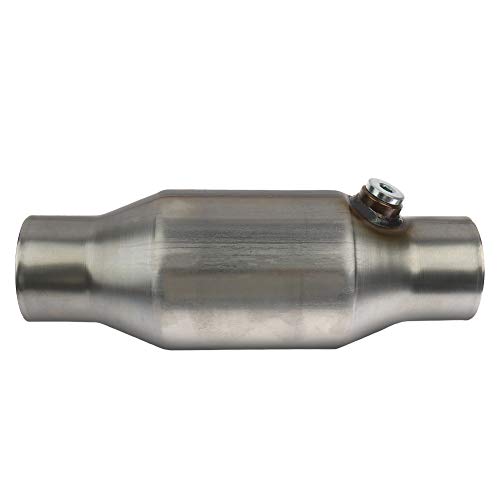
MAYASAF 2.5″ Universal Catalytic Converter with O2 Port

Walker Standard EPA 15036 Universal Catalytic Converter

MAYASAF 2-Pack Universal Catalytic Converter with O2 Port

FOMIUZY Catalytic Converter Kit for Hyundai, Kia 1.6L

Dylannet 2.5 Inch Universal High Flow Catalytic Converter, 2 Pcs

PHILTOP Toyota Exhaust Manifold Catalytic Converter Kit

MOCW 2.5 Inch Universal High Flow Catalytic Converter, 2 Pcs
CatFlowFixer Ford Transit Catalytic Converter for 3.7L
More Details On Our Top Picks
A 2.5-inch universal converter like this makes sense for exhaust work that already has standard tubing in place. The built-in O2 port helps you keep the sensor location part of the plan, which matters on a daily driver that still needs tidy routing under the car.
The trade-off with a universal part is obvious, you need the rest of the system to match the pipe size and layout. For home garages and independent shops handling older sedans, small trucks, or mixed repair jobs, that flexibility is the appeal.
Strong Points
- 2.5-inch inlet and outlet suit many common exhaust setups.
- The O2 sensor port reduces extra fabrication around sensor placement.
- Universal format works well for custom repair paths.
- Simple shape helps when you need a straightforward weld-in part.
Things To Consider
- You still need to confirm pipe size before ordering.
- Universal fit means installation depends on the rest of the exhaust line.
- Hanging clearance matters on low cars and lowered trucks.
Feature Rundown
Who It Suits Best
DIY mechanics and repair shops that already know their pipe sizing get the most out of this universal layout.
A Better Fit Elsewhere
Walker Standard EPA 15036 suits someone replacing a Toyota pickup converter and wanting a more model-specific fit path.
This Walker unit leans toward a cleaner, more vehicle-aware replacement path than the first universal option. The 2-inch inlet and 2-inch outlet make it a better match for certain Toyota pickup exhaust layouts, so you spend less time adapting the shape around the part.
That tighter fit focus helps in a driveway repair where you want fewer surprises during installation. The honest read is that you still need to confirm the exact tubing size, but the model-specific orientation gives you a more reassuring starting point than a purely blank-slate universal piece.
Highlights
- 2-inch inlet and outlet match the listed Toyota pickup use case.
- Vehicle-focused sizing helps reduce guesswork during replacement.
- Walker naming carries a familiar parts-store feel for many garages.
- Good fit for people who want less fabrication than a looser universal unit.
Room For Improvement
- It is narrower in scope than the more flexible universal picks.
- You need the Toyota pickup fitment to line up with your vehicle.
- Less adaptable for custom exhaust projects than the MAYASAF 2.5-inch option.
Core Details
Who Will Love This
Owners of the listed Toyota pickup setup who want a more direct replacement path should feel most comfortable here.
Another Choice May Suit
MAYASAF 2.5″ Universal Catalytic Converter with O2 Port is the better match for mixed-shop jobs that need broader pipe flexibility.
Two converters in one package can make a lot of sense for a garage that handles repeat exhaust jobs or keeps parts on hand for more than one vehicle. The heat shield adds a practical layer for underbody packaging, especially on repairs where nearby components sit close to the exhaust path.
Compared with the single-piece MAYASAF and Walker listings, this one leans toward parts-per-box value rather than vehicle specificity. You may find it especially useful for projects that need backup inventory, though the usual universal-fit check still applies before anything gets welded in.
Best Bits
- Two-piece package gives you more than one replacement on hand.
- 2-inch inlet and outlet support common universal-fit repairs.
- O2 port and heat shield add useful installation flexibility.
- Handy for shops that work through several similar jobs.
Small Caveats
- Universal sizing still demands a careful pipe check.
- Two units may be more than you need for a single repair.
- Heat shield placement can affect space in tighter exhaust tunnels.
Details At A Glance
Made For
Repair-minded homeowners and small shops that like to keep an extra unit available will get the most out of this two-pack.
Swap It Out When
Walker Standard EPA 15036 is the cleaner choice for a Toyota pickup job that needs a more model-specific setup.
This kit stands out because it narrows the search to specific Hyundai and Kia models with 1.6L engines. That kind of fit focus matters in a busy repair week, since you are less likely to waste time adapting a universal shape around an exact vehicle.
Compared with the universal MAYASAF and Dylannet picks, this one makes more sense for a driver who already knows the platform and wants a closer replacement path. The trade-off is obvious, you give up broad compatibility for a more precise match list.
Positives
- Targets several compact-car nameplates in one kit.
- Engine-specific coverage helps narrow fitment decisions.
- Good for owners replacing a worn factory-style unit.
- Less trial-and-error than a fully universal converter.
Areas To Watch
- It is only useful for the listed vehicle families.
- Engine size matters, so the 1.6L callout needs attention.
- Owners should still verify the exact model year before ordering.
Technical Sheet
Built With In Mind
Owners of the listed Hyundai and Kia compact models who want a tighter fit path will benefit most here.
Look Elsewhere When
MOCW 2.5 Inch Universal High Flow Catalytic Converter makes more sense for a custom exhaust job with a 2.5-inch pipe layout.
The Dylannet pair is built around a 2.5-inch universal format, which puts it in the same general lane as the MAYASAF 2.5-inch option but with a two-piece setup. That makes it a solid fit for people who keep a project car, a spare exhaust job, or a shop bench that always seems to need one more part.
The heat shield and O2 port add practical detail, while the weld-on, direct-fit language points to installation work that rewards careful measurement. You may find the two-piece format handy for inventory, although it is more part-heavy than a single replacement when you only need one converter.
What We Like
- 2.5-inch sizing fits many broader exhaust layouts.
- Two converters in the box support multiple jobs.
- Heat shield and O2 port add useful install features.
- Good match for shop shelves and project garages.
- Weld-on format suits people comfortable with exhaust fabrication.
Worth Noting
- Weld-on installation calls for the right tools and skill.
- Universal sizing still needs careful measurement before purchase.
- Two-piece packaging can be more than a simple one-off repair needs.
Feature Card
Right Fit For
Hands-on drivers and shops that work with weld-in exhaust jobs should feel at home with this format.
Where A Sibling Pick Shines
MAYASAF 2.5″ Universal Catalytic Converter with O2 Port is easier to think through for a single-vehicle repair that only needs one part.
This PHILTOP kit is the most truck-centered option in the list, because it targets several Toyota applications that share a 4.0L layout. For Tacoma and 4Runner owners, that narrow fit direction can be more useful than a generic universal shell, especially during a driveway repair where the vehicle is already apart.
It also stands apart from the compact-car FOMIUZY kit by focusing on larger Toyota platforms and manifold-style replacement work. The catch is that it is tightly defined, so the part makes sense only when your vehicle lines up with the listed coverage.
Bright Spots
- Targets several well-known Toyota truck and SUV applications.
- Manifold kit format suits a more complete replacement job.
- Good choice for owners who want fitment narrowed down early.
- Useful for repair work on Tacoma, 4Runner, FJ Cruiser, and Tundra listings.
Points To Note
- Coverage is specific, so it only works for the listed Toyota models.
- Manifold-style jobs usually take more planning than a simple universal swap.
- Owners should confirm engine size and year range carefully.
Spec Overview
Whose Shelf It Belongs On
Owners of the listed Toyota trucks and SUVs who want a more exact replacement path are the clearest match here.
Reach For A Different Pick When
MAYASAF 2-Pack Universal Catalytic Converter with O2 Port works better for mixed-vehicle garages that value flexibility over exact model fit.
MOCW brings a stainless-steel build into the same 2.5-inch universal lane as the MAYASAF and Dylannet options, so it fits right into a category of parts aimed at tougher exhaust use. That kind of construction often appeals to owners who want a firmer-feeling replacement for a work truck, fleet van, or any vehicle that sees steady road time.
The EPA-compliant note and O2 port keep the part grounded in practical installation needs, while the 2-piece setup gives you more than a single spare. The honest trade-off is that the converter still depends on your pipe size and state rules, so this is not the kind of part you choose casually.
Upsides
- Stainless-steel construction should suit hard-use exhaust environments.
- 2.5-inch inlet and outlet fit many larger universal setups.
- Two-piece packaging adds useful flexibility for shop inventory.
- O2 port keeps sensor placement part of the plan.
Honest Caveats
- State rules matter, so fitment checks need extra attention.
- Universal sizing still requires proper measurements before purchase.
- Two units may be more than a single repair calls for.
Core Details
The Right Fit
Owners of larger universal exhaust setups who want stainless-steel construction and a two-piece package are the closest match.
Skip It When
Walker Standard EPA 15036 is easier to live with for a Toyota pickup repair that calls for a narrower fit profile.
This CatFlowFixer unit is built around Ford Transit vans with the 3.7L V6, so it lands on the opposite end of the spectrum from the universal 2.5-inch picks. That narrow focus helps fleet owners, delivery operators, and anyone keeping a work van on the road, because the part search starts with the vehicle instead of the pipe size.
For a high-mileage Transit, that kind of fit clarity is often worth more than a generic option. The trade-off is simple, it is not useful outside the listed van range, but for the right platform it keeps the search far less messy.
Reasons To Buy
- Made for the listed Ford Transit van range.
- 3.7L V6 coverage helps narrow the replacement path.
- Good for fleet maintenance and work-van repairs.
- Reduces the need to sort through universal fit guesswork.
Areas To Watch
- Only suits the listed Transit model years and engine.
- It is less flexible than the universal 2.5-inch options.
- Owners still need to confirm the exact van configuration.
Feature Snapshot
Who Should Grab It
Transit owners and fleet techs working on the listed van range will get the most direct value from this fit-specific part.
A Better Fit Elsewhere
MOCW 2.5 Inch Universal High Flow Catalytic Converter is the more flexible path for a custom exhaust job that does not center on a Ford van.
How To Choose The Right Aftermarket Catalytic Converters
Start With Fit Before Anything Else
Pipe diameter matters first, because a 2-inch converter and a 2.5-inch converter live in different exhaust worlds. For a universal part, that means measuring the inlet and outlet carefully, then checking length and clearance under the vehicle.
Vehicle-specific parts narrow the search, but the year, engine size, and model family still need to line up. That’s where the Toyota, Hyundai-Kia, and Ford Transit options in this list make life easier, because they already point you toward a tighter application.
Think About Sensor Placement And Installation Style
An O2 port, or oxygen sensor port, is the threaded opening where the sensor threads into the exhaust path. It matters because sensor position affects how cleanly the system comes together, especially on a daily driver that needs the exhaust routed back into place without extra fabrication.
Weld-on parts suit shops and home garages that can handle cutting and joining pipe. Direct-fit or vehicle-specific kits usually cut down the guesswork, while universal pieces reward people who already know the exhaust layout they’re working with.
Match The Converter To The Vehicle’s Role
A work van, pickup, and compact commuter all ask different things from an exhaust replacement. A Transit owner usually wants fit clarity and less downtime, while someone rebuilding an older truck may value a universal shell that adapts to the existing system.
The right choice often comes down to how much flexibility you need versus how much exact fit you want. A universal converter gives you room to work, but a vehicle-specific kit can save time when the platform is already known.
Balance Material, Package Size, And Use Case
Stainless steel tends to suit harder use because it feels better aligned with exposed underbody conditions. Multi-piece packages are handy for shops and families with more than one repair looming, though they can be overkill for a single vehicle owner.
For a home mechanic, the easier path is usually the part that matches the vehicle with the fewest extra steps. For a shop, the smarter move may be the option that keeps a spare on the shelf.
Things Worth Knowing First
Wrong Turns To Avoid
One common mistake is buying by inlet size alone and ignoring the rest of the fit picture. The pipe can match and still leave you with clearance problems, sensor placement issues, or the wrong model-year coverage.
Another pitfall is treating a universal converter like a direct replacement. Universal parts can work well, but they ask more from the installer and from the rest of the exhaust system.
The Upgrade Payoff
Higher-tier converters usually cost more because of fit specificity, added hardware, or stronger material choices like stainless steel. Vehicle-specific kits also reduce time spent adapting the exhaust, which matters a lot in a shop setting where labor adds up fast.
Spending more makes sense when the vehicle is a daily driver, work van, or truck that needs a cleaner replacement path. For an occasional project car, a simpler universal unit can be enough as long as the measurements are right.
Frequently Asked Questions
What size converter should you start with?
Start by matching the inlet and outlet size to your exhaust pipe. Then check length, sensor port placement, and any vehicle-specific fit notes.
Are universal converters a good fit for home garages?
They can be, especially for people comfortable with measuring and welding. They ask for more planning than a vehicle-specific kit.
Why does the O2 port matter?
The oxygen sensor needs a proper mounting point in the exhaust stream. A built-in port saves extra fabrication and helps keep the install cleaner.
What makes a vehicle-specific converter easier to live with?
It narrows the fit search by year, engine, and model line. That cuts down on the guesswork that comes with a universal part.
Should you keep a two-piece kit around?
That makes sense for a shop or a household with more than one repair project. For a single vehicle, one converter is often the simpler choice.
Closing Thoughts
The best aftermarket catalytic converter for your situation is the one that matches your pipe size, vehicle layout, and repair style without adding extra headaches. Universal parts like the MAYASAF and Dylannet options give you flexibility, while the Walker, PHILTOP, FOMIUZY, and CatFlowFixer picks narrow the path for specific vehicles. For a daily driver or work van, that fit clarity can save time and frustration. For a custom exhaust project, the right universal converter feels more useful than a part that is too narrowly aimed.
