

Plugging a US-spec appliance into a European wall socket, or wiring up a clean 12V line for a ham radio bench, calls for the right kind of converter. Travelers usually need a step-down transformer that turns 220V into 110V, while hobbyists and technicians want regulated DC output for radios, scanners, and test gear. I pulled together a list that covers both worlds, so you can match the converter to the job rather than guessing.
A quick note on terminology: an AC-to-DC converter takes alternating current from your wall and turns it into direct current your device can use. A “travel adapter” in this category is usually a step-down transformer for plugging US appliances into 220V regions. Bench supplies convert AC mains into stable 13.8V DC for electronics work. The picks below split into travel adapters, DIN rail industrial supplies, and home-lab bench converters.
The Essentials At A Glance
BESTEK 220v to 110v Converter with USB C 35w, 300W AC Peak

BESTEK 220v to 110v Converter with USB C 35w, 300W AC Peak Voltage Converter US to Europe, Universal Travel Adapter

MEAN WELL NDR-120-24 Single Output Industrial DIN Rail Power Supply

Pyramid Universal Compact Bench Power Supply 10 Amp Linear Regulated AC-to-DC Converter

Pyramid PS9KX Universal Compact Bench Power Supply 5 Amp Linear Regulated Converter

Mean Well EDR-120-24 Single Output DIN Rail Power Supply 24V 5 Amp 120W

Jesverty SPS-50II Universal Compact Bench Power Supply 50 Amp AC-to-DC Converter
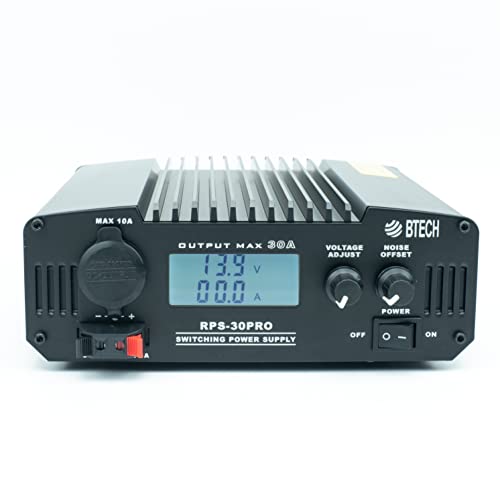
BTECH RPS-30PRO 30 Amp Regulated Universal Compact Bench Power Supply AC-to-DC Power Convertor

Pyramid Universal Compact Bench Power Supply 12 Amp Linear Regulated 12V Converter PS14KX.5

130PCS 1N4007 Rectifier Diodes 1A 1000V General Purpose Silicon Diodes
What Each Pick Brings To The Table
This BESTEK converter is the one I keep recommending to friends heading overseas with hair tools and small appliances. It steps 220V mains down to the 110V that US devices expect, so a curling iron or electric toothbrush stays safe in a French hotel room.
The unit ships with a European power cord plus Type-G, Type-A, and Type-I adapters, covering most regions a traveler is likely to hit. Compared to the BESTEK option below, this quieter version trades a little weight for noticeably less hum.
The Helpful Details
- Steps 220V down to 110V so US-spec appliances run safely abroad.
- 300W peak headroom handles short bursts from heated tools.
- USB-C 35W port charges modern laptops and phones three times faster than older 12W ports.
- Quieter operation suits bedside use in hotel rooms.
- Type-G, Type-A, and Type-I adapters cover most travel regions from a single kit.
Things To Consider
- Output is rated for lower continuous draw, so high-wattage hair dryers and irons are off the menu.
- Travelers may find the brick adds noticeable weight to a carry-on bag.
Built With In Mind
Vacationing travelers who bring along a US curling iron, electric shaver, or laptop and need a single brick that handles it all.
Skip It When
The BESTEK 220v to 110v Converter with USB C 35w, 300W AC Peak Voltage Converter US to Europe, Universal Travel Adapter below suits travelers who specifically want a fanless silent unit for shared hotel rooms.
This BESTEK travel converter leans into silence. It drops the cooling fan that used to keep traditional converters awake at night, so the brick stays quiet while a traveler is winding down.
The rated output is 200W continuous, which covers curling irons, straighteners, fans, cameras, electric toothbrushes, shavers, phones, laptops, and tablets. The kit includes a European power cord plus Type-G, Type-A, and Type-I adapters for broad regional coverage.
Strong Points
- Fanless operation means no buzzing near a sleeping traveler.
- USB-C PD 35W output tops up a modern laptop in a fraction of older 12W adapters.
- Three plug adapters in the kit cover most regions a casual traveler visits.
- Universal socket accepts two- and three-prong US plugs.
Worth Noting
- The 200W continuous ceiling rules out hair dryers, irons, coffee makers, kettles, juicers, and rice cookers.
- Without a fan, the brick can run warm during extended use, so leaving breathing room around it helps.
Feature Snapshot
Best Suited To
Road warriors and digital nomads who need a quiet, all-in-one brick for laptops and personal electronics in hotel rooms abroad.
A Better Fit Elsewhere
The MEAN WELL NDR-120-24 Single Output Industrial DIN Rail Power Supply fits an installer wiring 24V DC into a control cabinet, not a suitcase.
The MEAN WELL NDR-120-24 is built for the inside of an electrical cabinet, not a hotel room. It clips onto a standard DIN rail (a metal mounting strip common in industrial control boxes) and converts incoming AC mains into a regulated 24V DC output at up to 5 amps, or 120W.
That 24V level is the workhorse of automation gear, LED lighting runs, and sensor loops. Where the BESTEK travel converters step voltage down for personal electronics, this one delivers clean DC for industrial hardware.
Noteworthy Benefits
- Wide AC input range accepts 90 to 264VAC, so it handles anything from US to European mains.
- 120W output powers a string of 24V devices from a single supply.
- DIN rail mounting snaps into standard control cabinets.
- MEAN WELL is a long-established industrial brand, so spec sheets are easy to trust.
Trade Offs
- No enclosure or terminals are bundled, so wiring parts come from a separate order.
- Open-frame design means it should live inside a cabinet rather than on an open desk.
Quick Technical Notes
Right Fit For
Panel builders and automation technicians wiring 24V sensors, relays, or LED strips into a DIN rail enclosure.
Swap It Out When
The Pyramid Universal Compact Bench Power Supply 10 Amp is the better choice for a hobbyist who needs a 12V benchtop supply with screw terminals and a cigarette lighter jack.
This Pyramid bench supply is a familiar sight on ham radio workbenches. It pulls 115V AC from the wall and delivers a regulated 13.8V DC at 10 amps, the voltage most mobile radios expect to see.
Compared to the smaller PS9KX in this list, this 10A unit gives a useful bump in headroom for transceivers that pull real current on transmit. Screw terminals handle bare leads, and a cigarette lighter jack accepts automotive-style plugs.
Advantages To Know
- Linear regulated output keeps ripple low, which matters for clean radio transmissions.
- 10A continuous handles a 100W HF transceiver without flinching.
- Screw terminals plus cigarette plug cover both bench and mobile gear.
- 13.8V matches the nominal voltage of a running car electrical system.
Points To Keep In Mind
- Linear supplies run heavier and hotter than switching units, so bench ventilation matters.
- Fixed 13.8V output leaves no room for variable-voltage experiments.
Whose Shelf It Belongs On
Amateur radio operators running a base station or shop techs testing 12V gear who value clean, ripple-free DC over compact size.
Not Your Match When
The Jesverty SPS-50II fits a hobbyist who needs variable 9 to 15V output for non-radio experiments on the same bench.
The PS9KX is Pyramid’s long-running compact bench supply. It accepts 115V AC and puts out a regulated 13.8V DC at up to 5 amps, with 70W of total input capacity.
It’s the right size for a small workbench corner, where the 10A unit above might feel oversized. The trade-off shows up when a radio starts pulling heavier current on transmit, where headroom shrinks fast.
What Earns Its Place
- Compact housing slips into tight bench spots where larger supplies won’t fit.
- Linear regulation delivers smooth DC for sensitive receivers.
- Hardwired screw terminals and a cigarette plug handle two connection styles at once.
- Long-running production history means spare parts and documentation are easy to find.
Room For Improvement
- 5A continuous current caps the size of radio it can comfortably feed.
- Fixed 13.8V output means no flexibility for general 12V projects outside the radio context.
Who Should Grab It
Beginners setting up a first ham radio bench or apartment dwellers who want a compact 12V source for small radios and scanners.
Look Elsewhere When
The BTECH RPS-30PRO suits operators with sensitive receivers who need a noise offset adjustment that the PS9KX lacks.
The EDR-120-24 is MEAN WELL’s slimmer take on the DIN rail supply. It outputs 24V DC at 5 amps (120W), but in a narrower housing that fits where the NDR-120-24 above feels bulky.
Active power factor correction (a circuit that shapes the input current to match the mains voltage waveform) helps the unit play nicely with sensitive AC sources, and the universal AC input accepts a wide range of mains voltages.
What It Does Well
- Slim DIN rail housing frees up space inside cramped enclosures.
- Universal AC input covers virtually any mains supply worldwide.
- Built-in protections guard against short circuits, overloads, over-voltage, and over-temperature.
- 87.5% efficiency keeps wasted heat reasonable for continuous duty.
Honest Caveats
- Like the NDR above, this is an open-frame module without an enclosure or wiring kit bundled in.
- 100mV peak-to-peak ripple is higher than pure linear supplies, though still fine for most 24V loads.
Feature Rundown
Made For
Installers and small-system integrators who need a slim 24V DIN rail supply for tight panels or retrofit jobs.
Another Choice May Suit
The MEAN WELL NDR-120-24 above fits builders who need a wider housing with the same electrical output and slightly stronger surge handling.
The Jesverty SPS-50II steps things up considerably. It delivers up to 50 amps of regulated DC, with the output adjustable from 9V to 15V or locked at a fixed 13.8V. A built-in cooling fan keeps the internals comfortable under heavy load.
Where the Pyramid units above focus on radios, this one targets anyone running multiple devices, bench tests on motors, or 12V battery simulation. The variable output makes it useful beyond the radio context.
Notable Upsides
- 50A output handles large DC loads that smaller supplies cannot.
- Variable 9 to 15V output covers projects that need voltages other than 13.8V.
- Cooling fan extends runtime under sustained current draw.
- Large screw terminals accept thick gauge wire for high-current runs.
Potential Drawbacks
- The cooling fan adds audible noise, so quiet-room operators may notice it.
- Higher current capability comes with a heavier chassis and larger bench footprint than the Pyramid units.
Perfect Match For
Hobbyists running 12V battery simulations, automotive accessory testing, or multi-device bench setups that need serious current on demand.
Consider Something Else When
The BTECH RPS-30PRO fits operators who don’t need 50A but want cleaner reception on sensitive radios.
The RPS-30PRO from BTECH is a 30-amp regulated bench supply aimed squarely at the radio crowd. The output adjusts from 9V to 15V or locks at 13.8V, with a noise offset adjustment that shifts switching artifacts away from common receive frequencies.
That’s a thoughtful touch for ham and scanner users, who often deal with supply noise bleeding into their receivers. Compared to the Pyramid supplies above, this one trades some raw simplicity for that receiver-friendly feature set.
A Few Strong Suits
- Noise offset adjustment helps sensitive receivers stay clean.
- 9 to 15V variable range covers projects outside the radio world.
- 30A output handles multi-radio or higher-current bench setups.
- Snap-in terminals, screw terminals, and cigarette plug give flexible hookup.
Softer Spots
- Advanced features take a moment to learn for first-time bench-supply users.
- Owners commonly report the cooling fan running more often under heavy load.
Spec Overview
Who It Suits Best
Active amateur radio operators and scanner hobbyists who run multiple radios and care about clean reception more than absolute current capacity.
Reach For A Different Pick When
The Jesverty SPS-50II is the stronger choice for builders who need 50A for automotive or battery simulation work.
The PS14KX.5 rounds out Pyramid’s bench supply family at 12 amps. It converts 115V AC into 13.8V DC at 12A, with a 270W input budget and a built-in cooling fan for longer operating sessions.
That fan makes a real difference during contesting or extended transmit periods. The 12A capacity sits comfortably between the 10A PS15K.5 above and the 50A Jesverty unit, which keeps it relevant for mid-power stations.
What Helps Most
- 12A continuous output drives mid-power HF and VHF/UHF radios with headroom to spare.
- Cooling fan supports longer operating sessions without thermal throttling.
- Screw terminals and overload protection keep the bench tidy and the supply safe.
Where It Is Less Suited
- Linear design makes the chassis heavier than switching alternatives.
- Fixed 13.8V output means hobbyists chasing variable voltage should look at the BTECH or Jesverty instead.
Who Will Love This
Contesters and net operators running long sessions on mid-power radios who appreciate steady current without thermal worries.
Where A Sibling Pick Shines
The BTECH RPS-30PRO suits a station that runs multiple radios and wants adjustable output plus noise offset control.
This isn’t a converter in the finished-product sense, but a 1N4007 is the workhorse diode that makes a basic AC-to-DC conversion possible. The 130-piece pack from Mrdilla gives a hobbyist enough stock to build simple rectifier bridges, blocking circuits, or repair older power supplies.
Each diode handles 1 amp and blocks up to 1000V in reverse, which covers a wide range of low-power AC rectification jobs. Compared to the bench supplies above, this is the raw component a builder uses before any regulation happens.
Everyday Wins
- Bulk 130-piece count keeps a parts drawer stocked through many projects.
- 1A forward current and 1000V reverse rating cover most low-power rectifier designs.
- Glass passivated junction improves corrosion resistance and long-term reliability.
- Hard plastic organizer with labeled compartments helps a cluttered bench stay tidy.
Things That May Matter
- The 1N4007 is a general-purpose diode, not a fast-recovery type, so high-frequency switching circuits need a different part.
- Bulk packaging means sorting by spec matters if multiple diode types live in the same drawer.
Key Attributes
Right Fit For
DIY builders, students, and electronics tinkerers who want to assemble simple rectifier circuits or repair legacy AC adapters.
Not Your Match When
Anyone needing a finished plug-and-play converter should look back at the BESTEK travel units or the Pyramid bench supplies earlier in this list.
Factors That Matter Most Before Choosing An AC To DC Voltage Converter
Match the converter type to the job
Step-down travel adapters like the two BESTEK units at the top of this list are built for plugging US 110V appliances into 220V wall sockets abroad. Bench supplies from Pyramid, Jesverty, and BTECH convert AC mains into regulated 13.8V DC for radios, scanners, and test gear. DIN rail supplies from MEAN WELL deliver 24V DC for automation and industrial cabinets. Each type fills a different niche, so identifying the use case first saves time.
Read the wattage and current carefully
The headline number on a converter tells only part of the story. Continuous ratings matter more than peak ratings for heated appliances and radio transmitters. A 10A supply that lists 13.8V delivers roughly 138W, but losses and efficiency bring the usable figure lower. For travel converters, the 200W continuous ceiling on the BESTEK silent unit excludes hair dryers and irons, while the 300W peak on its sibling allows short bursts from curling tools.
Look at output quality
Linear regulated supplies like the Pyramid PS15K.5 and PS9KX deliver low ripple output, which matters for clean radio transmissions. Switching supplies run cooler and lighter but introduce switching noise, which is why the BTECH RPS-30PRO adds a noise offset adjustment for sensitive receivers.
Consider form factor and installation
DIN rail supplies belong inside electrical cabinets with proper wire terminations. Bench supplies sit on a workbench with screw terminals and cigarette jacks for quick hookups. Travel adapters need to fit a carry-on and survive suitcase abuse, so weight and ruggedness matter.
Plan for growth and accessories
Spare adapters, terminal kits, and ventilation room all factor into a happy setup. A 5A supply feels roomy for one handheld radio but tight when a second rig enters the bench, so sizing for the next project pays off.
Key Considerations Across These Picks
Pitfalls Shoppers Hit
A common misstep is buying a travel adapter expecting it to run a hair dryer or coffee maker. Most converters in this category cap continuous draw well below those appliances, so checking the rated watts before plugging in protects both gear and converter. Another trap is treating any “12V supply” as identical for bench work. Linear and switching designs behave differently for radios, and a cheap switching supply can introduce noise that ruins reception.
When Paying More Pays Off
Higher current bench supplies like the Jesverty SPS-50II cost more because they handle sustained loads without thermal throttling, which a smaller supply simply cannot match. Industrial DIN rail units carry a premium for built-in protections and worldwide input range, and those features matter when a supply lives inside a cabinet that nobody wants to open for repairs. For travelers, the upgrade from a basic adapter to a unit with a USB-C 35W port and quieter operation pays back every trip in faster charging and undisturbed sleep.
Frequently Asked Questions
What does an AC to DC voltage converter actually do?
It takes the alternating current that flows from a wall outlet and converts it into direct current that electronics can use. Travel adapters in this category step 220V down to 110V, while bench and DIN rail supplies convert AC mains into regulated DC at 12V, 13.8V, or 24V.
Can I run a hair dryer through a travel voltage converter?
Most travel converters in this list cap continuous draw well below the 1500W or so a hair dryer needs. The BESTEK silent version explicitly excludes hair dryers, irons, coffee makers, kettles, juicers, and rice cookers, so dedicated high-wattage appliances call for a different solution.
Why is 13.8V so common on bench supplies?
Mobile radios are designed to run from a car battery, which sits around 13.8V while the engine runs. A bench supply that mimics that voltage lets an operator test gear on the workbench under realistic conditions without a car battery nearby.
Do linear and switching supplies sound different on a radio?
Linear supplies produce very little switching noise, so receivers stay clean. Switching supplies run more efficiently but can inject noise into nearby receivers, which is why the BTECH RPS-30PRO adds a noise offset adjustment for that specific problem.
How do I pick between a DIN rail and a bench supply?
DIN rail supplies install permanently inside an electrical cabinet, while bench supplies sit on a workbench with accessible terminals. Cabinet builders, automation technicians, and industrial users lean toward DIN rail. Hobbyists, radio operators, and repair techs lean toward bench supplies.
Final Verdict
The right converter comes down to the job at hand. Travelers packing US-spec personal electronics should start with the BESTEK travel adapters, choosing the quieter version for shared hotel rooms. Ham radio operators and bench techs get the cleanest reception from the linear Pyramid units, while multi-radio stations benefit from the BTECH RPS-30PRO’s noise controls. Industrial builders wiring 24V gear into cabinets belong with the MEAN WELL DIN rail supplies. Match the converter to the load, check the continuous ratings, and the rest falls into place.
