

A bench power supply quietly runs a hobby lab, a workbench, or an LED remodel, and choosing the wrong one shows up fast in flickering lights, drooping radio transmissions, or a fried project. I’ve put together this list for makers, radio operators, and home installers who want dependable AC to DC conversion without wading through spec sheets. These are the kinds of units I’d recommend to a friend setting up a garage shop or a kitchen under-cabinet retrofit.
The Essentials At A Glance

EMITEVER 96W 24V Triac Dimmable LED Driver

Pyramid PS15K.5 10A Bench Power Supply

Pyramid PS9KX 5A Bench Power Supply

Jesverty SPS-50II 50A Bench Power Supply
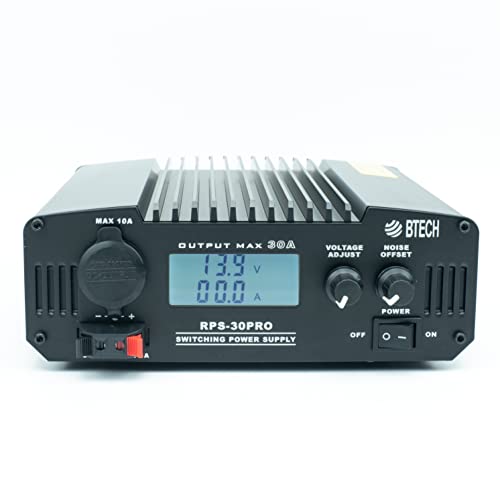
BTECH RPS-30PRO 30A Bench Power Supply

EMITEVER 80W 24V Triac Dimmable LED Driver

EMITEVER 2-Pack 80W 24V Triac Dimmable LED Driver

Pyramid PS14KX.5 12A Bench Power Supply

EMITEVER 120W 24V Triac Dimmable LED Driver

Mean Well MDR-20-5 DIN-Rail Power Supply
Taking A Closer Look At The Options
This unit slots into a 120V wall circuit and hands you a clean 24V DC rail for LED strips, pucks, and under-cabinet bars. Triac dimming (the same phase-cut standard used by household wall dimmers) means it plays nicely with Lutron, Leviton, Legrand, and Cooper controls, so a kitchen retrofit can use the switches already on the wall.
At 96 watts, it sits in a comfortable middle ground for a medium room’s worth of accent lighting. Owners commonly run it hidden above a cabinet or behind a valence with ventilation clearance, and the fully enclosed plastic housing helps keep dust off the internal electronics.
The Value In It
- Smooth 0–100% dimming curve without visible flicker
- Broad compatibility with major wall dimmer brands
- Fully enclosed housing protects the internals from kitchen dust and splashes
- Handles a full strip run in a medium-sized living space without straining
Things To Consider
- Plastic case means giving it breathing room in tight enclosures
- Hardwired input may need an electrician for some installations
Who It Suits Best
DIYers retrofitting a kitchen, bar, or display shelf with 24V LED strips and an existing wall dimmer.
Look Elsewhere When
You only need a single short LED run, in which case the smaller EMITEVER 80W driver may be a smarter match.
This Pyramid bench unit converts wall AC into a regulated 13.8V DC feed at up to 10 amps, which mirrors the voltage a vehicle’s charging system typically produces. That’s the sweet spot for ham radio, CB gear, and scanners, which expect automotive-style power rather than a fixed 12V drop.
The linear regulated design (as opposed to switching) keeps electrical noise low, which matters for clean radio reception and sensitive test work. Screw terminals on the back and a cigarette lighter socket on the front cover most bench hookups without extra adapters.
A Favorable Mix
- Low-noise output suits HF radio and audio experimentation
- Front cigarette socket handles quick mobile-radio hookups
- Hardwired screw terminals keep high-current wiring solid
- Compact bench footprint leaves room for test gear alongside it
Worth Noting
- Linear design runs warm at full load, so plan ventilation
- No adjustable voltage range, only fixed 13.8V
- Heavier than switching supplies of similar wattage
Made For
Ham operators, CB users, and home technicians testing 12V DC gear that demands clean power.
Where Another Pick Suits Better
Anyone needing adjustable output should look at the BTECH RPS-30PRO instead, which adds a 9–15V range.
The PS9KX brings the same regulated 13.8V DC output as its bigger Pyramid siblings, trimmed to 5 amps and 70 watts of input capacity. For a single bench radio or a small repair project, that’s plenty of headroom without paying for power you’ll never draw.
The form factor is straightforward, with screw terminals in the rear and a cigarette plug up front for automotive-style gadgets. It feels like a traditional home-lab piece, simple to wire up and forgiving for a first-time user.
Everyday Advantages
- Gentle price point for entry-level bench setups
- Linear regulation keeps ripple low for radio work
- Cigarette socket accepts standard 12V mobile plugs
Trade Offs
- 5A ceiling means power-hungry mobile amps will clip
- No fan, so sustained high loads can push the chassis warm
- Hardwired screw terminals require basic comfort with mains wiring
Best Suited To
Beginners assembling a small hobby bench with one radio or scanner as the main load.
Consider Something Else When
Your projects draw over five amps, where the Pyramid PS14KX.5 offers more breathing room.
The Jesverty SPS-50II is a workhorse for anyone bench-testing high-draw 12V gear like car audio amplifiers, subwoofers, or large mobile radios. With a 50-amp output and continuously adjustable 9V to 15V range, it handles equipment that would starve smaller supplies like the PS9KX reviewed earlier.
A built-in cooling fan keeps the internals from throttling under sustained draw, and the noise-offset circuit shifts switching whine outside the sensitive bands. Screw-type main terminals are sized to accept heavy gauge wire for serious current flow.
Advantages To Know
- 50A capacity covers subwoofer amp bench testing
- Adjustable 9–15V range suits varied DC equipment
- Cooling fan keeps temperatures in check under load
- Auxiliary terminals allow smaller hookups alongside the main feed
Room For Improvement
- Switching topology introduces some noise compared to linear designs
- Larger chassis takes up meaningful bench real estate
- Heavier gauge wiring may be needed to fully exploit the rating
Whose Shelf It Belongs On
Mobile audio installers, hobbyists running car subwoofers on the bench, and amateur radio operators with high-power amplifiers.
A Better Fit Elsewhere
Quiet radio-only benches may be happier with the Pyramid PS15K.5, which uses linear regulation and runs cleaner.
BTECH built the RPS-30PRO with versatility in mind. Output runs from 9 to 15 volts adjustable, or locked at 13.8V, and the front panel gives you cigarette, screw, and snap-in terminals. That mix means a single bench unit can feed a radio, a mobile accessory, and a quick-detach project lead at the same time.
The noise offset adjustment is the feature that tends to win over HF operators, since it lets you nudge switching noise off the frequencies you’re trying to receive. At 30 amps it splits the difference between smaller Pyramid units and the Jesverty reviewed above.
Useful Highlights
- Triple terminal layout covers most bench hookup styles
- Noise offset adjustment improves weak-signal radio reception
- 30A ceiling handles mid-size mobile audio gear
- Switchable fixed or variable voltage for quick bench swaps
Points To Note
- Cooling fan kicks on audibly under sustained high load
- More features translate to a steeper price than 5A starters
The Right Fit
Multi-device benches running GMRS, LMR, ham, or scanner radios alongside varied 12V test loads.
Skip It When
You only need a basic 13.8V feed for a single radio, where the Pyramid PS15K.5 is simpler and quieter.
This is the 80-watt sibling to the 96W EMITEVER at the top of the list. Same Triac dimming compatibility and same flicker-free output, just sized for shorter LED runs where a full-power driver would be wasted overhead.
It shines in tight installations like a single stretch of under-cabinet lighting or a vanity mirror backlight, where the lower wattage keeps the unit slimmer and easier to tuck away. Compared to the bigger 96W version, it asks for less mounting space and less thermal headroom.
Practical Pluses
- Smaller footprint fits shallow cabinet interiors
- Works with the same major-brand wall dimmers as the 96W model
- Full-protection housing reduces short and overload risk
Honest Caveats
- 80W ceiling limits longer strip runs to a single room zone
- Hardwired connection still calls for basic wiring skill
Who Should Grab It
Installers lighting a single kitchen run, vanity, or shelf and wanting a slim driver to match.
Reach For A Different Pick When
Whole-room coverage is the goal, in which case the EMITEVER 120W version steps in.
Buying two 80W drivers at once solves a common remodel problem: you want dimmable LED lighting in two separate zones, each on its own switch. Two independent units mean two independent dimmers, which gives more flexibility than one oversized supply splitting its load.
Same Triac compatibility and flicker-free dimming as the single-unit 80W driver reviewed above. The pair format works well for kitchen plus dining room, or primary bath plus powder room.
The Case For It
- Two zones on independent dimmers from the start
- Matches the single-driver’s wall-dimmer compatibility list
- Useful when running wire between rooms would be impractical
Less Ideal Details
- Two housings to mount and ventilate instead of one
- Dimmer count doubles, so more switches to plan for
Built With In Mind
Multi-room retrofits where independent dimming in each space matters more than a single tidy install.
Not Your Match When
Just one zone needs lighting, in which case a single EMITEVER 96W or 120W driver is the cleaner choice.
The PS14KX.5 slots between Pyramid’s 10A and the heavy-duty 30A units, delivering 12 amps of regulated 13.8V DC for mid-sized bench loads. The cooling fan is a thoughtful addition, keeping the linear internals from getting stressed during longer test sessions.
Screw terminals in back keep wiring solid, and the linear design is the same low-noise topology that ham and CB operators tend to prefer. It’s a step up from the PS9KX reviewed earlier without the cost or noise profile of the bigger switching supplies.
A Few Highlights
- Linear regulation produces clean output for radio work
- Cooling fan extends run time at higher amperages
- 270W input ceiling handles multi-radio bench setups
Practical Considerations
- Heavier chassis weight than smaller Pyramid models
- Fan noise may be noticeable in a quiet room
Perfect Match For
Intermediate radio operators stepping beyond a 5A starter toward more bench-driven current.
Swap It Out When
Variable voltage matters more than clean linear output, where the BTECH RPS-30PRO covers that need.
At 120 watts, this is the EMITEVER line’s top-tier single-driver option, sized for whole-room accent installations or longer continuous LED strip runs. Compared to the 96W version reviewed first, it gives installers the headroom to wrap a larger living space without splitting zones.
Same Triac dimming ecosystem, same flicker-free output, same plastic enclosure with built-in protection circuitry. Owners commonly tuck it above ceiling tiles or behind crown molding, depending on the project’s accessibility.
Strong Points
- Drives longer LED strip runs from a single supply
- Same broad wall-dimmer compatibility as smaller siblings
- Protection circuitry adds peace of mind in ceiling voids
- Stable output supports smooth dimming without buzzing
Some Limits To Know
- Larger housing needs planning for discrete mounting
- Single driver means one dimmer controls the whole run
The Right Fit
Open-plan living spaces, retail displays, or basements where one large continuous run beats several small drivers.
Where A Sibling Pick Shines
Independent dimming per room would be smarter with the EMITEVER 2-Pack 80W setup.
The Mean Well MDR-20-5 is a different animal from the rest of the list. It’s a DIN-rail mounted switching supply (a standardized metal rail used inside industrial control panels), outputting 5V DC at 3 amps. That makes it the right fit for industrial controls, 5V microcontroller projects, and signal-side electronics, not 12V automotive gear.
The slim housing snaps onto a standard DIN rail alongside breakers and relays, keeping an enclosure tidy. Universal AC input and full safety protections make it a go-to for automation panels.
What Stands Out
- Industrial-grade Mean Well reliability in a compact footprint
- DIN-rail snap-on design cleans up control panel layouts
- 5V output suits Arduino, Raspberry Pi, and sensor projects
- Short-circuit, overload, and overvoltage protection built in
Points To Keep In Mind
- 15W ceiling rules out higher-current 12V applications
- Requires a DIN rail enclosure, not a free-standing bench spot
Built With In Mind
Makers and panel builders running low-voltage control logic, sensors, or single-board computers.
Another Choice May Suit
Bench radio and 12V hobby work is better served by the Pyramid PS15K.5 or BTECH RPS-30PRO.
What To Weigh Before Choosing An AC To DC Power Supply
The right power supply starts with where you’ll use it. LED strip projects call for drivers that match the strip’s voltage (24V in most EMITEVER units reviewed above) and the dimmer standard on the wall. Bench work for radios, mobile audio, and repair setups calls for a regulated 13.8V DC rail (the voltage that mimics a running car electrical system) at enough amperage to handle peak draw without voltage sag.
Wattage is the headline number, but real-world headroom matters more than the spec sheet implies. A 10A bench supply driving a 9A amp at full song is running near its limit, leaving no slack for transient spikes. Matching the supply’s continuous rating to roughly 80% of your expected load keeps components cool and extends service life.
For LED lighting, watch the dimmer standard as carefully as the wattage. Triac dimming (a phase-cut signal common in household dimmer switches) only works with drivers that speak the same language, and a mismatch shows up as flicker, audible buzz, or a dimmer that drops out at the low end.
Finally, think about installation footprint. DIN-rail units like the Mean Well MDR-20-5 belong in a control panel, not on a workbench. A free-standing bench supply should have ventilation clearance and accessible terminals for the wiring you’ll actually use.
Picking The Right Match For Your Setup
Mistakes Worth Dodging
A common slip is matching wattage to LED strip length without checking the dimmer protocol, which leads to flicker once everything’s wired up. Another is grabbing a small bench supply for a subwoofer amp bench test, only to see voltage sag when the amp clips hard. Always check the continuous current rating against peak load, and confirm the dimming standard before buying an LED driver.
Where The Extra Money Goes
Higher-tier supplies earn their cost in regulation accuracy, lower electrical noise, and protection circuitry. Linear regulated units run cleaner for sensitive radio work, while switching supplies trade a bit of noise for compact size and higher efficiency. For LED drivers, paying more typically buys smoother dimming curves and built-in surge protection that cheaper housings leave out.
Frequently Asked Questions
What Is An AC To DC Power Supply?
An AC to DC power supply converts the alternating current from a wall outlet into direct current that electronics actually run on. LED drivers, bench supplies, and DIN-rail modules all do this job in different form factors.
Can I Use Any Power Supply For LED Strips?
No, LED strips need a driver matched to their voltage and dimming protocol. Using the wrong type shows up as flicker, dimmer incompatibility, or shortened strip life.
Why Do Bench Supplies Use 13.8 Volts Instead Of 12 Volts?
Thirteen point eight volts mirrors a running car’s electrical system, which is what mobile radios and automotive gear expect to see. The slight boost compensates for voltage drop under load.
How Many Amps Do I Need For A CB Or Ham Radio?
Most single mobile radios draw 5 to 15 amps on transmit, so a 10 to 15 amp supply covers typical setups. Higher-power amplifiers may need 30 amps or more for clean headroom.
Do Switching Power Supplies Make Electrical Noise?
Switching supplies (units that chop the input signal at high frequency to step voltage down efficiently) can produce high-frequency noise that interferes with sensitive radio reception. Linear supplies run cleaner but are larger and heavier. Noise-offset features on some switching units help push that interference outside reception bands.
Final Verdict
The right pick depends entirely on the job. For LED retrofits, the EMITEVER line covers everything from a single vanity strip to a whole living-room run. For radio benches, the Pyramid units deliver clean linear power, while the Jesverty and BTECH supplies handle higher-current and more flexible hookups. Control-panel builders will find the Mean Well DIN-rail unit a tidy, dependable fit. Match the supply to your actual load and dimming standard, and the rest falls into place.
