

A dead battery on a cold morning is a familiar headache for anyone with a truck, boat, RV, or off-grid solar setup. I put together this roundup to help you sort through seven solid 6 gauge battery cable options, from raw marine-grade wire you can cut to length, to pre-terminated jumper leads you can stash in the trunk. Each pick handles a different job, so the right match depends on where and how you’ll use it.
A Closer Look At The Lineup

CONEPY 6 Gauge Marine Wire Duplex Marine Grade Cable 50FT

End Game 6 Gauge Marine Grade Battery Cables 6ft Red

SELTERM 25pcs 6 AWG 5/16″ Heavy Duty Copper Battery Lugs

TUELETFU 6 AWG Battery Cables with 5/16″ Lugs 1FT 2-Pack

TUELETFU 6 AWG Battery Cables with 5/16″ Lugs 3FT 2-Pack

TUELETFU 6 AWG Battery Cables with 5/16″ Lugs 4FT 2-Pack
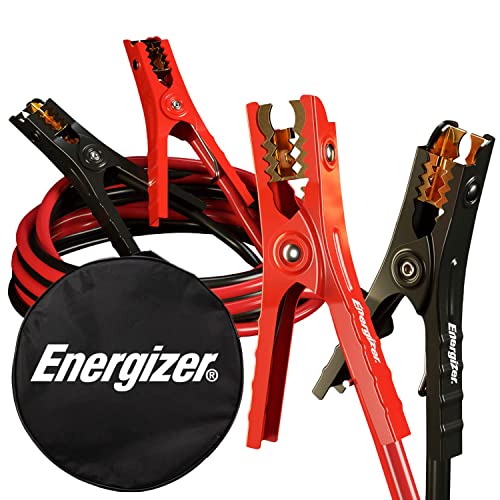
Energizer 16-Feet 6-Gauge Jumper Cables with Carry Bag
The Picks, Examined More Closely
Raw spool wire is the right call whenever you need a custom run, and the CONEPY 50-foot duplex marine wire is built for harsh, wet environments. Each conductor is oxygen-free tinned copper, meaning the strands are coated in a thin layer of tin that fights corrosion from salt spray and humidity, with 188 strands of 0.3 mm wire inside every conductor. The thick PVC jacket wraps both conductors side by side, so you can run positive and negative together through chases without crossing wires later. I find this style especially useful for boat owners rewiring a console or anyone extending a solar array across a roof or deck.
Unlike the pre-terminated picks later in this roundup, this is a spool that asks you to cut, strip, and crimp your own ends. That tradeoff buys you flexibility on length and routing, but it also means you’ll need lugs and a crimper on hand. For most backyard DIYers, the work is straightforward once you measure twice.
Practical Advantages
- Duplex format carries both conductors in one jacket, tidying routing through tight bilge spaces.
- Oxygen-free tinned copper resists corrosion far better than bare copper in saltwater setups.
- 50-foot length gives you room to cut several shorter runs from a single spool, useful for multi-circuit projects.
- PVC jacket stays flexible in cold weather, which helps when running cable through cold engine compartments.
Things To Consider
- No terminals included, so plan to buy lugs and a proper crimping tool separately.
- Spooled wire needs careful storage to avoid kinks if you only use part of it.
At A Glance
Who Should Grab It
Boat owners, solar hobbyists, and DIYers who want a custom-fit run with marine-grade ratings.
Consider Something Else When
You need a finished, plug-and-play lead, in which case the pre-made TUELETFU cables below save the tool work.
When you want a battery cable that arrives ready to bolt on, this assembled 6-foot red lead from End Game earns its place on the workbench. The cable is built around tinned copper conductors with heavy-duty sealed lugs, and the listing notes USCG approval along with ABYC compliance, both of which matter if a marine surveyor ever inspects your install. I see this style fitting anyone replacing a corroded starter cable, adding a second battery, or routing power from a battery switch to a distribution block. The 5/16″ lug on this listing matches most automotive and marine battery posts, though the brand also offers 3/8″ versions if your hardware is larger.
Compared to the CONEPY spool above, you give up the freedom to cut any length, but you gain a finished, sealed termination that resists fuel and oil exposure. For most weekend projects, that’s a fair trade.
Standout Benefits
- Sealed tinned lugs keep moisture out of the copper-to-crimp joint, a common failure point on older boats.
- PVC insulation resists oil and fuel, useful in engine rooms where drips are common.
- USCG and ABYC ratings simplify insurance paperwork for documented vessels.
- 6-foot length fits the typical run from a battery box to a switch or starter on small-to-mid boats.
Honest Caveats
- Fixed length means you measure carefully before ordering; trimming an assembled cable isn’t ideal.
- Only one cable per order, which can feel thin if you need both positive and negative runs.
Made For
Boat owners and installers who want a marine-rated, ready-to-bolt cable without doing the crimp work themselves.
Look Elsewhere When
You’re running a much longer distance or doing a parallel battery bank, where the spooled CONEPY wire gives you more reach for less money.
The SELTERM pack is the supporting cast member of any custom cable build: 25 heavy-duty tinned copper lugs sized for 6 AWG wire with a 5/16″ stud hole. That wide pad gives your crimper more surface area to bite into, which translates to stronger, lower-resistance connections, especially important under the high inrush current a starter pulls. I keep a tin of these on the bench because every project seems to need a few extra, and buying by the bag is far cheaper per lug than picking up singles at the auto parts store. If you build or repair cables as a hobby, the math works out quickly.
Compared to the pre-made TUELETFU cables further down, these require a hex crimper and a bit of muscle, but they let you swap lug sizes or replace a corroded terminal without scrapping the whole run.
The Good Stuff
- 25 lugs per pack cover several projects or leave room for do-overs on tricky crimps.
- 5/16″ stud fits the majority of automotive, marine, and RV battery posts and disconnect switches.
- Tinned copper resists corrosion far longer than bare copper once installed in a damp engine bay.
- OEM-style design carries wider pads for better clamping and lower resistance at the joint.
Trade Offs
- Requires a proper hex crimper; pliers and hammer-style tools produce weak joints.
- Bulk pack only suits one stud size, so projects needing 3/8″ or 1/4″ lugs need a separate order.
Right Fit For
DIYers building custom battery cables, replacing corroded terminals, or maintaining a small fleet of vehicles.
A Better Fit Elsewhere
Casual users who only need one quick replacement should consider the pre-made TUELETFU 1-foot pair to skip the tool work entirely.
The shortest option in the TUELETFU line, this 1-foot pair is the right answer when the components sit almost on top of each other. Think of a fuse block mounted right next to a battery, or a small inverter tucked under a seat. The 2 mm thick tinned copper lugs handle the 5/16″ hole on most battery switches and disconnect hardware, and the working temperature range runs from -45°C to +105°C, which covers nearly any climate a road or marine vehicle faces. I find a pair like this lives permanently in my toolbox for quick swap-outs.
Where the End Game lead above handles a long marine run, this one is built for the inch-perfect jump inside an engine bay. Just measure first; an inch too short can be a real headache.
Noteworthy Benefits
- 1-foot length fits where longer cables would coil, bunch up, or rub against moving parts.
- Two cables per pack cover positive and negative on a typical accessory install.
- 5/16″ tinned lugs accept standard battery bolts and most disconnect switches.
- Wide working temperature range handles everything from cold winters to hot engine bays.
Worth Noting
- Too short for any run where components sit more than a foot apart.
- 5/16″ hole won’t fit larger 3/8″ hardware without reworking the lug.
Best Suited To
Garage tinkerers adding a fuse block, second accessory circuit, or compact inverter next to a battery.
Reach For A Different Pick When
Your batteries and accessories sit farther apart, in which case the 3-foot or 4-foot TUELETFU options below offer the same convenience with more reach.
Three feet is the sweet spot for a lot of mid-size installs, and this TUELETFU pair delivers it without forcing you to coil excess cable behind a battery box. The 5/16″ tinned copper ring terminals solder cleanly and resist corrosion once bolted down, and the same -45°C to +105°C range as the other TUELETFU cables applies here. In real-world terms, this length covers the typical run from a battery in a stern compartment to an inverter near a helm, or from an RV house battery to a fuse panel mounted a few feet away.
Versus the 1-foot pair above, you trade a little flexibility for the breathing room most non-trivial installs need.
A Strong Showing
- 3-foot length covers most mid-distance battery-to-accessory runs in boats, RVs, and cars.
- Two-pack handles positive and negative in one order, simplifying your shopping list.
- Tinned copper accepts a soldered connection if you prefer soldering over crimping.
- Flexible insulation bends around corners without cracking the jacket.
Small Caveats
- Stud hole is sized for 5/16″ hardware; verify your battery bolts before ordering.
- Lugs are not sealed the way the End Game marine cable is, so a dab of dielectric grease helps in wet installs.
Who It Suits Best
RV owners, boaters, and solar users wiring a mid-range battery bank to a nearby inverter or fuse panel.
Where Another Pick Suits Better
Installers running multiple feet between battery and equipment may prefer the 4-foot TUELETFU option to skip splicing.
The longest of the pre-made TUELETFU leads, this 4-foot pair reaches across wider battery compartments, dual-battery setups, and inverters mounted at the back of a vehicle. Like its siblings, it uses 6 AWG wire with 5/16″ tinned copper lugs on both ends, and the temperature rating covers harsh under-hood and bilge environments. I lean toward 4-foot cables for any install where you anticipate adding equipment later, since you can always coil a little excess neatly out of the way. You can’t add length to a too-short cable without splicing.
If your install is tight, the 3-foot version above is the cleaner pick, since coiled excess cable can trap heat near high-current devices.
Real Benefits
- 4-foot length handles spread-out battery banks and rear-mounted inverters.
- Two-pack matches the typical positive/negative pair in one purchase.
- Tinned copper ring terminals support either crimping or soldering.
- Flexible jacket routes around corners in engine bays and battery trays.
Points To Keep In Mind
- Excess length in a tight engine bay can chafe if not secured with cable ties or clamps.
- Stud hole is 5/16″ only, so check your hardware before ordering.
Perfect Match For
Boat and RV owners running power to a stern or rear-mounted inverter from a forward battery compartment.
Swap It Out When
You need a custom length beyond 4 feet, where the CONEPY spool and SELTERM lug combo lets you dial in exact dimensions.
Jumper cables live a different life than permanent battery wiring: they’re emergency gear, dragged out of a trunk when something won’t start. The Energizer 16-foot, 6-gauge set is the kind of tool most drivers forget about until they really need it. The thick vinyl coating resists rust and corrosion between uses, and the included carrying bag keeps the clamps from snagging other cargo in your trunk or cargo area. At this gauge, you’re covered for full-size cars, mid-size sedans, and most SUVs, though heavy-duty trucks may want thicker 4-gauge for very cold starts.
Compared to the permanent-mount picks above, these are about portability and convenience rather than long-term electrical performance. Owners often store them for years between uses.
A Few Highlights
- 16-foot reach connects batteries even when vehicles can’t park nose-to-nose.
- 6-gauge wire handles most passenger vehicles and crossovers in mild weather.
- Spring-loaded clamps with comfortable grips make placement on side-terminal batteries easier.
- Carry bag keeps the trunk tidy and the cables tangle-free between uses.
Where It May Fall Short
- 6 gauge can be marginal for large V8 trucks or diesel engines in very cold conditions.
- Clamp reach may struggle on some recessed side-terminal batteries without careful positioning.
Whose Shelf It Belongs On
Everyday drivers who want a set-and-forget emergency tool in the trunk for dead-battery surprises.
Not Your Match When
You’re outfitting a permanent electrical system, since the TUELETFU pre-made leads and End Game marine cable are designed to be bolted down, not packed away.
Picking The Right 6 Gauge Battery Cable For Your Setup
Match The Cable To The Current It Carries
Six gauge wire is a versatile middle ground, handling roughly 55 to 75 amps continuously depending on insulation and length. For most car starters, mid-size inverters, and boat accessory circuits, it sits in the sweet spot between flexibility and capacity. Anything heavier, like a large inverter drawing over 100 amps at peak, may push you toward 4 gauge for safety margin. Match your cable to the highest current your device will pull, not just average draw, since starter motors spike sharply at engagement.
Watch The Lug Size And Stud Compatibility
Lug stud size (the hole that bolts onto the battery post) matters more than most shoppers expect. The most common sizes are 5/16″ and 3/8″, and mixing them means either drilling out the lug or returning the cable. Before you order, check the bolts on your battery posts, disconnect switches, and starter terminals. A mismatch turns a 10-minute job into an afternoon at the hardware store.
Choose The Right Insulation For The Environment
PVC jackets handle most garages and engine bays well, but marine environments reward tinned copper conductors and thicker insulation. Salt spray attacks bare copper over time, so boats and coastal setups benefit from marine-rated wire like the CONEPY spool or the End Game assembled lead. For dry, indoor solar banks, a basic PVC-jacketed cable often does the job for years.
Think About Length Versus Voltage Drop
Longer cables mean more resistance, which translates to voltage drop, the slow loss of power across a run. For runs over 10 feet, you may want to step up to 4 gauge to keep efficiency high. Keep the run as short as practical, route cables away from heat sources, and secure them so vibration doesn’t chafe the jacket over time.
Key Considerations Across These Picks
Common Shopping Slip Ups
The biggest mistake is matching the gauge to the device rather than the current draw. A 1000-watt inverter can pull over 80 amps, and pushing that through 6 gauge for more than a few feet risks voltage drop and heat buildup. Measure first, order second.
What The Higher Tier Buys
Marine-rated and tinned-copper cables cost more because the materials and sealed terminations resist corrosion far longer than bare copper. If your install lives near salt water, in a damp bilge, or in any environment where condensation is constant, that upgrade pays for itself in fewer replacements and steadier connections over the years.
Frequently Asked Questions
What does 6 gauge mean for battery cables?
Six gauge refers to the American Wire Gauge cross-section, which works out to about 13.26 mm² of copper, a versatile size that handles the typical current of car starters, mid-size inverters, and many marine accessory circuits.
Can 6 gauge battery cables handle a 1000-watt inverter?
A 1000-watt inverter at 12 volts pulls around 85 amps at peak, which sits near the upper limit for short 6 gauge runs. For longer distances, stepping up to 4 gauge is the safer choice to reduce voltage drop and heat.
How long do marine battery cables usually last?
Marine-rated tinned copper cables often last many years in saltwater environments, but lifespan depends heavily on exposure, charging cycles, and how well the terminations are sealed against moisture.
Are lugs included with pre-made battery cables?
Most pre-made cables like the TUELETFU and End Game options arrive with lugs already crimped on, while raw spools like the CONEPY wire require you to buy and attach your own lugs separately.
What’s the difference between jumper cables and battery cables?
Jumper cables are temporary emergency leads with clamps, designed for jump-starting a dead battery. Battery cables are permanent, bolt-on leads that connect batteries to switches, starters, or inverters in a fixed electrical system.
Final Verdict
Choosing the right 6 gauge battery cable comes down to where it will live and how permanent the install is. Pre-made leads work for most weekend projects, marine-rated assemblies give boaters peace of mind, and raw spools with a bag of lugs cover any custom run you can dream up. Pick the format that matches your project, and your electrical system will thank you for years to come.
