

I keep running into situations where a single 5V cell or pack quietly powers something important: a heated vest on a cold trail, a homemade electronics project, a kid’s toy, or a bedside clock that just died. The trick is matching the right battery shape and capacity to the job without overthinking it. I put this roundup together to make those choices less guesswork and more straightforward.
A Side-By-Side Look

Glaais 5V 7.4V 18400mAh Heated Vest Battery Pack with LED

AA Battery Holder 3-Pack with Switch and Leads
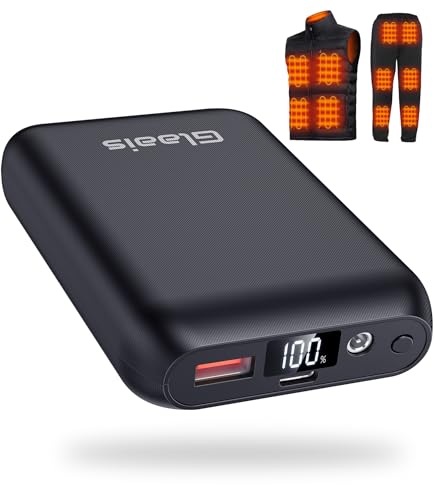
Glaais 5V 7.4V 16000mAh Heated Vest Battery Pack with LED

Glaais 20000mAh 7.4V 5V Heated Vest Battery Pack
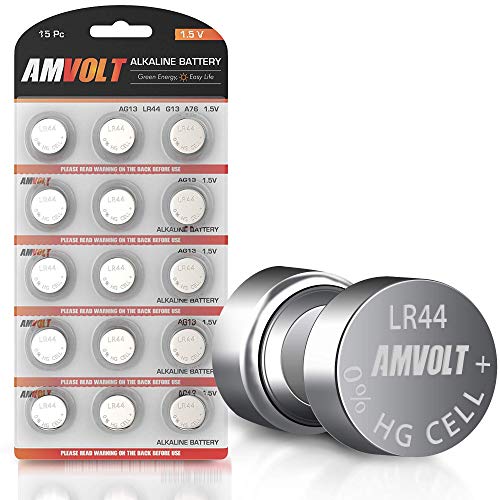
AmVolt LR44 Alkaline Button Batteries 15-Pack

USB Wall Charger 5V 1A Compact Charging Block
A Deeper Look At The Lineup
This pack is the kind of battery I think about when a full workday outside is on the schedule. It’s a rechargeable 5V/7.4V unit with a stated 18400mAh reserve, designed specifically for heated jackets, vests, and pants. The output side covers USB, Type-C, and a dedicated 7.4V DC port, so it doubles as a phone top-up when you’re between tasks.
An onboard LED readout tells you roughly where the charge sits, which matters more than people expect when the temperature drops and you’re not sure how much warmth is left. It is compatible with ORORO-style heated clothing and most other 7.4V apparel on the market, which makes it a flexible spare for households that already own a heated layer.
What Helps Most
- The 7.4V DC port runs most mainstream heated vests and jackets without needing a separate adapter.
- The 18400mAh reserve is on the higher end for heated-apparel packs, so owners can expect longer sessions between charges.
- USB and Type-C outputs turn the pack into a general-purpose power bank during breaks.
- The LED indicator gives a quick visual check on remaining charge before stepping outside.
Things To Consider
- It’s noticeably heavier than the 16000mAh Glaais unit below, which you’ll feel in a vest pocket over a long day.
- The pack is built around 7.4V heated clothing, so 12V systems are out of reach.
- Like most lithium packs, owners commonly report that cold storage reduces usable runtime, so keeping it warm between uses helps.
Built With In Mind
Anyone who spends long hours outdoors in a heated vest or jacket, from job-site crews to winter hikers, and wants one pack that can also charge a phone on the side.
Consider Something Else When
Pick the AmVolt LR44 button cells instead for watches, small electronics, or anything coin-cell powered, since this pack is built for larger heated-apparel loads.
This is one of those small parts that ends up on every workbench once you start tinkering. It’s a two-pack of 3-AA holders, each delivering 4.5V total from three 1.5V cells in series. The built-in On/Off switch and pre-attached leads mean you can drop it straight into a project without adding a separate toggle.
The included hook-and-loop strip lets you stick the holder to the inside of an enclosure or the back of a project box. The compact footprint (around 2.64 x 1.9 x 0.67 inches per holder) makes it a tidy stand-in for a coin cell or a bulky battery clip when you need a little more capacity.
Practical Pluses
- The integrated switch removes the need to wire one separately, a real time-saver on quick builds.
- Three AAs in series deliver a stable 4.5V that works for many hobby circuits and Arduino-style projects.
- The hook-and-loop backing makes it easy to mount, remove, or relocate inside a project enclosure.
- Having two holders in the pack means you can build one project while keeping a spare ready.
Honest Caveats
- It’s a holder, not a charger, so you supply your own AA cells.
- Open holders don’t seal out dust or moisture, so you’ll want to keep finished projects away from the elements.
Whose Shelf It Belongs On
Hobbyists, students, and repair-minded folks who want a tidy, switchable 4.5V source for low-voltage projects and prototypes.
Look Elsewhere When
Reach for the AmVolt LR44 cells if you only need a coin-cell replacement, since this holder is for AA cells in a wired project context.
This is the more pocket-friendly cousin of the 18400mAh Glaais pack above. It still runs heated vests and jackets at 7.4V while pulling double duty as a 5V USB power bank, but the slimmer reserve makes it easier to forget in a coat pocket. The DC barrel is compatible with 3.5mm, 3.8mm, and 4.0mm plugs, so it plays nicely with a wider range of heated apparel brands.
An LED display gives a percentage-style read on remaining charge. For commuters, dog walkers, and weekend sports spectators, that level of feedback helps avoid surprise shut-offs in the middle of a chilly morning.
Well-Handled Touches
- The 16000mAh capacity strikes a middle ground between weight and runtime for shorter outings.
- Multi-plug DC compatibility makes it a flexible spare for heated apparel beyond a single brand.
- The LED screen reads clearly at a glance, even through a glove.
- USB output means you can charge a phone or smartwatch from the same pack.
Worth Noting
- Like its bigger sibling, this pack is meant for 7.4V heated gear and won’t run 12V systems.
- Capacity is lower than the 20000mAh Glaais below, so marathon outdoor days may still call for a charge.
Best Suited To
Commuters, spectators, and anyone who wants a lighter heated-vest battery for shorter outdoor sessions.
A Better Fit Elsewhere
Swap to the Glaais 20000mAh 7.4V 5V pack if your day runs past eight hours and you need more reserve.
This is the big reserve in the Glaais line. At 20000mAh with dual 7.4V DC and 5V USB outputs, it’s aimed at people who don’t want to think about charging mid-day. Two adapter cables ship in the box, one for 4.0mm plugs (like ORORO) and one for 3.8mm and 3.5mm barrels, so you’re covered for the most common heated-apparel plug sizes.
The package includes the battery, charging cable, instruction manual, and both adapter leads, which is unusual at this price tier. Compared to the 16000mAh unit, the trade-off is size and weight, but you get noticeably longer runtime on higher heat settings.
The Good Stuff
- The 20000mAh reserve is the largest in this roundup, which translates to longer heated-apparel sessions per charge.
- Dual 7.4V and 5V outputs let you run a heated vest and a phone simultaneously.
- The included 4.0mm and 3.8/3.5mm adapter cables reduce guesswork when pairing with different brands.
- Complete kit packaging means fewer extra purchases to make it work.
Points To Note
- The pack is the heaviest option here, which you’ll feel during all-day wear.
- It still targets 7.4V heated gear, so 12V systems remain incompatible.
Key Product Details
Who Should Grab It
Outdoors enthusiasts and shift workers who need the longest heated-apparel runtime in a single pack and don’t mind the extra weight.
Swap It Out When
Pick the 16000mAh Glaais unit instead if a lighter pocket-friendly pack matters more than maximum runtime.
Sometimes the answer to a 5 Volt battery question is really a 1.5V coin cell in bulk. These LR44 alkaline button batteries are cross-referenced as AG13, SR44, 357, and 303, which covers a lot of small household devices. The 15-pack format keeps a drawer stocked for the next time a watch, calculator, or toy runs out of juice.
They’re non-rechargeable, which is normal for this chemistry. For low-drain devices like a wall clock or a digital kitchen scale, the trade-off is fine. For higher-drain gadgets like some flashlights, you may notice the voltage drop faster toward the end of life.
What Pays Off
- Cross-compatible LR44/AG13/SR44/357/303 labeling covers most coin-cell devices in a typical home.
- A 15-pack reduces the chance you’ll be stuck without a replacement when something dies unexpectedly.
- Alkaline chemistry stores well, so a spare pack can sit in a drawer for months without issue.
Where It May Fall Short
- Non-rechargeable, so each cell becomes waste once depleted.
- High-drain gadgets tend to drain alkaline coin cells quickly compared to silver-oxide equivalents.
The Right Fit
Anyone who keeps a drawer of small electronics, watches, calculators, or kids’ toys running on coin cells.
Not Your Match When
Skip this pack in favor of the TBQBCYO 5V/1A wall charger if the goal is powering a small lamp or toy from a wall outlet, since these cells aren’t a substitute for a mains adapter.
Not every 5V need runs on a battery. This compact 5V/1A (5W) USB wall adapter is the kind of thing that quietly powers a bedside lamp, a smartwatch cradle, or a kid’s toy. The low 1A output rules out fast-charging a phone, but it’s plenty for devices that sip power.
Built-in protection against over-current, over-voltage, and short circuits, plus flame-retardant housing, makes it feel more carefully made than the bargain bin suggests. For a single-purpose low-power device, that’s the right combination.
A Favorable Mix
- The compact plug footprint leaves the second outlet on a duplex receptacle free for something else.
- Over-current and short-circuit protection covers most low-power charging scenarios safely.
- The 5V/1A output matches what small lamps, toys, and wearables expect, so no risk of overpowering them.
A Few Limitations
- 1A is too slow for fast-charging modern phones, so it’s best kept for low-drain devices.
- Single USB port means only one device at a time.
Who Will Love This
Households that need a small, reliable adapter for a bedside lamp, a kid’s electric toy, or a smartwatch charging puck.
Reach For A Different Pick When
Pick the AA Battery Holder with Switch instead if the device in question needs portable, battery-driven power rather than a wall outlet.
Picking The Right 5 Volt Battery For The Job
Match The Voltage And Port Before Anything Else
A “5V battery” can mean very different things. Heated apparel packs in this roundup use a 7.4V DC port for the vest itself, then expose 5V USB for charging a phone. Button cells like the LR44 deliver 1.5V each, and three of them in the AA holder create 4.5V. Knowing which voltage your device actually wants prevents wasted purchases and the slow damage that comes from over-volting a small gadget.
Think About Capacity In Real Terms
mAh numbers only matter when translated to runtime. A 16000mAh heated-vest pack will outlast a full workday on low. A 20000mAh version adds hours more but weighs noticeably more. Button cells measure in milliamp-hours and run small devices for months. Translate the spec into the hours you actually need before committing to a larger pack.
Check Connector Compatibility Early
Heated apparel brands use slightly different barrel sizes (3.5mm, 3.8mm, 4.0mm). The Glaais 20000mAh pack ships with two adapters in the box, which saves the trouble of hunting down a third-party cable. For non-heated gear, USB and Type-C ports are far more universal, and any 5V/1A wall adapter works as long as the current matches what the device expects.
Decide Between Portable And Wall Power
The right pick depends on whether the device needs to move with you. Heated clothing calls for a rechargeable vest pack. A bedside lamp needs a wall adapter. A hobby circuit needs an AA holder with a switch. Buying the wrong category is the most common mistake, and it’s also the easiest to fix with a quick read of the device’s power input label.
Key Considerations Across These Picks
Where Shoppers Go Wrong
The first trap is treating every 5V product as interchangeable. A heated-vest pack and a phone charger look similar in a search bar but serve entirely different load profiles. The second trap is ignoring connector sizes, which leads to cables that almost fit and adapters that have to be ordered separately. A quick photo of the device’s input port saves a return trip later.
What Separates Premium From Basic
Higher-capacity heated-vest packs cost more because the lithium cells inside are denser and the BMS (battery management system) is more robust. In a wall charger, the upgrade usually buys better protection circuitry and a safer housing, which matters more over years of daily use than over a single charging session. Paying up pays off when the device runs hot or sits plugged in around kids and pets.
Frequently Asked Questions
Can I use any 5V battery to power a heated vest?
No. Heated apparel typically runs on a 7.4V DC port, so a plain 5V power bank won’t heat the garment even if it fits physically. Use a dedicated heated-vest pack like the Glaais models reviewed above.
Are LR44 and AG13 batteries the same?
Yes, they are cross-references for the same alkaline coin-cell chemistry. SR44, 357, and 303 are additional labels for the same size, sometimes with subtle chemistry differences.
How long does a 20000mAh heated-vest battery last?
Run time depends on the heat setting and outside temperature, but owners of similar packs commonly see multi-hour sessions on low to medium. Cold conditions reduce usable capacity, so storing the pack indoors between uses helps.
Can a 5V/1A adapter charge a phone?
It can, but very slowly. Most modern phones expect 5V/2.4A or higher for normal charging speeds, so a 1A adapter is best reserved for low-drain accessories.
Is it safe to leave a USB wall charger plugged in all the time?
Most modern adapters are designed for continuous connection, including the TBQBCYO model reviewed here, but unplugging during storms or extended absences is still a sensible habit.
Final Verdict
The right 5 Volt Battery comes down to the device it powers. Heated-vest wearers get the most from a dedicated 7.4V pack, hobbyists appreciate a switchable AA holder, and households keep running smoothly with a small wall adapter and a drawer of button cells. Match the voltage, the connector, and the runtime to your real routine, and the rest takes care of itself.
