

A 35 amp breaker is one of those parts most folks never think about until a subpanel stops feeding the garage, a pool pump trips at the worst moment, or a renovation demands a dedicated circuit that wasn’t there before. Picking the right one saves a return trip, a fried appliance, or a frustrating mismatch with the existing panel. I put this list together for homeowners handling a small upgrade, RV and marine tinkerers sorting out accessory circuits, and contractors who need a dependable breaker or breaker-adjacent tool on the truck. Everything below covers what the breaker or accessory actually does, who it fits, and where a different pick on the list serves better.
The Picks In Brief

Square D HOM235 Plug-In Circuit Breaker 35A 2P

Bussmann CB185-35 Surface-Mount 35A Breaker
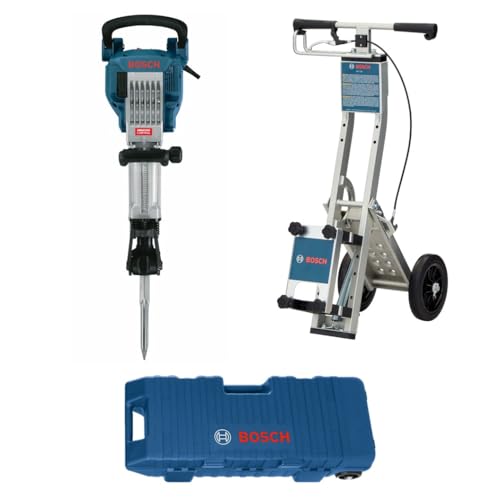
BOSCH 11335K Jack Hammer + GHT130 Cart

BOSCH GHT130 Floor Removal Cart

BOSCH 11335K 35 Lb. Hex Breaker Hammer
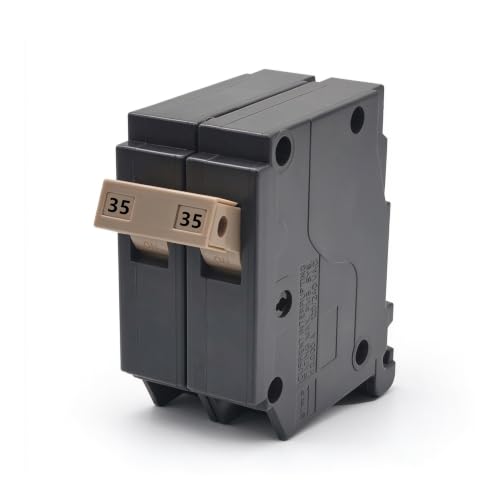
35 Amp 2-Pole Plug-In Molded Case Breaker
Taking A Closer Look At The Options
The Square D HOM235 is the breaker I reach for first when someone has a Homeline load center and needs a 35 amp, 2-pole circuit added for a water heater, a small subpanel, or an EV charging outlet on a dedicated line. It’s a plug-on style breaker, which simply means it clips directly onto the bus bar inside the panel, so installation is a matter of shutting off the main, seating the unit, and snapping the cover back on.
For homeowners doing their own panel work, the Homeline ecosystem is one of the easier brands to match against, and this breaker is built for exactly that environment. In most residential panels, it’s a clean swap or addition.
A Few Highlights
- 2-pole, 35 amp rating handles medium-draw appliances like water heaters and workshop subpanels.
- 120/240V AC compatibility covers the standard residential split-phase system.
- Plug-on design drops into Homeline panels without adapters or bus modifications.
- Magnetic trip mechanism responds quickly to short-circuit events.
Trade Offs To Consider
- Brand-specific fit means it only works in Homeline (not QO) panels.
- Two-pole footprint takes up two adjacent slots in the panel.
Key Specs
Who It Suits Best
Homeowners with a Homeline load center adding a dedicated 240V circuit for a water heater, workshop subpanel, or similar medium-draw appliance.
Where Another Pick Suits Better
The Fxsmgdy 35 Amp 2-Pole Molded Case Breaker is a better match if the panel is a non-Square D brand that uses standard 3/4-inch plug-in breakers.
The Bussmann CB185-35 leaves residential territory entirely. It’s a surface-mount, stud-type breaker, which means it bolts onto a panel or bulkhead with two threaded posts and isn’t designed to clip into a load center bus at all. That makes it a strong pick for trucks, buses, RVs, and marine installations where accessory circuits need overcurrent protection.
The Type III reset style is a useful touch: a slide of the lever restores power after a trip, and the button can act as a manual disconnect when the system needs to be killed quickly. In a multi-battery setup, this kind of breaker sits between the battery isolator and the loads it’s protecting.
Bright Spots
- Resettable lever design avoids the cost and waste of replacement fuses.
- Stud-mounted form factor suits mobile and marine environments.
- Can serve as a manual master disconnect for accessory circuits.
Worth Bearing In Mind
- Not designed for residential load center panels.
- Mounting hardware and wire lug sizing should be confirmed before installation.
Right Fit For
Truck, RV, and marine owners running accessory loads or battery-charging systems that need compact, resettable overcurrent protection.
Skip It When
The Square D HOM235 is the smarter choice for any indoor residential panel work, since this breaker is not built to clip onto a load center bus.
This bundle pulls the BOSCH 11335K jack hammer together with the GHT130 floor removal cart, so the operator isn’t carrying 35 pounds of demolition tool across a slab for hours. The hammer itself delivers 22 ft-lbs of impact force at 38 lbs of weight, which is a respectable impact-to-mass ratio for breaking up tile, vinyl, and cork over a concrete or wood substrate.
Where this kit earns its keep is during long floor pulls. Compared to picking up the bare BOSCH 11335K hammer on its own, the cart takes the weight off the body and adds adjustable positions, which matters when the job stretches across a basement or a commercial space.
Standout Benefits
- Cart handles the hammer weight, reducing operator fatigue on big jobs.
- Impact force is well-matched to tile, vinyl, and cork removal.
- Adjustable cart positions suit varied operator heights and floor angles.
- One purchase covers both tool and support accessory.
Honest Caveats
- Bundled cost is higher than buying the hammer alone.
- Cart adds bulk during transport and storage.
Made For
Contractors and serious DIYers running extended floor demolition jobs where carrying the hammer by hand would slow the work down.
Reach For A Different Pick When
The standalone BOSCH 11335K is a more practical choice for quick demo sessions where a cart adds storage hassle without saving much time.
The GHT130 is sold here as a standalone cart, which matters because anyone who already owns the 11335K hammer or wants to buy it separately can still get the fatigue-saving benefits. The cart takes the brunt of the hammer weight and lets the operator guide the tool rather than lift it, which is the difference between finishing a floor in a day and finishing it over a weekend.
Five adjustable positions let the user set the working height to suit the floor and the person. In most basements or commercial slabs, having that range means fewer awkward angles and less back strain over a long pull.
What Makes Sense
- Reduces strain on the operator during extended demo work.
- Adjustable height fits different operators and floor types.
- Compatible with the BOSCH 11335K hammer without adapters.
Points To Keep In Mind
- Hammer is sold separately.
- Takes up shop or truck space when not in use.
Best Suited To
Existing 11335K owners, or anyone planning to buy the hammer separately and wants to add the cart as a long-term comfort upgrade.
Look Elsewhere When
The combined BOSCH 11335K + GHT130 bundle makes more sense for first-time buyers who want everything in a single order.
The BOSCH 11335K is a 35 lb hex-shank breaker hammer, which puts it in the heavier end of handheld electric demolition tools. The 1-1/8 inch hex retention accepts standard chisel and point bits, and the inline design keeps the tool balanced for horizontal, vertical, and angled work. Vibration control is built into both the hammer mechanism and the handle, which matters when a job runs longer than a quick patch.
For tile, vinyl, and concrete chipping, the 11335K pulls its weight. Where it differs from the bundle option earlier in this list is that you’re getting the hammer alone, which suits crews who already have a cart or only need the tool for short bursts.
Where It Excels
- 22 ft-lbs of impact force at a manageable weight class.
- Vibration reduction at handle and mechanism protects the operator.
- Inline balance supports angled and vertical demolition.
- Standard 1-1/8 inch hex shank uses common bit sizes.
Possible Compromises
- 35 lb weight causes fatigue on extended jobs without a cart.
- Heavier than cordless options for overhead or precision work.
Who Should Grab It
Contractors and remodelers who already own or plan to add a cart later and want the bare hammer for fast, heavy-duty demo work.
Swap It Out When
The BOSCH 11335K + GHT130 bundle is the smarter pick if cart support matters from day one and storage isn’t a concern.
The Fxsmgdy 2-pole, 35 amp breaker is the spare-stock candidate on this list. It’s a 3/4-inch plug-in unit built around the standard residential footprint used across many load center brands, which makes it a flexible choice when the exact panel brand isn’t known or when a non-Square D panel needs a replacement breaker.
For shop inventory or a quick swap on a tripped circuit, a generic-fit molded case breaker like this one can save a trip to the supply house. Confirming the panel’s brand list of approved breakers before installing is always the right move, since not every panel accepts third-party units.
Why It Works Well
- Standard 3/4-inch form factor fits multiple panel brands.
- Plug-in installation doesn’t require bus modifications.
- Useful as a shelf spare for shops and property managers.
Small Caveats
- Not OEM for any specific panel brand, so compatibility should be verified.
- Brand-name breakers may be required by local code in some jurisdictions.
Who Will Love This
Property managers, maintenance techs, and homeowners who want a generic-fit spare on hand for a quick swap on a tripped circuit.
Consider Something Else When
The Square D HOM235 is the right call for Homeline panels, and the Fxsmgdy is not built for the QO clip format.
What Matters Most Before Choosing 35 Amp Breakers
Match The Breaker To The Panel Brand And Format
Breakers are not universal across load centers, and that single fact trips up more DIYers than any wiring question. Square D sells two distinct lines, Homeline and QO, and the breakers don’t interchange. Other brands like Eaton, Siemens, and GE each have their own bus clips and mounting footprints. Before ordering, open the panel cover and check the label inside the door for the exact brand and series listed as compatible. The wrong breaker will physically fail to seat, or worse, it may appear to seat but provide a poor connection.
Check Amperage, Poles, And Voltage Together
A 35 amp breaker handles a specific load range, and it has to match the wire gauge and the appliance it’s protecting. A 2-pole, 35 amp unit feeds 240V loads such as water heaters, subpanels, and some EV charging outlets, while a single-pole version handles 120V circuits. Upgrading a circuit means upgrading the wire, the breaker, and the receptacle together, and a breaker that doesn’t match the wire gauge is a fire hazard regardless of brand.
Think About The Use Environment
Indoor residential panels want plug-on breakers built for the brand at hand. Mobile, marine, and truck applications want stud-mount, resettable breakers like the Bussmann CB185-35, which are designed for DC accessory circuits and vibration-heavy environments. Using a residential plug-on breaker in a battery compartment is a mismatch, and using a stud-mount unit in a load center won’t physically work.
Key Considerations Across These Picks
Pitfalls Shoppers Hit
The most common mistake is assuming any 35 amp breaker fits any panel, which leads to breakers that won’t seat or won’t list as approved for that panel series. Another frequent miss is ignoring wire gauge: a 35 amp circuit typically needs 8 AWG copper or 6 AWG aluminum, and pairing the breaker with thinner wire creates a real overheating risk. Always cross-check the panel label, the wire size, and the breaker spec sheet together.
What Separates Premium From Basic
Brand-name breakers like Square D, Eaton, and Siemens carry tighter mechanical tolerances, longer manufacturer support, and broader code acceptance. Generic molded case units can save money and work fine when the panel explicitly lists them as compatible, but local inspectors may require listed, brand-matched breakers in some jurisdictions. Paying more mostly buys documented compatibility, mechanical precision, and warranty support, which matters most for primary residential circuits rather than shop spares.
Frequently Asked Questions
What does a 35 amp breaker protect?
A 35 amp breaker protects a circuit from drawing more current than the wire is rated to carry, tripping before the wiring overheats. It’s common on dedicated 240V lines like water heaters, subpanels, and some pool equipment circuits.
Can I swap a 15 amp breaker for a 35 amp?
Only if the wire gauge, the appliance draw, and the panel brand all support the higher rating. Swapping a breaker without upgrading the wire is unsafe and typically violates electrical code.
Are all 35 amp breakers interchangeable between brands?
No. Plug-in breakers are matched to specific panel series like Square D Homeline, QO, or Eaton BR. The physical clip design and bus spacing differ between brands, so always match the breaker to the panel series listed on the panel label.
Do I need a 1-pole or 2-pole 35 amp breaker?
A 2-pole breaker handles 240V appliances that need both hot legs, while a single-pole 35 amp unit is rare and used for specific 120V equipment. Most residential 35 amp applications call for a 2-pole configuration.
Is a 35 amp breaker enough for an EV outlet?
Level 1 EV charging from a standard 120V outlet typically only needs a 15 or 20 amp breaker. Level 2 charging at 240V commonly requires a 40, 50, or higher amp breaker depending on the vehicle’s onboard charger, so a 35 amp unit usually isn’t the right pick for a dedicated EV circuit.
The Takeaway
The right 35 amp breaker or breaker-adjacent tool comes down to panel brand, wire gauge, and the load it actually feeds. Start with the panel label, match the breaker series, and confirm the wire size before anything else. For folks adding a residential 240V circuit on a Homeline panel, the Square D HOM235 is the dependable choice, while anyone wiring accessory loads on a truck or boat will get more from the Bussmann CB185-35.
