

A transfer switch is the unsung hero between a portable generator and the circuits inside your home or RV. Choosing the right 30 amp model means your fridge keeps humming during a storm, your furnace fires back up on a cold morning, and your family never has to fumble with extension cords in the dark.
A Side-By-Side Look

Parallax ATS 301 Automatic Transfer Switch

MARSTEK 100A 120V Automatic/Manual Transfer Switch

MARSTEK 63A Triple Power Automatic Transfer Switch
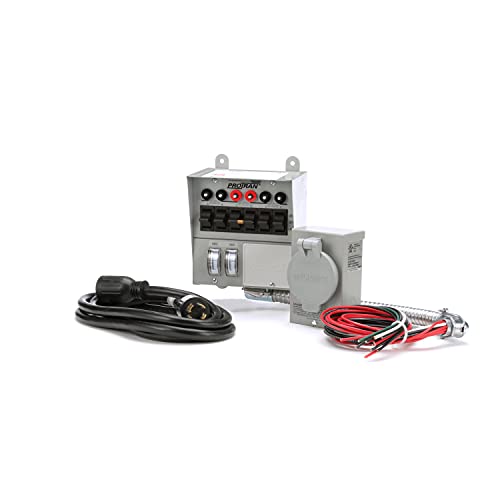
Reliance Pro/Tran 31406CWK Transfer Switch Kit

MARSTEK 63A DIN Rail Transfer Switch
What Each Pick Brings To The Table
The Parallax ATS 301 lives inside one of the most common RV electrical worlds, the 30 amp, 120 volt setup found in countless coaches on the road today. It watches your incoming power and quietly hands the load off between shore cord and onboard generator, so the only thing you notice during a switchover is the microwave clock still glowing.
Mounting is flexible, with deck install or attachment right to a Parallax Power Center, which keeps the wiring tidy in tight basement compartments. For travelers who camp through storm season or dry-camp often, the automatic behavior removes one more thing from the mental checklist at bedtime.
Notable Upsides
- Automatic changeover means no fumbling for breakers when the power flickers
- 30 amp, 120 volt design matches the standard RV electrical panel
- Deck-mount or power-center-mount options suit different coach layouts
- Parallax pedigree, a brand RV owners have leaned on for years
Trade Offs To Consider
- Built specifically for RV electrical systems, so it is not a fit for a whole-house backup panel
- Installation is straightforward for techs but daunting for first-time RV owners
Whose Shelf It Belongs On
RV owners running a 30 amp coach who want a set-and-forget automatic switcher between shore and generator power.
A Better Fit Elsewhere
Homeowners backing up multiple household circuits should reach for the Reliance Pro/Tran 31406CWK Transfer Switch Kit instead.
Where the Parallax lives in an RV basement, this MARSTEK unit climbs onto a DIN rail inside a home electrical cabinet. The 100 amp, 120 volt rating covers a much wider load profile, from a gas furnace control board to a kitchen fridge, while the LED display shows which source is feeding the panel at any given moment.
You also get both automatic and manual modes in one box, which matters when the grid wobbles but never fully drops. In our view, that dual personality suits households in regions where utility power flickers more than it fails outright.
Standout Benefits
- Automatic switching with a manual override for control during brownouts
- LED readout makes the active power source visible at a glance
- DIN-rail mounting keeps the install clean inside a standard breaker panel
- CE certified, giving an added layer of confidence for safety-conscious households
- 50/60Hz compatibility broadens its usefulness across equipment types
Worth Noting
- Wiring this unit calls for a licensed electrician in most jurisdictions
- The DIN-rail form factor assumes you already have space in your panel cabinet
Quick Facts
Who Should Grab It
Homeowners with a midsize generator and a panel ready for DIN-rail hardware who want hands-off switching during frequent flicker events.
Swap It Out When
RV travelers wanting shore-to-generator changeover should pick the Parallax ATS 301 Automatic Transfer Switch instead.
Most switches in this category juggle two power sources, but this MARSTEK model handles three: utility, generator, and inverter. For off-grid households with a solar inverter plus a backup genset, that third source unlocks layered redundancy that simpler switches simply cannot match.
The unit also bundles built-in electrical protection, monitoring for overvoltage, undervoltage, and overcurrent conditions before they reach sensitive gear. That kind of layered safety is rare at this size and price, and it changes the conversation from “will it switch” to “will it switch safely.”
Real Benefits
- Triple-source automation handles utility, generator, and inverter in one box
- Built-in overvoltage and undervoltage protection guards connected electronics
- Overcurrent protection prevents damage when loads spike unexpectedly
- Automatic reversion to the preferred source once stable power returns
Things To Weigh Up
- Triple-source capability is wasted on a basic grid-plus-genset setup
- More wiring means more installer time on the front end
The Right Fit
Off-grid homeowners with both a solar inverter and a backup generator who want layered redundancy and built-in electrical safety.
Reach For A Different Pick When
Shoppers wiring a simple two-source backup panel will find the MARSTEK 63A DIN Rail Transfer Switch easier to set up.
The Reliance Pro/Tran 31406CWK is the model many electricians reach for first, and that says plenty. With a 30 amp, 7500 watt rating and room for six circuits, it covers the essentials most households actually need during an outage: fridge, furnace blower, a few lights, and the kitchen outlet cluster.
Unlike the automatic models above, this one is manual, which trades automation for straightforward mechanical reliability. Pull a lever, flip the right breakers, and the generator feeds your chosen rooms. That simplicity is exactly the point, and many homeowners prefer a switch they understand without studying a manual.
Strong Points
- Six-circuit capacity covers the typical essentials in most homes
- 30 amp, 7500 watt rating matches common portable generator outputs
- Manual lever is easy to operate, even for first-time users
- Reliance Controls has a long track record in transfer switch gear
Honest Caveats
- Manual operation means a trip to the panel every time the grid drops
- Not designed for whole-home coverage, only selected circuits
- Installation should still involve a licensed electrician for safety and code compliance
Feature Snapshot
Built With In Mind
First-time generator owners wiring essential circuits who want a proven manual switch without complicated automation.
Look Elsewhere When
Anyone wanting hands-off automatic changeover should consider the MARSTEK 100A 120V Automatic/Manual Transfer Switch instead.
This MARSTEK unit shares the DIN-rail DNA of its larger sibling but trims back to a 63 amp, 110 volt profile that fits tighter utility rooms and outbuilding setups. The LED display and CE certification carry over, so you are not trading away visibility or safety to save panel space.
For someone wiring a detached workshop, a small guesthouse, or a shed with a gas furnace and a few lights, the smaller rating is actually the right match. Going oversized often means paying for headroom you will never use, and this unit keeps the budget focused on what actually gets switched.
Positive Takeaways
- Compact DIN-rail form factor fits where larger switches will not
- Automatic and manual modes give flexibility during extended outages
- LED display shows active source at a glance
- CE certified build for safety-minded installers
- 50/60Hz frequency support broadens generator compatibility
Less Ideal Details
- 63 amp ceiling rules out heavier whole-home loads
- Professional installation recommended for the wiring work
- Image and color details on the listing are limited, so seeing the unit before purchase can be tricky
Who Will Love This
Shoppers backing up a furnace, shed, or small secondary panel where space is tight and a compact DIN-rail switch makes the install cleaner.
Skip It When
Households needing triple-source switching for solar setups should look at the MARSTEK 63A Triple Power Automatic Transfer Switch instead.
Choosing A Transfer Switch That Fits Your Setup
A transfer switch is the only safe way to feed your home or RV circuits from a portable generator without backfeeding the grid, a condition that can injure utility workers and damage electronics. The first decision is matching amperage to your generator output, since a 30 amp generator wants a 30 amp switch and a mismatch creates heat at the connection point. Voltage matters too: most RV and small residential setups run 120 volt single-phase, while larger homes may need 240 volt models.
The second decision is automatic versus manual. Automatic switches monitor utility power and hand off the load the moment an outage is detected, which is great for households with sump pumps or medical equipment. Manual switches cost less and rely on you to flip a lever, which suits backup scenarios that unfold gradually rather than in emergencies.
Mounting style is the third factor. DIN-rail switches clip into modern breaker cabinets, while surface-mount and deck-mount units install in standalone enclosures. Circuit count rounds out the checklist: count which loads truly matter during an outage, then pick a switch with one or two spare slots for future flexibility.
Key Considerations Across These Picks
Where Shoppers Go Wrong
Plenty of first-time buyers grab a switch based on price alone, then discover their generator’s output does not match the switch rating. Others choose automatic when they really only need manual, paying for complexity they never use. The honest read is that the right switch matches the load profile, not the marketing copy.
What Separates Premium From Basic
Higher-tier models tend to add built-in voltage and current protection that monitors the line before passing it through. They also lean on microcontroller-based switching, which gives faster response times and cleaner handoffs. Whether that upgrade is worth the cost depends on how often the grid wobbles in your area and how sensitive the gear you are protecting happens to be.
Frequently Asked Questions
What Does A 30 Amp Transfer Switch Actually Do?
It safely reroutes your selected circuits from utility power to a portable generator during an outage, preventing dangerous backfeed onto the grid. Most also include mechanical or electronic interlocks so both sources cannot feed the same circuit at once.
Can I Install One Without An Electrician?
DIY installation is technically possible for experienced homeowners comfortable with panel work, but most jurisdictions require a licensed electrician for code compliance. The wiring mistakes in this category carry real shock and fire risk.
How Many Circuits Should My Switch Cover?
Count the essentials you cannot live without during an outage: fridge, furnace, a few lights, and the kitchen outlets usually top the list. A six-circuit switch covers most households, while larger homes may need ten or more circuits.
Do Automatic Switches Need Maintenance?
Yes, but not much. Owners commonly report that annual exercise, meaning a brief test cycle, keeps contacts clean and confirms the controller still detects outages correctly. Dust and cobwebs in the cabinet are worth wiping out periodically.
Will Any Of These Work With A Solar Inverter?
The MARSTEK 63A Triple Power Automatic Transfer Switch handles utility, generator, and inverter in a single unit. The other models in this list are designed for two-source setups and would need additional hardware for solar integration.
Closing Remarks
The right 30 amp transfer switch comes down to your generator, your panel, and how much automation you actually want. RV travelers will feel at home with the Parallax ATS 301, while homeowners leaning toward whole-circuit coverage should start with the Reliance Pro/Tran 31406CWK. Match the switch to the job, and the next outage feels a lot less dramatic.
