

An electric dryer only runs as smoothly as the outlet and cord feeding it. A loose 30A receptacle or a frayed cable becomes a real nuisance, sometimes a real hazard, so matching the plug style and amperage to your home’s wiring matters from day one. I put this roundup together for anyone swapping an old dryer, finishing a laundry remodel, or just tired of fighting a kinked cord behind the machine. Six picks cover both modern four-prong setups and older three-prong outlets, plus the cords and accessories that go with them.
The Shortlist At A Glance

ENERLITES 30A Dryer Outlet, NEMA 14-30R

Cable Matters 10 AWG 30A 3 Prong Dryer Cord, 6ft

Cable Matters 4 Prong Dryer Cord, 30A, 10ft
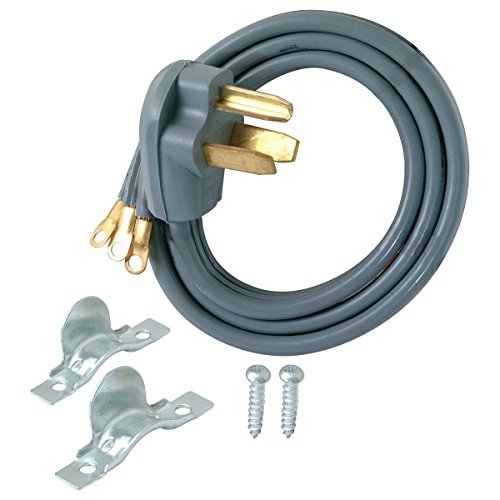
Eastman 61249 3-Prong Electric Dryer Cord, 4ft

ENERLITES 50A Range Receptacle Outlet, NEMA 14-50R
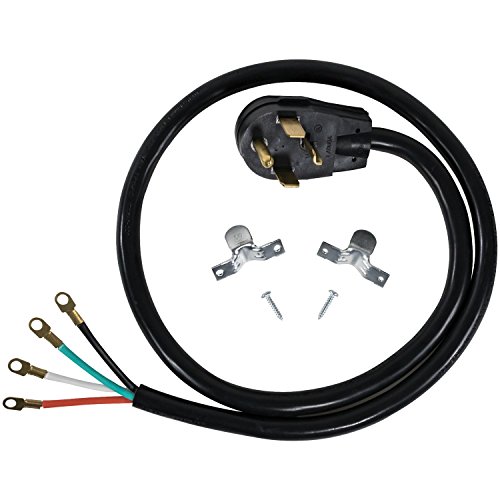
Certified Appliance Accessories 30-Amp 4-Prong Dryer Cord, 4ft
More On The Choices That Made The List
If your home was built after the late 1990s, chances are your laundry wall is already calling for a NEMA 14-30R receptacle (the four-slot configuration with a separate ground path). This ENERLITES outlet slots into that picture cleanly. It’s rated for 30 amps at 125/250 volts, which matches what modern dryers actually pull, and the thermoplastic body is built to shrug off the bumps a dryer plug takes over years of use.
The straight-blade design and grounding make installation straightforward for anyone comfortable working around a breaker panel. It fits a standard single-gang wallplate, so finishing the wall after mounting stays simple. For a primary laundry circuit in newer construction, it’s the kind of part that disappears into the wall and just keeps working.
Good Reasons To Consider
- Handles the full 30A load modern dryers expect without strain on the contact points.
- Thermoplastic housing resists impact in tight laundry closets where plugs get bumped.
- Ground path is separate from neutral, which is what current electrical code wants to see.
- Slides into a standard 1-gang box, so finding a matching wallplate is easy.
Things To Consider
- Doesn’t ship with a wallplate, so you’ll need to grab one separately if the old one doesn’t fit.
- Wiring it into an existing circuit really calls for someone comfortable with a voltage tester and a properly de-energized breaker.
Made For
Homeowners finishing a laundry in newer construction who need a code-friendly four-prong receptacle that simply works.
Skip It When
If your laundry room still runs a three-prong outlet from a pre-1996 build, the ENERLITES 50A Range Receptacle further down this list isn’t the answer either, and you’d actually want the Cable Matters 10 AWG 30A 3 Prong Dryer Cord to match your existing wall setup.
Older homes often still run a three-wire dryer circuit, where the neutral and ground share a path. The Cable Matters 10 AWG cord matches that older NEMA 10-30R outlet, so swapping a worn cable becomes a much smaller job than rewiring the wall. At six feet, it gives enough slack to push the dryer back without straining the terminals.
The 10-gauge wire is what you’d want for any 30A dryer run, and the three-prong plug fits the outlet shape you already have. It’s the sort of replacement that takes ten minutes once the dryer is pulled out, and the relief of a fresh, flexible cable behind a heavy machine is honestly hard to overstate.
Everyday Advantages
- 10 AWG conductors handle the full 30A dryer draw without overheating at the terminals.
- Right-angle plug head keeps the cord close to the wall, so the dryer sits flush.
- Flexible jacket makes routing behind the machine less of a wrestling match.
- Six-foot length suits most standard laundry layouts without leaving excess slack.
Worth Noting
- Designed for older three-wire outlets, so it won’t match a NEMA 14-30R receptacle like the ENERLITES 30A Dryer Outlet reviewed above.
- Some folks prefer a longer run for laundry rooms where the outlet sits unusually high or far from the appliance.
The Right Fit
Anyone in a pre-1996 home with a three-prong dryer outlet who needs a replacement cord that matches what the wall already has.
A Better Fit Elsewhere
For newer homes wired with a four-prong NEMA 14-30R setup, the Cable Matters 4 Prong Dryer Cord, 30A, 10ft is a smarter match.
When the dryer outlet sits farther from the appliance, a six-foot cord starts feeling like a straitjacket. The Cable Matters 10-foot four-prong cord gives that extra reach without forcing you to relocate the washer or shuffle the dryer to an awkward angle. It terminates in the NEMA 14-30P plug that pairs with the modern ENERLITES 30A Dryer Outlet I covered first.
The 10 AWG wire handles 250V service at 30 amps without complaint, and four conductors keep ground and neutral on their own paths. Compared to the shorter Cable Matters cord I just reviewed, this one trades a tighter fit for breathing room, which matters more than people expect until they’re trying to plug in around a pedestal drawer.
Advantages To Know
- Ten-foot reach is friendly for pedestal-mounted dryers and laundry rooms with off-center outlets.
- Four-conductor design aligns with current code for new installations.
- 10 AWG copper stays flexible enough to route cleanly behind heavy machines.
Honest Caveats
- Extra length means more cable to coil neatly so it doesn’t kink against the wall.
- Only works with four-prong outlets, so it’s the wrong pick for older three-wire laundry circuits.
Best Suited To
Households with a modern four-prong outlet where the dryer sits a step or two away and a longer cable saves the install.
Look Elsewhere When
If your laundry still uses a three-prong outlet, the Eastman 61249 3-Prong Electric Dryer Cord, 4ft is the more honest match for that wall configuration.
Tight laundry closets don’t have room for excess cord coiled behind a dryer, and that’s exactly where the Eastman 61249 earns its keep. At four feet, it covers the gap between an older three-prong outlet and a dryer pushed close to the wall. The flanged spade terminals and metal strain relief keep the connection secure once the back panel goes back on.
This is a direct replacement for what shipped with most dryers sold before the four-prong switchover. The SRDT flat gray cable stays out of the way, and the right-angle NEMA 10-30P plug sits flush against the outlet. For a small laundry where every inch counts, the short run is a feature, not a limitation.
What Pays Off
- Compact four-foot run avoids slack that bunches up behind the machine.
- Metal strain relief protects the terminals from tugging when the dryer slides out.
- Right-angle plug keeps the dryer close to the wall in narrow spaces.
Small Caveats
- Too short for any layout where the outlet sits more than a couple of feet from the dryer.
- Three-prong only, so it’s the wrong shape for the ENERLITES 30A Dryer Outlet covered earlier in the list.
Who Should Grab It
Anyone replacing a frayed factory cord on an older three-prong dryer in a tight closet or apartment laundry nook.
Reach For A Different Pick When
For a longer reach on a three-prong circuit, the Cable Matters 10 AWG 30A 3 Prong Dryer Cord, 6ft gives the extra slack without changing the plug style.
Strictly speaking, this is a 50A range outlet, not a dryer outlet, but it earns a place on this list because the NEMA 14-50R shape overlaps with what some dryers, RVs, welders, and EV chargers actually use. If you’re finishing a garage workshop or wiring an RV bay, the same thermoplastic build and grounding that make the smaller ENERLITES outlet reliable show up here too, just at a heavier rating.
The fit-any-1-gang-wallplate claim means you can match it to whatever cover you already have on hand. For most folks, this is the outlet to reach for when 30 amps simply isn’t enough for the appliance at hand.
Strong Points
- 50A rating covers ranges, large welders, and EV chargers that 30A circuits can’t feed.
- Same thermoplastic housing as the ENERLITES 30A outlet, so it handles garage bumps equally well.
- Compatible with any standard 1-gang wallplate, simplifying the finishing step.
Points To Note
- Not a substitute for a dryer circuit, since most dryers are designed for 30A plugs and won’t fit this larger receptacle.
- Requires a 50A breaker and appropriately gauged wire, so installation has a heavier cost in materials than the 30A version.
Who Will Love This
Workshop owners and RV enthusiasts wiring a heavier 240V receptacle where a 30A dryer outlet simply won’t carry the load.
Where Another Pick Suits Better
For dedicated dryer use, the ENERLITES 30A Dryer Outlet earlier in the list pairs correctly with the four-prong dryer plugs most modern machines ship with.
Swapping a dryer cord for the first time can feel like a small puzzle, especially when you’re staring at four color-coded wires and a row of screws inside the terminal block. The Certified Appliance Accessories 30-Amp cord leans into that beginner moment by using eyelet terminals that slip right over the screws, instead of bare wire that has to be wrapped just so.
It’s a four-prong, 30A cord rated for 125/250V service, so it pairs with the ENERLITES 30A Dryer Outlet I covered at the top of the list. The right-angle plug head keeps the dryer close to the wall, and the four-foot length is friendly to compact laundry rooms where the outlet sits right behind the appliance.
A Strong Showing
- Eyelet connectors make the back-panel hookup forgiving for first-time installers.
- Color-coded wires cut down on the “which one goes where” hesitation at the terminal block.
- Right-angle plug keeps the dryer flush against the wall.
Practical Considerations
- Four-foot length is on the short side, so it’s not the right reach for outlets set higher on the wall or far from the appliance.
- Like the Cable Matters 4 Prong Dryer Cord, 30A, 10ft reviewed above, it’s a four-prong-only cord, so older three-wire homes are out of luck.
Perfect Match For
First-time cord swappers working on a modern four-prong dryer who want a forgiving install in a compact laundry layout.
Swap It Out When
For a longer reach on the same four-prong setup, the Cable Matters 4 Prong Dryer Cord, 30A, 10ft covers the same plug style with more slack to work with.
Picking The Right Setup For Your Laundry
Choosing between 30 amp dryer outlets isn’t just about brand, it’s about matching the hardware on the wall to the cord on the machine. A few attributes carry more weight than the rest, and getting them right avoids a return trip to the hardware store.
Match The Prong Configuration First
The single biggest decision is three-prong versus four-prong. Homes wired before 1996 typically have a NEMA 10-30R receptacle, where neutral and ground share a conductor. Newer construction uses a NEMA 14-30R, which separates the two paths for a safer installation. Count the slots on your existing outlet, or check the breaker amp rating, before choosing between options like the Cable Matters 10 AWG 30A 3 Prong Dryer Cord, 6ft and the Cable Matters 4 Prong Dryer Cord, 30A, 10ft.
Gauge And Length Matter Quietly
Dryer cords use 10 AWG copper wire because anything thinner overheats at 30 amps. Length is the variable that trips people up: a four-foot cord like the Eastman 61249 or the Certified Appliance Accessories 30-Amp 4-Prong Cord is perfect for tight closets, while a ten-foot run gives breathing room for pedestal-mounted dryers or off-center outlets. Measure the path before ordering.
Receptacle Build Quality Shows Up Over Time
Outlets live in the wall for decades, so the housing material and contact design matter. Thermoplastic bodies like those on the ENERLITES 30A Dryer Outlet resist the bumps a plug takes when someone shoves a dryer back into place. Corrosion-resistant contacts keep the connection solid in humid laundry rooms, where a cheaper receptacle can develop resistance at the terminals over the years.
Think Beyond The Dryer
A 30 amp dryer outlet is a specific job, but related receptacles can show up in the same project. If you’re also wiring a garage or RV bay, a 50A NEMA 14-50R receptacle like the ENERLITES 50A Range Receptacle Outlet uses a similar mounting footprint but handles heavier loads for ranges, welders, and EV chargers. Picking the right one upfront saves opening the wall twice.
Practical Notes Worth A Quick Read
Mistakes Worth Dodging
The most common slip-up is mismatching a four-prong cord to a three-prong outlet, or the reverse. The plug physically won’t seat, but people sometimes file down a corner tab to force it, which is a real hazard. Equally common is grabbing a cord that’s too short, leaving the dryer straining against a taut cable. Measure the path from outlet center to the dryer’s terminal block, then add a foot of slack for pulling the machine out later.
What Separates Premium From Basic
Spending a bit more on a dryer outlet typically buys a more impact-resistant housing and tighter-fitting contacts that hold their grip over thousands of plug cycles. Higher-end cords often use softer jacketing that bends more easily behind a heavy machine. The jump from basic to premium is modest for a single project, but the part lives in the wall for a decade or more, so the upgrade tends to pay back in durability rather than features you can see on day one.
Frequently Asked Questions
What Is The Difference Between A 3-Prong And 4-Prong Dryer Outlet?
A three-prong outlet (NEMA 10-30R) combines neutral and ground on a single conductor, while a four-prong outlet (NEMA 14-30R) separates them for a safer installation. Homes built before 1996 typically use the three-prong style, and newer construction has standardized on the four-prong configuration.
Can I Replace A 3-Prong Outlet With A 4-Prong Myself?
Swapping a receptacle involves working with a live 240V circuit, so it calls for a properly de-energized breaker and a voltage tester to confirm. For anyone comfortable with basic electrical work, it’s manageable, but hiring a licensed electrician is the safer choice if the breaker panel or wiring condition is unfamiliar.
How Do I Know If My Dryer Needs A 30 Amp Cord?
Most full-size electric dryers run on 30 amp circuits, which is why 30A cords like the Cable Matters 10 AWG 30A 3 Prong Dryer Cord, 6ft are the standard replacement. The rating is printed on the data plate near the terminal block, or in the owner’s manual under electrical specifications.
What Wire Gauge Should A 30 Amp Dryer Cord Use?
10 AWG copper is the standard for any 30 amp dryer run, since smaller gauges overheat under sustained load. Both three-prong and four-prong cords in this roundup use 10 AWG conductors to match the breaker and receptacle ratings.
Is A Longer Dryer Cord Safe Behind The Appliance?
Yes, as long as the gauge stays at 10 AWG and the cord isn’t pinched or coiled tightly against the wall. A ten-foot cord like the Cable Matters 4 Prong Dryer Cord, 30A, 10ft is perfectly safe for most installations, though excess length should be loosely arranged rather than bunched behind the machine.
Bottom Line
The right pick depends almost entirely on the outlet already in your wall. Three-prong homes pair with cords like the Cable Matters 10 AWG 30A 3 Prong Dryer Cord, 6ft or the Eastman 61249 3-Prong Electric Dryer Cord, 4ft, while newer four-prong setups match cords like the Cable Matters 4 Prong Dryer Cord, 30A, 10ft or the Certified Appliance Accessories 30-Amp 4-Prong Dryer Cord, 4ft. The ENERLITES 30A Dryer Outlet fits a new four-prong receptacle, and the ENERLITES 50A Range Receptacle Outlet handles heavier appliances in the garage. Measure, match the prong shape, and the rest of the install tends to fall into place.
