

24V to 12V conversion sounds simple until you’re trying to power the right gear in a truck, golf cart, boat, security setup, or DIY project. The wrong match can run too hot, waste space, or fall short on current. The eight picks below focus on real use cases, from compact modules for small builds to heavier converters for demanding vehicle and solar setups.
You’ll see where each one fits, what trade-offs come with it, and which alternative in the list may suit you better. That makes it easier to match the converter to your load, your installation space, and the kind of reliability you need day to day.
Quick Look At The Shortlist
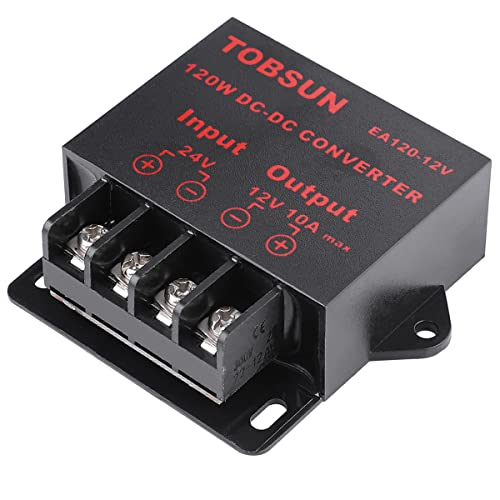
HOMELYLIFE DC 24V to DC 12V 10A 120W Step Down Buck Converter

EKYLIN 24V to 12V Converter 30A 360W Step Down Converter
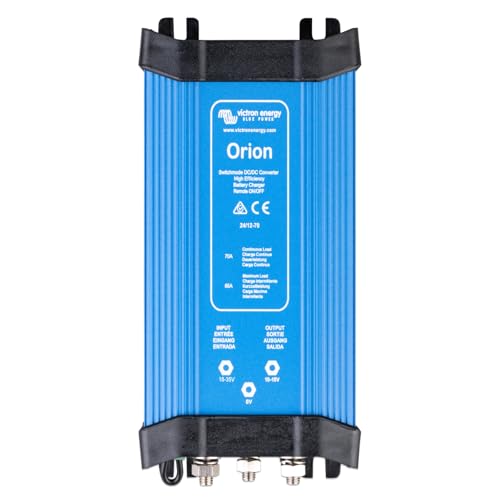
Victron Energy Orion 24/12-Volt 70 amp DC-DC Converter

YIPIN HEXHA DC 24V Step Down to 12V 30A 360W Converter

EBOOT Mini MP1584EN DC-DC Buck Converter Adjustable Power Module 12 Pack

BeElion 24V AC to 12V DC Convertor 1.5 Amp Supply Current Power Adapter

Kohree 24V to 12V Step Down Converter 20A 240W

Acridine DC 24V Step Down to 12V 30A 360W Converter
More Details On Our Top Picks
Space matters with a small converter, and this HOMELYLIFE module keeps the footprint modest for bench projects, dash installs, or compact enclosures. Its stated 24V to 12V step-down role makes it a straightforward fit for simple loads that do not demand the high current headroom of the larger picks below.
You’ll get more value here in tidy builds than in heavy-duty vehicle systems, and that’s the honest trade-off. The 10A and 120W figures suit lower-draw accessories, while the mini-module form keeps wiring runs and mounting plans fairly simple.
Bright Spots
- Mini-module size suits tight enclosures and light-duty installs.
- 12V output makes it easy to match common accessories.
- 10A and 120W coverage works well for modest loads.
- Simpler hardware often means cleaner placement in DIY boxes.
Points To Note
- Lower output headroom leaves less room for growth.
- Owners of demanding truck or boat gear may outgrow it quickly.
- Basic mini-module builds can need careful mounting to stay tidy.
Feature Card
Who It Suits Best
You’ll like this most for compact DIY electronics, small add-ons, and tidy 12V conversions where enclosure space is tight.
A Better Fit Elsewhere
EKYLIN 24V to 12V Converter suits truck and boat setups that need more output reserve than the HOMELYLIFE unit provides.
Compared with the smaller HOMELYLIFE module, this EKYLIN unit is built for jobs that ask for more breathing room. The 30A and 360W output figures make sense for vehicle accessories, boat equipment, and solar-based setups where the load is heavier and the wiring plan matters.
The DC15-40V input range is especially useful in mixed-voltage environments, because it gives you more flexibility around the source side. The trade-off is that this is no tiny tuck-away module, so you’ll want a proper mounting spot and enough airflow around the installation.
What We Like
- 30A output handles more demanding 12V equipment.
- 360W rating suits truck, boat, and vehicle use.
- DC15-40V input range adds installation flexibility.
- Good fit for mixed power sources in mobile setups.
Softer Spots
- Size and wiring need more planning than a mini module.
- Heavy-duty use calls for careful placement and secure mounting.
- For small hobby projects, the capacity may be more than you need.
Details At A Glance
Who Will Love This
You’ll get the most from this in trucks, boats, and utility builds that need a stronger step-down stage than a small module can offer.
Where A Sibling Pick Shines
Kohree 24V to 12V Step Down Converter is a nicer match for golf cart owners who want similar output with a waterproof design focus.
High-current work is where this Victron Orion earns its place, and the 70 amp rating puts it in a different class from the smaller step-down units above. The non-isolated design means the input and output grounds are shared, which can simplify some vehicle and marine installs but makes system layout more important.
That kind of output is a strong match for serious auxiliary power, especially in setups where you are feeding several 12V loads from a 24V source. The honest caveat is that this is not the casual pick for a quick accessory fix, and you’ll want a clearer plan for integration than you would with the HOMELYLIFE or EBOOT options.
Highlights
- 70 amp capacity suits demanding electrical loads.
- Non-isolated design can simplify some wiring layouts.
- Well suited to advanced vehicle and off-grid systems.
- Strong choice for setups that need serious output reserve.
Areas To Watch
- Higher-current installs need careful system planning.
- Non-isolated wiring is a better fit for experienced setups.
- Overkill for small accessory projects or bench work.
Core Details
Made For In Mind
You’ll be best served by this in demanding power systems, especially where multiple 12V devices rely on a stable conversion stage.
A Better Fit Elsewhere
EKYLIN 24V to 12V Converter is the more approachable choice for trucks or boats that need a lower-complexity, lower-output solution.
The waterproof angle gives this YIPIN HEXHA converter an edge for exposed installs, especially in golf carts and other outdoor vehicles where moisture and grime are part of the routine. Its 30A and 360W output mirror the higher-output class used by the EKYLIN pick, so you get similar power capacity with a stronger outdoor lean.
That makes it a sensible choice for owners who care more about weather resistance than keeping the package tiny. The flip side is that, like many enclosed converters, you still want sensible mounting and clean wiring so the case can do its job properly.
Upsides
- Waterproof design suits outdoor vehicle conditions.
- 30A capacity supports broader 12V loads.
- 360W output covers many golf cart accessories.
- Useful for owners who need weather-conscious hardware.
Room For Improvement
- Outdoor-focused housing adds bulk compared with mini modules.
- Install quality still depends on careful wiring and placement.
- For indoor bench use, the weather protection is less important.
Feature Rundown
The Right Fit
You’ll appreciate this most in golf carts, utility vehicles, and outdoor installs where moisture resistance matters.
Swap It Out When
Kohree 24V to 12V Step Down Converter is a stronger fit for owners who want a similar power class with a broader list of vehicle uses.
This EBOOT pack is built for tinkering, prototyping, and small electronics jobs where you want several compact modules on hand. The MP1584EN chip is a buck converter controller, meaning it steps voltage down efficiently, and the adjustable output range gives you flexibility beyond a single fixed 12V use.
Compared with the larger truck-style converters in this roundup, the real attraction here is control and quantity rather than raw power. The trade-off is simple, it’s a small-module solution with a 3A ceiling, so it belongs in bench work and light builds instead of anything hungry.
Best Bits
- 12-pack format helps with multi-project DIY work.
- Adjustable output adds flexibility for different circuits.
- Compact modules are easy to place on a bench.
- Useful for hobbyists who like to keep spares.
Minor Gripes
- 3A limit keeps it in the light-duty category.
- Small modules need neat wiring to avoid clutter.
- Not the right match for vehicle accessory loads.
Technical Sheet
Built With In Mind
You’ll get the most from this in DIY electronics, bench power work, and compact project boxes that need several small modules.
Look Elsewhere When
Victron Energy Orion 24/12-Volt 70 amp DC-DC Converter is the better path for high-current installations that need far more output.
Security camera runs are a different job from vehicle conversions, and this BeElion adapter reflects that. It steps 24V AC, meaning alternating current, down to 12V DC, meaning direct current, and the included 2.1 x 5.5mm male plug pigtail makes it easier to connect to compatible camera hardware.
That kind of setup is especially handy in CCTV or LED strip installs where the source side is AC and the device side needs DC. The main limitation is the 1.5 amp supply, so this is a focused adapter rather than a general-purpose power workhorse.
Reasons To Buy
- Built for converting AC camera power to DC.
- Male plug pigtail simplifies connection to common hardware.
- Compact size works well in camera housings.
- Good match for surveillance and LED applications.
Small Caveats
- 1.5 amp output keeps the load range narrow.
- Best suited to specific camera-style installs rather than broad use.
- Wiring compatibility still depends on your device input.
At A Glance
Whose Shelf It Belongs On
You’ll appreciate this most in CCTV installations, camera housings, and small LED strip projects that need AC-to-DC conversion.
A Better Fit Elsewhere
HOMELYLIFE DC 24V to DC 12V 10A 120W Step Down Buck Converter is the better match for DC-powered DIY equipment that needs more flexibility.
This Kohree converter sits in a comfortable middle ground, stronger than the tiny modules but easier to place than the 30A class units. The 18V-35V input range, 20A output, and 240W rating make it a sensible fit for golf carts, boats, scooters, and similar mobile systems.
The sync rectification design and smart chip are aimed at efficiency and steadier operation, which is useful in vehicles that see regular use. The catch is that it still asks for a real mounting plan, so it’s more of a proper install piece than a casual plug-in accessory.
Standout Traits
- 20A and 240W are strong for midrange vehicle use.
- Wide mobile-use compatibility suits carts, boats, and small vehicles.
- Efficiency-focused design supports steadier day-to-day operation.
- Waterproof build adds confidence for exposed installs.
Worth Noting
- More involved mounting than a bare mini module.
- Not as much headroom as the 30A converters in this list.
- For bench electronics, it’s more hardware than you may need.
Spec Overview
The Right Fit
You’ll like this most for golf carts, small boats, and compact mobile setups that need steady midrange output.
Reach For A Different Pick When
YIPIN HEXHA DC 24V Step Down to 12V 30A 360W Converter is the better call for outdoor installs that need a more weather-focused housing.
The Acridine unit stands out because its input range runs wider than the other 30A class picks here, which gives you more flexibility in mixed-source setups. For installations where the source voltage can vary more than expected, that extra range can be the difference between a smooth fit and a frustrating mismatch.
It still gives you the familiar 30A and 360W output profile, so you’re not giving up much on the load side. The trade-off is that the broader input range doesn’t matter much for every project, so this is the more thoughtful upgrade rather than the obvious default.
Plus Points
- Wide 18V-60V input range adds flexibility.
- 30A output suits stronger 12V loads.
- 360W output keeps it in the serious-use category.
- Good choice for varied power-source setups.
Things To Consider
- The wider input range matters most in mixed-voltage installs.
- For basic 24V-to-12V work, it may be more capacity than you need.
- Like the other high-output units, it benefits from planned mounting.
Feature Snapshot
Who Should Grab It
You’ll get the most from this in flexible vehicle or solar setups where source voltage can vary and you still want solid 12V output.
Not Your Match When
EBOOT Mini MP1584EN DC-DC Buck Converter Adjustable Power Module 12 Pack is the better choice for small electronics work that needs many compact modules instead of one high-output unit.
How To Choose The Right 24v To 12v Converter
Match The Input Side To The Real Source
The first thing to sort out is whether your source is DC or AC. A 24V DC vehicle system calls for a DC-to-DC step-down converter, while a CCTV or lighting setup fed by 24V AC needs an AC-to-DC adapter like the BeElion model.
That distinction matters because the wrong input type makes the part useless, no matter how strong the output rating looks on paper. Think in terms of the system you already have, not the device you hope to power.
Size The Output For The Load, Then Leave Room
Current, measured in amps, tells you how much electrical demand the converter can support. Small modules such as the HOMELYLIFE and EBOOT picks suit light gear, while 20A, 30A, and 70A units fit broader vehicle or off-grid work.
The useful habit is to size for the load you expect to run, then keep some headroom. That extra margin helps in real use because startup draw, added accessories, and longer wiring runs can all raise the demand a bit.
Think About Mounting, Heat, And Exposure
Converters that live in a dash, enclosure, or engine-adjacent area need more than a good rating. Waterproof housings, compact modules, and clean mounting points matter because heat and vibration can make a sloppy install feel unreliable fast.
Outdoor carts and boats usually benefit from a sealed or weather-aware design, while bench projects often do better with a small adjustable module. In practical terms, the best pick is the one that fits the space you have without turning maintenance into a chore.
Choose The Form Factor That Matches The Project
There’s a real difference between a single-purpose module and a broad-use converter. A 12-pack of mini modules makes sense for hobby work and repeated builds, while a heavier 30A or 70A unit is better when you need one solid conversion point.
That’s where the install plan comes in. Clean wiring, accessible terminals, and enough room for airflow usually matter more than flashy output numbers once the converter is in the vehicle or box.
What To Weigh Before You Commit
Common Shopping Slip Ups
One frequent mistake is mixing up AC and DC input, especially in camera and lighting projects. Another is overlooking the current rating, then expecting a small module to run gear that really belongs with a heavier converter.
You also want to check connector style and physical size before the part arrives. A compact bench module and a waterproof golf cart converter solve very different problems.
Why Top Tier Costs More
Higher-tier units usually bring stronger current handling, wider input ranges, smarter regulation hardware, or weather-resistant housings. Those features raise the bill because they take more component quality and more careful design.
That extra spend makes sense when the converter lives in a demanding environment or supports a critical load. For casual DIY projects, a simpler module often does the job with less fuss.
Frequently Asked Questions
What does a 24V to 12V converter actually do?
It steps a 24V source down to 12V so you can run common 12V gear from a higher-voltage supply. That makes it useful in vehicles, boats, golf carts, and some bench setups.
Do you need a DC-to-DC unit or an AC-to-DC adapter?
That depends on the source power you already have. Vehicle and battery systems usually need DC-to-DC, while some camera and lighting installations use AC-to-DC.
How much current do you need?
Add up the draw of the device or devices you plan to power, then choose a converter with some margin above that total. Small accessories may work with a compact 3A or 10A module, while larger vehicle loads usually need 20A or more.
Can one converter run several devices?
Yes, as long as the combined load stays within the converter’s output rating. That matters more than the number of devices, because total current draw is what shapes the fit.
What matters most for outdoor installs?
Weather-aware housing, secure mounting, and sensible cable routing all matter a lot. Boats, golf carts, and exposed utility rigs usually benefit from a unit that handles moisture and vibration more comfortably.
Closing Thoughts
The right 24v to 12v converter depends less on the headline rating and more on where you plan to use it. Small modules make sense for bench work and tidy DIY boxes, while midrange and high-current units fit carts, boats, trucks, and other demanding installs. The key is matching input type, output headroom, and enclosure style to the job in front of you. Once those three line up, the rest feels much easier.
