

Busy commutes, family road trips, and long workdays in the car all run smoother with the right inverter. The useful part is simple, you turn a 12V vehicle outlet into AC power and charging options for laptops, phones, and small gear without turning the cabin into a tangle of adapters. The tougher part is matching wattage, outlet layout, and charging ports to the way you actually travel. That’s where these eight picks separate into compact everyday choices, heavier-duty options, and a few upgrades worth the extra headroom.
Quick Shortlist For Real-World Travel

FSATBTNE 400W Power Inverter Car Plug Adapter

DrimMek 300W Car Power Inverter 12V to 110V
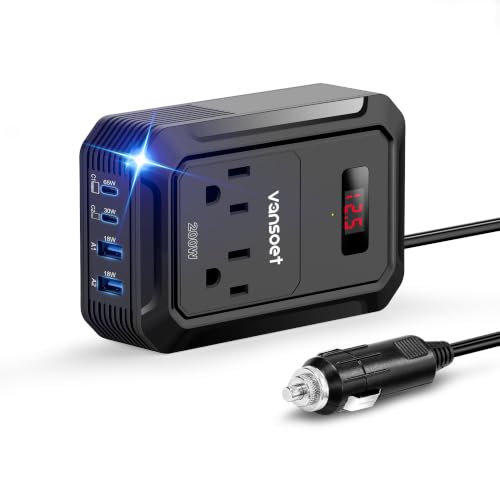
vansoet 200W Car Power Inverter DC 12V to 110V AC Inverter
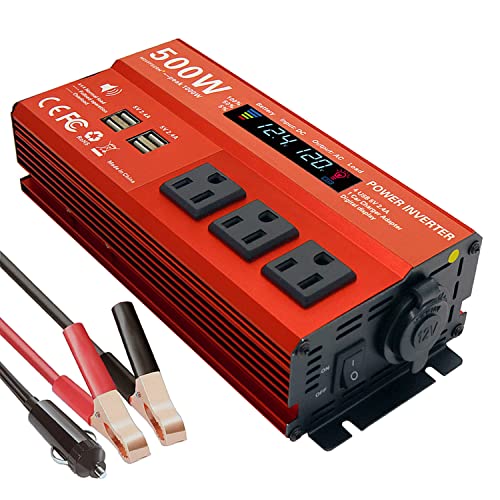
MOVFFGGRM 500W Peak 1000W Power Inverter for Vehicles

GoWISE Power 1500W Pure Sine Wave Power Inverter PS1005

BESTEK Power Inverter DC 12-17V to AC 110V 300W

vansoet 400W Car Power Inverter for Vehicles DC 12V to AC 110V

vansoet 400W Power Inverter DC 12V to AC 110V Car Adapter
More Details On Our Top Picks
The FSATBTNE model sits in the sweet spot for errands, commuting, and family trips, because it pairs 400W output with two AC outlets and both USB-C and USB-A charging. That mix matters in a car, since you can keep a laptop, phone, and small accessory running without juggling separate adapters. The trade-off is simple, it’s built for everyday gear rather than power-hungry appliances.
You may find the dual outlet layout especially handy in a back seat full of devices, where one plug often turns into three needs. Compared with the smaller DrimMek and vansoet 200W options later in this list, this one gives you more breathing room without jumping all the way to the bigger 1500W class.
Strong Points
- Two AC sockets make shared charging easier on road trips.
- 65W USB-C suits a lot of laptop charging needs.
- 18W USB-A gives you a second fast-charge path.
- 400W output covers more than basic phone charging.
- Useful for commuters who keep several devices in the car.
Things To Consider
- It still belongs in the light- to mid-duty range, not the heavy appliance tier.
- Two AC outlets can invite clutter unless you keep cords organized.
Feature Rundown
Who It Suits Best
Commuters and family drivers who want a balanced setup for phones, tablets, and a laptop will get the most from this one.
A Better Fit Elsewhere
DrimMek’s 300W inverter fits you better if you want a simpler layout with an LED display and slightly less outlet clutter.
DrimMek leans into the basics in a way that makes sense for a laptop-focused car setup. The 300W rating is modest, but the 65W USB-C port and LED display give it a more modern feel than the smallest no-frills adapters. For most drivers, that display is the kind of small detail that helps you check status at a glance without digging around.
Compared with FSATBTNE’s two AC sockets, this one looks a little leaner and more focused, which can suit a neat dash or glove-box routine. It’s a sensible fit for solo commuters, students, or anyone who mainly needs one dependable charging path for a laptop and phone.
Highlights
- 65W USB-C handles a lot of everyday laptop charging use.
- LED display helps you monitor the inverter more easily.
- 300W output keeps the form factor in a manageable range.
- Cleaner layout suits a driver who dislikes extra clutter.
Room For Improvement
- It gives you less outlet flexibility than the dual-AC picks in this list.
- The lower wattage leaves less headroom for accessory-heavy trips.
Key Specs
Who Will Love This
You’ll appreciate this more than bulkier models if your car setup centers on one laptop and a phone.
Where A Sibling Pick Shines
FSATBTNE 400W Power Inverter Car Plug Adapter suits you better when two AC outlets matter more than an LED screen.
This 200W vansoet unit keeps things small enough to live in a travel bag without much fuss. You still get a surprisingly rich port mix, with two AC outlets plus USB-C and USB-A charging, so a phone, tablet, and a light laptop can share space more gracefully than you might expect. The honest trade-off is that the lower wattage asks you to keep expectations realistic.
It compares nicely with the DrimMek 300W model because both stay compact, but this one adds more ports while giving up some output room. That makes it a decent fit for road trips, airport runs, or backup power in a car where your gear stays fairly light.
Best Bits
- Two AC outlets give you real flexibility for a 200W class unit.
- USB-C and QC USB-A cover a broad spread of modern devices.
- Small size makes storage easier in a glove box or travel pouch.
Points To Note
- 200W leaves less room for higher-demand electronics.
- More ports can tempt you to overfill it, so cord management matters.
At A Glance
The Right Fit
You’re the right fit for this one if you want a compact travel inverter with a lot of charging choices and modest power needs.
Swap It Out When
Go for the FSATBTNE 400W Power Inverter Car Plug Adapter instead when you want more output room for a busier cabin.
Once your car starts carrying more gadgets, the MOVFFGGRM 500W peak model makes more sense than the smaller 200W and 300W picks above. It offers 4 USB ports rated at 2.4A each, plus a cigarette lighter port, so you can keep several accessories moving at once without using a splitter. That extra room helps in family cars, mobile work setups, and weekend camping bags.
The trade-off is size and complexity, which usually follow higher-output inverters around like a shadow. You’ll like this more than the compact models if you need a heavier accessory hub, but the GoWISE 1500W unit below is still the better step up for more demanding AC gear.
Positives
- 500W peak output gives you more breathing room for travel electronics.
- Four USB ports help spread charging across multiple people.
- The added cigarette lighter port can support a second accessory path.
- Works well for car setups that feel crowded fast.
Areas To Watch
- More ports can mean more cords, so storage planning helps.
- The bigger output class is more than many solo commuters need.
Details At A Glance
Best Suited To
Drivers who carry several charging needs at once, especially families and camping setups, will get the most from this layout.
Look Elsewhere When
GoWISE Power 1500W Pure Sine Wave Power Inverter PS1005 makes more sense for you when you need cleaner AC power and much bigger headroom.
The GoWISE model is the big step-up option here, and the pure sine wave output is the reason it stands apart from the rest of this list. Pure sine wave means the AC output is shaped more like household power, which can matter for some sensitive electronics and device chargers. In a van build, long-haul road office, or emergency backup setup, that extra polish often matters more than sheer outlet count.
It brings three AC outlets, a USB port, battery cables, and a remote switch, so the installation feels more like a serious power station than a simple plug-in adapter. The trade-off is that it asks for a more deliberate setup than the lighter 200W or 300W choices, and that’s fair given the power tier.
What We Like
- Pure sine wave output suits a wider range of electronics.
- Three AC outlets make it easier to manage several devices.
- Remote switch adds convenience in a fixed installation.
- Battery cables are included, which helps complete the setup.
- Strong fit for RVs, vans, and longer road use.
Small Caveats
- This class of inverter is more installation-heavy than the plug-in options.
- It may be more power than you need for simple phone charging.
Core Details
Built With In Mind
You’re the right fit here if your vehicle setup needs a more serious inverter for work gear, backup power, or a camper layout.
Reach For A Different Pick When
BESTEK Power Inverter DC 12-17V to AC 110V 300W makes more sense for a lighter road kit that still wants USB-C and a simpler footprint.
BESTEK stands out because it accepts a wider input range, from 12V to 17V, which gives it a little more flexibility in how it behaves across vehicle power conditions. Add the aluminum housing, and you get a sturdier-feeling shell than many basic plastic plug-ins, which matters in a glove box or road bag where gear gets knocked around. It’s the sort of unit that suits regular road use without drawing too much attention.
The modified sine output is the main trade-off, since some electronics prefer cleaner AC. Still, for phone charging, laptop use, and general commuting, the USB-C and USB-A ports cover the day-to-day basics well, and the design feels a bit more polished than the plain-budget crowd.
Bright Spots
- Wider 12V to 17V input range adds practical flexibility.
- Aluminum housing tends to handle travel wear better than flimsy shells.
- USB-C at 65W gives you a strong modern charging option.
- 300W output suits common car electronics without overcomplicating setup.
Worth Noting
- Modified sine output is not the same as pure sine wave power.
- It still belongs in the mid-duty class, not the heavy power tier.
Technical Sheet
Whose Shelf It Belongs On
This belongs in the car of a frequent commuter or road-tripping professional who wants a dependable mid-range inverter with a sturdier shell.
Another Choice May Suit
DrimMek 300W Car Power Inverter 12V to 110V is a better fit for you if an LED display matters more than a metal housing.
This vansoet version feels built for a car that carries a lot of digital life. You get dual AC outlets, USB-C ports, and both USB-A and USB-C charging paths, so it can handle mixed-device travel without forcing everything through one socket. That flexibility is useful on camping weekends, work trips, or back-seat charging duty with multiple people on board.
Compared with the FSATBTNE 400W model, this one shifts the port layout around and leans harder into versatility. The honest read is that it suits gadget-heavy travel better than minimal phone-only use, which is exactly why it lands here.
Reasons To Buy
- Dual AC outlets make wall-style charging easier for travel gear.
- USB-C and USB-A coverage keeps older and newer devices in play.
- 400W output gives you decent room for everyday electronics.
- Strong fit for road trips with multiple charging needs.
Minor Gripes
- More connection paths can mean more cable clutter in a small cabin.
- The wide feature set may be more than you need for solo commuting.
Feature Snapshot
Who Should Grab It
You should grab this if you travel with several devices and want a balanced mix of USB and AC power in one compact unit.
Skip It When
DrimMek 300W Car Power Inverter 12V to 110V is the easier choice for a simpler dash setup with fewer plugs.
This vansoet model hits a comfortable middle ground for daily travel, with 400W output, two AC outlets, PD 30W USB-C, and QC 18W USB-A charging. That combination feels practical rather than flashy, which is a plus in a car where you want enough flexibility for phones, tablets, and a laptop without a lot of fuss. In a family vehicle or work commute, that balance tends to matter more than a long feature list.
It lines up closely with the FSATBTNE 400W inverter, but the port mix is a little different and the overall package feels aimed at people who want a dependable all-rounder. You may find it especially useful as a one-unit solution for mixed charging needs, though the heavier GoWISE option still makes more sense for fixed high-power use.
Positives
- Two AC outlets handle plug-in gear without forcing swaps.
- PD 30W USB-C gives you a useful fast-charge lane.
- QC 18W USB-A keeps older devices covered.
- 400W output suits most travel electronics well.
Softer Spots
- It’s a practical all-rounder, not the heavy-use option in this lineup.
- Some households may still want more outlet separation than two AC ports provide.
Core Details
Who Should Grab It
You should grab this if you want a balanced car inverter for daily trips, family errands, and mixed-device charging.
Where A Sibling Pick Shines
BESTEK Power Inverter DC 12-17V to AC 110V 300W fits you better when a tougher shell and wider input range matter more than a second AC outlet.
How To Choose The Right 12v Car Inverters
Match Output To The Gear You Carry
Wattage is the first decision point, because it tells you how much load the inverter can handle. A 200W or 300W unit suits phones, tablets, and many laptops, while 400W models give you more breathing room for shared charging.
For heavier setups, the 500W peak MOVFFGGRM and the 1500W GoWISE live in a different lane. That step up matters in vans, RVs, or work vehicles where you want more than a basic charging station.
Count Ports, Then Count Real Devices
Two AC outlets sound generous until you remember your laptop brick, camera charger, and passenger phone all want space at the same time. USB-C with Power Delivery, or PD, helps many modern devices charge faster, while USB-A still matters for older cables and accessories.
The useful question is not how many ports are listed, it’s how many devices you expect to run in the same hour. A clutter-free dash usually comes from picking just enough ports, not the largest pile.
Look At Power Quality And Installation Style
Pure sine wave output, like the GoWISE unit, is the cleaner form of AC power and tends to suit more sensitive electronics. Modified sine wave, used by some mid-range models, is common and fine for many everyday devices, but it is a different shape of power.
Plug-in models are easier for road use, while cable-connected units ask for a more permanent setup. That’s the trade-off: convenience versus capacity.
Think About The Vehicle, Not Just The Inverter
Cabin space, outlet access, and cord length all affect how pleasant an inverter feels in daily use. A slim model works well in a commuter car, while a larger setup belongs more naturally in a van, truck, or camping rig.
Heat management also matters, so a tidy placement with room for airflow is smarter than burying the unit under bags. The best match is the one that suits your vehicle layout as much as your electronics.
Things Worth Knowing First
Common Shopping Slip Ups
Shoppers often overbuy wattage, then end up carrying more bulk than needed. Another common miss is overlooking the difference between AC outlets and USB ports, which can leave your cables stranded in a pinch.
There’s also the power-quality mistake, where a sensitive laptop or accessory gets paired with the wrong output style. Check the device list first, then match the inverter to that list.
What The Higher Tier Buys
Higher-tier models usually cost more because they deliver cleaner power, stronger output, and better connection hardware. You’re also paying for setup extras like battery cables, remote switching, and housing that feels more suited to repeated use.
That upgrade makes sense for RV life, mobile work, and gear that stays in the vehicle for long stretches. For simple phone charging, the extra spend usually buys more than you need.
Frequently Asked Questions
What does a 12V car inverter do?
It changes a vehicle’s 12V DC power into AC power that wall-style devices can use. That lets you charge or run travel electronics from the car.
How much wattage do you need?
Phones and tablets work well with lower-wattage units, while laptops often benefit from 300W or 400W models. Larger setups call for more headroom, especially when several devices run together.
What is pure sine wave power?
Pure sine wave output is a smoother form of AC power that more closely resembles household electricity. It’s a smart match for sensitive electronics and more demanding equipment.
Are USB-C ports useful in a car inverter?
Yes, especially when the port supports Power Delivery. That gives you a cleaner way to charge many newer phones and laptops without extra bricks.
Can you use an inverter while driving long distances?
Yes, many drivers use them on road trips, work commutes, and camping drives. The key is choosing a model that fits your device load and your vehicle layout.
Closing Thoughts
The best 12V car inverter for you is the one that matches your devices, your vehicle, and how crowded your trips usually are. A compact 200W or 300W unit works well for lighter needs, while 400W and higher models make more sense once multiple people and multiple chargers enter the picture. GoWISE stands apart for bigger power demands, and BESTEK brings a sturdier feel for regular road use. Choose the smallest unit that still leaves you comfortable, and the whole setup stays easier to live with.
