

A small 12v 7ah battery quietly runs more gear than most people realize, from kids’ ride-on toys and alarm panels to mobility scooters, fish finders, and portable lighting. The trouble is, the market mixes old-school sealed lead-acid designs with newer lithium options, and the spec sheets all start to blur together after a while. I pulled together six solid choices that span both chemistries so you can match the battery to the job instead of guessing at a listing.
A Quick View Of The Lineup

GOLDENMATE 12V 10Ah LiFePO4 Lithium Battery, IP67 Waterproof
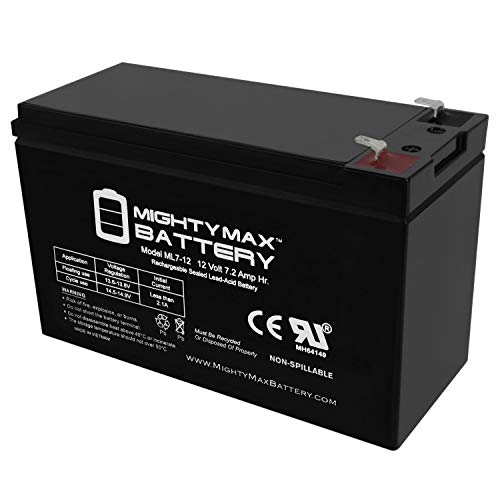
Mighty Max Battery 12V 7Ah Replacement SLA Battery for AGT LA1270

Casil 12V 7AH Rechargeable SLA Battery, Replace 12v 7ah 7.2ah EXP1270

Energizer EN7-12, 12 Volt 7 Amp Hr, Sealed Lead Acid AGM
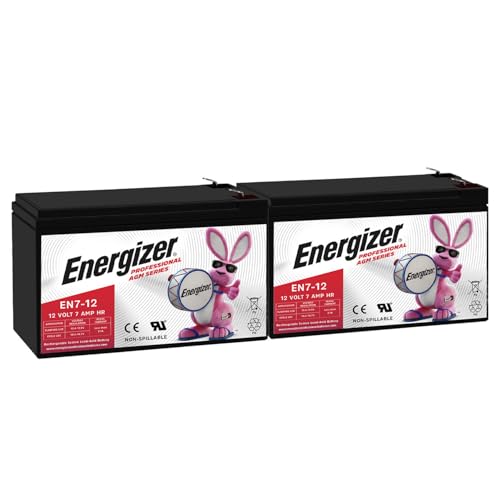
Energizer EN7-12 2-Pack 12V 7Ah AGM Rechargeable Battery
Mighty Max Battery 12V 7AH Replaces hr9-12 gp1270 sla1075 gp1270f2
More On The Choices That Made The List
GOLDENMATE’s lithium iron phosphate battery steps away from the lead-acid world and lands in a different weight class entirely. Where the Mighty Max and Casil options rely on AGM chemistry, this unit uses LiFePO4 cells rated for well over 5000 deep cycles. That number matters in real terms: a kid’s power wheel that drains daily, a fish finder that sees weekend after weekend on the water, or a camping light bank that gets topped off and drained regularly will all outlast several lead-acid replacements.
The built-in BMS (battery management system, the internal circuitry that protects against overcharge, over-discharge, and short circuits) keeps things tidy, and the IP67 rating means dust and brief water immersion are non-issues. For anyone running gear outside, near a marine environment, or on a kayak mount, that weather sealing is more than marketing fluff. Compare that to the SLA options below, which are sealed but not rated for prolonged moisture.
Notable Gains
- LiFePO4 chemistry delivers thousands of deep cycles versus a few hundred for typical SLA units, so total cost of ownership drops for daily-use gear.
- IP67 weather sealing handles splashes, rain, and the occasional dunk without panic.
- Built-in BMS protects against common failure modes and extends cell life automatically.
- Significantly lighter than a 12V 7Ah lead-acid battery, which matters for portable setups and ride-on toys.
- Low self-discharge keeps the battery ready during long storage between uses.
Trade-Offs To Consider
- Costs more upfront than the SLA options on this list, which only makes sense if you’ll use it regularly.
- Requires a charger compatible with lithium chemistry; an old SLA charger may undercharge or trip protection circuits.
- Form factor differs slightly from standard 7Ah SLA cases, so measuring your battery compartment first is smart.
Key Specs
Built With In Mind
Regular outdoor users, marine hobbyists, and parents of kids who drive power wheels until the wheels fall off get the most out of this chemistry upgrade.
Consider Something Else When
Shoppers replacing a single alarm panel battery on a tight budget should look at the Energizer EN7-12 single-pack instead, since the lithium premium isn’t justified for standby use.
Mighty Max’s ML7-12 is the classic sealed lead-acid workhorse dressed up in a slightly larger case. The dimensions come in at 5.90 by 2.50 by 3.90 inches with an F1 terminal (the small spade-style connector found on most 7Ah SLA batteries), which means it drops straight into AGT LA1270 gear and a long list of other equipment without modification. Compared to the GOLDENMATE lithium pick above, this is the older, heavier technology, but for many applications that’s exactly what the original manufacturer specced.
The AGM (Absorbent Glass Mat) construction suspends the electrolyte in fiberglass mats, making the battery spill-proof and tolerant of mounting in awkward positions. Owners commonly mount it sideways in alarm cabinets or scooter battery bays with no fuss. Wide operating temperature tolerance means garages, sheds, and unheated storage areas won’t faze it.
A Favorable Mix
- UL Certified, which matters for alarm and emergency equipment installations.
- AGM spill-proof build lets the unit sit in any orientation without leaking.
- Compact 5.90 by 2.50 by 3.90 inch footprint fits common 7Ah battery bays.
- Tolerates vibration and shock better than flooded lead-acid batteries.
Worth Noting
- Listing ships the battery only; no wire harness or mounting hardware included.
- Cycle life is much shorter than the lithium option, so daily deep-cycle use burns through it faster.
- Heavier than a lithium equivalent, which adds up in portable applications.
Whose Shelf It Belongs On
Anyone replacing a battery in AGT-branded gear, basic alarm panels, or UPS backup units where cost and proven chemistry matter more than weight.
A Better Fit Elsewhere
Anyone who routinely deep-discharges their battery in outdoor or marine conditions should reach for the GOLDENMATE LiFePO4 instead, since it handles that workload far longer.
Casil’s CA1270 covers a sprawling replacement list that includes EXP1270 and ML7-12 units, which is why it lands on so many workbenches. The dimensions are close to the Mighty Max pick above (5.94 by 2.56 by 3.7 inches) and the F1 terminal is standard. In practice, that means the Casil often fits where the Mighty Max fits, with very minor differences that rarely matter outside of the tightest custom enclosures.
The selling point is straightforward: AGM construction, maintenance-free operation, and a price that usually sits below the name-brand alternatives. For a kid’s electric scooter, a basic mobility aid, or a secondary backup battery sitting in a closet, paying extra for brand recognition often doesn’t translate to meaningful runtime gains.
Positive Takeaways
- Broad model compatibility makes it a versatile shelf-stocker for repair jobs.
- AGM spill-proof design suits awkward mounting positions.
- Maintenance-free operation means no electrolyte top-ups ever.
- Recovers well from deep discharge compared to older SLA designs.
Small Caveats
- No wire harness or mounting hardware ships with the unit.
- Brand recognition lags behind Energizer, which some installers prefer for warranty paperwork.
- Same heavy SLA weight profile as the other lead-acid entries on this list.
Right Fit For
DIYers stocking a shelf of generic replacements for scooters, ride-on toys, and small backup systems where price per battery matters most.
Look Elsewhere When
Anyone buying for a critical alarm or life-safety system will appreciate the UL listing and brand-name traceability that the Energizer EN7-12 brings to the table.
The Energizer EN7-12 leans hard on its parent brand’s reputation and pairs that name recognition with solid AGM engineering. The internal construction uses calcium tin alloy grids, which are designed for high power density and stable performance in both float (continuous trickle charge) and cyclic (regular discharge and recharge) applications. For an alarm panel that sits in standby for years, float performance is the headline spec.
Where the Casil and Mighty Max options feel more like generic parts-bin picks, the EN7-12 feels like a deliberate piece of home infrastructure. The valve-regulated, spill-proof casing prevents acid leakage, and the overpressure venting system releases gas safely if things go wrong inside.
Key Advantages
- Calcium tin alloy grids deliver stable power density across float and cyclic use cases.
- Valve-regulated casing with overpressure venting prevents messy failures.
- Low monthly self-discharge keeps the battery ready during long standby periods.
- Shock and vibration resistance suit mobile applications like scooters.
Points To Keep In Mind
- Single-unit purchase; the two-pack below is a better value for anyone needing more than one.
- Still SLA chemistry, so weight and cycle life lag behind the lithium option.
Feature Snapshot
Best Suited To
Homeowners and small-business owners who want a single, brand-backed battery for an alarm panel or backup lighting system that sits idle most of the year.
Skip It When
Anyone running two or more batteries in parallel or replacing several at once will find the Energizer EN7-12 two-pack more practical per unit.
The two-pack version of the Energizer EN7-12 covers a real practical gap: many backup and mobility setups need more than one battery, and buying singles means paying twice for shipping and packaging. The cells inside match the single-pack version spec-for-spec, so anything said about the calcium tin alloy grids and AGM build above applies here too.
For mobility scooters, the listing explicitly names this configuration as a fit, and the same goes for home alarm systems and small UPS-style backup setups. Two matched batteries also age together, which simplifies replacement timing down the road.
Points In Its Favor
- Two matched batteries ship together, useful for dual-battery scooter and alarm installations.
- Same Energizer build quality as the single-pack version with calcium tin grids and AGM construction.
- Low self-discharge rate keeps stored spares ready over long idle periods.
- Valve-regulated, spill-proof casing simplifies safe handling during swap-outs.
Practical Considerations
- Upfront cost is higher than a single unit, even if the per-battery value is better.
- Heavier shipping weight to receive and stage.
Who Will Love This
Scooter owners, alarm installers, and homeowners running dual-battery backup setups who want matched cells from a single order.
Reach For A Different Pick When
Anyone who only needs one replacement battery should grab the single Energizer EN7-12 instead, since the second cell will likely sit unused and slowly age on a shelf.
This second Mighty Max entry shares the same ML7-12 core specs as the AGT-targeted unit above, but the listing emphasizes a different replacement family: hr9-12, gp1270, sla1075, gp1270f2, wp7-12, and bp8-12. That long cross-reference list is the headline feature, since it means a single SKU covers a pile of legacy devices, including UPS backups, emergency lights, and older scooter models.
The 5.90 by 2.50 by 3.90 inch footprint and F1 terminal match the standard 7Ah SLA pattern. For anyone with a drawer full of devices on different brands, having one compatible battery in the toolbox simplifies life considerably.
Everyday Advantages
- Broad cross-compatibility with hr9-12, gp1270, sla1075, gp1270f2, wp7-12, and bp8-12 models.
- UL Certified build with F1 spade terminals for standard installations.
- AGM spill-proof construction tolerates a wide range of mounting positions.
- Handles extreme temperatures better than flooded lead-acid alternatives.
Less Ideal Details
- Listing includes the battery only; no wire harness or mounting kit.
- SLA weight and cycle life constraints apply, same as the other lead-acid entries here.
Perfect Match For
Repair techs, facilities maintenance crews, and homeowners juggling multiple devices that each use different battery model numbers from the same physical size class.
Swap It Out When
Anyone whose single device draws heavy daily current should consider the GOLDENMATE lithium pick instead, since it cycles far longer under those conditions.
Picking A 12V 7Ah Battery That Actually Fits The Job
Match The Chemistry To The Workload
The first fork in the road is lead-acid versus lithium. AGM SLA batteries like the Mighty Max and Energizer units cost less upfront and have decades of field history, which is reassuring for alarm panels and backup systems that sit idle most of the time. LiFePO4 batteries like the GOLDENMATE cost more but reward repeated deep cycling, which matters when gear gets drained and recharged daily or weekly.
Check The Physical Specs Before You Order
The 12V 7Ah class has a near-universal footprint (roughly 5.9 by 2.5 by 3.9 inches) and F1 spade terminals, but a few millimeters matter when sliding into a tight compartment. Always confirm dimensions against your existing battery or device spec sheet before clicking through to the listing, since some lithium replacements sit slightly larger or smaller than their lead-acid equivalents.
Think About Charging Compatibility
Lithium batteries require chargers built for their chemistry. Plugging an old SLA charger into a LiFePO4 battery can leave it undercharged or trigger protection circuits. For SLA batteries, a standard float charger or solar charge controller with an SLA profile works fine.
Weigh Replacement Frequency Against Upfront Cost
For occasional-use gear like a flashlight backup or a rarely-driven scooter, a value-priced SLA makes sense. For daily drivers like a kid’s power wheel or a regularly used fish finder, the lithium chemistry’s longer cycle life often pencils out cheaper over three to five years of ownership.
Key Considerations Across These Picks
Mistakes Worth Dodging
The most common slip is buying on capacity alone without checking terminal type. F1 and F2 terminals look similar but won’t accept the same connectors, so a wrong-terminal battery becomes a return. Another easy miss is assuming any 12V battery will fit any device, when the actual problem is internal BMS behavior, peak current draw, or charging profile.
Where The Extra Money Goes
The lithium pick costs more because LiFePO4 cells, BMS hardware, and weatherproofing all add expense that an AGM SLA simply doesn’t carry. That premium buys longer cycle life, lower weight, and often better warranty terms, but only when the battery actually gets used hard enough to justify it. For standby gear that rarely cycles, the extra money buys very little real-world benefit.
Frequently Asked Questions
What’s The Difference Between SLA And AGM?
SLA stands for sealed lead-acid, the broad category of batteries with liquid electrolyte sealed inside. AGM is a subtype that uses absorbent glass mats to hold the electrolyte, which makes the battery spill-proof and tolerant of mounting in any position.
Can A 12V 7Ah Battery Be Replaced With A 12V 10Ah Battery?
Yes, in most cases. A higher-capacity battery of the same voltage and similar dimensions provides longer runtime without damaging the device. The device only draws what it needs, so the extra amp-hours simply sit available until called upon.
How Long Does A 12V 7Ah Battery Typically Last?
Standby SLA batteries in alarm panels commonly last three to five years before capacity drops noticeably. Deep-cycle SLA batteries may need replacement after a couple of years of regular use. LiFePO4 batteries often run five to ten years under similar workloads, depending on depth of discharge.
Are Lithium Batteries Safe To Use Indoors?
LiFePO4 chemistry is among the safest lithium types, with a stable thermal profile and built-in BMS protection. Indoor use in well-ventilated enclosures is standard practice for these batteries, with no special venting required.
Do These Batteries Come With A Charger?
None of the listings on this list include a charger in the box. The units ship as batteries only, so a compatible charger matched to the chemistry is a separate purchase.
Closing Remarks
The right 12V 7Ah battery comes down to honest matching: chemistry for the workload, dimensions for the bay, and price for the replacement frequency you actually expect. Start with the device you need to power, measure the space if there’s any doubt, and pick the chemistry that fits how often the battery will cycle. Done that way, the choice usually makes itself.
