

I keep a mental list of the moments a power converter goes from “nice to have” to “actually necessary.” A road trip with a dead car outlet. An RV weekend where the fridge keeps flickering. A workshop where the 12V battery refuses to talk to anything with a three-prong plug. That’s exactly the gap this guide fills. Seven picks, written so you can match the right converter to your real situation rather than guessing from a spec sheet.
A Side-By-Side Look

Renogy Inverter P2 1000W Pure Sine Wave Inverter 12V DC to 120V AC

PM4 55Amp RV Power Converter with 4 Stage Smart Battery Charger

PM4 55Amp RV Power Converter with 3-Stage Charging
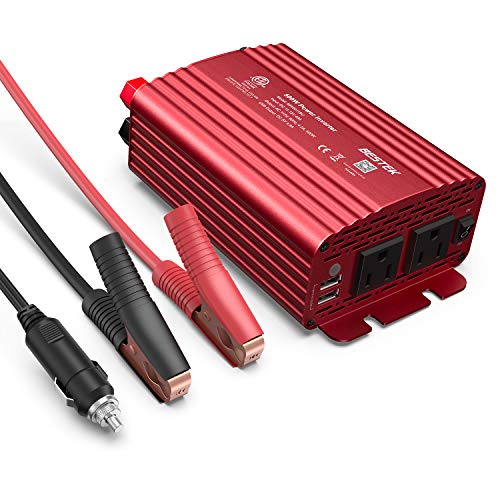
BESTEK 500W Power Inverter DC 12V to 110V AC Converter

PowerMax PM3-45 AC to DC Converter 45Amp Lithium Compatible

PM4 100 Amp RV Power Converter with 4 Stage Charger

AstroAI AC to DC Converter 10A 120W 7.78FT
Meet The Standout Selections
The Renogy P2 sits at the heavier end of the lineup, and that weight earns it a spot in serious off-grid setups. Pure sine wave output means the electricity it pushes out mirrors the clean wave your household gear expects, which matters for laptops, chargers, and anything with a sensitive power supply. The 1000W continuous rating handles small kitchen appliances and entertainment gear with room to spare.
Compared to the BESTEK road-trip unit later in this list, this one trades portability for stamina. You typically mount it near a battery bank or fixed solar array, and a wired remote lets you check status without walking to the rig. For anyone building a permanent 12V-to-house power setup, this is the level of gear I’d point them toward first.
Noteworthy Benefits
- Pure sine wave output protects sensitive electronics from humming or overheating.
- 1000W continuous handles microwaves, blenders, and tool chargers simultaneously in many cases.
- Built-in 5V/2.1A USB port adds phone charging without burning an AC outlet.
- Wired remote keeps you from opening battery compartments just to check status.
Things To Consider
- The aluminum chassis can run warm under sustained heavy load, so ventilation around it matters.
- Over 2000W peak surge is generous, but startup draw from motors can still trip the protection circuit if your battery is undersized.
Feature Snapshot
Made For
Off-grid solar enthusiasts and RV owners running a permanent power system who want clean electricity for laptops, entertainment gear, and small kitchen appliances.
Skip It When
A casual road-tripper who only needs to charge a phone in the car should reach instead for the BESTEK 500W Power Inverter.
This unit flips the usual direction. Instead of pulling 12V from a battery to make 110V, it takes shore power and turns it into clean 12V to run lights, fans, water pumps, and the radio in an RV. The 55A output covers the typical mid-size coach, and the integrated 4-stage charger keeps house batteries topped up without overcooking them.
Where the Renogy P2 above is the rugged inverter for off-grid rigs, this one is a swap-in replacement for a worn-out RV converter. You unbolt the old box, drop this in its place, and reconnect the same leads. Owners upgrading from older single-stage converters commonly notice their batteries holding charge longer between trips.
Useful Strengths
- 4-stage charging extends battery life by avoiding constant full-voltage stress.
- Clean DC output reduces radio interference and fan noise on sensitive electronics.
- Drop-in form factor simplifies the swap-out process for older RV electrical bays.
Trade Offs
- 55A can feel light for coaches running residential refrigerators and entertainment systems at the same time.
- Installation still calls for basic 12V wiring knowledge and a properly rated fuse between the unit and the battery.
Right Fit For
RVers with a mid-size coach and a lead-acid or AGM house battery who need a quiet, modern replacement converter that charges smarter than the original.
Look Elsewhere When
Anyone running a large Class A with multiple high-draw appliances should move up to the PM4 100 Amp RV Power Converter further down the list.
This 55A sibling takes a slightly different charging philosophy and a quieter fan curve. The 3-stage automatic charger handles bulk, absorption, and float without the extra equalization stage of the previous PM4. Where it really wins is the cooling profile: the fan stays dormant at low draw and only spins up once the heat justifies it.
I think of this one as the bedroom-RV choice. If your converter sits under a bench where you sleep, a loud fan ruins a weekend fast. Compare that to the PowerMax PM3-45 below, which uses an always-on fan design, and the difference at 2 a.m. is obvious.
The Helpful Details
- Fan-on-demand design keeps ambient noise low during light loads.
- 3-stage charging is plenty for the common flooded and AGM house batteries.
- Wide input range handles shore power that isn’t perfectly stable at older campgrounds.
Points To Note
- Without the equalization stage, deeply sulfated batteries may take longer to recover.
- 55A ceiling means heavy inverter users will still trip the protection during microwave-and-coffee mornings.
Whose Shelf It Belongs On
RVers who camp in quiet spots and value a low hum during overnight charging more than they need high-amp recovery.
Swap It Out When
A power-hungry coach running long coffee-and-microwave sessions will be happier served by the PM4 100 Amp RV Power Converter later in this guide.
The BESTEK 500W is the inverter most people picture when they think “car power outlet.” It clamps onto a battery, plugs into the cigarette lighter for lighter loads, and gives you two household outlets plus two USB ports on the road. The 500W continuous rating covers laptops, camera chargers, and small kitchen gear without breaking a sweat.
Compared to the Renogy P2 above, this unit trades the heavy-duty frame for true grab-and-go portability. You stash it in a trunk between weekends. The ETL listing also gives peace of mind that the safety claims have been independently checked.
Reasons It Performs
- Alligator clamps let you tap a battery directly for higher-draw devices.
- Dual smart USB ports adjust output so phones and tablets charge at sensible rates.
- Compact form factor slides under a seat or behind the passenger footwell easily.
Worth Bearing In Mind
- Modified sine wave output can make some laptops and audio gear hum or run warmer than they would on a pure sine unit.
- Cigarette-lighter input tops out around 150W before the fuse complains, so heavier loads demand the alligator clamps directly.
Feature Card
Best Suited To
Drivers and road-trippers who want a versatile, portable inverter for laptops, cameras, and small appliances during long drives or tailgate weekends.
Consider Something Else When
Anyone running sensitive studio equipment or building a permanent off-grid setup will want the pure sine wave delivery of the Renogy Inverter P2.
The PowerMax PM3-45 lives on the workbench side of the converter world. It pulls 110V from the wall and pushes out adjustable 0-12V DC at up to 45 amps, which makes it the right shape for ham radio benches, 12V audio system repairs, and any project where you need reliable DC power from a household outlet. The lithium-compatible charging profile is a modern touch for the workshop crowd.
It earns the “Built To Last” badge because PowerMax has been on the same general design path for years. Owners of older PM3 units commonly report that the casing and mounting holes remain interchangeable with newer revisions, which simplifies replacements for fleet shops.
What Helps Most
- Adjustable output voltage from 0-12V lets you match different battery chemistries and device needs.
- 3-stage charging works with lithium, AGM, and flooded batteries without manual jumper changes.
- LED indicator gives a quick visual check on charge status from across the bench.
Room For Improvement
- The always-on cooling fan is louder than the fan-on-demand design of the quieter PM4 unit earlier in this list.
- 45A ceiling means it cannot push the very largest RV or marine battery banks back from a deep discharge as fast as a 55A or 100A box would.
Quick Facts
Who It Suits Best
Workshop hobbyists, ham radio operators, and audio installers who want a wall-powered 12V source that doubles as a battery charger on the same bench.
Another Choice May Suit
Anyone focused on quiet overnight RV charging will prefer the PM4 55Amp RV Power Converter with 3-Stage Charging over this louder workshop unit.
The PM4 100A is the big brother of the 55A units already on this list. It carries the same 4-stage smart charging architecture, but the doubled current rating makes a tangible difference when a coach runs residential refrigerators, satellite entertainment systems, and large battery banks at the same time. Shore-power mornings with a dead battery recover faster too.
Where the 55A models protect smaller rigs from overload, this one targets the heavy coach owner who has blown through two or three OEM converters and wants a more capable replacement. Installation is otherwise identical: same form factor, same wiring scheme, same idea.
A Strong Showing
- 100A output supports residential fridges and entertainment systems on the same circuit.
- 4-stage charging with equalization recovers deeply discharged batteries faster.
- Drop-in fit simplifies the swap from older lower-amp OEM converters.
Some Limits To Know
- The higher current draw from shore power requires the campground pedestal to be solid. Weak 30A hookups can sag under a 100A charging cycle.
- Heat output is noticeably higher than the 55A siblings, so the bay needs proper airflow during long charges.
Who Should Grab It
Full-time RVers and large Class A coach owners who run multiple high-draw 12V appliances and want charging that keeps up with daily use.
Reach For A Different Pick When
Anyone running a smaller camper or van build will get more value from the PM4 55Amp RV Power Converter with 4 Stage Smart Battery Charger listed earlier.
The AstroAI converter sits in a category of its own. It looks more like an oversized phone charger than a converter, but it does exactly the one job many people actually need: it turns a household 110V outlet into the 12V cigarette-lighter socket that a car accessory expects. Plug it in the garage, and your portable tire inflator, dash cam, or car cooler works indoors.
Compare that to the BESTEK 500W inverter above, which does the opposite: turning 12V into 110V. If your problem is “I want my car accessory to run from a wall outlet,” this AstroAI is the answer. If your problem is “I want a wall outlet in my car,” the BESTEK is.
The Upside
- 7.78-foot cord reaches across most garages and workbenches without an extension.
- Plug-and-play design needs no wiring or battery clamps.
- Built-in protection covers overcharge, short circuit, and overheating for daily peace of mind.
A Few Limitations
- 120W ceiling rules out anything beyond small car accessories and string lights.
- The cigarette-larger plug shape means accessories that need bare-wire 12V connections require an extra adapter.
Product Snapshot
Perfect Match For
Garage tinkerers and apartment dwellers who want to run car accessories, string lights, or a car cooler from a regular wall outlet without any wiring.
Not Your Match When
Anyone needing serious household power from a battery should jump to the BESTEK 500W Power Inverter earlier in this roundup.
How To Match A 12 Volts To 110 Converter To Your Situation
Know Which Direction You Need
The single biggest fork in the road is the direction of the conversion. An inverter takes 12V DC from a battery and makes 110V AC for household gear. A converter does the opposite, pulling 110V AC from shore power or a wall outlet and producing 12V DC for RV or accessory systems. The Renogy P2 and BESTEK 500W are inverters. The PM4 converters and PowerMax PM3-45 are converters. The AstroAI is a specialized converter for car accessories.
Match Wattage To Your Real Load
Wattage ratings fall into two buckets: continuous and peak surge. Continuous is what the unit can deliver all day. Peak surge is the brief burst it can handle when a motor or compressor kicks on. For a laptop and phone charger, 100-300W covers it. For a microwave or small power tool, plan for 800W and up. The Renogy P2 and PM4 100A are the units designed for those heavier demands.
Pure Sine vs. Modified Sine
Pure sine wave output mirrors the clean electricity your wall produces, which sensitive electronics prefer. Modified sine wave is rougher but cheaper, and works fine for simple resistive loads like heaters and incandescent lights. The Renogy P2 delivers pure sine. The BESTEK uses modified sine to keep cost down for casual road use.
Think About Where It Lives
A trunk-friendly inverter like the BESTEK travels with you. A wall-mounted RV converter stays put in the equipment bay. A workbench converter like the PowerMax PM3-45 needs solid airflow and a flat surface. Picking the right shape for the right space saves frustration later, especially around ventilation and cable runs.
Battery Compatibility And Charging Profile
If you are charging batteries, the charging profile matters more than peak amps. 3-stage and 4-stage chargers protect battery life far better than a single-stage constant-voltage approach. Lithium compatibility, like on the PowerMax PM3-45, opens options for modern battery banks. Confirm chemistry match before you buy.
Smarter Decisions Before You Buy
Mistakes Worth Dodging
The most common slip-up is buying an inverter when the job actually calls for a converter, or vice versa. The next is chasing peak wattage without checking continuous output, then watching a motor trip the protection circuit the first morning. A third trap: ignoring ventilation. Heavy converters and inverters build heat, and a sealed cabinet without airflow shortens component life fast.
When Paying More Pays Off
Higher-tier converters and inverters earn their keep in three places. They deliver cleaner power that protects sensitive gear. They manage heat better with smarter fans, which is why the quieter PM4 and the fan-on-demand design exist. And they typically include multi-stage charging profiles that extend battery life across hundreds of cycles. For full-time RVers, off-grid homeowners, and serious workshop use, the extra cost buys longer service and fewer headaches.
