

Shopping for a 12V lithium ion battery used to feel like a niche task, the kind of thing only marine folks or RV owners worried about. Today, anyone running fish finders, ride-on toys, off-grid solar, or even a small trolling motor is paying attention to chemistry, weight, and cycle life. The shift from lead-acid to lithium iron phosphate (LiFePO4, a battery type that resists overheating and lasts far longer per charge) has changed what a “good” 12V pack looks like, and the field is crowded.
I’ve sorted through seven solid options that cover the spectrum, from a tiny 7Ah replacement for kids’ power wheels to a 100Ah trolling-motor workhorse. Some are batteries, some are chargers and kits, because in this category, the gear that keeps your pack healthy matters just as much as the pack itself.
The Leading Options At A Glance

GOLDENMATE 12V 10Ah LiFePO4 Lithium Battery, IP67 Waterproof
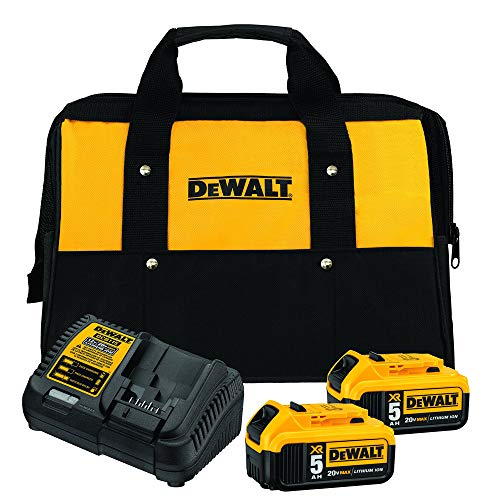
DEWALT 20V MAX Battery Charging Kit, 5Ah, 2 Batteries
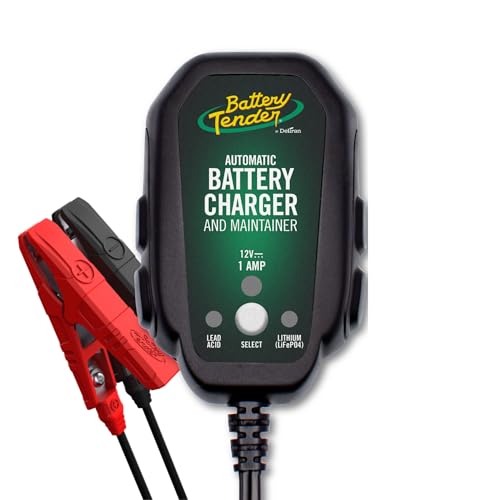
Battery Tender Junior 12V, 800mA Charger and Maintainer

Milwaukee M12 12V Battery Charger with LED Indicator

GOLDENMATE 12V 7Ah Lithium LiFePO4 Battery, IP67

GOLDENMATE 12V 12Ah LiFePO4 Battery, 2-Pack, IP67

Renogy 12V 100Ah Trolling Motor LiFePO4 Battery, Bluetooth
What Each Pick Brings To The Table
The 10Ah sitting in the middle of the GOLDENMATE lineup is the one most folks reach for, and for good reason. It runs a fish finder through a full day on the water, keeps a small camping lantern going all weekend, and slips into a power wheels compartment without forcing parents to rewire anything.
Its IP67 rating (a dust-tight, water-submersible up to one meter for short periods) means a splash at the dock or a rained-on tent won’t end its life. The built-in BMS handles the safety basics, so the battery cuts off before things go sideways during a deep discharge or accidental short. For anyone stepping up from a clunky SLA (sealed lead-acid) battery, the weight difference alone is worth the switch.
Reasons It Performs
- 10Ah hits the sweet spot between runtime and footprint for most recreational 12V loads
- IP67 housing lets it shrug off splashes, rain, and brief dunks without panic
- Internal BMS guards against overcharge, deep discharge, and short circuits
- LiFePO4 chemistry holds voltage steadier through the cycle than lead-acid alternatives
Things To Consider
- Confirm your device’s connector matches the terminals before assuming a drop-in swap
- Storage in freezing temps should be avoided; LiFePO4 cells prefer a moderate climate
Feature Snapshot
Who It Suits Best
Recreational users running a fish finder, kayak lights, or a small mobility scooter on weekends.
Look Elsewhere When
You need a true deep-cycle pack for a trolling motor; the Renogy 12V 100Ah Trolling Motor LiFePO4 Battery is the better fit.
Yes, this is technically a 20V MAX kit, but the included DCB115 charger handles 12V, 20V, and 60V DEWALT packs, so anyone already in the ecosystem can use it to maintain 12V batteries alongside their bigger tools. That flexibility is the real story here.
Two 5Ah packs give trades and serious DIYers a hot-swap rotation: one in the drill, one on the charger. The included soft storage bag keeps the rig tidy in a truck bed or job-site trailer. It’s not a deep-cycle leisure battery, so framing it that way misses the point.
Bright Spots
- Charger is multi-voltage, accepting 12V, 20V, and 60V DEWALT packs
- Two 5Ah batteries mean continuous work without waiting on a recharge
- Soft bag keeps the kit organized and protected during transport
Points To Keep In Mind
- Doesn’t function as a stationary 12V storage battery; it’s built for tool runtime
- Useful only if you’re already in or planning to enter the DEWALT 20V ecosystem
Made For
DEWALT tool owners who want a charging hub that also handles their 12V packs without buying extra chargers.
Consider Something Else When
You need a stationary 12V lithium ion battery for solar or marine use; the Renogy 12V 100Ah Trolling Motor LiFePO4 Battery serves that role better.
The Battery Tender Junior is one of those quiet pieces of garage gear that nobody talks about until their snowmobile battery dies in March. It’s a maintainer, meaning it’s designed to sit connected for weeks and gently top up a battery so it doesn’t sulfate (a process where lead-acid batteries build up hard crystals and lose capacity) over a long off-season.
The push-button chemistry switch is the upgrade here. Lead-acid and lithium need different charging profiles, and this unit handles both. For households running a mix of motorcycles, lawn tractors, and a lithium-equipped ATV, that flexibility removes a small pile of single-purpose chargers.
Key Advantages
- Switchable profile covers lead-acid (AGM, flooded, gel) and lithium (LiFePO4) packs
- 800mA output is gentle enough for long-term maintenance without overcooking cells
- Compact form factor tucks into a shelf or hangs on a wall hook
Soft Spots
- 800mA is slow for reviving a deeply discharged battery; expect patience
- Not a primary charger for large deep-cycle banks; it’s a maintainer
Feature Snapshot
Best Suited To
Garage owners with multiple stored vehicles who want one charger to babysit a fleet through the off-season.
A Better Fit Elsewhere
Active trolling motor users needing bulk capacity should look at the Renogy 12V 100Ah Trolling Motor LiFePO4 Battery instead.
The Milwaukee M12 charger is a small, almost boring piece of kit, and that’s its appeal. It sits on a workbench, blinks its LEDs, and reliably tops off M12 packs without fuss. For trades already standardized on the M12 platform (12V tools covering everything from compact drills to inspection cameras), it’s an essential accessory.
Compact M12 packs can finish a full charge in around half an hour, while the higher-capacity extended packs land closer to sixty minutes. The onboard LEDs give an honest read on where the battery sits in the cycle, so you’re not guessing when to grab the spare.
Everyday Perks
- Compact packs fully charge in roughly 30 minutes during a coffee break
- LED indicator gives a clear read on charging status at a glance
- Genuine OEM unit, so M12 battery warranty terms stay intact
Honest Caveats
- Useful only with Milwaukee M12 batteries; no third-party or other-voltage support
- Doesn’t store or supply portable power on its own
Feature Snapshot
Perfect Match For
Milwaukee M12 owners who want an authentic, warranty-friendly charger that keeps the system honest.
Skip It When
You’re not invested in the M12 ecosystem; the DEWALT 20V MAX Battery Charging Kit covers a wider voltage range.
The 7Ah sibling to the GOLDENMATE 10Ah trims things down for loads that don’t need much. Around 2 pounds, it slips into a kid’s ride-on toy, a kayak-mounted fish finder rig, or a small emergency lighting box without adding noticeable heft.
It’s a tidy replacement for the ubiquitous 12V 7Ah SLA brick that’s been floating around hardware stores for decades, with the usual lithium advantages: longer cycle life, no acid, and a much lower self-discharge rate when sitting on a shelf.
Useful Strengths
- Lightweight 2.07 lb design fits tight compartments where SLAs barely squeeze in
- Same IP67 waterproofing as its bigger GOLDENMATE siblings
- Drop-in form factor matches common 12V 7Ah battery trays
Trade Offs
- 7Ah capacity caps it to lower-draw uses; not for trolling motors or inverters
- Need a LiFePO4-compatible charger to get the most out of the cells
Feature Snapshot
Whose Shelf It Belongs On
Parents replacing tired SLA batteries in ride-on toys and anglers building compact kayak electronics rigs.
Not Your Match When
You need a higher-capacity single pack; the GOLDENMATE 12V 10Ah LiFePO4 Lithium Battery stretches runtime further.
Buying 12V lithium in pairs is a common pattern: one in service, one on standby. The GOLDENMATE 12Ah 2-pack gives you that rotation out of the box without sourcing matching cells later. It’s also a tidy way to build redundancy into a small solar or off-grid lighting setup.
The 12Ah capacity bumps runtime meaningfully past the 10Ah model, useful for users running slightly hungrier accessories like portable refrigerators or CPAP machines on camping trips. You still get the IP67 housing and integrated BMS from the smaller siblings.
Practical Pluses
- Two-pack format reduces cost-per-pack and gives a ready spare
- 12Ah extends runtime for portable fridges, lighting banks, and small inverters
- Matched cells simplify parallel wiring for higher current needs
Small Caveats
- Parallel wiring demands identical batteries; this pair ships matched, but future replacements should match too
- Heavier than the 7Ah model by roughly a pound per pack
Feature Snapshot
Right Fit For
Campers and off-grid tinkerers who want a matched pair to run a portable fridge and lighting through a weekend.
Swap It Out When
You only need a single pack for light loads; the GOLDENMATE 12V 7Ah Lithium LiFePO4 Battery is lighter and cheaper.
The Renogy 100Ah is the heavy hitter of this roundup, a Group 24-size deep-cycle (Group 24 is a standardized battery case size, roughly 10 x 6.75 x 9 inches, so it fits common marine trays) pack aimed squarely at trolling motors, RV house banks, and off-grid solar arrays. Bluetooth monitoring is the standout feature for anyone who’s ever wondered how much capacity is left without climbing into a hatch.
It weighs around half what a comparable lead-acid would, and the 150A continuous discharge handles the kind of current draw a trolling motor pushes on a long day of fishing. The 100A BMS adds another layer of safety, cutting off before voltage or current gets into trouble territory.
Strong Points
- Bluetooth gives real-time state of charge, voltage, and current readings from a phone
- 150A continuous, 300A surge discharge supports demanding trolling motors and inverters
- Group 24 form factor slots into common marine and RV battery trays
- IP67 rating handles spray and splash zones on deck
Possible Compromises
- Bigger up-front cost than smaller-capacity alternatives in this roundup
- Bluetooth app adds complexity users may not need for stationary setups
- Requires a LiFePO4-compatible charger to reach rated cycle life
Feature Snapshot
Who Should Grab It
Anglers, RV owners, and off-grid builders who want a deep-cycle pack with real-time monitoring and marine-grade toughness.
Reach For A Different Pick When
You’re running smaller loads like fish finders or ride-on toys; the GOLDENMATE 12V 10Ah LiFePO4 Lithium Battery is a much lighter fit.
Matching Capacity To Your Real-World Load
Start with the device, not the battery. A fish finder pulling 1A needs roughly a 10Ah pack to last a full day. A trolling motor pulling 30A needs a 100Ah deep-cycle bank. Picking a battery that comfortably exceeds your amp-hour demand is what separates a stress-free outing from one spent rationing power.
Chemistry matters more than most shoppers realize. LiFePO4 cells run safer, last longer, and weigh less than the older lithium-ion chemistries or SLAs they replace. They do need a charger designed for their charging profile, though. Plugging a lead-acid-only charger into a LiFePO4 pack can undercharge it, and you won’t see the runtime you paid for.
Form Factor, Weight, And Where It Lives
Size dictates more than capacity. A Group 24 pack fits a marine tray; a 7Ah brick fits a toy compartment. Before anything else, measure the spot. Then think about weight, especially for portable use. Lithium’s weight advantage compounds in anything you carry: a kayak, a camper shell, a backpack rig for off-grid photo shoots.
The Charging Question
Every lithium battery on this list needs a charger matched to its chemistry. The Battery Tender Junior handles both lead-acid and LiFePO4, which is why it earns a spot here. For larger banks, look for a charger with a dedicated lithium profile and enough amperage to refill the pack in a reasonable window. A 100Ah pack on a 5A charger takes around 20 hours, so undersizing the charger turns a quick top-up into an overnight affair.
Common Slip Ups Worth Dodging
Buying a battery with terminals that don’t match your device is a frustrating return. Skip that by checking the connector type before ordering, and consider adapters if you switch platforms.
Another miss is treating LiFePO4 like SLA in cold weather. These cells dislike charging below freezing, and pushing current into a frozen pack can damage them. For outdoor setups in cold climates, plan storage in a heated space or choose a chemistry with a low-temp charging cutoff.
Where The Extra Money Goes
Stepping up from a 10Ah recreational pack to a 100Ah deep-cycle model means paying for more than capacity. You get Bluetooth monitoring, a beefier BMS (here rated at 100A versus the smaller units’ unspecified but lower limits), surge capacity for motor startup, and a longer cycle rating. The trade-off shows up in cost and weight, and for casual users it’s overkill.
For boat owners, RV travelers, or anyone running a small off-grid system, that upgrade pays off in fewer mid-trip charges and a pack that won’t flinch when a trolling motor surges. For weekend toy users, the smaller GOLDENMATE packs deliver the same LiFePO4 advantages at a fraction of the cost.
Frequently Asked Questions
How long does a 12V lithium ion battery last? LiFePO4 packs typically deliver several thousand charge cycles before capacity drops noticeably, often translating to many years of regular weekend use.
Can I use a regular lead-acid charger on a lithium battery? It’s best to use a charger with a lithium-compatible profile, since lead-acid-only chargers may not reach the correct voltage range and can leave the pack undercharged.
Are LiFePO4 batteries safe indoors? Yes. LiFePO4 chemistry is thermally stable and emits no gas during normal use, making it a common choice for indoor solar banks and emergency lighting setups.
What’s the difference between Ah ratings? An amp-hour (Ah) rating tells you how many amps a battery can deliver for one hour. A 10Ah pack runs a 1A load for about 10 hours, while a 100Ah pack handles a 10A load for the same period.
Do lithium batteries work in cold weather? They discharge fine in cold conditions, but charging below freezing requires a pack with a low-temperature cutoff or a heated enclosure to protect the cells.
The Takeaway
A 12V lithium ion battery is one of those quiet upgrades that pays back every time you use it. Match the capacity to the load, the form factor to the space, and the charger to the chemistry, and the rest takes care of itself. The picks above cover everything from a 7Ah toy replacement to a 100Ah trolling-motor bank, so the right pack for your setup is somewhere on this list.
