

Running power out to a garden shed, lighting up a backyard, or wiring a low-voltage landscape system all start with the same decision: which cable can I trust in the dirt? Outdoor-rated 12/2 wire handles loads that lighter gauges cannot, and choosing the right jacket, conductor, and length prevents headaches later. I put together this list of six solid options that cover direct burial, marine runs, and car audio setups, so the right spool matches the project on your bench.
Your Options, Compared
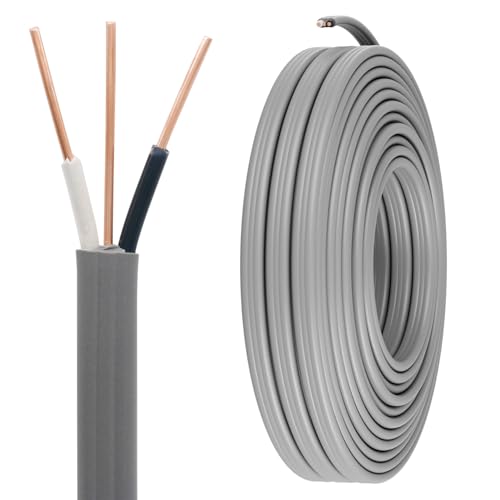
FIRMERST 12/2 UF Direct Burial Underground Feeder Cable 50ft
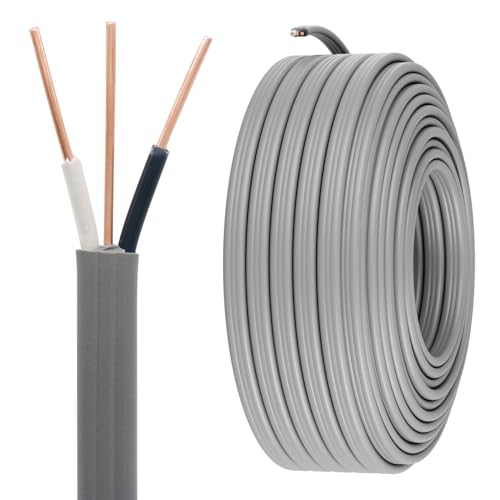
FIRMERST 12/2 UF Direct Burial Underground Feeder Cable 100ft

FIRMERST 12/2 UF Direct Burial Underground Feeder Cable 150ft

Ancor Marine Grade 126325 Safety Duplex Cable 12/2 AWG 250ft

Nilight 100FT 16AWG Copper Clad Aluminum Wire 16/2

KeyLine Chargers 12 Gauge Speaker Wire 100ft CL3 CL2
A Deeper Look At The Lineup
Short backyard runs rarely need a full 100-foot spool, and that is exactly where the FIRMERST 50-foot option earns its keep. The cable uses a 12 AWG solid copper conductor with an included ground, making it a true UF-B rated feeder (UF-B is the underground feeder designation that allows direct burial without conduit in most residential settings). For a shed, a small outbuilding, or a short landscape lighting trunk, this length keeps waste low and handling easy.
Working with 50 feet means less coil weight on a cold morning, which helps when feeding the wire through conduit or along a shallow trench. Compared with the longer FIRMERST spools below, this one is the friendliest pick for first-time installers who want enough wire to finish the job without paying for slack they will never use.
What Stands Out
- Solid copper 12 AWG conductor with ground for steady current delivery
- UF-B jacket rated for direct burial in dry or wet locations
- 50-foot length keeps the spool light and easy to manage
- ETL listing supports code-conscious installations
- PVC outer jacket resists corrosion and UV exposure above ground
Honest Caveats
- Solid conductor is less flexible than stranded wire through tight bends
- 50 feet can run short on longer property runs, so measure carefully first
Feature Snapshot
Who Will Love This
First-time DIYers running a short, code-compliant outdoor circuit to a shed or garden light will find this length and rating easy to work with.
Reach For A Different Pick When
The FIRMERST 12/2 UF Direct Burial Underground Feeder Cable 100ft is the better match for anyone trenching past a small property or powering a detached garage.
The 100-foot FIRMERST spool hits the sweet spot for most homeowner projects. A 12 AWG solid copper conductor paired with a PVC jacket and ground wire gives the same electrical backbone as the 50-foot version, just with more reach. For a subpanel feed to a detached workshop, a backyard outlet circuit, or landscape lighting along a moderate fence line, this length usually lands you within a few feet of where you need to land.
Owners commonly appreciate that 100 feet still coils onto a standard hand truck without turning into an unwieldy beast. Coming in just after the 50-foot option, this spool trades a bit of weight for far more versatility, which is why it ends up being the default choice for many DIYers.
Features That Help
- Solid 12 AWG copper conductor handles standard 20-amp loads
- ETL-listed for direct burial, no conduit required
- PVC jacket shrugs off moisture and sunlight exposure
- Includes ground wire for proper equipment bonding
- Outer diameter of 5.6 by 11.8mm fits common UF connectors
Trade Offs
- Solid core can kink if forced through sharp sweeps without help
- 100 feet may be excessive for compact projects where the 50-foot FIRMERST would do
Made For
Homeowners powering a detached garage, shed subpanel, or a mid-sized landscape lighting setup will find this length covers most runs with a little slack to spare.
A Better Fit Elsewhere
The FIRMERST 12/2 UF Direct Burial Underground Feeder Cable 150ft is the smarter choice when trenching across a long yard or feeding a far corner outbuilding.
Longer properties and ambitious trenching projects need a spool that does not leave you splicing extra runs together. The 150-foot FIRMERST cable carries the same 12 AWG solid copper conductor and ETL-listed UF-B jacket as its smaller siblings, just with the extra footage to bridge a backyard pool house, a long driveway, or a barn. Fewer splices also means fewer potential failure points buried underground.
Heavier spools can be tiring to wrestle alone, so a second pair of hands during payout is worth planning. Compared with the 100-foot pick above, this one trades manageable weight for fewer mid-run junctions, which is the right call for serious landscape projects.
What It Does Well
- 150-foot reach covers extended trenching without splicing
- 600-volt rating supports 20-amp and select 30-amp outdoor circuits
- Direct-burial jacket rated for dry or wet conditions
- Solid copper core holds up to long-term buried loads
- Compatible with standard UF-B connectors and fittings
Points To Keep In Mind
- Heavier spool can be awkward to unroll without a helper
- Overkill for tight backyard runs where the 100-foot option would do
Best Suited To
Property owners running power to a far barn, pool equipment pad, or a long landscape lighting trunk will appreciate the extra footage.
Look Elsewhere When
The FIRMERST 12/2 UF Direct Burial Underground Feeder Cable 50ft is a leaner option for short shed feeds where carrying 150 feet feels wasteful.
Boats, docks, and shoreline installations punish ordinary wire with salt spray, vibration, and constant flexing. The Ancor 126325 duplex cable is built for exactly that world, using tinned copper strands that resist corrosion far better than bare copper in wet environments. Tinning means each individual copper strand is coated with a thin layer of tin, which dramatically slows oxidation when the wire lives around saltwater.
The round duplex profile (two conductors bundled into one round jacket) makes routing through boat rigging and cable clamps far tidier than flat zip cord. Sitting alongside the FIRMERST direct-burial picks above, this Ancor cable trades land-friendly UF-B ratings for marine-grade construction that shrugs off spray and engine heat.
Standout Benefits
- Tinned copper strands fight corrosion in saltwater environments
- Type 3 stranding resists fatigue from vibration and constant flexing
- Round duplex jacket simplifies routing through marine rigging
- Designed to meet common boat and ABYC electrical safety standards
Small Caveats
- 250-foot reel is excessive for small boats and tender garages
- Specialized marine pricing reflects premium construction
Feature Snapshot
The Right Fit
Boat owners and dock builders running DC circuits through saltwater environments will benefit most from the tinned construction.
Skip It When
For backyard trenching and shed feeds, the FIRMERST 12/2 UF Direct Burial Underground Feeder Cable 100ft is a simpler, less costly match.
Car audio amplifiers, trailer harnesses, and 12-volt accessory runs rarely need full 12 AWG copper unless the run stretches past 20 feet. The Nilight 100-foot roll steps down to 16 AWG copper clad aluminum (CCA), which sandwiches an aluminum core under a copper skin. The result is lighter, more flexible, and easier to snake behind a dash than equivalent solid copper wire.
The red and black jacket color-coding makes polarity mistakes hard to commit, which matters when hooking up an amp or a sub. Compared with the direct-burial UF-B options above, this wire trades burial rating and heavy-gauge ampacity for low-voltage DC friendliness in a vehicle.
What Works In Its Favor
- CCA construction keeps the cable light and easy to route
- Red and black jackets simplify correct polarity hookups
- PVC sheath stays flexible for tight vehicle cavities
- 100-foot roll covers full vehicle builds with margin
A Few Limitations
- CCA carries less current than equivalent solid copper at the same gauge
- Not rated for direct burial or household AC circuits
Built With In Mind
DIY installers wiring a car amp, subwoofer, or 12-volt accessory circuit will appreciate the light weight and color-coding.
Consider Something Else When
For any AC household or underground run, the FIRMERST 12/2 UF Direct Burial Underground Feeder Cable 100ft is the correct cable family to reach for instead.
Outdoor speaker zones, patio audio, and burial-rated low-voltage lighting all benefit from stranded oxygen-free copper. The KeyLine Chargers 100-foot roll uses true 12-2 AWG OFC (oxygen-free copper, prized for high conductivity and corrosion resistance) with 180 fine strands per conductor, which keeps the wire flexible for routing through conduit or around tight corners. CL3 and CL2 ratings (the National Electrical Code classes for in-wall and riser low-voltage cable) allow safe routing behind drywall and underground for low-voltage landscape audio.
Compared with the solid-core UF-B feeder cables earlier in this list, this stranded speaker wire is built for signal quality and flex rather than household ampacity. For a backyard speaker pair, a patio sub, or in-wall home theater runs, the OFC conductor preserves clean audio over distance.
The Upside
- Oxygen-free copper conductor preserves audio signal clarity
- 180-strand construction stays flexible for tight routing
- CL3 and CL2 ratings allow in-wall and direct burial installs
- 12 AWG gauge handles long outdoor speaker runs without signal loss
Honest Caveats
- Specialized for low-voltage signal, not household AC power circuits
- Stranded design requires careful terminations to avoid stray strands
Whose Shelf It Belongs On
Homeowners running outdoor audio, patio speakers, or in-wall home theater wire will appreciate the burial-rated flexibility and OFC conductor.
Another Choice May Suit
For any 120-volt AC outdoor circuit, the FIRMERST 12/2 UF Direct Burial Underground Feeder Cable 100ft is the proper wire family for the job.
Picking The Right 12 2 Cable For The Job
Choosing 12/2 outdoor wire starts with matching the cable type to the environment, not just the length. UF-B direct-burial cable like the FIRMERST spools above carries household AC safely underground, while marine tinned copper like the Ancor duplex handles salt spray on docks and boats. Low-voltage signal and audio runs call for stranded OFC speaker wire, and 12-volt DC accessory installs pair better with lighter CCA wire. Knowing whether the run is AC power, low-voltage audio, or DC accessory helps narrow the field fast.
Gauge and conductor material drive safety and performance more than any marketing claim. Solid 12 AWG copper handles typical 20-amp residential circuits with margin, while stranded 12 AWG OFC trades some ampacity for flexibility in audio runs. CCA wire saves weight but carries less current per gauge, so it should stay inside vehicle and light DC projects rather than household circuits.
Length and jacket rating round out the decision. Measure the trench or route, add slack for turns and service loops, and confirm the jacket is rated for the environment, whether that is direct burial, UV exposure, or marine spray. A little extra footage costs far less than a mid-run splice buried in the yard.
Key Considerations Across These Picks
Where Shoppers Go Wrong
The most common slip-up is grabbing the wrong cable family for the job, such as using indoor Romex for an underground run, or speaker wire for a 120-volt circuit. Outdoor feeder cable must be UF-B rated for direct burial, and marine runs need tinned copper to survive saltwater. Mixing these up voids safety margins and can fail inspection.
Why Top Tier Costs More
Marine tinned copper and oxygen-free copper both cost more because the conductor materials and stranding process are more involved. Paying up earns real corrosion resistance, better flexibility, and longer service life in harsh environments, which is worth it for boats, docks, and outdoor audio where cheaper wire tends to degrade fast.
Frequently Asked Questions
What does 12/2 mean on outdoor wire?
The 12 refers to the AWG gauge (American Wire Gauge, where smaller numbers mean thicker wire), and the 2 means two current-carrying conductors plus a ground, which is standard for a basic 120/240-volt circuit.
Can I bury 12/2 UF-B cable directly without conduit?
Yes, UF-B rated cable is specifically designed for direct burial without conduit, though local code may still call for a warning tape or a minimum burial depth.
Is tinned copper necessary for marine wiring?
In saltwater or spray-prone environments, tinned copper dramatically slows corrosion and is widely recommended over bare copper for marine circuits.
Can I use speaker wire for an outdoor outlet?
No, speaker wire is rated for low-voltage signal only and cannot safely carry household AC loads, even though the gauge numbers look similar.
How deep should I bury outdoor feeder cable?
Typical residential code asks for 12 to 24 inches depending on the circuit type, but always check your local electrical code before trenching.
The Takeaway
The right 12/2 outdoor wire depends entirely on what you are powering and where it lives. UF-B direct burial cable handles household AC circuits underground, marine tinned copper belongs on boats and docks, OFC speaker wire carries clean audio outdoors, and CCA wire fits low-voltage DC accessories. Match the cable family to the environment first, then dial in length, and the project usually runs smoothly from trench to termination.
