Essential Off-Grid Gear Every Homesteader Needs

Equip yourself with essential Off-Grid Gear for homesteading, from gardening tools to survival equipment, ensuring self-sufficiency and resilience.


Equip yourself with essential Off-Grid Gear for homesteading, from gardening tools to survival equipment, ensuring self-sufficiency and resilience.

Learn what really affects your solar power station battery life, from chemistry and charging to temperature and usage, so you can extend performance and avoid costly early replacement.
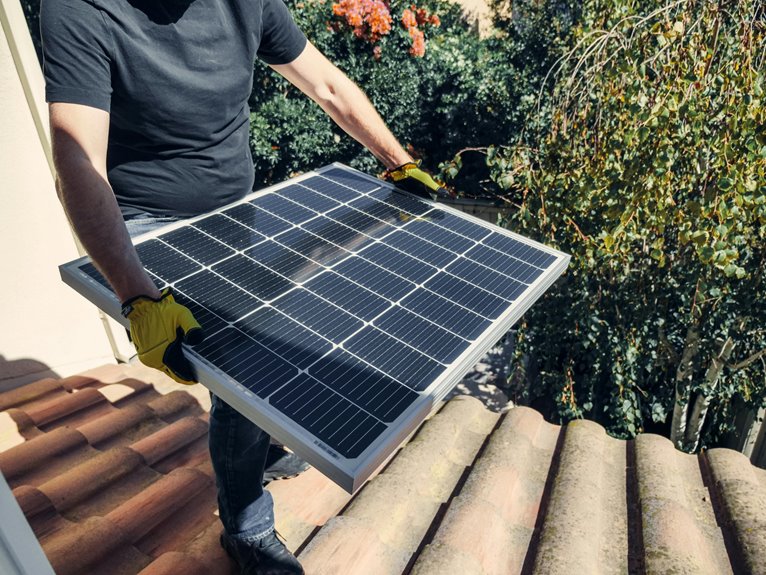
Learn how to match your solar panels to a 2000 W generator by checking voltage, current, wattage, and connectors so you avoid damage and charge your system safely and efficiently.

See how your solar generator really charges as battery stages shift from bulk to absorption to float, and learn how to estimate full charge time more accurately.

Keep your solar generator from losing power by fixing voltage drop at the source. Learn how shorter cables, proper wire sizing, solid connections, and smart load checks help you keep output steady and catch hidden issues before they drain performance.
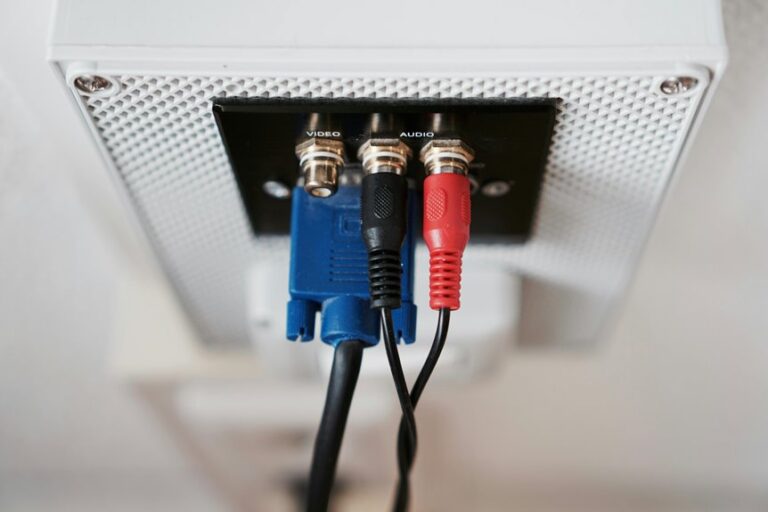
Learn how to match solar generator cables and connectors with confidence so you avoid overheating, reverse polarity, and costly mistakes while choosing the right MC4, Anderson, SAE, or XT connection for safe, reliable power.
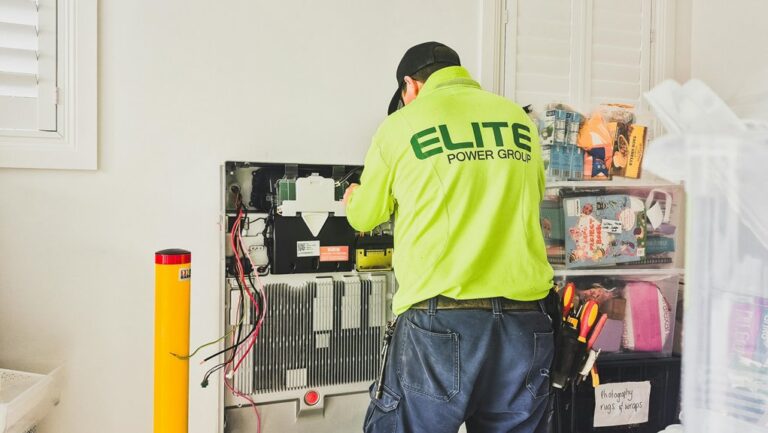
Need to charge a solar generator at night? Discover the safest alternative methods, from wall AC and USB C PD to vehicle and generator power, plus the key checks that help you charge faster without damaging your battery.
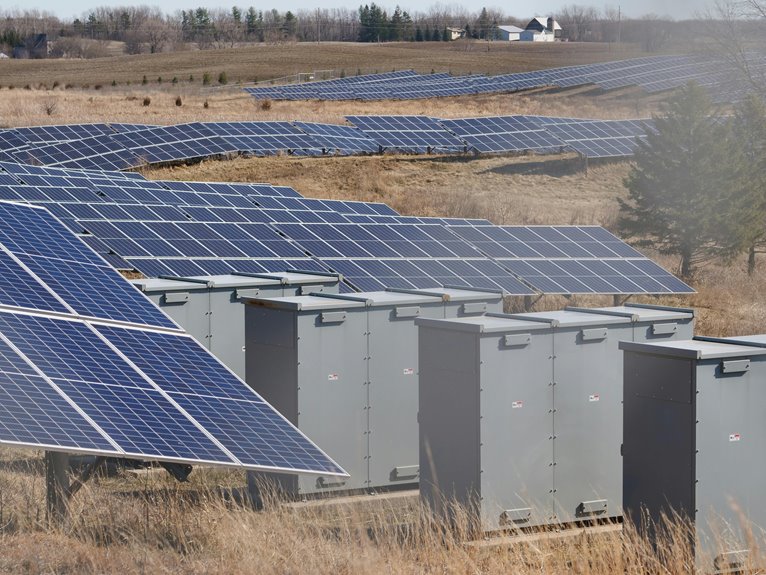
Discover where your solar generator really loses power, from panel heat and shading to wiring, storage, and inversion, so you can spot the biggest efficiency drains and get more usable energy.

Plan your solar generator with room to grow so you can add batteries, panels, and inverter power later without starting over. Learn how to avoid voltage limits and MPPT bottlenecks while building a system that scales with your needs.

Learn how to charge a solar generator from your car safely and efficiently, avoid common power losses, and choose the right setup for matching voltage, connectors, and battery limits.