

Tiny remotes, key fobs, garage door openers, and a dozen other devices in the average home quietly depend on one little cylinder: the A23. Also sold as 23A, MN21, or V23GA, they all deliver the same 12-volt punch in a compact package. Picking the right one mostly comes down to pack size, brand familiarity, and how long you want them sitting in a drawer before they get used.
I put together this roundup to help sort the single-pack precision buys from the bulk value packs, with honest notes on who each one actually serves.
The Essentials At A Glance

Bvgokcell A23 12V Alkaline Battery (20-Pack)

Duracell MN21 / A23 12V Alarm Remote Battery (2 Pack)

Key Battery Outlet A23 Garage Door Opener Battery (Single)

Bvgokcell A23 12V Alkaline Battery (5-Pack)

Bvgokcell A23 12V Alkaline Battery (10-Pack)
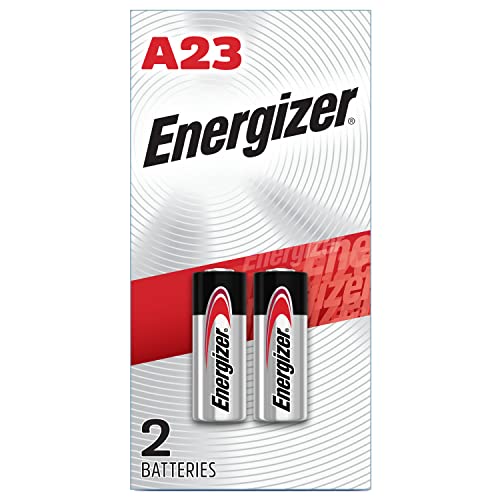
Energizer A23 12V Alkaline Battery (2 Pack)

Duracell 21/23 12V Alkaline Battery (1 Count)
Meet The Standout Selections
Twenty cells in a single box sounds like overkill until you count the door sensors, car alarms, and keychain fobs spread across a busy household. The Bvgokcell 20-pack targets exactly that scenario, offering enough spares to replace cells today and stash a few in the junk drawer for the next surprise low-battery chirp.
Compared with the brand-name options in this list, the trade-off is mostly about familiarity. Most homeowners will find the alkaline chemistry (the standard recipe of zinc powder and manganese dioxide that delivers steady voltage for low-drain devices) delivers dependable 12-volt output for remote controls, garage openers, and similar gear.
Strengths Worth Knowing
- Twenty cells keep spares on hand for every A23 device in the house
- Low self-discharge design (cells lose energy slowly when unused) gives a roughly three-year shelf life for stored batteries
- Wide compatibility with MN21, 23A, and equivalent specialty cells
- Bulk format lowers the per-cell cost significantly
Points To Keep In Mind
- Less recognizable brand than Duracell or Energizer, which may matter for safety-critical alarms
- Owners commonly recommend storing the sealed pack in a cool, dry spot to protect longevity
Who Will Love This
Anyone running a household packed with multiple A23-powered gadgets, or property owners who want one bulk order to cover every remote on the property.
Reach For A Different Pick When
Homeowners worried about reliability for hardwired alarm panels should look at the Duracell MN21 / A23 2 Pack instead, since the brand name offers extra peace of mind.
Duracell’s two-pack is the dependable middle-ground option in this category. Two cells are usually enough for one alarm remote swap with one backup ready to go, and the copper-top name has been on pharmacy shelves for decades.
Where the Bvgokcell 20-Pack leans into volume, this Duracell offering leans into confidence. It is a good fit for homeowners whose security system manuals specifically call for the MN21 designation (a common A23 alias used by European and Asian manufacturers).
Useful Highlights
- Recognized brand name that many installers and manuals reference
- Pair of cells is convenient for a primary replacement plus a spare
- Wide voltage tolerance for both alarm panels and remote controls
- Compact packaging fits neatly in a kitchen drawer or toolbox
Honest Caveats
- Only two cells means heavy multi-device households will burn through them quickly
- Premium brand pricing tends to run higher per cell than bulk off-brand packs
Feature Snapshot
Made For
Homeowners replacing a single dead battery in a security remote who want the reassurance of a familiar brand name.
Where Another Pick Suits Better
Multi-room households stocking spares for several devices at once will find the Bvgokcell 20-Pack more economical over time.
The Key Battery Outlet single cell is built around one job: refreshing the small clicker hanging from the visor. It ships one alkaline cell engineered specifically for high-drain garage door applications where a weak signal means a door that refuses to budge.
Where the bulk packs from Bvgokcell focus on quantity, this one trades volume for stability. The construction includes a leak-resistant seal (a layered gasket and crimp design meant to keep potassium hydroxide from seeping out) that protects the remote’s metal contacts.
The Practical Payoff
- Single-pack format avoids waste for one-clicker households
- Leak-resistant seal helps protect expensive remote circuit boards
- Up to a five-year claimed shelf life for emergency spares
- Designed for stable voltage delivery in cold garage environments
Some Limits To Know
- Single-cell price per unit runs higher than multi-packs
- Specialty focus means it is less flexible for general-purpose 12V devices
Best Suited To
Drivers whose garage door clicker is the only A23 device in the house and who want a replacement targeted to that role.
Swap It Out When
Households juggling several A23 devices should consider the Energizer A23 2 Pack for broader coverage from a mainstream brand.
The Bvgokcell 5-pack is the friendly middle ground between the single-cell Key Battery Outlet option and the larger 20-cell bulk case. Five cells cover most starter scenarios: one for today, one for the glovebox, and a few stored for the inevitable next dead remote.
This is the pack I would suggest for a one- or two-remote household that wants spares without a drawer full of batteries. Alkaline chemistry with low self-discharge keeps them ready when the day finally comes.
Reasons It Performs
- Five-cell count suits modest household demand
- Approximately three-year shelf life when stored properly
- Lower upfront commitment than the 20-pack
- Compatible with the standard MN21/23A naming convention
Small Caveats
- Off-brand build means some shoppers may hesitate for critical security devices
- Per-cell price is higher than the 10- or 20-pack siblings
Feature Rundown
Whose Shelf It Belongs On
Small households or first-time shoppers who want a handful of spares without committing to a large case.
Consider Something Else When
Anyone running four or more A23 devices across the home will save money stepping up to the Bvgokcell 20-Pack.
Ten cells strikes the balance point in this list. It is a meaningful step up from the 5-pack for whole-home coverage without the commitment of the 20-pack case, and it lets shoppers keep a healthy stash in the kitchen junk drawer.
The chemistry here is the same proven alkaline recipe used elsewhere in the Bvgokcell lineup, so shoppers get familiar performance characteristics across pack sizes.
Real Benefits
- Ten cells cover typical household needs for a couple of years
- Strong per-cell value compared with smaller packs
- About three-year shelf life when stored properly
- Same chemistry as the 5-pack and 20-pack siblings
Worth Bearing In Mind
- Larger pack size means more batteries to use before the shelf window closes
- Less widely recognized brand than Duracell or Energizer
Perfect Match For
Mid-sized households with a mix of A23-powered garage remotes, sensors, and fobs who want one order to last.
A Better Fit Elsewhere
Shoppers prioritizing brand familiarity for critical security devices should consider the Energizer A23 2 Pack instead.
Energizer is one of the most familiar names on the battery aisle, and this two-pack continues the long-running A23/23A format the company has produced for years. The black-and-silver packaging signals the mainstream specialty battery tier aimed at garage openers, keyless entry systems, and similar devices.
Where the Key Battery Outlet single focuses tightly on garage doors, this Energizer offering leans more toward general use. It is a solid pick for shoppers who want one of the legacy alkaline brands for both garage and household applications.
What Stands Out
- Household-name brand with deep retail availability
- Pair of cells covers a single replacement plus a backup
- Works across garage openers, keyless entry, and Bluetooth gadgets
- Standard alkaline voltage rating for broad compatibility
Trade Offs
- Per-cell cost is higher than bulk Bvgokcell options
- Two cells is a small count for households running multiple A23 devices
Feature Card
Built With In Mind
Homeowners who trust mainstream battery brands and need a replacement for one garage or entry system.
Look Elsewhere When
Anyone needing to stock spares for a whole home will get more value from the Bvgokcell 10-Pack or 20-Pack.
The single Duracell 21/23 cell is the minimalist entry in this roundup, sold as one replacement battery for the precise moment a car alarm fob or GPS tracker dies. No spares, no waste, no clutter.
It is the same chemistry as the larger Duracell two-pack, just stripped down for shoppers who only need one. Owners of specialty devices that call out the 21/23 designation will appreciate the explicit labeling.
Good Reasons To Consider
- Zero waste for one-off battery swaps
- Trusted Duracell build with broad specialty compatibility
- Clear 21/23 dual designation on packaging
- Suitable for key fobs, car alarms, and GPS trackers
Practical Considerations
- Single-cell price per unit is the highest in this roundup
- No backup cell once the first one is installed
Right Fit For
Drivers who need one replacement cell for a single key fob or specialty tracker and have no other A23 devices to power.
Not Your Match When
Anyone with multiple A23 gadgets to maintain will save money and effort with the Duracell 2 Pack or Bvgokcell 5-Pack.
What Matters Most Before Choosing A23 Batteries
Match the Label, Not the Guesswork
A23 batteries show up under several names: 23A, MN21, V23GA, L1028, and even E23A. Most devices print one of these on the battery compartment or in the manual. Buy the exact label printed inside the device, and you avoid the common frustration of cracking open a remote only to find the cell is too short or too fat. Cross-reference compatibility lists if your device calls out a code that is not A23.
Chemistry Choices Beyond Alkaline
Alkaline is the standard, most affordable option, and the cells on this list all use it. Lithium A23 alternatives exist, and they tolerate cold weather better and last longer in storage, but they cost noticeably more. For a garage in a hot climate, alkaline is usually fine. For a remote sitting in a freezing car, lithium is worth the upgrade.
Pack Size and Shelf Life
A 23A alkaline cell can lose a meaningful slice of its charge sitting in a hot drawer for two years. The packs on this list quote shelf life of roughly three years for alkaline cells, so even a 20-pack will not go to waste as long as it stays sealed and stored in a cool place. The honest read is: buy what you will actually use inside three years, and not a cell more.
Key Considerations Across These Picks
Pitfalls Shoppers Hit
The most common mistake is grabbing the wrong physical size. A23 cells are sometimes confused with A27 batteries (A27 is longer), and even some key fobs take CR2032 coin cells instead. The second slip is buying a 20-pack and leaving it in a humid garage, which shortens shelf life fast. Finally, ignoring the 21/23 dual designation on Duracell packaging can lead to second-guessing at the store. None of these errors are fatal, but skipping them saves a return trip.
What The Higher Tier Buys
A premium A23 cell is mostly paying for build consistency and tighter voltage tolerances under load. For a smart home sensor that chirps in the middle of the night, that consistency is worth a small premium. For an extra garage clicker that gets used twice a day, the value-tier alkaline options deliver the same 12V punch at a lower per-cell price. Stepping up pays off when the device is critical; for casual remotes, the bulk value packs are the smarter buy.
A23 Batteries come in several label formats. Does it matter which I buy?
Yes, in the sense that the physical cell must match the device. A23, 23A, MN21, V23GA, and similar names all describe the same size and voltage, so they are typically interchangeable.
How long does an A23 battery usually last in a remote?
In a typical garage door opener used a few times daily, an alkaline A23 often lasts a year or more before the range noticeably shrinks. In low-drain sensors, the same cell can last several years.
Can I substitute a lithium A23 for an alkaline one?
In most cases, yes. The voltage is the same, and the lithium chemistry offers longer storage life and better cold tolerance. Check the device manual for any restrictions before swapping.
Why do some packs advertise a longer shelf than others?
Shelf life depends on the chemistry and how tightly the cells are sealed. Alkaline cells lose charge faster than lithium, and cheaper seals leak air slowly, which shortens storage life.
Is it worth buying a 20-pack for a single remote?
For most people, no. A two-pack or five-pack covers the immediate need plus a short-term spare. The bulk value of a 20-pack only kicks in for households with multiple A23-powered devices.
Closing Thoughts
The right A23 battery mostly comes down to how many devices you need to keep powered and how much brand familiarity matters for the gear that depends on them. Bulk packs offer real savings for busy households, while single cells and two-packs cover the casual remote swap without waste. Pick the count that matches your devices, store the spares somewhere cool and dry, and the cells will be ready the moment that low-battery chirp starts up.
