

Working with buried utilities means thinking ahead, because once a trench gets closed, fishing out a signal becomes a guessing game. Tracer wire and detectable warning tape give crews a reliable way to find non-metallic pipe, conduit, and cable years later, and the conductor inside that tracer wire quietly decides how clean the signal stays. Solid copper, true to gauge, is the common thread in every pick below, paired with the right color for the line it runs alongside.
A Fast Comparison Of The Options

14 AWG Blue Tracer Wire for Water Line
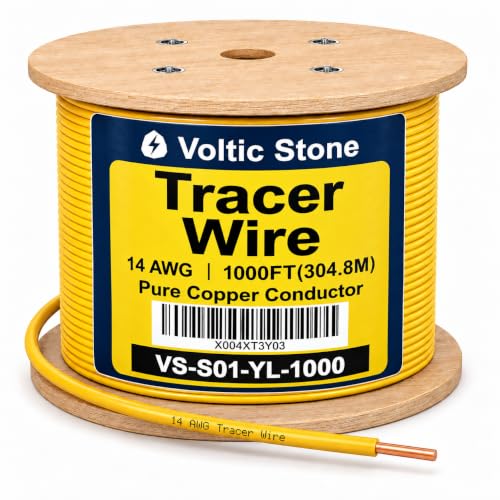
14 AWG Yellow Tracer Wire for Gas Line

14 AWG Green Tracer Wire for Sewer Line

14 AWG Red Tracer Wire for Electrical Line

Detectable Underground Tape, Fiber Optic Line

Detectable Underground Tape, Sewer Line

Detectable Underground Tape, Water Line
The Strengths Of Each Pick
Tracer wire lives a quiet life buried next to non-metallic pipe, and the conductor’s job is to stay intact and conductive for decades. The 14 AWG blue tracer wire from Voltic Stone is built around a true 14 gauge solid copper core, with a conductor diameter near 1.63 mm, so the locator tone comes through cleanly on long service runs. The blue insulation follows standard utility color codes, which helps anyone who opens the trench years later identify a potable water line at a glance.
For contractors running tracer along new water mains, the solid copper construction tends to outwork copper-clad steel in pure conductivity terms. That said, this is a tracing conductor, not a feeder, so it pairs with a locator transmitter rather than carrying load current. Homeowners extending a service line to an outbuilding or replacing a poly water line will appreciate that the wire lays flat in the trench without much fight.
Positive Points
- True 14 gauge solid copper gives a stronger, more stable locator signal than thinner or steel-clad alternatives.
- Blue jacket matches APWA-style color coding for potable water, reducing confusion at the dig site.
- Strips and routes cleanly through trench corners, which matters on long residential service runs.
- Versatile enough to run alongside gas, sewer, or communication lines when project needs shift.
Things To Consider
- The insulation rating covers tracing duty only, so it should not be repurposed as a power conductor.
- Owners commonly report needing proper grounding at access points to keep the signal strong at far ends.
Key Specs
Right Fit For
Contractors and homeowners running tracer along new or replacement water service lines who want solid copper conductivity and standard blue color coding.
Swap It Out When
Reach for the 14 AWG Yellow Tracer Wire for Gas Line instead if the trench carries a gas service run rather than potable water.
Yellow tracer wire carries a long-standing association with gas lines, and crews rely on that color cue when they’re standing over an unfamiliar dig site. The 14 AWG yellow tracer wire from Voltic Stone keeps that convention while running a true 14 gauge solid copper conductor at roughly 1.63 mm in diameter. The jacket is built for direct burial alongside non-metallic gas pipe, so the wire stays put while the backfill settles around it.
Utility crews who push long bore shots under driveways or streets get cleaner tone readings from solid copper than from copper-clad steel, in most cases. This pick also lends itself to water, sewer, or communication runs when crews standardize inventory on a single conductor type. For DIYers running a new gas line to an outdoor appliance, yellow tracer takes the guesswork out of future locates.
Noteworthy Benefits
- Solid copper core delivers more consistent locating signal than copper-clad alternatives on long runs.
- Yellow jacket matches APWA-style gas line color coding for fast visual identification.
- Versatile enough to trace water, sewer, or signal lines on the same job when inventory is limited.
- Routes smoothly through trench layouts, reducing fatigue on big installations.
Worth Noting
- The insulation class is rated for tracing duty and is not designed to carry line voltage.
- Storage on the reel matters: leaving the roll in direct sunlight for extended periods can shorten jacket life before burial.
- Gas locators typically need a grounding point to push signal past fittings, so plan access points accordingly.
Who Will Love This
Gas line installers and utility crews who want a true-gauge solid copper tracer with standard yellow color coding for fast identification.
Reach For A Different Pick When
The 14 AWG Red Tracer Wire for Electrical Line suits the trench better if the project pulls in buried electrical conduit alongside the gas service.
Sewer lines run deeper than most utility taps, so locating them after the trench is closed demands a tracer wire that holds tone through long, straight runs. The 14 AWG green tracer wire from Voltic Stone carries a true 14 gauge solid copper core, which gives locators a stronger return signal than steel-clad wire of the same gauge. Green is the conventional color for sewer and drain lines, so any future dig starts with the right visual cue.
Compared to the blue and yellow tracers above, this green version follows the same conductor construction but changes the jacket color, which matters for code compliance and crew habits. For homeowners replacing an old septic line or contractors laying new PVC sewer laterals, the wire pays for itself the first time someone needs to find the pipe without exploratory digging. It’s a single-purpose tool that does its single purpose well.
Benefits That Matter
- Solid copper core maintains signal quality across longer sewer runs where thinner wire would fade.
- Green insulation aligns with standard sewer and drain color codes for unambiguous identification.
- Lays flat in deep trenches without coiling back, which speeds installation on long laterals.
- Compatible with locating other buried utilities when a job site calls for flexible tracer use.
Honest Caveats
- Tracer wire is intended for locating duty only, not as a substitute for power-rated conductors.
- Owners commonly recommend bringing the wire up to an accessible cleanout or marker post so future locates stay simple.
Perfect Match For
Plumbers and homeowners running tracer along new or replacement sewer laterals who want standard green color coding and true solid copper conductivity.
Where Another Pick Suits Better
Pick the Detectable Underground Tape, Sewer Line when the crew prefers a wide warning tape over a tracer conductor for shallow drainage runs.
Buried electrical conduit is non-metallic more often than not these days, which is great for corrosion but leaves locators with nothing to follow. The 14 AWG red tracer wire from Voltic Stone answers that problem with a true 14 gauge solid copper core and a red jacket that signals “power” to anyone cracking the trench later. The conductor runs at roughly 1.63 mm in diameter, giving locators enough copper to push a strong tone under driveways and across open yards.
Electricians running PVC conduit for a subpanel, outbuilding feeder, or landscape lighting circuit will find the wire routes cleanly and accepts standard ground clamps. Red insulation matches the long-standing visual cue for power lines, which helps future maintenance crews work faster. The same construction also works on water, sewer, or signal runs when a job needs one tracer across multiple utilities.
What Helps Most
- Solid copper conductor gives electricians a reliable locate signal on long conduit runs to detached structures.
- Red jacket visually flags power lines and reduces the risk of accidental strikes during future digs.
- Lays flat in trench bends without springing back, which speeds up long pulls.
- Doubles as tracer for gas, water, or communication lines on mixed utility jobs.
Points To Keep In Mind
- The insulation rating covers tracing duty only, so it cannot replace a true power feeder conductor.
- Common installation guidance recommends terminating the tracer at an accessible junction so locators have a clean ground reference.
Key Specs
Best Suited To
Electricians and homeowners pulling tracer wire through PVC conduit for outbuildings, landscape circuits, or subpanel feeders who want solid copper performance.
Consider Something Else When
The 14 AWG Blue Tracer Wire for Water Line is a better match for the trench when the primary run carries a potable water service rather than power conduit.
Fiber optic cable sits quiet in the ground, and breaking it is a fast way to interrupt phone, internet, or data service for a whole neighborhood. The detectable underground tape from Voltic Stone, marked for fiber optic lines, lays a 5 mil laminated strip with an aluminum foil layer that compatible locators can pick up before a backhoe ever touches the cable. The bright orange face and bold black “CAUTION: BURIED FIBER OPTIC LINE BELOW” print give a strong visual cue during any excavation.
Unlike the tracer wire picks above, this product works as a warning layer rather than a conductor, so it pairs well with non-conductive cable installs. The 2 inch by 1000 foot roll covers long continuous runs of telecom conduit, fiber backbone, or communication duct without splicing. Crews running FTTH drops or commercial data lines between buildings get both visual and electronic warning in a single product.
A Few Highlights
- Aluminum foil layer allows compatible locators to detect the tape before reaching the cable below.
- Orange surface with bold caution text stands out in dirt, sand, and gravel during emergency digs.
- 1000 foot roll reduces splice points on long telecom backbones and conduit runs.
- Lays flat above the cable at the correct depth, which preserves both warning and detection function.
Less Ideal Details
- Detection depends on using a locator compatible with aluminum foil tape, so older locators may not respond.
- Tape works as a warning layer only, not a conductor, so it does not replace tracer wire on conductive locates.
Feature Snapshot
Whose Shelf It Belongs On
Telecom crews and utility contractors installing fiber optic runs who want both visual warning and locator-detectable protection in one roll.
A Better Fit Elsewhere
Reach for the Detectable Underground Tape, Water Line instead when the trench carries a potable water main that needs blue-coded warning.
Sewer and drain lines sit below the frost line in most regions, so the cost of a mistaken strike goes way beyond the tape itself. The detectable underground tape from Voltic Stone, marked for sewer lines, layers a 5 mil laminated aluminum strip into the trench so compatible locators can sense it well above the pipe. Green is the conventional sewer and drain color, so anyone opening the trench later gets the right visual cue before the shovel hits clay.
Compared to the tracer wire picks earlier in this list, this tape works as a non-conductive warning layer rather than a signal conductor, which suits crews who prefer tape over wire for shallow drainage runs. The 2 inch by 1000 foot roll covers municipal sewer taps, residential drain fields, and commercial wastewater laterals with room to spare. It’s a straightforward layer of protection that pairs cleanly with a tracer wire install above it.
Positive Takeaways
- Aluminum foil layer adds electronic detectability beyond the printed warning text.
- Green face aligns with APWA-style sewer and drain color codes for fast visual identification.
- 1000 foot roll keeps installation efficient on long residential or commercial drain runs.
- Print stays legible through dirt and moisture, which matters during emergency digs.
Practical Considerations
- Detection depends on a locator rated for aluminum foil tape, so verify equipment compatibility before relying on it.
- Storage on the job site benefits from keeping the roll shaded, since long sun exposure can weaken the laminate over time.
Made For
Sewer and drainage contractors who want a color-coded, locator-detectable warning layer above buried pipe rather than a conductive tracer.
Not Your Match When
The 14 AWG Green Tracer Wire for Sewer Line is a better pick if the project needs a signal-carrying conductor for active locator tone work.
A water main strike can shut off service to a whole block and trigger expensive repair work plus fines. The detectable underground tape from Voltic Stone, marked for water lines, lays a 5 mil laminated strip with an aluminum foil layer that compatible locators can pick up before the dig reaches the pipe. Bright blue with bold black caution text, the tape reads clearly in any soil type when the trench is opened years later.
The blue color matches the standard convention for potable water, which separates this roll visually from the orange fiber tape and green sewer tape earlier in the list. The 2 inch by 1000 foot format covers long service runs from the curb stop to the meter without splicing, which keeps installation fast. For municipal crews and homeowners extending a service to a detached shop or barn, this tape adds a layer of protection above the pipe.
A Few Strong Suits
- Aluminum foil layer enables electronic detection with the right locator equipment.
- Blue jacket matches standard color codes for potable water lines.
- 1000 foot length handles long service runs without interrupting the warning layer.
- Print stays readable through wet soil, which matters during emergency main repairs.
- Complements tracer wire installs by adding visual warning above the conductive layer.
Small Caveats
- Works as a warning layer only and does not replace tracer wire on locates that depend on a live signal.
- Common installation guidance suggests laying the tape roughly a foot above the pipe for best detection depth.
Quick Facts
Built With In Mind
Municipal water crews and homeowners installing new water service lines who want a color-coded, locator-detectable warning layer above the pipe.
Look Elsewhere When
Pick the 14 AWG Blue Tracer Wire for Water Line when the project needs a conductive locator tone instead of a passive warning layer.
What Matters Most Before Choosing Buried Utility Wire
Choosing the right tracer wire or warning tape starts with understanding the job the wire has to do years after the backfill settles. AWG (American Wire Gauge) describes the conductor thickness, and lower numbers mean thicker wire: a true 14 AWG solid copper conductor measures roughly 1.63 mm across, which keeps resistance low on long runs. Color coding follows APWA-style conventions in many regions, with blue for water, green for sewer, yellow for gas, and red for electrical, so matching jacket color to the line being traced saves confusion at the dig site.
The conductor material matters as much as the gauge. Solid copper carries a stronger, more stable locator signal than copper-clad steel of the same gauge, which is why contractors working on long service runs tend to prefer it. Insulation rating is the other detail worth checking: tracer wire is built for tracing duty alongside buried utilities, not for carrying line voltage, so the rating covers insulation class rather than feeder use.
Detection method shapes the rest of the decision. Conductive tracer wire needs a transmitter and grounding point to push tone through the conductor, while detectable warning tape relies on a locator rated for aluminum foil. For long, straight service runs, a tracer wire plus warning tape combo gives both visual warning and active signal. For shallow drainage or short taps, detectable tape alone often suffices.
Smart Choices Across The Lineup
Mistakes Worth Dodging
A common slip-up is buying tracer wire by length without checking that the conductor is true to gauge, because under-spec wire loses signal fast on long runs. Another trap is treating tracer wire as a feeder conductor: the insulation class covers tracing duty, not line voltage, so it should never carry load current. Finally, relying on warning tape alone without confirming the locator is rated for aluminum foil can leave a crew blind to the warning layer.
Where The Extra Money Goes
Higher tier tracer wire tends to deliver true-gauge solid copper conductors, beefier insulation, and tighter quality control on jacket thickness. Detectable tape at the next level uses a more durable laminate that holds up to rocky backfill and wet storage. For contractors running long bores under driveways or across open ground, that extra material quality usually shows up as fewer false locates and faster digs years later, which is where the upgrade earns its keep.
Frequently Asked Questions
What Is Tracer Wire Used For?
Tracer wire runs alongside non-metallic pipe or conduit so a locator can pick up a signal and find the buried line later. It is not a power conductor and carries a tracing tone only.
Is 14 AWG Solid Copper Better Than Copper-Clad Steel For Tracing?
Solid copper typically delivers lower resistance and a more stable signal than copper-clad steel at the same gauge. Crews working on long service runs generally prefer solid copper for that reason.
Can Tracer Wire Be Used As A Power Conductor?
No, tracer wire insulation is rated for tracing duty, not line voltage. Using it to carry load current is unsafe and outside the wire’s rated purpose.
How Does Detectable Warning Tape Work?
The tape carries a thin aluminum foil layer that compatible locators can sense from above ground. The bold printed warning adds a visual cue when the trench is opened.
Where Should Tracer Wire Be Buried In The Trench?
Most installation guides recommend laying tracer wire a few inches above the pipe and bringing it up at access points like curb stops or cleanouts. That way the wire stays continuous and locators have a clean ground reference.
The Takeaway
Picking the right tracer wire or warning tape comes down to matching the conductor or tape type to the utility in the trench, the length of the run, and the locator equipment on hand. Solid copper 14 AWG tracer covers most residential and light commercial service runs, while detectable tape adds a second layer of protection above the pipe. Match the color, confirm the gauge, and the next locate stays simple.
