

A growing garage, a new shed, a basement workshop, or an EV charger in the driveway all share the same quiet problem: the main panel just does not have room. A 40 amp sub-panel turns that cramped box into a flexible hub, letting you run dedicated circuits without tearing apart the whole service entrance. The picks below focus on practical, homeowner-friendly options that pair cleanly with most residential systems, plus a couple of specialty choices for off-grid and solar setups.
A Snapshot Of The Selections

Square D HOM240 40 Amp Double Pole Circuit Breaker Kit

Siemens Q140 40-Amp Single Pole Type QP Circuit Breaker

XINYIELE Outdoor Circuit Breaker Box SH-4WAY

Siemens Q240 40-Amp Double Pole Type QP Circuit Breaker

DIHOOL Solar Panel Disconnect Switch IP65

Miller 40 AMP Consumable Kit for XT40
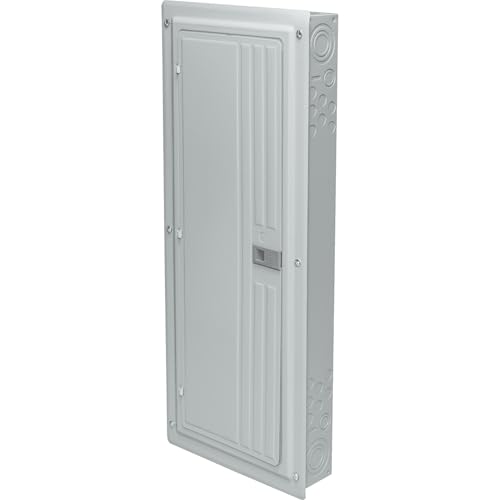
Siemens SN Series 200 Amp 40-Space Load Center
Why These Options Stand Out
Adding a sub-panel almost always starts with finding a breaker that matches what is already in the main box, and that is where genuine OEM (original equipment manufacturer) parts earn their reputation. The Square D HOM240 is a factory-fresh 40 amp, double-pole thermal-magnetic breaker built for the Homeline series, which is one of the most common residential panels in North America.
Thermal-magnetic means two protection modes in one device: a slower thermal element that trips on sustained low-level overloads, and a faster magnetic element that reacts to sudden short-circuit events. For a homeowner adding a sub-panel to power a detached shop or an EV charger, that dual response is exactly what the inspector wants to see.
What Stands Out
- Genuine OEM part, so it slips into any Homeline panel without compatibility guessing.
- Dual thermal-magnetic protection covers both slow overloads and instant short circuits.
- Double-pole design handles 240V loads like sub-panel feeds, water heaters, or small machinery.
- Wide installer familiarity, which can simplify inspection and resale conversations.
Things To Consider
- Only fits Homeline panels; mixing brands in a Square D box will not work.
- Single breaker, so a full sub-panel build also requires the enclosure, bus bars, and wire.
Quick Facts
Made For
Homeowners with an existing Homeline panel who want a matched OEM breaker for a new sub-feed or large 240V appliance.
Consider Something Else When
Siemens panel owners should look at the Siemens Q240 instead, since brand-matched breakers snap in cleanly.
Most sub-panel projects need a mix of breakers: one double-pole unit for the feed itself, then several single-pole breakers for the branch circuits on the other side. The Siemens Q140 is the workhorse for those branch circuits, handling 40 amps at 120V in the QP platform that fits both PL and ES series Siemens load centers.
Owners commonly appreciate the insta-wire feature, which lets you stab the wires into the bus terminal without looping them around a screw. It is a small ergonomic win, but over a long day of panel work it adds up.
What Makes Sense
- Single-pole 40A rating covers demanding 120V branch circuits like large shop tools.
- Insta-wire terminals speed up wiring and reduce stranded-wire fraying.
- Fits Siemens PL and ES load centers, two of the brand’s most installed lines.
- Thermal-magnetic mechanism gives the same dual protection as higher-priced units.
- 10,000 AIC interrupting rating handles most residential fault-current levels.
Worth Noting
- Single-pole only, so 240V sub-feeds will need the Q240 or a similar double-pole sibling.
- Brand-specific; not a direct substitute for Square D or Eaton panels.
Right Fit For
DIYers expanding a Siemens-based panel who need a reliable 120V branch breaker at a friendly entry-level price.
Look Elsewhere When
A 240V sub-feed circuit is the priority, in which case the Siemens Q240 double-pole model is the better match.
Not every sub-panel lives in a basement. Garden sheds, detached garages, pool equipment pads, and even rooftop solar arrays need an enclosure that shrugs off rain and dust. The XINYIELE SH-4WAY is a compact outdoor-rated breaker box built around a PC/ABS alloy shell, with a clear cover that lets you peek at the breaker positions without opening the door.
The 4-way layout gives you room for a few branch circuits, and the integrated DIN rail (a standardized metal mounting strip used inside electrical enclosures) and bus bars are already inside, so the heavy mechanical work is done. For a backyard build, that means less fiddling and more time on the actual wiring.
The Value In It
- PC/ABS alloy body offers high-temperature resistance and impact durability for outdoor use.
- Clear cover lets you visually check breaker status at a glance.
- Pre-installed DIN rail and bus bars shorten installation time.
- Full slot covers reduce dust and debris buildup on the breaker terminals.
- Works indoors too, so it can flex between garage, shed, or basement duty.
Trade Offs
- Smaller 4-way footprint limits circuit count; larger builds will need more capacity.
- Brand-specific breakers and bus hardware may be harder to swap out later if parts evolve.
- Outdoor enclosures still benefit from a small overhang or mounting position that limits direct sun and pooling water.
Best Suited To
Homeowners building a small outdoor sub-panel for a shed, garden workshop, or pool equipment who want a weather-ready enclosure without sourcing each piece separately.
A Better Fit Elsewhere
Anyone needing a full 40-circuit indoor service panel should consider the Siemens SN Series load center instead, since it covers whole-home replacements rather than small outdoor runs.
If the Q140 is the branch-circuit helper, the Siemens Q240 is the muscle. Rated at 40 amps and 240V in a double-pole package, it is the breaker most homeowners reach for when feeding a sub-panel itself, or when running a dedicated 240V line to a heavy appliance like a small welder or a heat pump.
It uses the same QP platform and insta-wire terminals as the Q140, which means a consistent feel across the panel. That consistency is more useful than it sounds: in a busy panel, familiar terminals shorten the wiring time and reduce wiring mistakes.
Useful Highlights
- 40A, 240V double-pole rating suits sub-panel feeds and large 240V appliances.
- 10,000 AIC interrupting rating covers typical residential fault-current conditions.
- Plug-on design with insta-wire simplifies termination in tight panel spaces.
- Drop-in fit for Siemens PL and ES series load centers.
Minor Gripes
- Takes two full breaker slots, which can crowd already-busy panels.
- Not compatible with non-Siemens load centers without a careful review of bus design.
Built With In Mind
Owners of Siemens panels who need a clean double-pole breaker for a 240V sub-feed or a heavy appliance circuit.
Skip It When
Square D Homeline panel owners should pair with the HOM240 instead, since brand-matched gear installs without any cross-brand surprises.
Solar arrays have their own safety rules, and the most important one is being able to kill DC power quickly. The DIHOOL disconnect combines a 40 amp dual-pole miniature circuit breaker with an IP65-rated enclosure, meaning it is dust-tight and protected against water jets. That rating matters on a rooftop or a sun-soaked wall.
The non-polarized design lets the breaker interrupt either polarity, which is useful on PV (photovoltaic) systems where the wiring direction depends on the array layout. The wide 12V to 400V operating window covers most string and small off-grid setups.
A Few Highlights
- IP65 enclosure handles outdoor rooftop or wall-mount conditions.
- Dual-pole 40A breaker interrupts both conductors for safer PV isolation.
- Non-polarized wiring accepts either direction, easing array-side installation.
- Operating range of 12V to 400V suits small home solar and many off-grid setups.
- PC+ABS shell with V1 flame-retardant rating adds a margin of safety.
Room For Improvement
- Specialty device, not a general-purpose residential sub-panel breaker.
- 40A ceiling limits very large array strings; bigger systems need higher-rated disconnects.
Feature Snapshot
Who Will Love This
Homeowners with small rooftop or off-grid solar arrays who need a code-friendly DC disconnect close to the array.
Reach For A Different Pick When
Standard residential sub-panel work is the goal; the Siemens Q240 or HOM240 is the better fit for typical 240V sub-feeds.
This one breaks the pattern, and that is worth a heads-up. The Miller 40 AMP Consumable Kit is not a sub-panel at all. It is a replacement parts bundle for the Miller XT40 plasma cutter, the bits that wear out as you slice through metal. I included it because searches for “40 amp” surface this kit often, and welders looking for XT40 consumables may land here.
Plasma cutting consumables include electrodes, tips, swirl rings, and shields. The kit bundles a healthy spread of each so a small fabrication shop can stay productive without juggling individual part orders.
Useful Strengths
- Bundles electrodes, tips, swirl ring, retaining cup, O-ring, and grease in one package.
- Includes both standard and drag-cut tips for different cutting styles.
- Adds a gouge tip and gouge shield for material removal work.
- Genuine Miller consumables, which fit the XT40 torch without modification.
Points To Keep In Mind
- Specific to the Miller XT40 only; not a generic plasma-cutter consumable set.
- Not a sub-panel; this entry exists for search-disambiguation, not as a wiring component.
Quick Facts
Whose Shelf It Belongs On
Fabrication shops and serious hobbyists running a Miller XT40 plasma cutter who want a one-stop restock for worn parts.
Where A Sibling Pick Shines
Anyone building a 240V sub-feed circuit for a plasma cutter should pair this kit with the Siemens Q240, which handles the actual shop wiring.
Sometimes the right answer is not a small add-on but a whole new panel. The Siemens SN Series is a 200 amp, 40-space, 40-circuit main lug (a connection point that feeds the panel without a built-in main breaker) load center built around the same plug-on neutral (a design where the neutral wire connects directly onto the breaker bus) platform that has made modern residential wiring faster. The “40” in the search phrase often lines up with the 40-space capacity here, which is part of why it shows up.
Insta-wire and the plug-on neutral design both shave real time off the install. For a whole-panel swap or a new construction build, those labor savings stack up quickly.
Advantages To Know
- 40-space, 40-circuit capacity covers most mid-to-large residential loads.
- 200A main lug rating suits many full-home service applications.
- Plug-on neutral design simplifies AFCI/GFCI (arc-fault and ground-fault) breaker wiring.
- Insta-wire and trim tabs cut down installation time on the wall.
Honest Caveats
- Main lug only; some services need a main breaker panel instead.
- Indoor-rated enclosure, so outdoor mounting requires a separate weatherproof setup.
- Full panel replacement is more involved than a single breaker swap.
Perfect Match For
Homeowners and contractors replacing an outdated indoor panel or finishing a new build who want a modern plug-on neutral design with room to grow.
Swap It Out When
A simple sub-panel addition to an existing load center is all that’s needed; the HOM240 plus a small sub-panel enclosure is faster and far less invasive.
What To Weigh Before Picking a 40 Amp Sub-Panel Setup
A 40 amp sub-panel is more of a system than a single object. The amperage matters because it dictates which feeder wire size and breaker rating pair safely; 40A typically calls for 8-gauge copper feeder wire and a 40A double-pole breaker at the main panel, but exact requirements depend on the run length and local code.
Compatibility is the next big filter. Square D Homeline, Siemens QP, and other lines use different bus designs, so a Homeline breaker will not snap into a Siemens panel. Buyers running mixed-brand equipment should stick to one platform per panel, or plan for adapter kits where available.
Enclosure location shapes the rest of the build. Indoor panels can use lighter steel boxes, while outdoor or garage setups benefit from weather-resistant enclosures with proper gasketing and a slight overhang to limit standing water exposure. Think through wire entry points and conduit runs before buying, since adding knockouts later is more work.
Finally, leave headroom. A 40 amp sub-panel feeds whatever is downstream, so picking a panel with extra breaker spaces keeps room for that future EV charger or workshop tool without another swap.
Key Considerations Across These Picks
Where Shoppers Go Wrong
A common slip-up is buying a breaker based on amperage alone and forgetting brand compatibility. A Square D HOM240 in a Siemens panel will not seat, and forcing it is a real safety issue. Check the main panel’s brand label, often inside the door, before adding any breaker.
Another frequent misstep is underestimating enclosure space. Counting the circuits needed today is easy; counting the ones a homeowner might add in five years is harder. Picking a slightly larger enclosure now avoids a panel swap later.
Why Top Tier Costs More
Premium panels and breakers carry higher price tags for a few honest reasons. Better bus designs support plug-on neutrals that speed up AFCI/GFCI wiring. Tougher enclosure materials last longer in garages and basements where temperature swings are real. Brand-name engineering also tends to mean more consistent QC, which matters when a device’s only job is to fail safely when something goes wrong.
Frequently Asked Questions
What wire size works for a 40 amp sub-panel feed?
For most residential runs, 8-gauge copper feeder wire pairs with a 40 amp breaker, though longer distances may require upsizing to 6-gauge to manage voltage drop. Local code and an inspector’s call settle the final choice.
Can I mix breaker brands inside the same panel?
Mixing brands is generally not recommended, since each bus design has a specific geometry and only certain breakers are listed for that panel. Sticking with the panel’s native brand keeps the listing intact and the inspection smooth.
Is a 40 amp sub-panel enough for an EV charger?
Many Level 2 chargers draw 32 to 40 amps, so a 40A sub-panel can work, but continuous-load rules often require the breaker to be rated at 125% of the load. Confirm the charger’s draw and your local interpretation before finalizing the install.
Do I need a disconnect on a solar sub-panel?
Yes, rapid shutdown and service-disconnect requirements typically apply to PV arrays. A DC-rated disconnect near the array, like the DIHOOL IP65 unit, helps satisfy both safety codes and first-responder access.
Indoor or outdoor enclosure for a detached garage?
An outdoor-rated enclosure is the safer choice for an exterior wall, since moisture and temperature swings will find their way into any box over time. Indoor-rated panels in unconditioned garages can work but benefit from a sealed, weatherproof housing.
The Takeaway
A 40 amp sub-panel turns a cramped main box into a flexible starting point for new circuits, and the right gear depends more on brand and location than on raw specs. Match the breaker to the panel, size the enclosure for growth, and choose weather-ready hardware whenever the install lives outside. With those pieces aligned, the rest of the project tends to fall into place.
